Inflammation plays a critical role in our overall health, yet many of us struggle with chronic inflammation that can lead to serious health issues. We can significantly improve our well-being through a structured approach focused on diet, lifestyle adjustments, and support systems. This 90-day anti-inflammatory healing plan is designed to guide us in reducing inflammation and enhancing our health. By understanding inflammation, implementing beneficial dietary choices, and establishing a strong support system, we can reclaim our vitality and live healthier lives.
Understanding Inflammation and Its Impact on Health
What Is Inflammation?
Inflammation is our body’s natural response to injury or harmful stimuli. When we experience an injury or encounter pathogens, our immune system triggers an inflammatory response. This response is essential for healing, think of it as our body’s way of protecting and repairing itself.
But, inflammation can become chronic when it persists beyond its useful purpose. Chronic inflammation can result from various factors such as autoimmune diseases, obesity, and ongoing stress. Unlike acute inflammation, which is short-lived and often beneficial, chronic inflammation can lead to various health issues.
The Role of Inflammation in Chronic Diseases
Chronic inflammation has been linked to numerous diseases, including heart disease, diabetes, cancer, and neurodegenerative disorders. Studies suggest that this ongoing inflammatory state can damage our cells and tissues over time, contributing to disease progression.
Understanding the connection between chronic inflammation and these diseases is critical to implementing effective preventative measures. By addressing inflammation through dietary and lifestyle changes, we can lower our risk and potentially improve our overall health.
The Benefits of an Anti-Inflammatory Diet
An anti-inflammatory diet can reduce harmful inflammation in our bodies while promoting healing and well-being. This approach emphasizes whole, nutrient-rich foods over processed items that can trigger inflammatory responses.
Some key benefits include:
- Reduced Pain: Many people find that their monthly symptoms, like joint pain or headaches, decrease on an anti-inflammatory diet.
- Improved Energy Levels: A clean diet can lead to reduced systemic inflammation, which can help enhance our energy levels and overall vitality.
- Better Mood: Foods rich in omega-3 fatty acids, antioxidants, and fiber support brain health, potentially reducing feelings of anxiety and depression.
- Weight Management: An anti-inflammatory diet typically includes lean proteins, healthy fats, and a variety of vegetables and fruits, assisting in weight control and metabolic health.
Adopting this diet can not only aid in healing but also become a long-term lifestyle choice that improves our quality of life.
Key Principles of the 90-Day Healing Plan
Phase 1: Preparation (Days 1-30)
The first phase focuses on preparing our minds and bodies for the changes ahead. Preparation paves the way for a smoother transition into a new lifestyle.
Setting Realistic Goals
To be successful, we need to set achievable goals. These can be small, like incorporating one new anti-inflammatory recipe each week or larger, such as aiming for a specific weight loss. Reflecting on our motivations and setting clear, measurable goals can keep us engaged and focused.
Identifying Trigger Foods
Next, we’ll work on identifying trigger foods that may contribute to our inflammation. Common culprits include:
- Refined carbohydrates (white bread, pastries)
- Sugar-laden snacks and beverages
- Excessive alcohol
- Processed meats
Once we identify these, we can create a plan to reduce or eliminate them from our diet.
Establishing a Support System
Change can be challenging, and having a network of support can significantly increase our chances of success.
Phase 2: Implementation (Days 31-90)
During this phase, we will put our plan into action and actively adopt changes into our daily routine.
Creating Your Meal Plan
A meal plan will help us stay organized and focused. Incorporating a variety of whole foods, like leafy greens, fatty fish, nuts, and seeds, will not only make meals enjoyable but will also provide ample nutrients to combat inflammation. We can begin with simple, tasty recipes that appeal to our taste preferences.
Incorporating Exercise and Mindfulness
Along with dietary changes, we should incorporate regular physical activity and mindfulness practices, such as yoga or meditation. These practices help manage stress, lower inflammation levels, and enhance our overall well-being. Finding an enjoyable physical activity we can commit to regularly will go a long way in helping us stay motivated.

Tips for Staying Motivated and Consistent
While we embark on this healing journey, it’s essential to keep our motivation high and maintain consistency.
Monitoring Progress and Adjustments
Regularly monitoring our progress can help us stay on track. We can maintain a journal to document our food intake, energy levels, and any symptoms experienced. This will make it easier to identify what works best for us and where adjustments might be needed.
Listening to Your Body
As we adjust our diets and lifestyles, it’s crucial to listen to our bodies. Not everyone will react the same way to certain foods or exercise routines. Paying attention to how we feel after meals or physical activity can guide our decisions moving forward.
Troubleshooting Common Challenges
As with any lifestyle change, challenges will arise. Here are some common issues and how we can overcome them:
- Social Situations: It’s easy to feel left out during gatherings that don’t cater to our dietary needs. Planning ahead, suggesting venues, or bringing a dish we can enjoy can help.
- Temptation: We may crave those beloved comfort foods. Having an alternative ready, like a nutritious dessert or healthy snack, can help curb cravings.
- Plateaus in Progress: If we hit a plateau, it might be time to reassess our goals or modify our exercise routine. Consulting with a health professional can provide valuable insights.
Success Stories and Testimonials
Hearing from others who’ve successfully completed the 90-day anti-inflammatory healing plan can be both inspiring and motivational. Stories shared by fellow participants highlight the transformative power of these dietary adjustments.
For instance, one participant shared that they experienced a significant reduction in joint pain and improved energy levels after transitioning to an anti-inflammatory diet, allowing them to engage in activities they hadn’t done in years. Hearing these testimonials reminds us that we’re not alone in this journey, and positive changes are achievable with commitment and support.
90-Day Anti-Inflammatory Meal Plan (Breakfast, Lunch, Dinner)
This comprehensive 90-day meal plan is designed to help you incorporate a variety of delicious and health-supportive anti-inflammatory recipes into your daily routine. This plan includes breakfast, lunch, and dinner, aiming to provide balanced nutrition, reduce inflammation, and promote overall well-being.
How to Use This Meal Plan
- Variety is Key: The plan rotates through different protein sources and recipe types to ensure you receive a wide range of nutrients and prevent meal fatigue.
- Meal Prep: Many recipes are suitable for meal prepping. Consider cooking larger batches on weekends or designated prep days to save time during the week.
- Hydration: Drink plenty of water throughout the day. Herbal teas and infused water are also great options.
- Listen to Your Body: Adjust portion sizes and recipes as needed based on your hunger levels, dietary preferences, and any specific health considerations.
- Flexibility: This is a guide, not a strict regimen. Feel free to swap meals within the same category or adjust based on ingredient availability.
Day 1
Breakfast: 15. Turmeric Latte (Golden Milk) with Collagen (from 30 Anti-Inflammatory Breakfast Recipes)
Lunch: 30. Shrimp & Black Bean Tostadas (on baked corn tortillas) (from 30 Anti-Inflammatory Lunch Recipes)
Dinner: 7. Hearty Ground Beef and Vegetable Soup (from 21 Anti-Inflammatory Ground Beef Recipes)
Day 2
Breakfast: 18. Greek Yogurt with Pomegranate & Pistachios (from 30 Anti-Inflammatory Breakfast Recipes)
Lunch: 25. Ground Beef & Kale Stir-Fry (leftovers) (from 30 Anti-Inflammatory Lunch Recipes)
Dinner: 2. Garlic Butter Roasted Salmon with Beets and Broccoli (from 21 Anti-Inflammatory Salmon Recipes)
Day 3
Breakfast: 20. Banana & Flax Seed Pancakes (Gluten-Free) (from 30 Anti-Inflammatory Breakfast Recipes)
Lunch: 28. Turkey & Cranberry Lettuce Wraps (from 30 Anti-Inflammatory Lunch Recipes)
Dinner: 8. Garlic Shrimp with Bell Peppers and Tomatoes (from 21 Anti-Inflammatory Shrimp Recipes)
Day 4
Breakfast: 25. Spiced Apple & Nut Butter Bowl (from 30 Anti-Inflammatory Breakfast Recipes)
Lunch: 23. Salmon & Avocado Toast (on gluten-free bread) (from 30 Anti-Inflammatory Lunch Recipes)
Dinner: 6. Shrimp and Avocado Ceviche-Style Salad (from 21 Anti-Inflammatory Shrimp Recipes)
Day 5
Breakfast: 4. Avocado Toast with Smoked Salmon & Everything Bagel Seasoning (from 30 Anti-Inflammatory Breakfast Recipes)
Lunch: 23. Salmon & Avocado Toast (on gluten-free bread) (from 30 Anti-Inflammatory Lunch Recipes)
Dinner: 7. Shrimp Foil Packets with Zucchini and Corn (from 21 Anti-Inflammatory Shrimp Recipes)
Day 6
Breakfast: 20. Banana & Flax Seed Pancakes (Gluten-Free) (from 30 Anti-Inflammatory Breakfast Recipes)
Lunch: 15. Mediterranean Lentil Salad (from 30 Anti-Inflammatory Lunch Recipes)
Dinner: 6. Shrimp and Avocado Ceviche-Style Salad (from 21 Anti-Inflammatory Shrimp Recipes)
Day 7
Breakfast: 17. Apple & Cinnamon Oatmeal (from 30 Anti-Inflammatory Breakfast Recipes)
Lunch: 17. Shrimp & White Bean Salad (from 30 Anti-Inflammatory Lunch Recipes)
Dinner: 1. Turmeric and Ginger Coconut Shrimp (from 21 Anti-Inflammatory Shrimp Recipes)
Day 8
Breakfast: 25. Spiced Apple & Nut Butter Bowl (from 30 Anti-Inflammatory Breakfast Recipes)
Lunch: 20. Quinoa & Edamame Salad (from 30 Anti-Inflammatory Lunch Recipes)
Dinner: 1. Turmeric-Ginger Roasted Salmon (from 21 Anti-Inflammatory Salmon Recipes)
Day 9
Breakfast: 14. Gluten-Free Waffles with Berries & Maple Syrup (from 30 Anti-Inflammatory Breakfast Recipes)
Lunch: 9. Shrimp & Avocado Salad with Mango (from 30 Anti-Inflammatory Lunch Recipes)
Dinner: 5. Ground Turkey and Zucchini Skillet (from 21 Anti-Inflammatory Ground Turkey Recipes)
Day 10
Breakfast: 29. Fig & Walnut Oatmeal (from 30 Anti-Inflammatory Breakfast Recipes)
Lunch: 1. Quinoa Salad with Roasted Vegetables & Chickpeas (from 30 Anti-Inflammatory Lunch Recipes)
Dinner: 15. Turkey and Quinoa Stuffed Peppers (from 21 Anti-Inflammatory Ground Turkey Recipes)
Day 11
Breakfast: 30. Beet & Ginger Smoothie (from 30 Anti-Inflammatory Breakfast Recipes)
Lunch: 30. Shrimp & Black Bean Tostadas (on baked corn tortillas) (from 30 Anti-Inflammatory Lunch Recipes)
Dinner: 11. Moroccan Spiced Shrimp Skewers (from 21 Anti-Inflammatory Shrimp Recipes)
Day 12
Breakfast: 7. Quinoa Porridge with Apple & Pecans (from 30 Anti-Inflammatory Breakfast Recipes)
Lunch: 18. Ground Beef & Spinach Stuffed Bell Peppers (leftovers) (from 30 Anti-Inflammatory Lunch Recipes)
Dinner: 16. Cilantro Lime Shrimp Tacos (Lettuce Wraps) (from 21 Anti-Inflammatory Shrimp Recipes)
Day 13
Breakfast: 25. Spiced Apple & Nut Butter Bowl (from 30 Anti-Inflammatory Breakfast Recipes)
Lunch: 29. Salmon & Spinach Power Bowl (from 30 Anti-Inflammatory Lunch Recipes)
Dinner: 8. Garlic Shrimp with Bell Peppers and Tomatoes (from 21 Anti-Inflammatory Shrimp Recipes)
Day 14
Breakfast: 12. Almond Butter & Banana Toast with Hemp Seeds (from 30 Anti-Inflammatory Breakfast Recipes)
Lunch: 6. Black Bean & Corn Salad with Cilantro Lime Dressing (from 30 Anti-Inflammatory Lunch Recipes)
Dinner: 16. Cilantro Lime Shrimp Tacos (Lettuce Wraps) (from 21 Anti-Inflammatory Shrimp Recipes)
Day 15
Breakfast: 22. Hummus & Cucumber Toast (from 30 Anti-Inflammatory Breakfast Recipes)
Lunch: 2. Avocado Tuna Salad Lettuce Wraps (from 30 Anti-Inflammatory Lunch Recipes)
Dinner: 7. Shrimp Foil Packets with Zucchini and Corn (from 21 Anti-Inflammatory Shrimp Recipes)
Day 16
Breakfast: 29. Fig & Walnut Oatmeal (from 30 Anti-Inflammatory Breakfast Recipes)
Lunch: 9. Shrimp & Avocado Salad with Mango (from 30 Anti-Inflammatory Lunch Recipes)
Dinner: 11. Moroccan Spiced Salmon with Quinoa (from 21 Anti-Inflammatory Salmon Recipes)
Day 17
Breakfast: 18. Greek Yogurt with Pomegranate & Pistachios (from 30 Anti-Inflammatory Breakfast Recipes)
Lunch: 14. Turkey & Avocado Wrap (whole-grain tortilla) (from 30 Anti-Inflammatory Lunch Recipes)
Dinner: 8. Garlic Shrimp with Bell Peppers and Tomatoes (from 21 Anti-Inflammatory Shrimp Recipes)
Day 18
Breakfast: 10. Vegetable Frittata Muffins (from 30 Anti-Inflammatory Breakfast Recipes)
Lunch: 18. Ground Beef & Spinach Stuffed Bell Peppers (leftovers) (from 30 Anti-Inflammatory Lunch Recipes)
Dinner: 19. Spicy Shrimp and Cabbage Slaw (from 21 Anti-Inflammatory Shrimp Recipes)
Day 19
Breakfast: 6. Green Smoothie Bowl with Hemp Seeds (from 30 Anti-Inflammatory Breakfast Recipes)
Lunch: 28. Turkey & Cranberry Lettuce Wraps (from 30 Anti-Inflammatory Lunch Recipes)
Dinner: 17. Ground Beef and Mushroom Burger Patties (from 21 Anti-Inflammatory Ground Beef Recipes)
Day 20
Breakfast: 5. Sweet Potato & Kale Hash with Poached Egg (from 30 Anti-Inflammatory Breakfast Recipes)
Lunch: 5. Salmon Salad with Dill & Cucumber (from 30 Anti-Inflammatory Lunch Recipes)
Dinner: 16. Cilantro Lime Shrimp Tacos (Lettuce Wraps) (from 21 Anti-Inflammatory Shrimp Recipes)
Day 21
Breakfast: 21. Ginger & Pear Smoothie (from 30 Anti-Inflammatory Breakfast Recipes)
Lunch: 15. Mediterranean Lentil Salad (from 30 Anti-Inflammatory Lunch Recipes)
Dinner: 21. Chicken and Walnut Salad (from 21 Anti-Inflammatory Chicken Recipes)
Day 22
Breakfast: 5. Sweet Potato & Kale Hash with Poached Egg (from 30 Anti-Inflammatory Breakfast Recipes)
Lunch: 11. Roasted Red Pepper & Tomato Soup (from 30 Anti-Inflammatory Lunch Recipes)
Dinner: 6. Salmon and Avocado Salad with Lime Dressing (from 21 Anti-Inflammatory Salmon Recipes)
Day 23
Breakfast: 25. Spiced Apple & Nut Butter Bowl (from 30 Anti-Inflammatory Breakfast Recipes)
Lunch: 9. Shrimp & Avocado Salad with Mango (from 30 Anti-Inflammatory Lunch Recipes)
Dinner: 15. Ground Beef and Broccoli Stir-Fry (from 21 Anti-Inflammatory Ground Beef Recipes)
Day 24
Breakfast: 13. Spinach & Feta Egg Muffins (from 30 Anti-Inflammatory Breakfast Recipes)
Lunch: 20. Quinoa & Edamame Salad (from 30 Anti-Inflammatory Lunch Recipes)
Dinner: 9. Shrimp and Quinoa Power Bowls (from 21 Anti-Inflammatory Shrimp Recipes)
Day 25
Breakfast: 13. Spinach & Feta Egg Muffins (from 30 Anti-Inflammatory Breakfast Recipes)
Lunch: 18. Ground Beef & Spinach Stuffed Bell Peppers (leftovers) (from 30 Anti-Inflammatory Lunch Recipes)
Dinner: 17. Salmon and Zucchini Noodle “Pasta” (from 21 Anti-Inflammatory Salmon Recipes)
Day 26
Breakfast: 9. Chia Seed Pudding with Mango & Coconut (from 30 Anti-Inflammatory Breakfast Recipes)
Lunch: 4. Chicken & Veggie Skewers with Hummus (from 30 Anti-Inflammatory Lunch Recipes)
Dinner: 18. Shrimp and Walnut Stir-Fry (from 21 Anti-Inflammatory Shrimp Recipes)
Day 27
Breakfast: 6. Green Smoothie Bowl with Hemp Seeds (from 30 Anti-Inflammatory Breakfast Recipes)
Lunch: 29. Salmon & Spinach Power Bowl (from 30 Anti-Inflammatory Lunch Recipes)
Dinner: 11. Ground Beef and Cabbage Soup (from 21 Anti-Inflammatory Ground Beef Recipes)
Day 28
Breakfast: 9. Chia Seed Pudding with Mango & Coconut (from 30 Anti-Inflammatory Breakfast Recipes)
Lunch: 26. Chicken & Grape Salad with Almonds (from 30 Anti-Inflammatory Lunch Recipes)
Dinner: 6. Chicken and Bok Choy Stir-Fry (from 21 Anti-Inflammatory Chicken Recipes)
Day 29
Breakfast: 27. Raspberry & Coconut Chia Pudding (from 30 Anti-Inflammatory Breakfast Recipes)
Lunch: 1. Quinoa Salad with Roasted Vegetables & Chickpeas (from 30 Anti-Inflammatory Lunch Recipes)
Dinner: 15. Shrimp and Kale Salad with Tahini Dressing (from 21 Anti-Inflammatory Shrimp Recipes)
Day 30
Breakfast: 29. Fig & Walnut Oatmeal (from 30 Anti-Inflammatory Breakfast Recipes)
Lunch: 23. Salmon & Avocado Toast (on gluten-free bread) (from 30 Anti-Inflammatory Lunch Recipes)
Dinner: 6. Shrimp and Avocado Ceviche-Style Salad (from 21 Anti-Inflammatory Shrimp Recipes)
Day 31
Breakfast: 21. Ginger & Pear Smoothie (from 30 Anti-Inflammatory Breakfast Recipes)
Lunch: 23. Salmon & Avocado Toast (on gluten-free bread) (from 30 Anti-Inflammatory Lunch Recipes)
Dinner: 13. Beef and Mushroom Lettuce Wraps (from 21 Anti-Inflammatory Ground Beef Recipes)
Day 32
Breakfast: 16. Breakfast Burrito Bowl (no tortilla) (from 30 Anti-Inflammatory Breakfast Recipes)
Lunch: 29. Salmon & Spinach Power Bowl (from 30 Anti-Inflammatory Lunch Recipes)
Dinner: 21. Salmon and Walnut-Crusted Fillets (from 21 Anti-Inflammatory Salmon Recipes)
Day 33
Breakfast: 2. Berry & Chia Seed Smoothie (from 30 Anti-Inflammatory Breakfast Recipes)
Lunch: 4. Chicken & Veggie Skewers with Hummus (from 30 Anti-Inflammatory Lunch Recipes)
Dinner: 21. Simple Beef and Broccoli Bowls (from 21 Anti-Inflammatory Ground Beef Recipes)
Day 34
Breakfast: 24. Blueberry & Lemon Ricotta Toast (from 30 Anti-Inflammatory Breakfast Recipes)
Lunch: 27. Mediterranean Quinoa Bowl with Feta (from 30 Anti-Inflammatory Lunch Recipes)
Dinner: 18. Turkey and Lentil Stew (from 21 Anti-Inflammatory Ground Turkey Recipes)
Day 35
Breakfast: 6. Green Smoothie Bowl with Hemp Seeds (from 30 Anti-Inflammatory Breakfast Recipes)
Lunch: 29. Salmon & Spinach Power Bowl (from 30 Anti-Inflammatory Lunch Recipes)
Dinner: 7. Turkey and Cauliflower Rice Stir-Fry (from 21 Anti-Inflammatory Ground Turkey Recipes)
Day 36
Breakfast: 28. Turkey Sausage & Bell Pepper Scramble (from 30 Anti-Inflammatory Breakfast Recipes)
Lunch: 10. Chicken & Kale Caesar Salad (Dairy-Free) (from 30 Anti-Inflammatory Lunch Recipes)
Dinner: 2. Ground Turkey and Sweet Potato Skillet (from 21 Anti-Inflammatory Ground Turkey Recipes)
Day 37
Breakfast: 30. Beet & Ginger Smoothie (from 30 Anti-Inflammatory Breakfast Recipes)
Lunch: 14. Turkey & Avocado Wrap (whole-grain tortilla) (from 30 Anti-Inflammatory Lunch Recipes)
Dinner: 8. Mediterranean Turkey Bowls (from 21 Anti-Inflammatory Ground Turkey Recipes)
Day 38
Breakfast: 8. Cottage Cheese with Pineapple & Flax Seeds (from 30 Anti-Inflammatory Breakfast Recipes)
Lunch: 29. Salmon & Spinach Power Bowl (from 30 Anti-Inflammatory Lunch Recipes)
Dinner: 2. Ground Beef & Sweet Potato Skillet (from 21 Anti-Inflammatory Ground Beef Recipes)
Day 39
Breakfast: 20. Banana & Flax Seed Pancakes (Gluten-Free) (from 30 Anti-Inflammatory Breakfast Recipes)
Lunch: 5. Salmon Salad with Dill & Cucumber (from 30 Anti-Inflammatory Lunch Recipes)
Dinner: 17. Turkey and Bok Choy Skillet (from 21 Anti-Inflammatory Ground Turkey Recipes)
Day 40
Breakfast: 28. Turkey Sausage & Bell Pepper Scramble (from 30 Anti-Inflammatory Breakfast Recipes)
Lunch: 16. Chicken & Apple Salad with Walnuts (from 30 Anti-Inflammatory Lunch Recipes)
Dinner: 18. Shrimp and Walnut Stir-Fry (from 21 Anti-Inflammatory Shrimp Recipes)
Day 41
Breakfast: 4. Avocado Toast with Smoked Salmon & Everything Bagel Seasoning (from 30 Anti-Inflammatory Breakfast Recipes)
Lunch: 4. Chicken & Veggie Skewers with Hummus (from 30 Anti-Inflammatory Lunch Recipes)
Dinner: 5. Shrimp and Bok Choy Stir-Fry (from 21 Anti-Inflammatory Shrimp Recipes)
Day 42
Breakfast: 13. Spinach & Feta Egg Muffins (from 30 Anti-Inflammatory Breakfast Recipes)
Lunch: 15. Mediterranean Lentil Salad (from 30 Anti-Inflammatory Lunch Recipes)
Dinner: 9. Shrimp and Quinoa Power Bowls (from 21 Anti-Inflammatory Shrimp Recipes)
Day 43
Breakfast: 13. Spinach & Feta Egg Muffins (from 30 Anti-Inflammatory Breakfast Recipes)
Lunch: 11. Roasted Red Pepper & Tomato Soup (from 30 Anti-Inflammatory Lunch Recipes)
Dinner: 7. Turkey and Cauliflower Rice Stir-Fry (from 21 Anti-Inflammatory Ground Turkey Recipes)
Day 44
Breakfast: 13. Spinach & Feta Egg Muffins (from 30 Anti-Inflammatory Breakfast Recipes)
Lunch: 22. Turkey Meatball & Zucchini Noodle Bowl (from 30 Anti-Inflammatory Lunch Recipes)
Dinner: 16. Italian-Style Meatballs with Marinara Sauce (from 21 Anti-Inflammatory Ground Beef Recipes)
Day 45
Breakfast: 22. Hummus & Cucumber Toast (from 30 Anti-Inflammatory Breakfast Recipes)
Lunch: 9. Shrimp & Avocado Salad with Mango (from 30 Anti-Inflammatory Lunch Recipes)
Dinner: 5. Pan-Seared Turmeric Salmon with Cumin (from 21 Anti-Inflammatory Salmon Recipes)
Day 46
Breakfast: 25. Spiced Apple & Nut Butter Bowl (from 30 Anti-Inflammatory Breakfast Recipes)
Lunch: 27. Mediterranean Quinoa Bowl with Feta (from 30 Anti-Inflammatory Lunch Recipes)
Dinner: 9. Shepherd’s Pie with Cauliflower Topping (from 21 Anti-Inflammatory Ground Beef Recipes)
Day 47
Breakfast: 7. Quinoa Porridge with Apple & Pecans (from 30 Anti-Inflammatory Breakfast Recipes)
Lunch: 20. Quinoa & Edamame Salad (from 30 Anti-Inflammatory Lunch Recipes)
Dinner: 4. Honey-Mustard Herbed Salmon (from 21 Anti-Inflammatory Salmon Recipes)
Day 48
Breakfast: 26. Savory Oatmeal with Mushrooms & Thyme (from 30 Anti-Inflammatory Breakfast Recipes)
Lunch: 25. Ground Beef & Kale Stir-Fry (leftovers) (from 30 Anti-Inflammatory Lunch Recipes)
Dinner: 13. Shrimp and Broccoli with Ginger and Garlic (from 21 Anti-Inflammatory Shrimp Recipes)
Day 49
Breakfast: 17. Apple & Cinnamon Oatmeal (from 30 Anti-Inflammatory Breakfast Recipes)
Lunch: 20. Quinoa & Edamame Salad (from 30 Anti-Inflammatory Lunch Recipes)
Dinner: 16. Cilantro Lime Shrimp Tacos (Lettuce Wraps) (from 21 Anti-Inflammatory Shrimp Recipes)
Day 50
Breakfast: 28. Turkey Sausage & Bell Pepper Scramble (from 30 Anti-Inflammatory Breakfast Recipes)
Lunch: 24. Shrimp & Cucumber Salad with Lemon-Dill Dressing (from 30 Anti-Inflammatory Lunch Recipes)
Dinner: 12. Salmon and Spinach Curry (from 21 Anti-Inflammatory Salmon Recipes)
Day 51
Breakfast: 19. Broccoli & Cheddar Egg Bites (from 30 Anti-Inflammatory Breakfast Recipes)
Lunch: 27. Mediterranean Quinoa Bowl with Feta (from 30 Anti-Inflammatory Lunch Recipes)
Dinner: 16. Cilantro Lime Shrimp Tacos (Lettuce Wraps) (from 21 Anti-Inflammatory Shrimp Recipes)
Day 52
Breakfast: 3. Overnight Oats with Walnuts & Cinnamon (from 30 Anti-Inflammatory Breakfast Recipes)
Lunch: 25. Ground Beef & Kale Stir-Fry (leftovers) (from 30 Anti-Inflammatory Lunch Recipes)
Dinner: 10. Turkey and Pumpkin Chili (from 21 Anti-Inflammatory Ground Turkey Recipes)
Day 53
Breakfast: 11. Salmon & Dill Scramble (from 30 Anti-Inflammatory Breakfast Recipes)
Lunch: 10. Chicken & Kale Caesar Salad (Dairy-Free) (from 30 Anti-Inflammatory Lunch Recipes)
Dinner: 13. Baked Chicken with Asparagus and Garlic (from 21 Anti-Inflammatory Chicken Recipes)
Day 54
Breakfast: 24. Blueberry & Lemon Ricotta Toast (from 30 Anti-Inflammatory Breakfast Recipes)
Lunch: 26. Chicken & Grape Salad with Almonds (from 30 Anti-Inflammatory Lunch Recipes)
Dinner: 3. Turkey Skillet with Italian Veggies (from 21 Anti-Inflammatory Ground Turkey Recipes)
Day 55
Breakfast: 7. Quinoa Porridge with Apple & Pecans (from 30 Anti-Inflammatory Breakfast Recipes)
Lunch: 3. Lentil Soup with Turmeric & Ginger (from 30 Anti-Inflammatory Lunch Recipes)
Dinner: 11. Moroccan Spiced Shrimp Skewers (from 21 Anti-Inflammatory Shrimp Recipes)
Day 56
Breakfast: 1. Turmeric Scrambled Eggs with Spinach (from 30 Anti-Inflammatory Breakfast Recipes)
Lunch: 23. Salmon & Avocado Toast (on gluten-free bread) (from 30 Anti-Inflammatory Lunch Recipes)
Dinner: 16. Lemon-Dill Poached Salmon (from 21 Anti-Inflammatory Salmon Recipes)
Day 57
Breakfast: 9. Chia Seed Pudding with Mango & Coconut (from 30 Anti-Inflammatory Breakfast Recipes)
Lunch: 8. Sweet Potato & Black Bean Burgers (no bun) (from 30 Anti-Inflammatory Lunch Recipes)
Dinner: 8. Soy-Ginger Glazed Salmon with Bok Choy (from 21 Anti-Inflammatory Salmon Recipes)
Day 58
Breakfast: 22. Hummus & Cucumber Toast (from 30 Anti-Inflammatory Breakfast Recipes)
Lunch: 9. Shrimp & Avocado Salad with Mango (from 30 Anti-Inflammatory Lunch Recipes)
Dinner: 11. Ground Beef and Cabbage Soup (from 21 Anti-Inflammatory Ground Beef Recipes)
Day 59
Breakfast: 22. Hummus & Cucumber Toast (from 30 Anti-Inflammatory Breakfast Recipes)
Lunch: 3. Lentil Soup with Turmeric & Ginger (from 30 Anti-Inflammatory Lunch Recipes)
Dinner: 15. Shrimp and Kale Salad with Tahini Dressing (from 21 Anti-Inflammatory Shrimp Recipes)
Day 60
Breakfast: 27. Raspberry & Coconut Chia Pudding (from 30 Anti-Inflammatory Breakfast Recipes)
Lunch: 29. Salmon & Spinach Power Bowl (from 30 Anti-Inflammatory Lunch Recipes)
Dinner: 16. Cilantro Lime Shrimp Tacos (Lettuce Wraps) (from 21 Anti-Inflammatory Shrimp Recipes)
Day 61
Breakfast: 26. Savory Oatmeal with Mushrooms & Thyme (from 30 Anti-Inflammatory Breakfast Recipes)
Lunch: 22. Turkey Meatball & Zucchini Noodle Bowl (from 30 Anti-Inflammatory Lunch Recipes)
Dinner: 21. Chicken and Walnut Salad (from 21 Anti-Inflammatory Chicken Recipes)
Day 62
Breakfast: 22. Hummus & Cucumber Toast (from 30 Anti-Inflammatory Breakfast Recipes)
Lunch: 23. Salmon & Avocado Toast (on gluten-free bread) (from 30 Anti-Inflammatory Lunch Recipes)
Dinner: 15. Shrimp and Kale Salad with Tahini Dressing (from 21 Anti-Inflammatory Shrimp Recipes)
Day 63
Breakfast: 9. Chia Seed Pudding with Mango & Coconut (from 30 Anti-Inflammatory Breakfast Recipes)
Lunch: 7. Turkey & Veggie Pinwheels (from 30 Anti-Inflammatory Lunch Recipes)
Dinner: 8. Garlic Shrimp with Bell Peppers and Tomatoes (from 21 Anti-Inflammatory Shrimp Recipes)
Day 64
Breakfast: 28. Turkey Sausage & Bell Pepper Scramble (from 30 Anti-Inflammatory Breakfast Recipes)
Lunch: 11. Roasted Red Pepper & Tomato Soup (from 30 Anti-Inflammatory Lunch Recipes)
Dinner: 3. Honey Turmeric-Black Pepper Shrimp (from 21 Anti-Inflammatory Shrimp Recipes)
Day 65
Breakfast: 24. Blueberry & Lemon Ricotta Toast (from 30 Anti-Inflammatory Breakfast Recipes)
Lunch: 6. Black Bean & Corn Salad with Cilantro Lime Dressing (from 30 Anti-Inflammatory Lunch Recipes)
Dinner: 1. Turmeric and Ginger Coconut Shrimp (from 21 Anti-Inflammatory Shrimp Recipes)
Day 66
Breakfast: 30. Beet & Ginger Smoothie (from 30 Anti-Inflammatory Breakfast Recipes)
Lunch: 11. Roasted Red Pepper & Tomato Soup (from 30 Anti-Inflammatory Lunch Recipes)
Dinner: 13. Baked Chicken with Asparagus and Garlic (from 21 Anti-Inflammatory Chicken Recipes)
Day 67
Breakfast: 14. Gluten-Free Waffles with Berries & Maple Syrup (from 30 Anti-Inflammatory Breakfast Recipes)
Lunch: 29. Salmon & Spinach Power Bowl (from 30 Anti-Inflammatory Lunch Recipes)
Dinner: 15. Ground Beef and Broccoli Stir-Fry (from 21 Anti-Inflammatory Ground Beef Recipes)
Day 68
Breakfast: 20. Banana & Flax Seed Pancakes (Gluten-Free) (from 30 Anti-Inflammatory Breakfast Recipes)
Lunch: 10. Chicken & Kale Caesar Salad (Dairy-Free) (from 30 Anti-Inflammatory Lunch Recipes)
Dinner: 9. Shrimp and Quinoa Power Bowls (from 21 Anti-Inflammatory Shrimp Recipes)
Day 69
Breakfast: 17. Apple & Cinnamon Oatmeal (from 30 Anti-Inflammatory Breakfast Recipes)
Lunch: 1. Quinoa Salad with Roasted Vegetables & Chickpeas (from 30 Anti-Inflammatory Lunch Recipes)
Dinner: 1. Turmeric Ginger Ground Turkey Bowls (from 21 Anti-Inflammatory Ground Turkey Recipes)
Day 70
Breakfast: 8. Cottage Cheese with Pineapple & Flax Seeds (from 30 Anti-Inflammatory Breakfast Recipes)
Lunch: 2. Avocado Tuna Salad Lettuce Wraps (from 30 Anti-Inflammatory Lunch Recipes)
Dinner: 2. Garlic Butter Roasted Salmon with Beets and Broccoli (from 21 Anti-Inflammatory Salmon Recipes)
Day 71
Breakfast: 30. Beet & Ginger Smoothie (from 30 Anti-Inflammatory Breakfast Recipes)
Lunch: 22. Turkey Meatball & Zucchini Noodle Bowl (from 30 Anti-Inflammatory Lunch Recipes)
Dinner: 1. Turmeric-Ginger Roasted Salmon (from 21 Anti-Inflammatory Salmon Recipes)
Day 72
Breakfast: 30. Beet & Ginger Smoothie (from 30 Anti-Inflammatory Breakfast Recipes)
Lunch: 8. Sweet Potato & Black Bean Burgers (no bun) (from 30 Anti-Inflammatory Lunch Recipes)
Dinner: 16. One-Pan Chicken and Brussels Sprouts (from 21 Anti-Inflammatory Chicken Recipes)
Day 73
Breakfast: 27. Raspberry & Coconut Chia Pudding (from 30 Anti-Inflammatory Breakfast Recipes)
Lunch: 24. Shrimp & Cucumber Salad with Lemon-Dill Dressing (from 30 Anti-Inflammatory Lunch Recipes)
Dinner: 4. Honey-Mustard Herbed Salmon (from 21 Anti-Inflammatory Salmon Recipes)
Day 74
Breakfast: 7. Quinoa Porridge with Apple & Pecans (from 30 Anti-Inflammatory Breakfast Recipes)
Lunch: 14. Turkey & Avocado Wrap (whole-grain tortilla) (from 30 Anti-Inflammatory Lunch Recipes)
Dinner: 9. Salmon and Sweet Potato Power Bowls (from 21 Anti-Inflammatory Salmon Recipes)
Day 75
Breakfast: 7. Quinoa Porridge with Apple & Pecans (from 30 Anti-Inflammatory Breakfast Recipes)
Lunch: 1. Quinoa Salad with Roasted Vegetables & Chickpeas (from 30 Anti-Inflammatory Lunch Recipes)
Dinner: 1. Turmeric-Ginger Roasted Salmon (from 21 Anti-Inflammatory Salmon Recipes)
Day 76
Breakfast: 8. Cottage Cheese with Pineapple & Flax Seeds (from 30 Anti-Inflammatory Breakfast Recipes)
Lunch: 22. Turkey Meatball & Zucchini Noodle Bowl (from 30 Anti-Inflammatory Lunch Recipes)
Dinner: 1. Turmeric Ginger Grilled Chicken (from 21 Anti-Inflammatory Chicken Recipes)
Day 77
Breakfast: 18. Greek Yogurt with Pomegranate & Pistachios (from 30 Anti-Inflammatory Breakfast Recipes)
Lunch: 11. Roasted Red Pepper & Tomato Soup (from 30 Anti-Inflammatory Lunch Recipes)
Dinner: 18. Shrimp and Walnut Stir-Fry (from 21 Anti-Inflammatory Shrimp Recipes)
Day 78
Breakfast: 15. Turmeric Latte (Golden Milk) with Collagen (from 30 Anti-Inflammatory Breakfast Recipes)
Lunch: 30. Shrimp & Black Bean Tostadas (on baked corn tortillas) (from 30 Anti-Inflammatory Lunch Recipes)
Dinner: 11. Moroccan Spiced Chicken Skewers (from 21 Anti-Inflammatory Chicken Recipes)
Day 79
Breakfast: 11. Salmon & Dill Scramble (from 30 Anti-Inflammatory Breakfast Recipes)
Lunch: 28. Turkey & Cranberry Lettuce Wraps (from 30 Anti-Inflammatory Lunch Recipes)
Dinner: 7. Salmon Foil Packets with Asparagus and Lemon (from 21 Anti-Inflammatory Salmon Recipes)
Day 80
Breakfast: 2. Berry & Chia Seed Smoothie (from 30 Anti-Inflammatory Breakfast Recipes)
Lunch: 11. Roasted Red Pepper & Tomato Soup (from 30 Anti-Inflammatory Lunch Recipes)
Dinner: 4. Sizzling Lemon Garlic Shrimp with Leeks (from 21 Anti-Inflammatory Shrimp Recipes)
Day 81
Breakfast: 25. Spiced Apple & Nut Butter Bowl (from 30 Anti-Inflammatory Breakfast Recipes)
Lunch: 27. Mediterranean Quinoa Bowl with Feta (from 30 Anti-Inflammatory Lunch Recipes)
Dinner: 12. Ground Beef and Zucchini Skillet (from 21 Anti-Inflammatory Ground Beef Recipes)
Day 82
Breakfast: 28. Turkey Sausage & Bell Pepper Scramble (from 30 Anti-Inflammatory Breakfast Recipes)
Lunch: 19. Anti-Inflammatory Green Smoothie (Lunch Version) (from 30 Anti-Inflammatory Lunch Recipes)
Dinner: 3. Mediterranean Baked Salmon with Herbs and Olives (from 21 Anti-Inflammatory Salmon Recipes)
Day 83
Breakfast: 7. Quinoa Porridge with Apple & Pecans (from 30 Anti-Inflammatory Breakfast Recipes)
Lunch: 3. Lentil Soup with Turmeric & Ginger (from 30 Anti-Inflammatory Lunch Recipes)
Dinner: 9. Shepherd’s Pie with Cauliflower Topping (from 21 Anti-Inflammatory Ground Beef Recipes)
Day 84
Breakfast: 8. Cottage Cheese with Pineapple & Flax Seeds (from 30 Anti-Inflammatory Breakfast Recipes)
Lunch: 26. Chicken & Grape Salad with Almonds (from 30 Anti-Inflammatory Lunch Recipes)
Dinner: 11. Ground Beef and Cabbage Soup (from 21 Anti-Inflammatory Ground Beef Recipes)
Day 85
Breakfast: 25. Spiced Apple & Nut Butter Bowl (from 30 Anti-Inflammatory Breakfast Recipes)
Lunch: 12. Chickpea & Veggie Sandwich (on gluten-free bread) (from 30 Anti-Inflammatory Lunch Recipes)
Dinner: 14. Moroccan-Spiced Ground Beef with Chickpeas (from 21 Anti-Inflammatory Ground Beef Recipes)
Day 86
Breakfast: 3. Overnight Oats with Walnuts & Cinnamon (from 30 Anti-Inflammatory Breakfast Recipes)
Lunch: 19. Anti-Inflammatory Green Smoothie (Lunch Version) (from 30 Anti-Inflammatory Lunch Recipes)
Dinner: 19. Spicy Shrimp and Cabbage Slaw (from 21 Anti-Inflammatory Shrimp Recipes)
Day 87
Breakfast: 19. Broccoli & Cheddar Egg Bites (from 30 Anti-Inflammatory Breakfast Recipes)
Lunch: 27. Mediterranean Quinoa Bowl with Feta (from 30 Anti-Inflammatory Lunch Recipes)
Dinner: 7. Hearty Ground Beef and Vegetable Soup (from 21 Anti-Inflammatory Ground Beef Recipes)
Day 88
Breakfast: 20. Banana & Flax Seed Pancakes (Gluten-Free) (from 30 Anti-Inflammatory Breakfast Recipes)
Lunch: 1. Quinoa Salad with Roasted Vegetables & Chickpeas (from 30 Anti-Inflammatory Lunch Recipes)
Dinner: 1. Turmeric and Ginger Coconut Shrimp (from 21 Anti-Inflammatory Shrimp Recipes)
Day 89
Breakfast: 13. Spinach & Feta Egg Muffins (from 30 Anti-Inflammatory Breakfast Recipes)
Lunch: 3. Lentil Soup with Turmeric & Ginger (from 30 Anti-Inflammatory Lunch Recipes)
Dinner: 19. Unstuffed Cabbage Rolls (from 21 Anti-Inflammatory Ground Beef Recipes)
Day 90
Breakfast: 12. Almond Butter & Banana Toast with Hemp Seeds (from 30 Anti-Inflammatory Breakfast Recipes)
Lunch: 24. Shrimp & Cucumber Salad with Lemon-Dill Dressing (from 30 Anti-Inflammatory Lunch Recipes)
Dinner: 8. Garlic Shrimp with Bell Peppers and Tomatoes (from 21 Anti-Inflammatory Shrimp Recipes)
21 Anti-Inflammatory Ground Beef Recipes
In recent years, there has been a growing interest in the role of diet in managing inflammation. Chronic inflammation is linked to a range of health issues, from heart disease and diabetes to arthritis and autoimmune disorders. An anti-inflammatory diet, rich in whole foods, antioxidants, and healthy fats, can be a powerful tool in promoting overall wellness. This article provides 21 delicious and easy-to-make ground beef recipes that are packed with anti-inflammatory ingredients, helping you to enjoy flavorful meals while supporting your body’s health.
Ground beef, especially when sourced from grass-fed cattle, can be a healthy part of an anti-inflammatory diet. It is a good source of protein, iron, and vitamin B12. When combined with a variety of anti-inflammatory foods like colorful vegetables, leafy greens, and potent spices such as turmeric and ginger, ground beef can be transformed into a nutritious and satisfying meal.
The recipes in this collection are designed to be both simple and flavorful, making it easy to incorporate anti-inflammatory eating into your daily routine. From hearty skillets and comforting soups to creative meatballs and stuffed vegetables, you’ll find a wide array of options to suit your taste and lifestyle.
1. Mediterranean Ground Beef & Veggie Skillet
This vibrant and flavorful skillet is a perfect example of how to combine ground beef with a bounty of anti-inflammatory vegetables. The Mediterranean diet is renowned for its health benefits, and this recipe captures its essence with ingredients like bell peppers, spinach, and olive oil. The addition of oregano and garlic not only enhances the flavor but also provides a boost of anti-inflammatory compounds.
Ingredients:
- 1 lb. lean ground beef (preferably grass-fed)
- 1 tbsp. olive oil
- 1 red bell pepper, chopped
- 1 pint cherry tomatoes, halved
- 8 oz. baby spinach
- 4 cloves garlic, minced
- 2 green onions, thinly sliced (white and green parts separated)
- ½ tsp. dried oregano
- Salt and freshly ground black pepper to taste
- 2 tbsp. crumbled feta cheese (optional)
Instructions:
- Heat the olive oil in a large skillet over medium-high heat. Add the bell pepper and cherry tomatoes and sauté for 4-5 minutes, until the tomatoes are blistered and begin to release their juices.
- Add the minced garlic and cook for another minute until fragrant.
- Add the spinach and the white parts of the green onions to the skillet. Stir until the spinach has wilted, about 2-3 minutes.
- Remove the vegetables from the skillet and set them aside on a plate.
- In the same skillet, add the ground beef, oregano, salt, and pepper. Cook until the beef is browned, breaking it apart with a spatula. Drain any excess fat.
- Return the cooked vegetables to the skillet with the ground beef. Add the green parts of the green onions and stir everything together until heated through.
- Garnish with crumbled feta cheese before serving, if desired.
2. Ground Beef & Sweet Potato Skillet
Sweet potatoes are a powerhouse of nutrition, packed with antioxidants and anti-inflammatory compounds. This one-pan skillet combines the sweetness of sweet potatoes with the savory flavor of ground beef, creating a simple and satisfying meal that is both delicious and nourishing.
Ingredients:
- 1 lb. ground beef
- 1 large sweet potato, peeled and diced
- 1 onion, chopped
- 2 cloves garlic, minced
- 1 tsp. smoked paprika
- ½ tsp. cumin
- Salt and freshly ground black pepper to taste
- 2 tbsp. olive oil
- Fresh parsley, chopped, for garnish
Instructions:
- Heat the olive oil in a large skillet over medium-high heat.
- Add the diced sweet potato and cook for 5-7 minutes, until it begins to soften.
- Add the chopped onion and cook for another 3-4 minutes, until the onion is translucent.
- Add the ground beef to the skillet and cook until browned, breaking it apart with a spatula.
- Stir in the minced garlic, smoked paprika, cumin, salt, and pepper. Cook for another minute until fragrant.
- Reduce the heat to low, cover the skillet, and let it simmer for 10-15 minutes, or until the sweet potatoes are tender.
- Garnish with fresh parsley before serving.
3. Coconut Ground Beef Curry with Turmeric
This creamy and aromatic curry is a fantastic way to incorporate the powerful anti-inflammatory benefits of turmeric and ginger into your diet. The coconut milk provides a rich and satisfying base, while the blend of spices creates a complex and delicious flavor profile. This recipe is also highly adaptable, with options for different vegetables and dietary needs.
Ingredients:
- 1 lb. ground beef
- 1 large onion, diced (or 1 medium parsnip, peeled and diced, for a Low-FODMAP option)
- ½ cup full-fat coconut milk
- ½ cup coconut cream
- 2 tbsp. coconut aminos
- 2 tbsp. coconut oil or avocado oil
- 1 lime, juiced
- 2-3 inch piece of fresh ginger, grated or minced
- 1 clove garlic, minced (omit for Low-FODMAP)
- 1 tsp. sea salt
- ½ tsp. turmeric powder
- ½ tsp. dried ginger powder
- ¼ tsp. ground cloves
- Fresh cilantro, chopped, for garnish
Instructions:
- Heat the coconut oil in a large skillet or pot over medium-high heat. Add the onion (or parsnip) and sauté for 5 minutes until softened and lightly browned.
- Add the ground beef and sea salt to the skillet. Cook until the beef is browned, breaking it apart with a spatula.
- Stir in the turmeric, dried ginger, and cloves.
- Add the coconut milk, coconut cream, coconut aminos, lime juice, fresh ginger, and garlic (if using). Stir to combine and bring to a simmer.
- Reduce the heat and let the curry simmer for about 5 minutes, allowing the sauce to thicken.
- Serve hot, garnished with fresh cilantro and lime wedges. This curry pairs well with cauliflower rice, sautéed greens, or a baked sweet potato.
4. Ground Beef and Kale Skillet
Kale is a nutritional powerhouse, loaded with vitamins, minerals, and anti-inflammatory compounds. This quick and easy skillet combines ground beef with kale for a simple yet satisfying meal. The coconut aminos, garlic, and ginger create a savory and flavorful sauce that perfectly complements the beef and greens.
Ingredients:
- 1 lb. ground beef
- 6 cups chopped kale
- ¼ cup coconut aminos
- 4 cloves garlic, minced
- 1 tbsp. fresh ginger, grated or minced
- 2 green onions, chopped
- Salt to taste
Instructions:
- In a small bowl, combine the coconut aminos, garlic, ginger, and green onions. Set aside.
- Heat a large skillet over medium-high heat. Add the ground beef and cook until browned, breaking it apart with a spoon. Transfer the cooked beef to a bowl and set aside. Drain any excess fat from the skillet.
- In the same skillet, add the chopped kale and cook until wilted and tender.
- Return the cooked beef to the skillet with the kale. Add the coconut aminos sauce and stir to combine.
- Let the sauce bubble and thicken for 1-2 minutes. Season with salt to taste.
- Serve hot, with cauliflower rice or rice if desired.
5. Middle Eastern Inspired Ground Beef Bowls
These flavorful bowls are a delicious way to enjoy the anti-inflammatory benefits of a variety of spices. The combination of coriander, cumin, cinnamon, and turmeric creates a warm and aromatic flavor profile that is both exotic and comforting. The bowls can be customized with your favorite toppings, such as fresh vegetables, hummus, and pickled onions, for a complete and satisfying meal.
Ingredients:
- 1 lb. ground beef
- ½ onion, diced
- 4 cloves garlic, minced
- 1 tbsp. coriander
- 1 tsp. ground cumin
- ¾ tsp. ground cinnamon
- ½ tsp. allspice
- ¼ tsp. cayenne pepper
- Pinch of ground ginger
- Pinch of ground turmeric
- Pinch of saffron
- Salt and freshly ground black pepper to taste
- Fresh parsley, minced, for garnish
For Serving (optional):
- White rice
- Hummus
- Pickled red onions
- Kalamata olives
- Cherry tomatoes, halved
- Cucumber, sliced
- Pita bread
Instructions:
- In a small bowl, whisk together the coriander, cumin, cinnamon, allspice, cayenne pepper, ginger, turmeric, and saffron.
- In a large skillet over medium-high heat, cook the ground beef with the diced onion and minced garlic until the beef is browned and the onion has softened, about 5-7 minutes.
- Sprinkle the spice mixture over the beef, stir to combine, and let it simmer for about 10 minutes, stirring occasionally, to allow the flavors to meld.
- Season with salt and pepper to taste.
- Assemble the bowls by starting with a base of white rice and a dollop of hummus. Top with the seasoned ground beef and your favorite toppings.
- Garnish with fresh parsley before serving.
6. Stuffed Peppers with Ground Beef and Mushrooms
Stuffed peppers are a classic comfort food, and this version is packed with anti-inflammatory ingredients. The bell peppers are a great source of vitamin C and antioxidants, while the mushrooms provide a rich, umami flavor and additional nutrients. This recipe is a great way to enjoy a hearty and satisfying meal that is also good for you.
Ingredients:
- 8 red and/or orange bell peppers
- 1 lb. ground beef (preferably grass-fed)
- 10 oz. sliced mushrooms
- 1 cup onion, minced
- 4 cloves garlic, chopped
- 1 tsp. extra virgin olive oil
- ¼ tsp. salt
- ¼ tsp. black pepper
- 1 cup fresh parsley, chopped
- 4 cups chunky tomato sauce
- ½ cup Parmesan cheese
Instructions:
- Preheat the oven to 375°F (190°C).
- Cut the tops off the bell peppers and remove the seeds. Keep the tops.
- Heat the olive oil in a large saucepan over medium heat. Add the ground beef, mushrooms, onion, garlic, salt, and pepper. Cook until the ground beef is browned.
- Stir in the chopped parsley and 3 cups of the tomato sauce. Bring to a boil and then remove from the heat.
- Spread the remaining 1 cup of tomato sauce in the bottom of a large baking dish.
- Place the peppers in the baking dish and spoon the ground beef mixture into each pepper.
- Sprinkle with Parmesan cheese and place the pepper tops back on the peppers.
- Cover the dish tightly with aluminum foil and bake for 1 hour.
- Remove the aluminum foil and bake for another 20-30 minutes, or until the peppers are soft.
7. Hearty Ground Beef and Vegetable Soup
This comforting and nutritious soup is packed with a variety of vegetables and lean ground beef, making it a perfect one-pot meal. The combination of colorful vegetables provides a wide range of vitamins, minerals, and antioxidants, while the beef adds a rich and savory flavor.
Ingredients:
- 1 lb. lean ground beef
- 1 onion, chopped
- 2 carrots, sliced
- 2 celery stalks, sliced
- 1 zucchini, diced
- 4 cups beef broth
- 1 (14.5 oz) can diced tomatoes, undrained
- 1 tsp. dried thyme
- Salt and freshly ground black pepper to taste
- 2 tbsp. olive oil
Instructions:
- In a large pot or Dutch oven, heat the olive oil over medium-high heat.
- Add the ground beef and cook until browned, breaking it apart with a spoon. Drain any excess fat.
- Add the onion, carrots, and celery to the pot and cook until softened, about 5-7 minutes.
- Stir in the zucchini, beef broth, diced tomatoes, and thyme. Season with salt and pepper.
- Bring the soup to a boil, then reduce the heat and simmer for at least 30 minutes to allow the flavors to meld.
- Serve hot, garnished with fresh parsley if desired.
8. Anti-Inflammatory Meatballs with Turmeric and Ginger
These flavorful meatballs are packed with anti-inflammatory spices like turmeric and ginger. They can be served as an appetizer, in a sub, or over zucchini noodles for a healthy and delicious meal.
Ingredients:
- 1 lb. ground beef
- 1/4 cup almond flour
- 1 egg, beaten
- 2 cloves garlic, minced
- 1 tbsp. fresh ginger, grated
- 1 tsp. ground turmeric
- 1/2 tsp. ground cumin
- Salt and freshly ground black pepper to taste
- 2 tbsp. coconut oil
Instructions:
- In a large bowl, combine the ground beef, almond flour, egg, garlic, ginger, turmeric, and cumin. Season with salt and pepper. Mix until just combined, being careful not to overmix.
- Form the mixture into 1-inch meatballs.
- In a large skillet, heat the coconut oil over medium-high heat.
- Add the meatballs to the skillet and cook until browned on all sides. Reduce the heat to medium-low and continue to cook for 10-12 minutes, or until cooked through.
- Serve hot, with your favorite anti-inflammatory sauce or over zucchini noodles.
9. Shepherd’s Pie with Cauliflower Topping
This healthier version of the classic shepherd’s pie replaces the traditional potato topping with a creamy and delicious mashed cauliflower. This substitution not only reduces the carbohydrate content but also adds a dose of anti-inflammatory nutrients from the cauliflower. The savory ground beef and vegetable filling makes this a comforting and satisfying meal.
Ingredients:
- 1 lb. ground beef
- 1 onion, chopped
- 2 carrots, diced
- 1 cup frozen peas
- 2 cloves garlic, minced
- 1 tbsp. tomato paste
- 1 cup beef broth
- 1 tsp. dried thyme
- Salt and freshly ground black pepper to taste
- 1 large head of cauliflower, cut into florets
- ¼ cup milk or unsweetened almond milk
- 2 tbsp. butter or ghee
Instructions:
- Preheat the oven to 400°F (200°C).
- In a large skillet, cook the ground beef over medium-high heat until browned. Drain any excess fat.
- Add the onion, carrots, and garlic to the skillet and cook until softened.
- Stir in the tomato paste, beef broth, thyme, salt, and pepper. Bring to a simmer and cook for 5-7 minutes, until the sauce has thickened slightly. Stir in the frozen peas.
- While the filling is simmering, steam or boil the cauliflower florets until tender. Drain well.
- In a food processor or blender, combine the cooked cauliflower, milk, and butter. Blend until smooth and creamy. Season with salt and pepper.
- Pour the beef and vegetable mixture into a baking dish. Top with the mashed cauliflower, spreading it evenly.
- Bake for 20-25 minutes, or until the filling is bubbly and the cauliflower topping is lightly browned.
10. Korean-Inspired Ground Beef and Broccoli
This quick and easy stir-fry is packed with flavor and anti-inflammatory ingredients. The combination of ginger, garlic, and sesame oil creates a delicious and aromatic sauce that perfectly complements the ground beef and broccoli.
Ingredients:
- 1 lb. ground beef
- 4 cups broccoli florets
- 2 tbsp. coconut aminos or tamari
- 1 tbsp. sesame oil
- 1 tbsp. honey or maple syrup (optional)
- 2 cloves garlic, minced
- 1 tbsp. fresh ginger, grated
- 1 green onion, sliced
- Sesame seeds for garnish
Instructions:
- In a large skillet or wok, cook the ground beef over medium-high heat until browned. Drain any excess fat.
- Add the broccoli florets to the skillet and cook for 3-4 minutes, until slightly tender.
- In a small bowl, whisk together the coconut aminos, sesame oil, honey (if using), garlic, and ginger.
- Pour the sauce over the beef and broccoli and stir to combine. Cook for another 2-3 minutes, until the sauce has thickened slightly.
- Garnish with sliced green onion and sesame seeds before serving.
11. Ground Beef and Cabbage Soup
This simple and hearty soup is a great way to use up cabbage and other vegetables. It’s a low-carb and budget-friendly meal that is both filling and nutritious.
Ingredients:
- 1 lb. ground beef
- 1 onion, chopped
- 2 carrots, sliced
- 2 celery stalks, sliced
- 1/2 head of cabbage, chopped
- 6 cups beef broth
- 1 (14.5 oz) can diced tomatoes, undrained
- 1 tsp. dried oregano
- Salt and freshly ground black pepper to taste
Instructions:
- In a large pot or Dutch oven, cook the ground beef over medium-high heat until browned. Drain any excess fat.
- Add the onion, carrots, and celery to the pot and cook until softened.
- Stir in the cabbage, beef broth, diced tomatoes, and oregano. Season with salt and pepper.
- Bring the soup to a boil, then reduce the heat and simmer for 20-30 minutes, or until the vegetables are tender.
- Serve hot.
12. Ground Beef and Zucchini Skillet
Zucchini is a versatile and low-carb vegetable that is rich in antioxidants and anti-inflammatory compounds. This simple skillet combines ground beef with zucchini for a quick and healthy meal that is perfect for a weeknight dinner.
Ingredients:
- 1 lb. ground beef
- 2 medium zucchini, diced
- 1 onion, chopped
- 2 cloves garlic, minced
- 1 tsp. dried oregano
- Salt and freshly ground black pepper to taste
- 2 tbsp. olive oil
Instructions:
- Heat the olive oil in a large skillet over medium-high heat.
- Add the ground beef and cook until browned. Drain any excess fat.
- Add the onion and garlic to the skillet and cook until softened.
- Stir in the zucchini, oregano, salt, and pepper. Cook for 5-7 minutes, or until the zucchini is tender.
- Serve hot.
13. Beef and Mushroom Lettuce Wraps
These lettuce wraps are a light and refreshing meal that is packed with flavor. The mushrooms provide a rich, umami flavor, while the water chestnuts add a delightful crunch. The ginger and garlic in the sauce provide a boost of anti-inflammatory benefits.
Ingredients:
- 1 lb. ground beef
- 8 oz. mushrooms, chopped
- 1/2 cup water chestnuts, chopped
- 1/4 cup coconut aminos or tamari
- 1 tbsp. rice vinegar
- 1 tbsp. honey or maple syrup (optional)
- 2 cloves garlic, minced
- 1 tbsp. fresh ginger, grated
- 1 head of butter lettuce, leaves separated
Instructions:
- In a large skillet, cook the ground beef over medium-high heat until browned. Drain any excess fat.
- Add the mushrooms to the skillet and cook until softened.
- In a small bowl, whisk together the coconut aminos, rice vinegar, honey (if using), garlic, and ginger.
- Pour the sauce over the beef and mushrooms and stir to combine. Cook for another 2-3 minutes, until the sauce has thickened slightly.
- Stir in the water chestnuts.
- Serve the beef and mushroom mixture in the lettuce cups.
14. Moroccan-Spiced Ground Beef with Chickpeas
This flavorful dish is inspired by the warm and aromatic spices of Moroccan cuisine. The combination of cinnamon, cumin, and turmeric creates a complex and delicious flavor profile that is both exotic and comforting. The chickpeas add a boost of fiber and plant-based protein.
Ingredients:
- 1 lb. ground beef
- 1 onion, chopped
- 2 cloves garlic, minced
- 1 (15 oz) can chickpeas, rinsed and drained
- 1 (14.5 oz) can diced tomatoes, undrained
- 1 tsp. ground cumin
- 1/2 tsp. ground cinnamon
- 1/2 tsp. ground turmeric
- Salt and freshly ground black pepper to taste
- 2 tbsp. olive oil
- Fresh cilantro, chopped, for garnish
Instructions:
- Heat the olive oil in a large skillet over medium-high heat.
- Add the ground beef and cook until browned. Drain any excess fat.
- Add the onion and garlic to the skillet and cook until softened.
- Stir in the chickpeas, diced tomatoes, cumin, cinnamon, and turmeric. Season with salt and pepper.
- Bring the mixture to a simmer and cook for 10-15 minutes, until the sauce has thickened slightly.
- Garnish with fresh cilantro before serving.
15. Ground Beef and Broccoli Stir-Fry
This classic stir-fry is a quick and easy meal that is packed with flavor and nutrients. The broccoli provides a good source of fiber and vitamin C, while the ginger and garlic in the sauce provide a boost of anti-inflammatory benefits.
Ingredients:
- 1 lb. ground beef
- 4 cups broccoli florets
- 1/4 cup coconut aminos or tamari
- 1 tbsp. sesame oil
- 1 tbsp. honey or maple syrup (optional)
- 2 cloves garlic, minced
- 1 tbsp. fresh ginger, grated
Instructions:
- In a large skillet or wok, cook the ground beef over medium-high heat until browned. Drain any excess fat.
- Add the broccoli florets to the skillet and cook for 3-4 minutes, until slightly tender.
- In a small bowl, whisk together the coconut aminos, sesame oil, honey (if using), garlic, and ginger.
- Pour the sauce over the beef and broccoli and stir to combine. Cook for another 2-3 minutes, until the sauce has thickened slightly.
- Serve hot, with rice or quinoa if desired.
16. Italian-Style Meatballs with Marinara Sauce
These classic meatballs are a family favorite. They are perfect for serving with zucchini noodles or spaghetti squash for a healthy and delicious meal. The oregano and basil in the meatballs provide a boost of anti-inflammatory benefits.
Ingredients:
- 1 lb. ground beef
- 1/4 cup almond flour
- 1 egg, beaten
- 2 cloves garlic, minced
- 1 tsp. dried oregano
- 1 tsp. dried basil
- Salt and freshly ground black pepper to taste
- 2 tbsp. olive oil
- 1 (24 oz) jar marinara sauce
Instructions:
- In a large bowl, combine the ground beef, almond flour, egg, garlic, oregano, and basil. Season with salt and pepper. Mix until just combined.
- Form the mixture into 1-inch meatballs.
- In a large skillet, heat the olive oil over medium-high heat.
- Add the meatballs to the skillet and cook until browned on all sides.
- Pour the marinara sauce over the meatballs and bring to a simmer. Reduce the heat and let the meatballs simmer in the sauce for at least 15 minutes.
- Serve hot, with your favorite pasta or vegetable noodles.
17. Ground Beef and Mushroom Burger Patties
These juicy and flavorful burger patties are a great way to add more vegetables to your diet. The mushrooms provide a rich, umami flavor and additional nutrients, while the Worcestershire sauce adds a savory kick.
Ingredients:
- 1 lb. ground beef
- 8 oz. mushrooms, finely chopped
- 1/2 onion, finely chopped
- 1 tbsp. Worcestershire sauce
- Salt and freshly ground black pepper to taste
Instructions:
- In a large bowl, combine the ground beef, mushrooms, onion, and Worcestershire sauce. Season with salt and pepper. Mix until just combined.
- Form the mixture into 4-6 patties.
- Cook the patties on a grill or in a skillet over medium-high heat until cooked to your desired doneness.
- Serve on a bun or in a lettuce wrap with your favorite toppings.
18. Beef and Lentil Soup
This hearty and nutritious soup is a great way to warm up on a cold day. The lentils provide a good source of fiber and plant-based protein, while the vegetables add a variety of vitamins and minerals.
Ingredients:
- 1 lb. ground beef
- 1 onion, chopped
- 2 carrots, sliced
- 2 celery stalks, sliced
- 1 cup brown or green lentils, rinsed
- 6 cups beef broth
- 1 (14.5 oz) can diced tomatoes, undrained
- 1 tsp. dried thyme
- Salt and freshly ground black pepper to taste
Instructions:
- In a large pot or Dutch oven, cook the ground beef over medium-high heat until browned. Drain any excess fat.
- Add the onion, carrots, and celery to the pot and cook until softened.
- Stir in the lentils, beef broth, diced tomatoes, and thyme. Season with salt and pepper.
- Bring the soup to a boil, then reduce the heat and simmer for 45-60 minutes, or until the lentils are tender.
- Serve hot.
19. Unstuffed Cabbage Rolls
This deconstructed version of cabbage rolls is a quick and easy meal that is packed with flavor. The combination of ground beef, cabbage, and tomatoes creates a hearty and satisfying dish.
Ingredients:
- 1 lb. ground beef
- 1 onion, chopped
- 1/2 head of cabbage, chopped
- 1 (28 oz) can crushed tomatoes
- 1 tsp. smoked paprika
- Salt and freshly ground black pepper to taste
Instructions:
- In a large skillet or Dutch oven, cook the ground beef over medium-high heat until browned. Drain any excess fat.
- Add the onion to the skillet and cook until softened.
- Stir in the cabbage, crushed tomatoes, and smoked paprika. Season with salt and pepper.
- Bring the mixture to a simmer and cook for 20-25 minutes, or until the cabbage is tender.
- Serve hot.
20. Ground Beef and Spinach Stuffed Sweet Potatoes
These stuffed sweet potatoes are a complete and satisfying meal. The sweetness of the sweet potato pairs perfectly with the savory ground beef and spinach filling.
Ingredients:
- 4 medium sweet potatoes
- 1 lb. ground beef
- 1 onion, chopped
- 2 cloves garlic, minced
- 4 cups fresh spinach
- Salt and freshly ground black pepper to taste
- 2 tbsp. olive oil
Instructions:
- Preheat the oven to 400°F (200°C).
- Prick the sweet potatoes with a fork and bake for 45-60 minutes, or until tender.
- While the sweet potatoes are baking, heat the olive oil in a large skillet over medium-high heat.
- Add the ground beef and cook until browned. Drain any excess fat.
- Add the onion and garlic to the skillet and cook until softened.
- Stir in the spinach and cook until wilted. Season with salt and pepper.
- Once the sweet potatoes are cooked, slice them open and fluff the insides with a fork.
- Top the sweet potatoes with the ground beef and spinach mixture.
21. Simple Beef and Broccoli Bowls
These simple and flavorful bowls are perfect for a quick and easy weeknight meal. The combination of ground beef, broccoli, and a savory sauce is a classic that everyone will enjoy.
Ingredients:
- 1 lb. ground beef
- 4 cups broccoli florets
- 1/4 cup coconut aminos or tamari
- 1 tbsp. sesame oil
- 2 cloves garlic, minced
- 1 tbsp. fresh ginger, grated
Instructions:
- In a large skillet or wok, cook the ground beef over medium-high heat until browned. Drain any excess fat.
- Add the broccoli florets to the skillet and cook for 3-4 minutes, until slightly tender.
- In a small bowl, whisk together the coconut aminos, sesame oil, garlic, and ginger.
- Pour the sauce over the beef and broccoli and stir to combine. Cook for another 2-3 minutes, until the sauce has thickened slightly.
- Serve hot, over rice or quinoa if desired.
21 Anti-Inflammatory Chicken Recipes
Chicken is a versatile and lean protein that serves as an excellent foundation for an anti-inflammatory diet. When paired with potent spices like turmeric, ginger, and garlic, and combined with nutrient-dense vegetables, chicken dishes can help reduce chronic inflammation while providing essential nutrients. This collection features 21 recipes designed to be both delicious and health-supportive.
1. Turmeric Ginger Grilled Chicken
This recipe uses a powerful marinade of turmeric and ginger to infuse the chicken with anti-inflammatory compounds.
Ingredients:
- 1.5 lbs chicken breasts or thighs
- 3 tbsp olive oil
- 1 tbsp fresh ginger, grated
- 1 tsp ground turmeric
- 2 cloves garlic, minced
- Juice of 1 lemon
- Salt and black pepper to taste
Instructions:
- In a bowl, whisk together olive oil, ginger, turmeric, garlic, lemon juice, salt, and pepper.
- Place chicken in a large zip-top bag and pour the marinade over it. Marinate for at least 30 minutes.
- Grill the chicken over medium-high heat for 6-8 minutes per side or until cooked through.
2. Rosemary Lemon Chicken Skillet
Rosemary and lemon provide a fresh, antioxidant-rich flavor profile to this simple one-pan meal.
Ingredients:
- 1 lb chicken breast, sliced
- 2 tbsp olive oil
- 2 sprigs fresh rosemary, chopped
- 1 lemon, thinly sliced
- 3 cloves garlic, minced
- 1 cup asparagus spears, trimmed
- Salt and pepper to taste
Instructions:
- Heat olive oil in a large skillet over medium heat.
- Add chicken and cook until browned on both sides.
- Add garlic, rosemary, and lemon slices. Sauté for 2 minutes.
- Add asparagus and cook for another 5 minutes until tender.
3. Anti-Inflammatory Chicken Turmeric Soup
A comforting soup packed with healing spices and vegetables.
Ingredients:
- 1 lb cooked chicken, shredded
- 1 tbsp olive oil
- 1 onion, diced
- 3 carrots, sliced
- 2 celery stalks, sliced
- 1 tsp turmeric
- 1/2 tsp ginger powder
- 6 cups chicken bone broth
- 2 cups spinach
Instructions:
- Sauté onion, carrots, and celery in olive oil until soft.
- Stir in turmeric and ginger.
- Add bone broth and bring to a boil. Reduce heat and simmer for 15 minutes.
- Stir in shredded chicken and spinach until wilted.
4. Mediterranean Baked Chicken with Olives and Tomatoes
Rich in healthy fats and lycopene, this dish is a Mediterranean staple.
Ingredients:
- 1.5 lbs chicken thighs
- 1 cup cherry tomatoes
- 1/2 cup Kalamata olives
- 1 red onion, sliced
- 2 tbsp olive oil
- 1 tsp dried oregano
- Fresh parsley for garnish
Instructions:
- Preheat oven to 400°F.
- Place chicken and vegetables in a baking dish.
- Drizzle with olive oil and sprinkle with oregano, salt, and pepper.
- Bake for 25-30 minutes until chicken is golden and cooked through.
5. Maple Turmeric Glazed Chicken
A sweet and savory way to get your daily dose of turmeric.
Ingredients:
- 1 lb chicken tenders
- 2 tbsp maple syrup
- 1 tsp turmeric
- 1 tbsp apple cider vinegar
- 1 tbsp olive oil
Instructions:
- Whisk together maple syrup, turmeric, vinegar, and oil.
- Toss chicken in the mixture.
- Bake at 375°F for 15-20 minutes, basting halfway through.
6. Chicken and Bok Choy Stir-Fry
Bok choy is a cruciferous vegetable with strong anti-inflammatory properties.
Ingredients:
- 1 lb chicken breast, cubed
- 2 heads bok choy, chopped
- 1 tbsp ginger, minced
- 2 tbsp coconut aminos
- 1 tbsp sesame oil
Instructions:
- Sauté chicken in sesame oil until cooked.
- Add ginger and bok choy.
- Stir in coconut aminos and cook until bok choy is tender-crisp.
7. Lemon Herb Roasted Chicken with Root Vegetables
Ingredients: 1.5 lbs chicken drumsticks, 2 carrots, 1 parsnip, 2 tbsp olive oil, 1 tbsp fresh thyme, 1 lemon.
Instructions: Toss chicken and chopped veggies with oil, thyme, and lemon juice. Roast at 400°F for 35 minutes.
8. Garlic and Thyme Chicken Thighs
Ingredients: 1 lb chicken thighs, 6 cloves garlic (smashed), 1 tbsp fresh thyme, 2 tbsp olive oil.
Instructions: Sear chicken in a skillet with oil. Add garlic and thyme. Finish in a 375°F oven for 15 minutes.
9. Chicken and Sweet Potato Curry
Ingredients: 1 lb chicken, 1 large sweet potato (cubed), 1 can coconut milk, 1 tbsp curry powder, 1 tsp ginger.
Instructions: Brown chicken, add sweet potatoes, coconut milk, and spices. Simmer for 20 minutes.
10. Pesto Chicken with Zucchini Noodles
Ingredients: 1 lb chicken strips, 2 cups zucchini noodles, 1/4 cup basil pesto (olive oil based).
Instructions: Cook chicken, toss with zucchini noodles and pesto until warmed through.
11. Moroccan Spiced Chicken Skewers
Ingredients: 1 lb chicken breast, 1 tsp cumin, 1 tsp coriander, 1/2 tsp cinnamon, 1/2 tsp turmeric.
Instructions: Rub chicken with spices and olive oil. Thread onto skewers and grill for 10 minutes.
12. Chicken and Kale Salad with Lemon Tahini Dressing
Ingredients: 2 cups cooked chicken, 4 cups kale, 2 tbsp tahini, 1 tbsp lemon juice, 1 tsp honey.
Instructions: Massage kale with dressing, top with chicken and toasted sunflower seeds.
13. Baked Chicken with Asparagus and Garlic
Ingredients: 1 lb chicken breast, 1 bunch asparagus, 4 cloves garlic (minced), 2 tbsp olive oil.
Instructions: Place chicken and asparagus on a sheet pan. Top with garlic and oil. Bake at 400°F for 20 minutes.
14. Ginger Chicken and Broccoli
Ingredients: 1 lb chicken, 3 cups broccoli, 2 tbsp ginger (minced), 2 tbsp coconut aminos.
Instructions: Stir-fry chicken and broccoli with ginger and coconut aminos until tender.
15. Chicken and Avocado Salsa Bowls
Ingredients: 1 lb grilled chicken, 2 avocados (diced), 1 cup tomatoes, 1/4 cup red onion, lime juice.
Instructions: Mix avocado, tomatoes, and onion with lime juice. Serve over sliced chicken.
16. One-Pan Chicken and Brussels Sprouts
Ingredients: 1 lb chicken thighs, 1 lb Brussels sprouts (halved), 2 tbsp olive oil, 1 tbsp balsamic vinegar.
Instructions: Roast chicken and sprouts with oil and vinegar at 400°F for 25 minutes.
17. Chicken and Quinoa Power Bowl
Ingredients: 1 cup cooked chicken, 1 cup cooked quinoa, 1 cup steamed kale, 1/4 cup blueberries.
Instructions: Combine ingredients in a bowl and drizzle with olive oil and lemon.
18. Cilantro Lime Chicken
Ingredients: 1 lb chicken breast, 1/2 cup cilantro (chopped), juice of 2 limes, 2 tbsp olive oil.
Instructions: Marinate chicken in cilantro, lime, and oil. Grill or pan-sear until done.
19. Chicken and Cauliflower Rice “Fried Rice”
Ingredients: 1 lb chicken (diced), 4 cups cauliflower rice, 2 green onions, 1 tbsp ginger, 2 tbsp coconut aminos.
Instructions: Sauté chicken, add cauliflower rice and aromatics. Stir in coconut aminos.
20. Baked Chicken with Fennel and Orange
Ingredients: 1 lb chicken thighs, 1 fennel bulb (sliced), 1 orange (sliced), 2 tbsp olive oil.
Instructions: Layer fennel and orange under chicken. Drizzle with oil. Bake at 375°F for 30 minutes.
21. Chicken and Walnut Salad
Ingredients: 2 cups cooked chicken, 1/2 cup walnuts, 1 stalk celery, 2 tbsp olive oil mayo.
Instructions: Mix ingredients together. Walnuts provide omega-3s for an anti-inflammatory boost.
21 Anti-Inflammatory Ground Turkey Recipes
Ground turkey is a lean, versatile protein that is often easier to digest than red meat, making it a great choice for an anti-inflammatory diet. By incorporating anti-inflammatory powerhouses like turmeric, ginger, and a variety of colorful vegetables, you can create meals that support your health and satisfy your palate.
1. Turmeric Ginger Ground Turkey Bowls
These bowls are a nutritional powerhouse, featuring anti-inflammatory spices and fiber-rich vegetables.
Ingredients:
- 1 lb ground turkey
- 1 tbsp coconut oil
- 1 onion, diced
- 2 carrots, sliced
- 1 zucchini, diced
- 1 tsp ground turmeric
- 1 tbsp fresh ginger, grated
- 2 cloves garlic, minced
- 2 tbsp coconut aminos
- Fresh cilantro for garnish
Instructions:
- Heat coconut oil in a large skillet over medium heat.
- Add onion, carrots, and zucchini. Sauté for 5-7 minutes until softened.
- Add ground turkey and cook until browned, breaking it up with a spatula.
- Stir in turmeric, ginger, garlic, and coconut aminos. Cook for another 3-5 minutes.
- Serve over cauliflower rice or quinoa and garnish with cilantro.
2. Ground Turkey and Sweet Potato Skillet
Sweet potatoes provide antioxidants and beta-carotene, which help fight inflammation.
Ingredients:
- 1 lb ground turkey
- 2 medium sweet potatoes, peeled and diced
- 1 tbsp olive oil
- 1 bell pepper, chopped
- 1 tsp smoked paprika
- 1/2 tsp cumin
- Salt and pepper to taste
Instructions:
- Heat olive oil in a skillet. Add sweet potatoes and cook for 8-10 minutes until tender.
- Add ground turkey and bell pepper. Cook until turkey is browned.
- Season with paprika, cumin, salt, and pepper.
- Cover and simmer for 5 minutes to let flavors meld.
3. Turkey Skillet with Italian Veggies
Italian herbs like oregano and basil are rich in antioxidants.
Ingredients:
- 1 lb ground turkey
- 1 tbsp olive oil
- 1 cup broccoli florets
- 1 cup sliced mushrooms
- 1/2 cup cherry tomatoes, halved
- 1 tsp dried Italian seasoning
- 2 cloves garlic, minced
Instructions:
- Sauté ground turkey in olive oil until browned.
- Add broccoli, mushrooms, and tomatoes.
- Stir in garlic and Italian seasoning.
- Cook for 5-7 minutes until vegetables are tender-crisp.
4. Slow Cooked Turkey Ginger Turmeric Chili
A warming, anti-inflammatory twist on a classic comfort food.
Ingredients:
- 2 lbs ground turkey
- 1 onion, diced
- 3 cloves garlic, minced
- 1 tbsp fresh ginger, grated
- 1 tbsp turmeric
- 2 cans diced tomatoes
- 4 cups chicken bone broth
- 2 cups chopped kale
Instructions:
- Brown the turkey in a skillet and transfer to a slow cooker.
- Add onion, garlic, ginger, turmeric, tomatoes, and broth.
- Cook on low for 6 hours or high for 3 hours.
- Stir in kale 15 minutes before serving until wilted.
5. Ground Turkey and Zucchini Skillet
Zucchini is low in calories and high in anti-inflammatory nutrients.
Ingredients:
- 1 lb ground turkey
- 2 medium zucchinis, diced
- 1 tbsp olive oil
- 1/2 onion, chopped
- 1 tsp dried oregano
- 2 cloves garlic, minced
Instructions:
- Sauté onion and garlic in olive oil.
- Add ground turkey and cook until browned.
- Stir in zucchini and oregano.
- Cook for 5 minutes until zucchini is tender.
6. Turkey and Spinach Meatballs
Spinach adds a boost of iron and antioxidants to these lean meatballs.
Ingredients:
- 1 lb ground turkey
- 2 cups fresh spinach, finely chopped
- 1/4 cup almond flour
- 1 egg
- 1 tsp garlic powder
- 1 tsp onion powder
Instructions:
- Preheat oven to 375°F.
- Mix all ingredients in a bowl.
- Form into 1-inch balls and place on a baking sheet.
- Bake for 15-20 minutes until cooked through.
7. Turkey and Cauliflower Rice Stir-Fry
Ingredients: 1 lb ground turkey, 4 cups cauliflower rice, 1 tbsp ginger, 2 tbsp coconut aminos, 1 tbsp sesame oil.
Instructions: Sauté turkey in sesame oil. Add cauliflower rice and ginger. Stir in coconut aminos and cook for 5 minutes.
8. Mediterranean Turkey Bowls
Ingredients: 1 lb ground turkey, 1 cup cucumbers (diced), 1 cup tomatoes (diced), 1/4 cup Kalamata olives, 2 tbsp olive oil, lemon juice.
Instructions: Cook turkey with oregano. Serve in bowls topped with fresh veggies, olives, oil, and lemon.
9. Turkey and Cabbage “Egg Roll in a Bowl”
Ingredients: 1 lb ground turkey, 1 bag coleslaw mix, 1 tbsp ginger, 2 tbsp coconut aminos, 1 tbsp sesame oil.
Instructions: Brown turkey. Add coleslaw mix and ginger. Sauté until cabbage is wilted. Stir in coconut aminos.
10. Turkey and Pumpkin Chili
Ingredients: 1 lb ground turkey, 1 can pumpkin puree, 1 can diced tomatoes, 1 tbsp chili powder, 1 tsp cinnamon.
Instructions: Brown turkey. Add pumpkin, tomatoes, and spices. Simmer for 20 minutes. Pumpkin is rich in beta-carotene.
11. Turkey and Bell Pepper Fajita Skillet
Ingredients: 1 lb ground turkey, 3 bell peppers (sliced), 1 onion (sliced), 1 tsp cumin, 1 tsp chili powder.
Instructions: Sauté turkey and veggies with spices until tender. Serve in lettuce wraps.
12. Turkey and Kale Soup with Bone Broth
Ingredients: 1 lb ground turkey, 4 cups kale, 6 cups chicken bone broth, 2 carrots (sliced), 1 tsp turmeric.
Instructions: Brown turkey. Add broth, carrots, and turmeric. Simmer for 15 minutes. Stir in kale at the end.
13. Turkey and Mushroom Burger Patties
Ingredients: 1 lb ground turkey, 1 cup finely chopped mushrooms, 1 tsp garlic powder, 1 tbsp olive oil.
Instructions: Mix turkey and mushrooms. Form into patties and pan-fry in olive oil until cooked through.
14. Turkey and Asparagus Stir-Fry
Ingredients: 1 lb ground turkey, 1 bunch asparagus (cut into 1-inch pieces), 1 tbsp ginger, 2 tbsp coconut aminos.
Instructions: Sauté turkey. Add asparagus and ginger. Cook until asparagus is tender. Stir in coconut aminos.
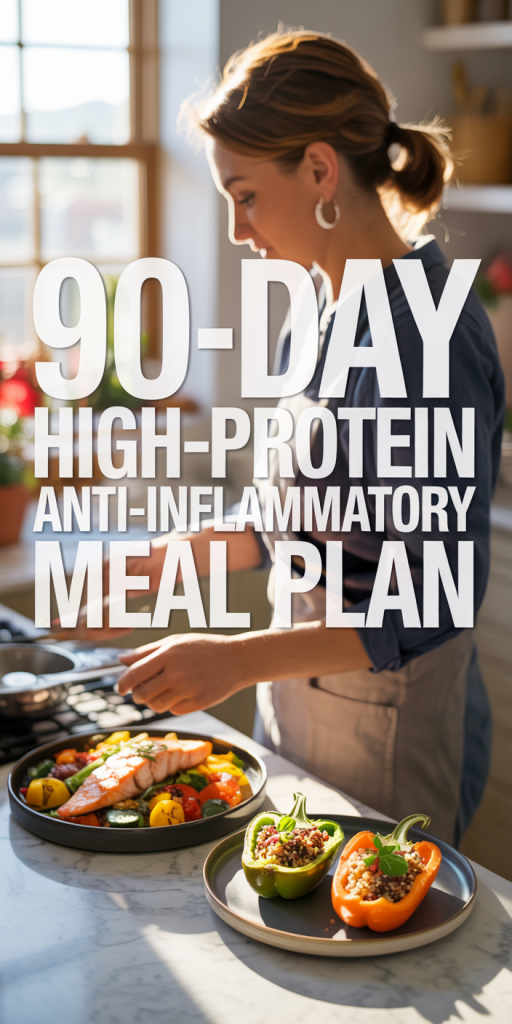
15. Turkey and Quinoa Stuffed Peppers
Ingredients: 1 lb ground turkey, 1 cup cooked quinoa, 4 bell peppers, 1 cup tomato sauce.
Instructions: Mix turkey and quinoa. Stuff into peppers. Top with sauce and bake at 375°F for 30 minutes.
16. Turkey and Avocado Breakfast Hash
Ingredients: 1/2 lb ground turkey, 1 sweet potato (diced), 1 avocado (sliced), 1 tbsp olive oil.
Instructions: Sauté sweet potato until tender. Add turkey and cook until browned. Top with avocado slices.
17. Turkey and Bok Choy Skillet
Ingredients: 1 lb ground turkey, 2 heads bok choy (chopped), 1 tbsp ginger, 1 tbsp sesame oil.
Instructions: Sauté turkey in sesame oil. Add bok choy and ginger. Cook until bok choy is wilted.
18. Turkey and Lentil Stew
Ingredients: 1 lb ground turkey, 1 cup dry lentils, 4 cups vegetable broth, 1 onion, 1 tsp turmeric.
Instructions: Brown turkey. Add lentils, broth, onion, and turmeric. Simmer for 30-40 minutes until lentils are soft.
19. Turkey and Walnut Meatloaf
Ingredients: 1 lb ground turkey, 1/2 cup crushed walnuts, 1 egg, 1/4 cup tomato paste, 1 tsp dried thyme.
Instructions: Mix ingredients. Bake in a loaf pan at 350°F for 45-50 minutes. Walnuts add omega-3s.
20. Turkey and Broccoli Curry
Ingredients: 1 lb ground turkey, 3 cups broccoli, 1 can coconut milk, 1 tbsp red curry paste.
Instructions: Brown turkey. Add broccoli, coconut milk, and curry paste. Simmer for 10 minutes.
21. Turkey and Apple Skillet with Sage
Ingredients: 1 lb ground turkey, 2 apples (diced), 1 tbsp fresh sage (chopped), 1 tbsp olive oil.
Instructions: Sauté apples in oil. Add turkey and sage. Cook until turkey is browned. Apples provide quercetin.
21 Anti-Inflammatory Salmon Recipes
Salmon is perhaps the most celebrated anti-inflammatory protein due to its exceptionally high content of omega-3 fatty acids (EPA and DHA). These healthy fats are scientifically proven to reduce the production of substances that cause inflammation. When combined with antioxidant-rich herbs, spices, and vegetables, salmon becomes a powerful tool for health.
1. Turmeric-Ginger Roasted Salmon
Inspired by traditional Vietnamese flavors, this dish combines the anti-inflammatory power of turmeric and ginger with heart-healthy salmon.
Ingredients:
- 4 salmon fillets (6 oz each)
- 1 tbsp fresh ginger, grated
- 1 tsp ground turmeric
- 2 cloves garlic, minced
- 1 tbsp honey or maple syrup
- Juice of 1 lime
- 1 tbsp olive oil
- Fresh cilantro for garnish
Instructions:
- Preheat oven to 400°F.
- In a small bowl, whisk together ginger, turmeric, garlic, honey, lime juice, and olive oil.
- Place salmon fillets on a parchment-lined baking sheet.
- Brush the marinade generously over the salmon.
- Roast for 12-15 minutes until the salmon flakes easily with a fork.
- Garnish with cilantro before serving.
2. Garlic Butter Roasted Salmon with Beets and Broccoli
Beets and broccoli provide a double dose of antioxidants to complement the omega-3s in the salmon.
Ingredients:
- 1 lb salmon fillet
- 2 medium beets, peeled and sliced into wedges
- 2 cups broccoli florets
- 2 tbsp grass-fed butter or ghee, melted
- 3 cloves garlic, minced
- 1 tbsp fresh dill, chopped
Instructions:
- Preheat oven to 400°F.
- Toss beets with olive oil and roast for 15 minutes.
- Add broccoli and salmon to the sheet pan.
- Mix melted butter with garlic and pour over the salmon and vegetables.
- Roast for another 12-15 minutes.
- Sprinkle with fresh dill.
3. Mediterranean Baked Salmon with Herbs and Olives
This dish is rich in monounsaturated fats from olive oil and polyphenols from olives.
Ingredients:
- 1.5 lbs salmon side or fillets
- 1/2 cup Kalamata olives, pitted
- 1 cup cherry tomatoes
- 1 lemon, sliced
- 2 tbsp olive oil
- 1 tsp dried oregano
- 1/4 cup fresh parsley, chopped
Instructions:
- Preheat oven to 375°F.
- Place salmon in a baking dish. Surround with olives, tomatoes, and lemon slices.
- Drizzle with olive oil and sprinkle with oregano, salt, and pepper.
- Bake for 15-20 minutes.
- Garnish with fresh parsley.
4. Honey-Mustard Herbed Salmon
A classic recipe that uses Dijon mustard and fresh herbs for a flavorful, anti-inflammatory boost.
Ingredients:
- 4 salmon fillets
- 2 tbsp Dijon mustard
- 1 tbsp honey
- 1 tbsp fresh rosemary, chopped
- 1 tbsp fresh thyme, chopped
- 1 tbsp olive oil
Instructions:
- Whisk together mustard, honey, herbs, and oil.
- Spread the mixture over the salmon fillets.
- Bake at 400°F for 12-15 minutes.
5. Pan-Seared Turmeric Salmon with Cumin
A spice-forward dish that highlights the peppery notes of turmeric.
Ingredients:
- 1 lb salmon fillets
- 1/2 tsp turmeric
- 1/2 tsp cumin
- 1/2 tsp ginger powder
- 1 tbsp olive oil
Instructions:
- Rub the spices onto the salmon fillets.
- Heat olive oil in a skillet over medium-high heat.
- Sear salmon for 4-5 minutes per side until golden and cooked through.
6. Salmon and Avocado Salad with Lime Dressing
Avocados provide additional healthy fats and vitamin E, which are great for reducing inflammation.
Ingredients:
- 2 cups cooked salmon, flaked
- 1 large avocado, diced
- 4 cups mixed greens
- 1/4 cup red onion, thinly sliced
- Dressing: 2 tbsp olive oil, 1 tbsp lime juice, 1 tsp honey.
Instructions:
- Toss greens, avocado, and onion in a large bowl.
- Top with flaked salmon.
- Drizzle with the lime dressing.
7. Salmon Foil Packets with Asparagus and Lemon
Ingredients: 4 salmon fillets, 1 bunch asparagus, 4 lemon slices, 2 tbsp olive oil, 2 cloves garlic.
Instructions: Place salmon and asparagus on foil. Top with garlic, oil, and lemon. Seal and bake at 400°F for 15 minutes.
8. Soy-Ginger Glazed Salmon with Bok Choy
Ingredients: 1 lb salmon, 2 heads bok choy, 2 tbsp coconut aminos, 1 tbsp fresh ginger, 1 tsp sesame oil.
Instructions: Roast salmon and bok choy with the glaze at 400°F for 12 minutes.
9. Salmon and Sweet Potato Power Bowls
Ingredients: 1 lb roasted salmon, 2 cups roasted sweet potatoes, 2 cups kale, 1/4 cup pumpkin seeds.
Instructions: Assemble bowls with salmon, potatoes, and kale. Drizzle with olive oil and lemon.
10. Pesto-Crusted Salmon
Ingredients: 1 lb salmon, 1/4 cup basil pesto (made with olive oil and walnuts), 1/4 cup almond meal.
Instructions: Spread pesto on salmon, sprinkle with almond meal. Bake at 400°F for 15 minutes.
11. Moroccan Spiced Salmon with Quinoa
Ingredients: 1 lb salmon, 1 tsp cumin, 1 tsp coriander, 1/2 tsp cinnamon, 2 cups cooked quinoa.
Instructions: Rub salmon with spices and sear. Serve over quinoa with fresh mint.
12. Salmon and Spinach Curry
Ingredients: 1 lb salmon (cubed), 1 can coconut milk, 4 cups spinach, 1 tbsp red curry paste, 1 tsp turmeric.
Instructions: Simmer coconut milk and curry paste. Add salmon and cook for 5 minutes. Stir in spinach and turmeric.
13. Baked Salmon with Fennel and Orange
Ingredients: 1 lb salmon, 1 fennel bulb (sliced), 1 orange (sliced), 2 tbsp olive oil.
Instructions: Roast fennel and orange slices with salmon at 375°F for 20 minutes.
14. Salmon Burgers with Ginger and Scallions
Ingredients: 1 lb salmon (finely chopped), 2 scallions, 1 tbsp ginger, 1 egg, 1/4 cup almond flour.
Instructions: Mix ingredients, form into patties, and pan-fry in olive oil until cooked through.
15. Salmon and Blueberry Salad
Ingredients: 2 cups cooked salmon, 1 cup blueberries, 4 cups spinach, 1/4 cup walnuts, balsamic vinaigrette.
Instructions: Blueberries and walnuts add massive antioxidant and omega-3 boosts to this salad.
16. Lemon-Dill Poached Salmon
Ingredients: 1 lb salmon, 2 cups vegetable broth, 1 lemon (sliced), 4 sprigs fresh dill.
Instructions: Simmer broth with lemon and dill. Gently poach salmon for 8-10 minutes.
17. Salmon and Zucchini Noodle “Pasta”
Ingredients: 1 lb grilled salmon, 4 cups zucchini noodles, 2 tbsp olive oil, 2 cloves garlic, red pepper flakes.
Instructions: Sauté zoodles with garlic and oil. Top with flaked salmon and red pepper flakes.
18. Miso-Glazed Salmon with Steamed Broccoli
Ingredients: 1 lb salmon, 1 tbsp white miso paste, 1 tbsp honey, 1 tsp ginger, 3 cups broccoli.
Instructions: Brush miso glaze on salmon. Roast with broccoli at 400°F for 12 minutes.
19. Salmon and Kale Caesar Salad (Dairy-Free)
Ingredients: 1 lb grilled salmon, 4 cups kale, dressing: 2 tbsp tahini, 1 tbsp lemon juice, 1 tsp garlic powder.
Instructions: Massage kale with tahini dressing. Top with salmon and nutritional yeast.
20. Sheet Pan Salmon with Rainbow Carrots
Ingredients: 1 lb salmon, 1 bunch rainbow carrots, 2 tbsp olive oil, 1 tsp cumin.
Instructions: Roast carrots with oil and cumin for 15 minutes. Add salmon and roast for 12 more minutes.
21. Salmon and Walnut-Crusted Fillets
Ingredients: 4 salmon fillets, 1/2 cup crushed walnuts, 1 tbsp Dijon mustard, 1 tbsp honey.
Instructions: Brush salmon with mustard and honey. Press walnuts onto the top. Bake at 375°F for 15 minutes.
21 Anti-Inflammatory Shrimp Recipes
Shrimp is a low-calorie, high-protein seafood that provides essential nutrients like selenium and astaxanthin. Astaxanthin is a powerful antioxidant that gives shrimp its pink color and has been shown to reduce inflammation and oxidative stress. When prepared with anti-inflammatory aromatics and healthy fats, shrimp becomes a centerpiece for a healing diet.
1. Turmeric and Ginger Coconut Shrimp
This recipe combines the healing properties of turmeric and ginger with the healthy fats of coconut oil.
Ingredients:
- 1 lb large shrimp, peeled and deveined
- 1 tbsp coconut oil
- 1 tsp ground turmeric
- 1 tbsp fresh ginger, grated
- 2 cloves garlic, minced
- Juice of 1 lime
- 1/2 tsp cumin
- Fresh cilantro for garnish
Instructions:
- In a bowl, toss shrimp with turmeric, ginger, garlic, cumin, and lime juice. Marinate for 15 minutes.
- Heat coconut oil in a large skillet over medium-high heat.
- Add shrimp and sauté for 2-3 minutes per side until pink and opaque.
- Garnish with fresh cilantro and serve.
2. Mediterranean Shrimp with Artichokes and Feta
A one-pan meal rich in fiber and healthy fats, inspired by the Mediterranean diet.
Ingredients:
- 1 lb shrimp
- 1 can (14 oz) artichoke hearts, drained and halved
- 1 cup cherry tomatoes
- 1/4 cup Kalamata olives
- 2 tbsp olive oil
- 1 tsp dried oregano
- 2 tbsp crumbled feta cheese (optional)
Instructions:
- Preheat oven to 400°F.
- On a sheet pan, toss shrimp, artichokes, tomatoes, and olives with olive oil and oregano.
- Bake for 10-12 minutes until shrimp are cooked through.
- Sprinkle with feta cheese before serving.
3. Honey Turmeric-Black Pepper Shrimp
Black pepper contains piperine, which significantly increases the absorption of curcumin from turmeric.
Ingredients:
- 1 lb shrimp
- 1 tbsp honey
- 1 tsp ground turmeric
- 1/2 tsp freshly ground black pepper
- 1 tbsp olive oil
- 1 tbsp coconut aminos
Instructions:
- Whisk together honey, turmeric, black pepper, and coconut aminos.
- Heat olive oil in a skillet.
- Add shrimp and cook for 2 minutes.
- Pour the sauce over the shrimp and cook for another 2 minutes until glazed and pink.
4. Sizzling Lemon Garlic Shrimp with Leeks
Leeks are part of the allium family and contain anti-inflammatory sulfur compounds.
Ingredients:
- 1 lb shrimp
- 2 leeks, white and light green parts only, sliced
- 3 cloves garlic, minced
- 2 tbsp olive oil
- Juice and zest of 1 lemon
- Fresh parsley, chopped
Instructions:
- Sauté leeks in olive oil until soft.
- Add garlic and shrimp. Cook for 3-4 minutes.
- Stir in lemon juice and zest.
- Garnish with parsley.
5. Shrimp and Bok Choy Stir-Fry
Bok choy provides a crunchy, anti-inflammatory base for this quick stir-fry.
Ingredients:
- 1 lb shrimp
- 3 cups bok choy, chopped
- 1 tbsp fresh ginger, minced
- 2 tbsp coconut aminos
- 1 tsp sesame oil
Instructions:
- Heat sesame oil in a wok or skillet.
- Add shrimp and ginger. Sauté for 2 minutes.
- Add bok choy and coconut aminos. Cook until bok choy is tender-crisp.
6. Shrimp and Avocado Ceviche-Style Salad
Raw or lightly poached shrimp with avocado and lime for a refreshing, nutrient-dense meal.
Ingredients:
- 1 lb cooked shrimp, chilled
- 2 avocados, diced
- 1 cup cucumber, diced
- 1/4 cup red onion, minced
- Juice of 3 limes
- 1 tbsp olive oil
Instructions:
- Combine all ingredients in a large bowl.
- Toss gently to coat with lime juice and oil.
- Let sit for 10 minutes before serving to allow flavors to meld.
7. Shrimp Foil Packets with Zucchini and Corn
Ingredients: 1 lb shrimp, 2 zucchinis (sliced), 1 cup corn, 2 tbsp olive oil, 1 tsp paprika.
Instructions: Place ingredients on foil. Seal and grill or bake at 400°F for 12 minutes.
8. Garlic Shrimp with Bell Peppers and Tomatoes
Ingredients: 1 lb shrimp, 2 bell peppers (sliced), 1 cup cherry tomatoes, 3 cloves garlic, 2 tbsp olive oil.
Instructions: Sauté veggies in oil until soft. Add shrimp and garlic. Cook until shrimp are pink.
9. Shrimp and Quinoa Power Bowls
Ingredients: 1 lb grilled shrimp, 2 cups cooked quinoa, 2 cups spinach, 1/4 cup sunflower seeds.
Instructions: Assemble bowls with quinoa, spinach, and shrimp. Drizzle with olive oil and lemon.
10. Pesto Shrimp with Zucchini Noodles
Ingredients: 1 lb shrimp, 4 cups zucchini noodles, 1/4 cup basil pesto (olive oil based).
Instructions: Sauté shrimp. Add zoodles and pesto. Toss until warmed through.
11. Moroccan Spiced Shrimp Skewers
Ingredients: 1 lb shrimp, 1 tsp cumin, 1 tsp coriander, 1/2 tsp cinnamon, 1/2 tsp turmeric.
Instructions: Rub shrimp with spices and olive oil. Grill on skewers for 2-3 minutes per side.
12. Shrimp and Asparagus with Lemon Caper Sauce
Ingredients: 1 lb shrimp, 1 bunch asparagus, 1 tbsp capers, 2 tbsp lemon juice, 1 tbsp olive oil.
Instructions: Sauté asparagus and shrimp. Stir in capers and lemon juice at the end.
13. Shrimp and Broccoli with Ginger and Garlic
Ingredients: 1 lb shrimp, 3 cups broccoli, 1 tbsp ginger, 2 cloves garlic, 2 tbsp coconut aminos.
Instructions: Stir-fry shrimp and broccoli with aromatics and coconut aminos until tender.
14. Baked Shrimp with Fennel and Orange
Ingredients: 1 lb shrimp, 1 fennel bulb (sliced), 1 orange (sliced), 2 tbsp olive oil.
Instructions: Roast fennel and orange for 10 minutes. Add shrimp and roast for 8 more minutes.
15. Shrimp and Kale Salad with Tahini Dressing
Ingredients: 1 lb cooked shrimp, 4 cups kale, 2 tbsp tahini, 1 tbsp lemon juice.
Instructions: Massage kale with tahini dressing. Top with shrimp and toasted sesame seeds.
16. Cilantro Lime Shrimp Tacos (Lettuce Wraps)
Ingredients: 1 lb shrimp, 1/2 cup cilantro, juice of 2 limes, butter lettuce leaves.
Instructions: Sauté shrimp with cilantro and lime. Serve in lettuce leaves with avocado.
17. Shrimp and Cauliflower Rice “Paella”
Ingredients: 1 lb shrimp, 4 cups cauliflower rice, 1/2 tsp saffron, 1 tsp paprika, 1/2 cup peas.
Instructions: Sauté cauliflower rice with spices. Add shrimp and peas. Cook until shrimp are done.
18. Shrimp and Walnut Stir-Fry
Ingredients: 1 lb shrimp, 1/2 cup walnuts, 2 cups snap peas, 1 tbsp ginger, 2 tbsp coconut aminos.
Instructions: Stir-fry shrimp, peas, and walnuts. Walnuts add omega-3s and crunch.
19. Spicy Shrimp and Cabbage Slaw
Ingredients: 1 lb grilled shrimp, 4 cups shredded cabbage, 1 tbsp apple cider vinegar, 1 tsp chili flakes.
Instructions: Toss cabbage with vinegar and chili. Top with warm shrimp.
20. Shrimp and Sweet Potato Curry
Ingredients: 1 lb shrimp, 1 sweet potato (cubed), 1 can coconut milk, 1 tbsp curry powder.
Instructions: Simmer sweet potato in coconut milk and curry. Add shrimp at the end for 3 minutes.
21. Lemon Herb Shrimp with Roasted Root Vegetables
Ingredients: 1 lb shrimp, 2 carrots (sliced), 1 parsnip (sliced), 2 tbsp olive oil, 1 tbsp fresh thyme.
Instructions: Roast carrots and parsnips for 20 minutes. Add shrimp and roast for 8 more minutes.
Shrimp is a low-calorie, high-protein seafood that provides essential nutrients like selenium and astaxanthin. Astaxanthin is a powerful antioxidant that gives shrimp its pink color and has been shown to reduce inflammation and oxidative stress. When prepared with anti-inflammatory aromatics and healthy fats, shrimp becomes a centerpiece for a healing diet.
1. Turmeric and Ginger Coconut Shrimp
This recipe combines the healing properties of turmeric and ginger with the healthy fats of coconut oil.
Ingredients:
- 1 lb large shrimp, peeled and deveined
- 1 tbsp coconut oil
- 1 tsp ground turmeric
- 1 tbsp fresh ginger, grated
- 2 cloves garlic, minced
- Juice of 1 lime
- 1/2 tsp cumin
- Fresh cilantro for garnish
Instructions:
- In a bowl, toss shrimp with turmeric, ginger, garlic, cumin, and lime juice. Marinate for 15 minutes.
- Heat coconut oil in a large skillet over medium-high heat.
- Add shrimp and sauté for 2-3 minutes per side until pink and opaque.
- Garnish with fresh cilantro and serve.
2. Mediterranean Shrimp with Artichokes and Feta
A one-pan meal rich in fiber and healthy fats, inspired by the Mediterranean diet.
Ingredients:
- 1 lb shrimp
- 1 can (14 oz) artichoke hearts, drained and halved
- 1 cup cherry tomatoes
- 1/4 cup Kalamata olives
- 2 tbsp olive oil
- 1 tsp dried oregano
- 2 tbsp crumbled feta cheese (optional)
Instructions:
- Preheat oven to 400°F.
- On a sheet pan, toss shrimp, artichokes, tomatoes, and olives with olive oil and oregano.
- Bake for 10-12 minutes until shrimp are cooked through.
- Sprinkle with feta cheese before serving.
3. Honey Turmeric-Black Pepper Shrimp
Black pepper contains piperine, which significantly increases the absorption of curcumin from turmeric.
Ingredients:
- 1 lb shrimp
- 1 tbsp honey
- 1 tsp ground turmeric
- 1/2 tsp freshly ground black pepper
- 1 tbsp olive oil
- 1 tbsp coconut aminos
Instructions:
- Whisk together honey, turmeric, black pepper, and coconut aminos.
- Heat olive oil in a skillet.
- Add shrimp and cook for 2 minutes.
- Pour the sauce over the shrimp and cook for another 2 minutes until glazed and pink.
4. Sizzling Lemon Garlic Shrimp with Leeks
Leeks are part of the allium family and contain anti-inflammatory sulfur compounds.
Ingredients:
- 1 lb shrimp
- 2 leeks, white and light green parts only, sliced
- 3 cloves garlic, minced
- 2 tbsp olive oil
- Juice and zest of 1 lemon
- Fresh parsley, chopped
Instructions:
- Sauté leeks in olive oil until soft.
- Add garlic and shrimp. Cook for 3-4 minutes.
- Stir in lemon juice and zest.
- Garnish with parsley.
5. Shrimp and Bok Choy Stir-Fry
Bok choy provides a crunchy, anti-inflammatory base for this quick stir-fry.
Ingredients:
- 1 lb shrimp
- 3 cups bok choy, chopped
- 1 tbsp fresh ginger, minced
- 2 tbsp coconut aminos
- 1 tsp sesame oil
Instructions:
- Heat sesame oil in a wok or skillet.
- Add shrimp and ginger. Sauté for 2 minutes.
- Add bok choy and coconut aminos. Cook until bok choy is tender-crisp.
6. Shrimp and Avocado Ceviche-Style Salad
Raw or lightly poached shrimp with avocado and lime for a refreshing, nutrient-dense meal.
Ingredients:
- 1 lb cooked shrimp, chilled
- 2 avocados, diced
- 1 cup cucumber, diced
- 1/4 cup red onion, minced
- Juice of 3 limes
- 1 tbsp olive oil
Instructions:
- Combine all ingredients in a large bowl.
- Toss gently to coat with lime juice and oil.
- Let sit for 10 minutes before serving to allow flavors to meld.
7. Shrimp Foil Packets with Zucchini and Corn
Ingredients: 1 lb shrimp, 2 zucchinis (sliced), 1 cup corn, 2 tbsp olive oil, 1 tsp paprika.
Instructions: Place ingredients on foil. Seal and grill or bake at 400°F for 12 minutes.
8. Garlic Shrimp with Bell Peppers and Tomatoes
Ingredients: 1 lb shrimp, 2 bell peppers (sliced), 1 cup cherry tomatoes, 3 cloves garlic, 2 tbsp olive oil.
Instructions: Sauté veggies in oil until soft. Add shrimp and garlic. Cook until shrimp are pink.
9. Shrimp and Quinoa Power Bowls
Ingredients: 1 lb grilled shrimp, 2 cups cooked quinoa, 2 cups spinach, 1/4 cup sunflower seeds.
Instructions: Assemble bowls with quinoa, spinach, and shrimp. Drizzle with olive oil and lemon.
10. Pesto Shrimp with Zucchini Noodles
Ingredients: 1 lb shrimp, 4 cups zucchini noodles, 1/4 cup basil pesto (olive oil based).
Instructions: Sauté shrimp. Add zoodles and pesto. Toss until warmed through.
11. Moroccan Spiced Shrimp Skewers
Ingredients: 1 lb shrimp, 1 tsp cumin, 1 tsp coriander, 1/2 tsp cinnamon, 1/2 tsp turmeric.
Instructions: Rub shrimp with spices and olive oil. Grill on skewers for 2-3 minutes per side.
12. Shrimp and Asparagus with Lemon Caper Sauce
Ingredients: 1 lb shrimp, 1 bunch asparagus, 1 tbsp capers, 2 tbsp lemon juice, 1 tbsp olive oil.
Instructions: Sauté asparagus and shrimp. Stir in capers and lemon juice at the end.
13. Shrimp and Broccoli with Ginger and Garlic
Ingredients: 1 lb shrimp, 3 cups broccoli, 1 tbsp ginger, 2 cloves garlic, 2 tbsp coconut aminos.
Instructions: Stir-fry shrimp and broccoli with aromatics and coconut aminos until tender.
14. Baked Shrimp with Fennel and Orange
Ingredients: 1 lb shrimp, 1 fennel bulb (sliced), 1 orange (sliced), 2 tbsp olive oil.
Instructions: Roast fennel and orange for 10 minutes. Add shrimp and roast for 8 more minutes.
15. Shrimp and Kale Salad with Tahini Dressing
Ingredients: 1 lb cooked shrimp, 4 cups kale, 2 tbsp tahini, 1 tbsp lemon juice.
Instructions: Massage kale with tahini dressing. Top with shrimp and toasted sesame seeds.
16. Cilantro Lime Shrimp Tacos (Lettuce Wraps)
Ingredients: 1 lb shrimp, 1/2 cup cilantro, juice of 2 limes, butter lettuce leaves.
Instructions: Sauté shrimp with cilantro and lime. Serve in lettuce leaves with avocado.
17. Shrimp and Cauliflower Rice “Paella”
Ingredients: 1 lb shrimp, 4 cups cauliflower rice, 1/2 tsp saffron, 1 tsp paprika, 1/2 cup peas.
Instructions: Sauté cauliflower rice with spices. Add shrimp and peas. Cook until shrimp are done.
18. Shrimp and Walnut Stir-Fry
Ingredients: 1 lb shrimp, 1/2 cup walnuts, 2 cups snap peas, 1 tbsp ginger, 2 tbsp coconut aminos.
Instructions: Stir-fry shrimp, peas, and walnuts. Walnuts add omega-3s and crunch.
19. Spicy Shrimp and Cabbage Slaw
Ingredients: 1 lb grilled shrimp, 4 cups shredded cabbage, 1 tbsp apple cider vinegar, 1 tsp chili flakes.
Instructions: Toss cabbage with vinegar and chili. Top with warm shrimp.
20. Shrimp and Sweet Potato Curry
Ingredients: 1 lb shrimp, 1 sweet potato (cubed), 1 can coconut milk, 1 tbsp curry powder.
Instructions: Simmer sweet potato in coconut milk and curry. Add shrimp at the end for 3 minutes.
21. Lemon Herb Shrimp with Roasted Root Vegetables
Ingredients: 1 lb shrimp, 2 carrots (sliced), 1 parsnip (sliced), 2 tbsp olive oil, 1 tbsp fresh thyme.
Instructions: Roast carrots and parsnips for 20 minutes. Add shrimp and roast for 8 more minutes.
30 Anti-Inflammatory Breakfast Recipes
Starting your day with an anti-inflammatory breakfast can set a positive tone for your health, helping to reduce systemic inflammation and provide sustained energy. These recipes focus on whole foods, lean proteins, healthy fats, and antioxidant-rich fruits and vegetables, often incorporating powerful spices like turmeric and ginger.
1. Turmeric Scrambled Eggs with Spinach
This quick and easy breakfast is packed with protein and anti-inflammatory compounds from turmeric and spinach.
Ingredients:
- 2 large eggs
- 1/2 tsp ground turmeric
- 1 cup fresh spinach
- 1 tbsp olive oil or coconut oil
- Salt and black pepper to taste
Instructions:
- Heat olive oil in a non-stick skillet over medium heat.
- Add spinach and sauté until wilted, about 1-2 minutes.
- In a bowl, whisk eggs with turmeric, salt, and pepper.
- Pour egg mixture over spinach in the skillet. Scramble until cooked to your liking.
2. Berry & Chia Seed Smoothie
Berries are rich in antioxidants, and chia seeds provide omega-3 fatty acids and fiber, making this a powerful anti-inflammatory start.
Ingredients:
- 1 cup mixed berries (fresh or frozen)
- 1 tbsp chia seeds
- 1/2 cup unsweetened almond milk (or other plant-based milk)
- 1/2 banana (optional, for sweetness)
- 1 scoop collagen or plant-based protein powder (optional)
Instructions:
- Combine all ingredients in a blender.
- Blend until smooth. Add more liquid if needed to reach desired consistency.
3. Overnight Oats with Walnuts & Cinnamon
Oats are a great source of soluble fiber, and walnuts provide omega-3s. Cinnamon adds a touch of sweetness and anti-inflammatory benefits.
Ingredients:
- 1/2 cup rolled oats
- 1 tbsp chia seeds
- 1/2 cup unsweetened almond milk
- 1/4 cup plain Greek yogurt (optional, for extra protein)
- 1/4 cup walnuts, chopped
- 1/2 tsp cinnamon
- 1/2 cup berries for topping
Instructions:
- In a jar or container, combine oats, chia seeds, almond milk, and Greek yogurt (if using).
- Stir well, cover, and refrigerate overnight.
- In the morning, stir in cinnamon and top with walnuts and berries.
4. Avocado Toast with Smoked Salmon & Everything Bagel Seasoning
Healthy fats from avocado and omega-3s from salmon make this a satisfying and anti-inflammatory meal.
Ingredients:
- 1 slice whole-grain or gluten-free toast
- 1/2 avocado, mashed
- 2 oz smoked salmon
- Everything bagel seasoning to taste
- Red pepper flakes (optional)
Instructions:
- Toast bread to your preference.
- Spread mashed avocado evenly over the toast.
- Top with smoked salmon and sprinkle with everything bagel seasoning and red pepper flakes.
5. Sweet Potato & Kale Hash with Poached Egg
Sweet potatoes and kale are nutrient powerhouses, and a poached egg adds lean protein.
Ingredients:
- 1 medium sweet potato, diced
- 1 cup chopped kale
- 1 tbsp olive oil
- 1 clove garlic, minced
- 1 large egg
- Salt and pepper to taste
Instructions:
- Heat olive oil in a skillet over medium heat. Add diced sweet potato and cook until tender, about 8-10 minutes.
- Add minced garlic and kale, cook until kale is wilted.
- While hash is cooking, poach an egg to your liking.
- Serve hash topped with the poached egg, salt, and pepper.
6. Green Smoothie Bowl with Hemp Seeds
Load up on greens and healthy fats with this vibrant smoothie bowl, topped with anti-inflammatory hemp seeds.
Ingredients:
- 1 cup spinach
- 1/2 cup unsweetened almond milk
- 1/2 frozen banana
- 1/4 avocado
- 1 tbsp hemp seeds
- Toppings: berries, sliced almonds, coconut flakes
Instructions:
- Blend spinach, almond milk, frozen banana, and avocado until smooth and thick.
- Pour into a bowl and top with hemp seeds, berries, sliced almonds, and coconut flakes.
7. Quinoa Porridge with Apple & Pecans
Quinoa is a complete protein and gluten-free grain. Apples provide fiber and pecans offer healthy fats.
Ingredients:
- 1/2 cup cooked quinoa
- 1/2 cup unsweetened almond milk
- 1/2 apple, diced
- 1/4 cup pecans, chopped
- 1/2 tsp cinnamon
- Drizzle of maple syrup (optional)
Instructions:
- In a small saucepan, combine cooked quinoa, almond milk, diced apple, and cinnamon.
- Heat over medium-low heat, stirring occasionally, until warmed through and slightly thickened.
- Serve topped with chopped pecans and a drizzle of maple syrup if desired.
8. Cottage Cheese with Pineapple & Flax Seeds
Cottage cheese provides protein, and pineapple contains bromelain, an enzyme with anti-inflammatory properties. Flax seeds add omega-3s.
Ingredients:
- 1 cup cottage cheese (full-fat, if tolerated)
- 1/2 cup fresh pineapple, diced
- 1 tbsp ground flax seeds
Instructions:
- Combine cottage cheese and diced pineapple in a bowl.
- Sprinkle with ground flax seeds.
9. Chia Seed Pudding with Mango & Coconut
A tropical twist on chia pudding, with the added anti-inflammatory benefits of mango.
Ingredients:
- 2 tbsp chia seeds
- 1/2 cup unsweetened coconut milk
- 1/2 cup diced mango
- 1/4 tsp vanilla extract
- Shredded coconut for topping
Instructions:
- In a jar or container, combine chia seeds, coconut milk, diced mango, and vanilla extract.
- Stir well, cover, and refrigerate for at least 4 hours or overnight until thickened.
- Top with shredded coconut before serving.
10. Vegetable Frittata Muffins
Perfect for meal prep, these frittata muffins are packed with vegetables and protein.
Ingredients:
- 6 large eggs
- 1/4 cup unsweetened almond milk
- 1/2 cup chopped bell peppers
- 1/2 cup chopped zucchini
- 1/4 cup chopped onion
- 1 tbsp olive oil
- Salt and pepper to taste
Instructions:
- Preheat oven to 350°F (175°C). Grease a 6-cup muffin tin.
- Heat olive oil in a skillet. Sauté bell peppers, zucchini, and onion until softened.
- In a bowl, whisk eggs with almond milk, salt, and pepper.
- Divide sautéed vegetables among muffin cups. Pour egg mixture over vegetables.
- Bake for 18-20 minutes, or until set and lightly golden.
11. Salmon & Dill Scramble
Ingredients: 2 eggs, 2 oz cooked salmon (flaked), 1 tbsp fresh dill, 1 tbsp olive oil.
Instructions: Sauté salmon and dill in olive oil. Add whisked eggs and scramble until cooked.
12. Almond Butter & Banana Toast with Hemp Seeds
Ingredients: 1 slice whole-grain toast, 2 tbsp almond butter, 1/2 banana (sliced), 1 tbsp hemp seeds.
Instructions: Spread almond butter on toast, top with banana slices and hemp seeds.
13. Spinach & Feta Egg Muffins
Ingredients: 6 eggs, 1 cup spinach, 1/4 cup crumbled feta, 1/4 cup almond milk.
Instructions: Whisk eggs, milk, salt, pepper. Stir in spinach and feta. Bake in greased muffin tins at 350°F for 18-20 min.
14. Gluten-Free Waffles with Berries & Maple Syrup
Ingredients: Gluten-free waffle mix, mixed berries, pure maple syrup.
Instructions: Prepare waffles according to package directions. Top with berries and maple syrup.
15. Turmeric Latte (Golden Milk) with Collagen
Ingredients: 1 cup unsweetened almond milk, 1 tsp turmeric, 1/2 tsp ginger, pinch black pepper, 1 tsp honey, 1 scoop collagen.
Instructions: Heat milk and spices. Whisk in honey and collagen until dissolved.
16. Breakfast Burrito Bowl (no tortilla)
Ingredients: 1/2 cup cooked quinoa, 1/2 cup black beans, 1/4 avocado, salsa, 1 fried egg.
Instructions: Layer quinoa, beans, avocado, and salsa. Top with a fried egg.
17. Apple & Cinnamon Oatmeal
Ingredients: 1/2 cup rolled oats, 1 cup water/almond milk, 1/2 apple (diced), 1 tsp cinnamon.
Instructions: Cook oats with liquid, add apple and cinnamon. Simmer until tender.
18. Greek Yogurt with Pomegranate & Pistachios
Ingredients: 1 cup plain Greek yogurt, 1/4 cup pomegranate seeds, 1 tbsp pistachios (chopped).
Instructions: Combine yogurt, pomegranate, and pistachios.
19. Broccoli & Cheddar Egg Bites
Ingredients: 6 eggs, 1 cup chopped broccoli (steamed), 1/4 cup shredded cheddar (optional).
Instructions: Whisk eggs, salt, pepper. Stir in broccoli and cheese. Bake in greased muffin tins at 350°F for 18-20 min.
20. Banana & Flax Seed Pancakes (Gluten-Free)
Ingredients: Gluten-free pancake mix, 1 banana (mashed), 1 tbsp ground flax seeds.
Instructions: Prepare pancakes according to package, adding mashed banana and flax seeds to batter.
21. Ginger & Pear Smoothie
Ingredients: 1 pear, 1 inch fresh ginger, 1 cup spinach, 1/2 cup almond milk.
Instructions: Blend all ingredients until smooth.
22. Hummus & Cucumber Toast
Ingredients: 1 slice whole-grain toast, 2 tbsp hummus, 1/4 cup sliced cucumber, everything bagel seasoning.
Instructions: Spread hummus on toast, top with cucumber and seasoning.
23. Egg & Avocado Breakfast Sandwich (on lettuce wraps)
Ingredients: 2 lettuce leaves, 1 fried egg, 1/4 avocado (sliced), 1 slice tomato.
Instructions: Layer egg, avocado, and tomato between lettuce leaves.
24. Blueberry & Lemon Ricotta Toast
Ingredients: 1 slice whole-grain toast, 1/4 cup ricotta cheese, 1/4 cup blueberries, lemon zest.
Instructions: Spread ricotta on toast, top with blueberries and lemon zest.
25. Spiced Apple & Nut Butter Bowl
Ingredients: 1 apple (sliced), 2 tbsp almond butter, 1/2 tsp cinnamon, pinch nutmeg.
Instructions: Top apple slices with almond butter, cinnamon, and nutmeg.
26. Savory Oatmeal with Mushrooms & Thyme
Ingredients: 1/2 cup rolled oats, 1 cup vegetable broth, 1/2 cup sliced mushrooms, 1 tsp fresh thyme.
Instructions: Cook oats in broth. Sauté mushrooms and thyme. Top oatmeal with mushrooms.
27. Raspberry & Coconut Chia Pudding
Ingredients: 2 tbsp chia seeds, 1/2 cup coconut milk, 1/2 cup raspberries, shredded coconut.
Instructions: Combine chia seeds, milk, raspberries. Refrigerate overnight. Top with coconut.
28. Turkey Sausage & Bell Pepper Scramble
Ingredients: 2 eggs, 2 oz cooked turkey sausage (crumbled), 1/4 cup diced bell peppers, 1 tbsp olive oil.
Instructions: Sauté sausage and peppers. Add whisked eggs and scramble.
29. Fig & Walnut Oatmeal
Ingredients: 1/2 cup rolled oats, 1 cup water/almond milk, 2 dried figs (chopped), 1/4 cup walnuts.
Instructions: Cook oats with liquid. Stir in figs and walnuts.
30. Beet & Ginger Smoothie
Ingredients: 1/2 cooked beet, 1 inch fresh ginger, 1/2 cup mixed berries, 1/2 cup almond milk.
Instructions: Blend all ingredients until smooth.
30 Anti-Inflammatory Lunch Recipes
Fueling your midday with anti-inflammatory meals is crucial for maintaining energy levels, supporting cognitive function, and continuing to combat chronic inflammation. These lunch recipes are designed to be delicious, satisfying, and easy to prepare, often suitable for meal prepping or quick assembly.
1. Quinoa Salad with Roasted Vegetables & Chickpeas
This vibrant salad is packed with fiber, plant-based protein, and a rainbow of anti-inflammatory vegetables.
Ingredients:
- 1 cup cooked quinoa
- 1 cup roasted mixed vegetables (bell peppers, zucchini, red onion)
- 1/2 cup chickpeas, rinsed and drained
- 2 tbsp olive oil
- Juice of 1 lemon
- Fresh parsley, chopped
- Salt and pepper to taste
Instructions:
- Preheat oven to 400°F (200°C). Toss chopped vegetables with 1 tbsp olive oil, salt, and pepper. Roast for 20-25 minutes until tender-crisp.
- In a large bowl, combine cooked quinoa, roasted vegetables, and chickpeas.
- Whisk together remaining 1 tbsp olive oil, lemon juice, salt, and pepper for the dressing. Pour over the salad and toss to combine.
- Garnish with fresh parsley.
2. Avocado Tuna Salad Lettuce Wraps
A lighter, healthier take on tuna salad, using avocado for creaminess and serving it in crisp lettuce cups.
Ingredients:
- 1 can (5 oz) tuna in olive oil, drained
- 1/2 avocado, mashed
- 1/4 cup finely diced celery
- 1 tbsp lemon juice
- Salt and pepper to taste
- Large lettuce leaves (butter or romaine) for wraps
Instructions:
- In a bowl, combine tuna, mashed avocado, diced celery, lemon juice, salt, and pepper. Mix well.
- Spoon the tuna salad into lettuce leaves.
3. Lentil Soup with Turmeric & Ginger
A hearty and warming soup, rich in fiber and anti-inflammatory spices.
Ingredients:
- 1 tbsp olive oil
- 1 onion, chopped
- 2 carrots, diced
- 2 celery stalks, diced
- 1 cup brown or green lentils, rinsed
- 4 cups vegetable broth
- 1 tsp ground turmeric
- 1/2 tsp ground ginger
- Salt and pepper to taste
Instructions:
- Heat olive oil in a large pot over medium heat. Add onion, carrots, and celery. Sauté until softened, about 5-7 minutes.
- Stir in lentils, vegetable broth, turmeric, and ginger. Bring to a boil, then reduce heat, cover, and simmer for 25-30 minutes, or until lentils are tender.
- Season with salt and pepper.
4. Chicken & Veggie Skewers with Hummus
Lean protein and colorful vegetables, grilled or baked, served with a side of anti-inflammatory hummus.
Ingredients:
- 1 lb chicken breast, cut into 1-inch cubes
- 1 bell pepper, cut into 1-inch pieces
- 1 zucchini, cut into 1-inch pieces
- 1/2 red onion, cut into 1-inch pieces
- 2 tbsp olive oil
- 1 tsp dried oregano
- Salt and pepper to taste
- Wooden or metal skewers
- 1/2 cup hummus for serving
Instructions:
- If using wooden skewers, soak them in water for 30 minutes.
- In a bowl, toss chicken and vegetables with olive oil, oregano, salt, and pepper.
- Thread chicken and vegetables onto skewers alternately.
- Grill or bake at 400°F (200°C) for 15-20 minutes, turning occasionally, until chicken is cooked through and vegetables are tender.
- Serve with hummus.
5. Salmon Salad with Dill & Cucumber
Omega-3 rich salmon combined with refreshing cucumber and dill for a light yet satisfying lunch.
Ingredients:
- 1 can (6 oz) wild-caught salmon, drained and flaked
- 1/4 cup diced cucumber
- 2 tbsp fresh dill, chopped
- 1 tbsp olive oil mayonnaise or mashed avocado
- 1 tbsp lemon juice
- Salt and pepper to taste
- Mixed greens for serving
Instructions:
- In a bowl, combine flaked salmon, diced cucumber, chopped dill, olive oil mayonnaise (or avocado), lemon juice, salt, and pepper. Mix gently.
- Serve over a bed of mixed greens.
6. Black Bean & Corn Salad with Cilantro Lime Dressing
A vibrant and flavorful plant-based salad, rich in fiber and antioxidants.
Ingredients:
- 1 can (15 oz) black beans, rinsed and drained
- 1 cup corn (fresh, frozen, or canned)
- 1/2 red bell pepper, diced
- 1/4 red onion, finely diced
- 1/4 cup chopped cilantro
- Dressing: 2 tbsp olive oil, juice of 1 lime, 1/2 tsp cumin, salt and pepper to taste
Instructions:
- In a large bowl, combine black beans, corn, red bell pepper, red onion, and cilantro.
- In a small bowl, whisk together olive oil, lime juice, cumin, salt, and pepper. Pour over the salad and toss to combine.
- Let sit for at least 10 minutes for flavors to meld before serving.
7. Turkey & Veggie Pinwheels
Fun and easy-to-make pinwheels using whole-grain tortillas and a variety of vegetables.
Ingredients:
- 1 whole-grain tortilla or large lettuce leaf
- 2 tbsp hummus
- 2 slices lean turkey breast
- 1/4 cup shredded carrots
- 1/4 cup spinach leaves
- 1/4 red bell pepper, thinly sliced
Instructions:
- Spread hummus evenly over the tortilla or lettuce leaf.
- Layer turkey slices, shredded carrots, spinach, and bell pepper over the hummus.
- Tightly roll up the tortilla or lettuce leaf. If using a tortilla, slice into 1-inch pinwheels.
8. Sweet Potato & Black Bean Burgers (no bun)
Flavorful and fiber-rich vegetarian burgers, served bun-less with a side salad.
Ingredients:
- 1 pre-made sweet potato & black bean burger patty
- 1 tbsp olive oil
- Mixed greens for serving
- Sliced tomato and avocado for topping
Instructions:
- Heat olive oil in a skillet over medium heat. Cook burger patty according to package directions until heated through and lightly browned.
- Serve burger patty over mixed greens, topped with sliced tomato and avocado.
9. Shrimp & Avocado Salad with Mango
A refreshing and tropical salad, combining lean shrimp with healthy fats and sweet mango.
Ingredients:
- 1 cup cooked shrimp, chilled
- 1/2 avocado, diced
- 1/2 cup diced mango
- 1/4 red onion, finely diced
- 1 tbsp olive oil
- Juice of 1 lime
- Fresh cilantro, chopped
Instructions:
- In a bowl, combine cooked shrimp, diced avocado, diced mango, and red onion.
- Drizzle with olive oil and lime juice. Toss gently to combine.
- Garnish with fresh cilantro.
10. Chicken & Kale Caesar Salad (Dairy-Free)
A classic salad made anti-inflammatory with a dairy-free dressing and nutrient-dense kale.
Ingredients:
- 2 cups cooked chicken, shredded or diced
- 4 cups chopped kale
- Dressing: 2 tbsp tahini, 1 tbsp lemon juice, 1 tsp Dijon mustard, 1 clove garlic (minced), 2 tbsp water, salt and pepper to taste.
- 1/4 cup toasted pumpkin seeds
Instructions:
- In a large bowl, combine kale and chicken.
- Whisk together all dressing ingredients until smooth. Pour over the kale and chicken. Massage the dressing into the kale with your hands for a few minutes to tenderize it.
- Top with toasted pumpkin seeds.
11. Roasted Red Pepper & Tomato Soup
Ingredients: 1 red bell pepper, 2 tomatoes, 1 onion, 2 cloves garlic, 2 cups vegetable broth, 1 tbsp olive oil, basil.
Instructions: Roast veggies with oil. Blend with broth. Simmer with basil.
12. Chickpea & Veggie Sandwich (on gluten-free bread)
Ingredients: 1/2 cup mashed chickpeas, 1/4 cup diced celery, 1 tbsp vegan mayo, 2 slices gluten-free bread, lettuce, tomato.
Instructions: Mix chickpeas, celery, mayo. Spread on bread with lettuce and tomato.
13. Leftover Salmon with Quinoa & Asparagus
Ingredients: Leftover salmon, 1 cup cooked quinoa, 1 cup steamed asparagus, lemon wedge.
Instructions: Reheat salmon, serve with quinoa and asparagus. Squeeze lemon over.
14. Turkey & Avocado Wrap (whole-grain tortilla)
Ingredients: 1 whole-grain tortilla, 2 slices turkey, 1/4 avocado, spinach, sliced cucumber.
Instructions: Spread avocado on tortilla. Layer turkey, spinach, cucumber. Roll up.
15. Mediterranean Lentil Salad
Ingredients: 1 cup cooked lentils, 1/2 cup diced cucumber, 1/2 cup cherry tomatoes, 1/4 cup red onion, 2 tbsp olive oil, lemon juice.
Instructions: Combine all ingredients and toss with dressing.
16. Chicken & Apple Salad with Walnuts
Ingredients: 1 cup cooked chicken, 1/2 apple (diced), 1/4 cup walnuts, 2 tbsp olive oil mayo, lettuce cups.
Instructions: Mix chicken, apple, walnuts, mayo. Serve in lettuce cups.
17. Shrimp & White Bean Salad
Ingredients: 1 cup cooked shrimp, 1 can cannellini beans (rinsed), 1/4 cup red onion, 2 tbsp olive oil, red wine vinegar.
Instructions: Combine all ingredients and toss with oil and vinegar.
18. Ground Beef & Spinach Stuffed Bell Peppers (leftovers)
Ingredients: Leftover stuffed bell pepper from dinner.
Instructions: Reheat and enjoy.
19. Anti-Inflammatory Green Smoothie (Lunch Version)
Ingredients: 1 cup spinach, 1/2 cup almond milk, 1/2 banana, 1 scoop protein powder, 1 tbsp chia seeds.
Instructions: Blend all ingredients until smooth.
20. Quinoa & Edamame Salad
Ingredients: 1 cup cooked quinoa, 1 cup shelled edamame, 1/2 cup shredded carrots, ginger-sesame dressing.
Instructions: Combine all ingredients and toss with dressing.
21. Roasted Chicken & Sweet Potato Bowl
Ingredients: Leftover roasted chicken, 1 cup roasted sweet potato, mixed greens, balsamic vinaigrette.
Instructions: Combine ingredients in a bowl. Drizzle with vinaigrette.
22. Turkey Meatball & Zucchini Noodle Bowl
Ingredients: Leftover turkey meatballs, 2 cups zucchini noodles, marinara sauce.
Instructions: Heat meatballs and sauce. Serve over warmed zucchini noodles.
23. Salmon & Avocado Toast (on gluten-free bread)
Ingredients: 1 slice gluten-free bread, 1/2 avocado, 2 oz smoked salmon, everything bagel seasoning.
Instructions: Toast bread. Mash avocado on top. Add salmon and seasoning.
24. Shrimp & Cucumber Salad with Lemon-Dill Dressing
Ingredients: 1 cup cooked shrimp, 1 cucumber (diced), 1/4 cup fresh dill, 2 tbsp olive oil, lemon juice.
Instructions: Combine all ingredients and toss with dressing.
25. Ground Beef & Kale Stir-Fry (leftovers)
Ingredients: Leftover ground beef and kale stir-fry.
Instructions: Reheat and enjoy.
26. Chicken & Grape Salad with Almonds
Ingredients: 1 cup cooked chicken, 1/2 cup red grapes (halved), 1/4 cup sliced almonds, 2 tbsp olive oil mayo.
Instructions: Mix chicken, grapes, almonds, mayo. Serve on lettuce.
27. Mediterranean Quinoa Bowl with Feta
Ingredients: 1 cup cooked quinoa, 1/2 cup cherry tomatoes, 1/4 cup cucumber, 1/4 cup olives, 2 tbsp feta, lemon-oregano dressing.
Instructions: Combine all ingredients and toss with dressing.
28. Turkey & Cranberry Lettuce Wraps
Ingredients: 2 slices lean turkey, 1 tbsp cranberry sauce (low sugar), lettuce leaves, spinach.
Instructions: Spread cranberry sauce on turkey. Layer with spinach. Wrap in lettuce.
29. Salmon & Spinach Power Bowl
Ingredients: Leftover salmon, 2 cups spinach, 1/2 cup cooked brown rice, 1/4 cup roasted sweet potato, lemon-tahini dressing.
Instructions: Combine ingredients. Drizzle with dressing.
30. Shrimp & Black Bean Tostadas (on baked corn tortillas)
Ingredients: 2 baked corn tortillas, 1/2 cup cooked shrimp, 1/2 cup black beans, salsa, avocado.
Instructions: Top tortillas with beans, shrimp, salsa, and avocado.
Embarking on the 90-day anti-inflammatory healing plan can significantly enhance our health and well-being. By understanding inflammation, adopting an anti-inflammatory diet, establishing a support system, and maintaining motivation, we can take powerful steps toward reducing inflammation and improving our overall quality of life. Consistency and a willingness to adapt our approach will be key as we progress. Let’s commit to this journey together, our bodies and minds will thank us.