9 Practical Neighborhood Side Hustles: Earn Local Income with Everyday Skills

You don’t need a business degree or a website to start earning from the things your neighbors need done. These nine local, low-cost services require little more than common tools, clear boundaries, and a reliable timetable—so you can test one this weekend and get paid by next week.
1. Quick-Start Furniture Assembly Service
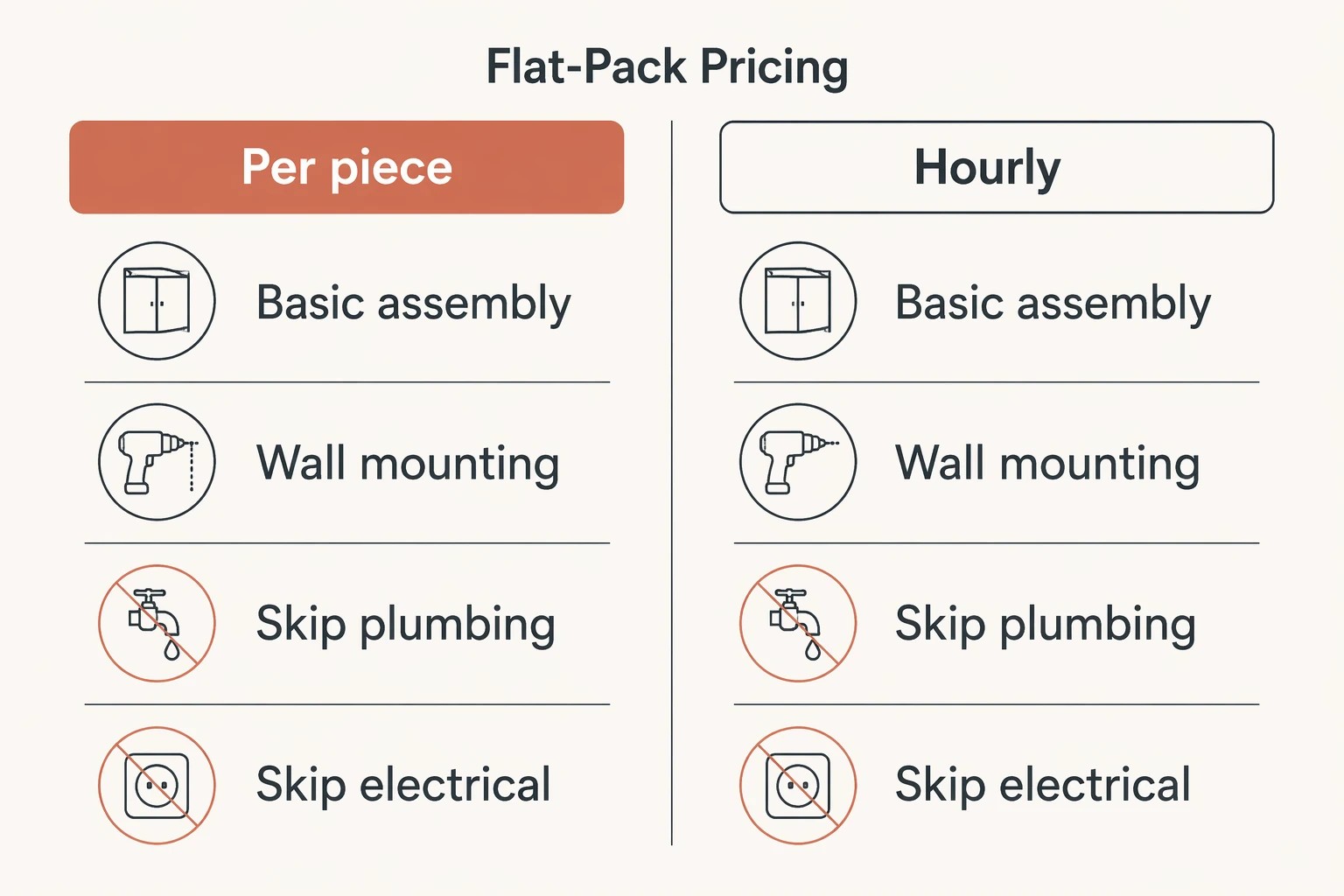
Many neighbors dread wrestling with a flat-pack box. Offer a focused assembly service for flat-pack furniture and simple mounting jobs — a quick, reliable fix people choose over vague handyman quotes. Work only on items that come with instructions and standard fasteners; politely decline plumbing or electrical tasks. Ask clients to send a photo of the unopened box or model name before you commit, and quote a single price per item. Bring basic tools—Allen keys, a cordless drill, a level—and include small extras like wall anchors as optional add-ons. Example workflows: assemble a living-room bookcase while the owner vacuums, or mount floating shelves and show the client the final level before taking payment.
2. Make Marketplace Listings Sell Themselves
Many private sellers list items with poor photos and vague titles; help them by offering a short photo-and-listing package that gets things sold faster. Start with a quick intake: confirm brand or tag details, stage the item in natural light against a neutral wall, and shoot three clear images — full view, a material or flaw detail, and a close-up of any label. Write a searchable title and a concise bullet list with dimensions, condition, and pickup instructions. Practical example: photograph a sofa pulled slightly from the wall to show depth, note seat width, then post using the seller’s account and handle initial inquiries for a flat fee, leaving the payment and pickup logistics to them.
3. Turn Curb Finds Into Quick Cash
Scouting curb alerts and free listings is an inventory strategy that costs time, not money. Focus on solid, cleanable pieces—wood chairs, framed mirrors, and small electricals that you can test—and skip upholstered items you can’t inspect thoroughly. When you pick up an item, clean it, stage it against a plain background, and relist quickly with honest measurements and condition notes. Example moves: rescue a solid nightstand, replace a missing knob, photograph it in daylight and price it to move; or test a toaster, list it as “tested, works,” and arrange local pickup to avoid delivery headaches. Speed turns a free score into immediate profit.
4. Rent Your Tools — Day Rates and Simple Contracts
Tool lending can monetize gear you already own if you protect the asset with a short checklist. Photograph the tool and serial number at handoff, run a quick demo so the borrower understands safe use, and take a refundable deposit that covers replacement if the tool isn’t returned. Offer clear daily rates and inspect on return before releasing the deposit. Practical safeguards include photographing blade or cord condition, marking accessory counts, and noting fuel or oil levels. Example routines: lend a pressure washer with a marked fuel level and a short usage briefing, or rent a tile saw with a blade-condition photo taken at checkout and check-in.
5. Mobile Car Detailing From Your Trunk
Interior-focused mobile detailing delivers noticeable results with modest startup gear. Concentrate on vacuums, microfiber cloths, a stiff brush for mats, and a gentle all-purpose cleaner; exterior work often needs hoses and more space. Offer a short menu—an interior refresh and a deeper clean that adds vent and seat attention—and price by vehicle size category so clients understand instantly. Example workflow: arrive at a driveway, remove mats, vacuum crevices, treat stains on carpets, clean glass, and condition leather as needed. Working in garages or shaded spots keeps weather from canceling jobs and keeps your schedule tight.
6. Same-Day Turnover Laundry for Short-Term Hosts
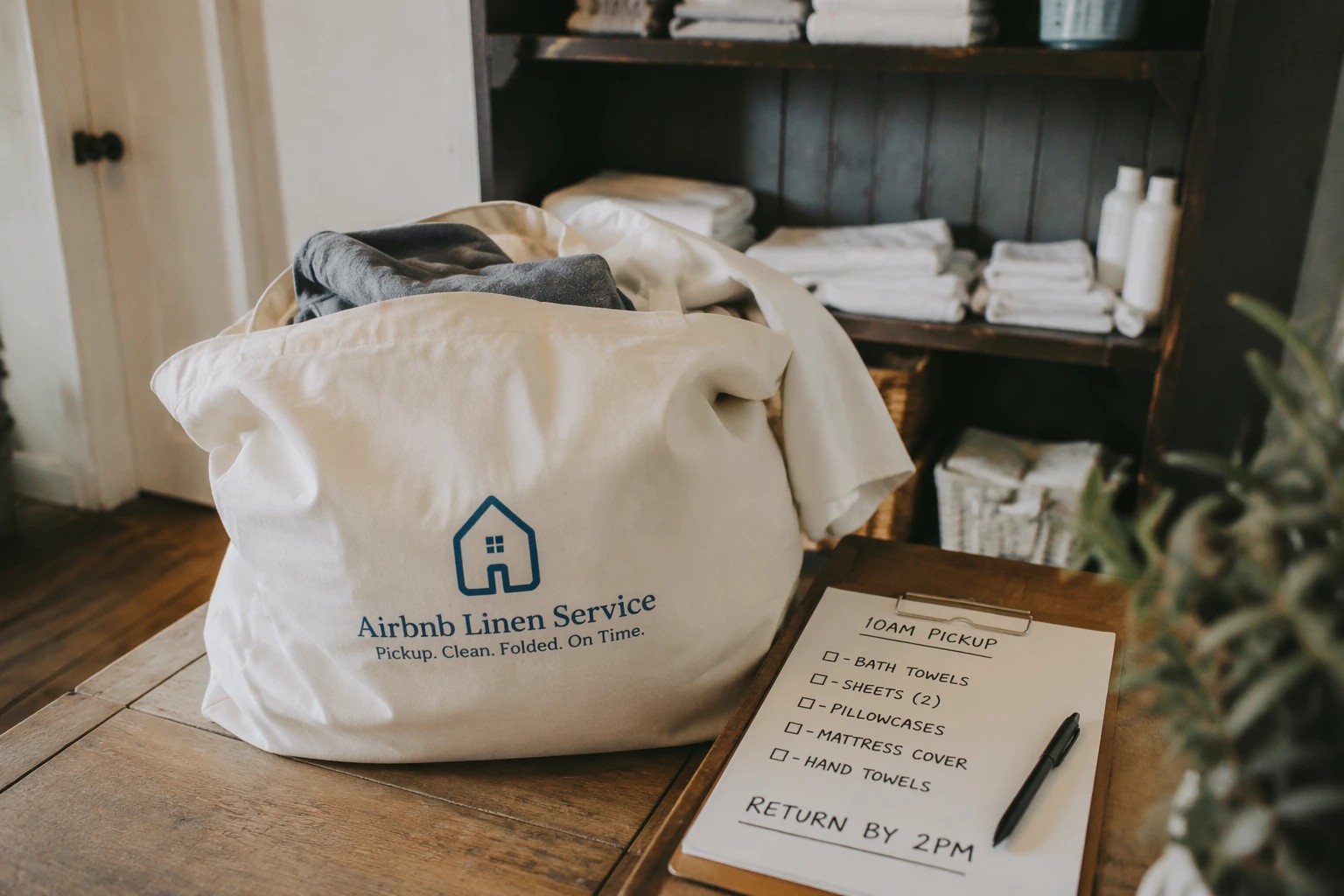
Short-term rental hosts prize a dependable linen turnaround window; you can fill that gap with scheduled pickup-and-return slots. Offer a couple of compact daily pickup windows so hosts can batch turnovers geographically and you can protect margin. Use labeled bags and an intake checklist that counts pieces and flags oversized items such as duvets. Practical examples: collect sheets from two adjacent listings and return them folded within the promised window, or offer a separate pressing service for bed shams. Set clear expectations about lost items and turnaround times to avoid late-night disputes and encourage repeat bookings.
7. Neighborhood Pet Waste Routes That Pay
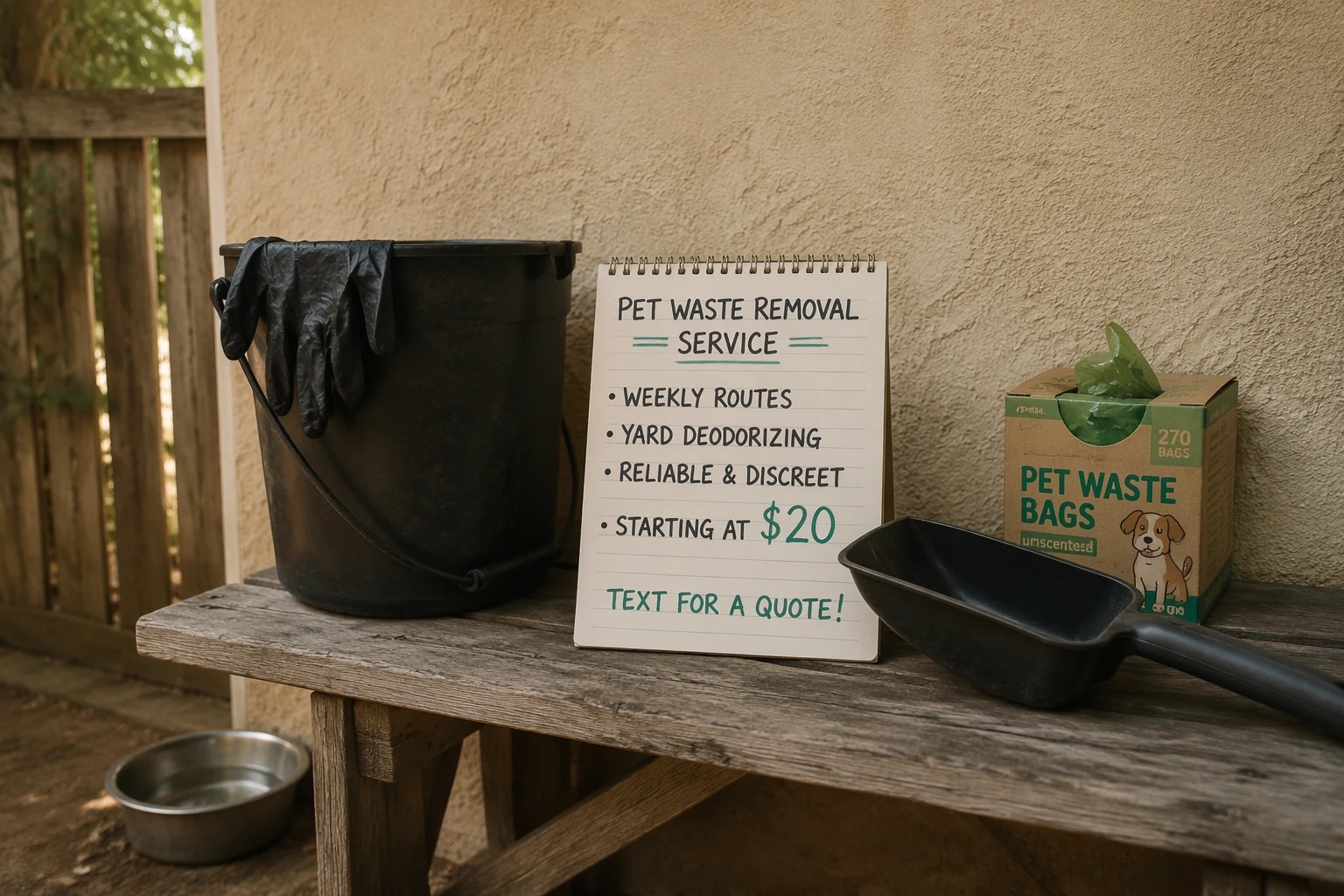
Pet waste removal is repetitive and local, and it works best sold as a recurring service. Target dense streets or clusters of homes so several clients sit on a single route, reducing drive time and making each visit light. Practical steps: map a cluster of yards, bring durable bags and a rake, and set a minimum route size so each trip covers your time. Example launch tactics: leave simple flyers for nearby dog owners, block-book weekly visits on the same weekday, or pitch property managers of apartment complexes with shared lawns—high density accelerates sign-ups and keeps work consistent.
8. Storage Unit Cleanouts: Sort, Sell, Donate
Storage cleanouts reward quick decision-making and a clear process: keep, sell, donate, or trash. Never open a unit without a signed lien release and a facility staff member present. Bring gloves, bins, and a plan for where donations and bulk waste will go before you start. Practical approach: identify solid wood furniture to hold for resale, bag clothing for donation drop-off, and schedule a dump run for particleboard or water-damaged goods. Price the job with separate lines for access, sorting hours, and disposal so facility managers understand disposal costs up front and you avoid circling town with a full truck.
9. Errands, Pickups, and Smart Route Bundling
Neighborhood errand services pay when you group requests into efficient loops instead of making single, scattered trips. Collect several nearby tasks and clear them in one run to cover gas and time. Use a base fee that covers initial time, plus an add-on for distance or extra stops to deter tiny favors. Practical examples: pick up prescriptions and dry cleaning from the same block, fetch a prepaid return package on your way to the post office, or combine grocery pickup with a pharmacy stop. Keep task types simple and one-sentence describable to avoid multi-hour ambiguities.
Start with one or two ideas that fit your tools and schedule, define clear boundaries and prices, and let repeat clients and efficient routes turn a weekend experiment into dependable side income.