Turn Your Craft Table Into Income: A Practical Guide to Launching a Handmade Side Business
If you love making things, you can transform that skill into steady income without quitting your day job. This guide walks through choosing a product, why handmade still matters, where to sell, what early earnings typically require, and how to grow from hobby to business—using practical examples you can act on this weekend.
1. Pick One Product and Test It Quickly
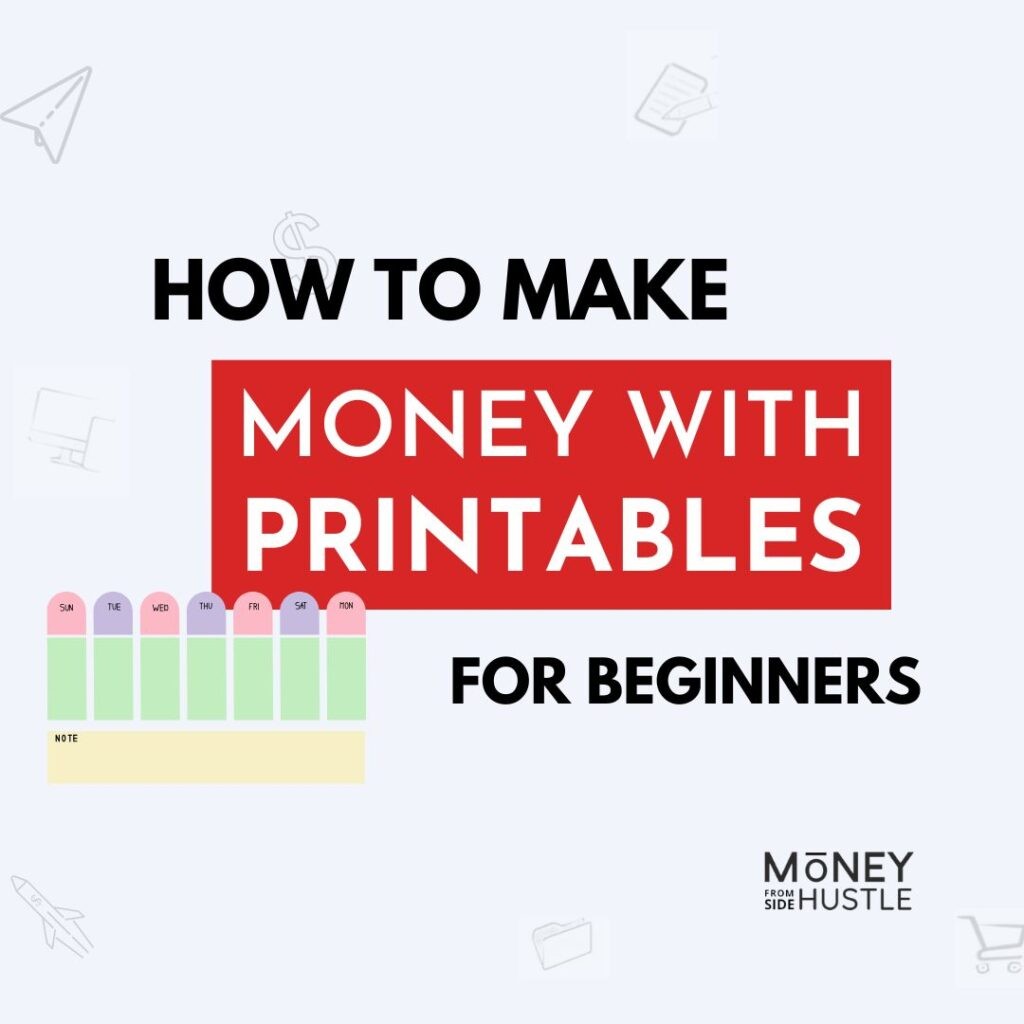
Start by narrowing your offerings to a single item you can produce consistently. Use a simple demand test: make a small batch, list it on one platform or bring it to a local market, and track which variations sell. Practical examples: design three printable meal planners aimed at busy parents and see which format gets the most downloads; or create three candle scent combos and offer them as a weekend pop-up set. Look for items that are easy to ship and price with healthy margins—digital downloads, small jewelry pieces, and flat-packed décor items often fit this bill. Iterate based on feedback rather than expanding too soon.
2. Why Handmade Still Has an Edge

Handmade products stand out because they tell a story and feel personal, qualities mass-produced goods rarely offer. That means customers are often willing to pay more for thoughtful details, intentional materials, or customization. For example, a simple pair of polymer clay earrings paired with a short story card about the maker creates emotional value beyond the object. Likewise, a small-batch soap packaged in a recyclable box with care instructions signals quality and purpose. To capitalize, emphasize the why in your listings—materials, process, or inspiration—and present consistent branding so buyers see your work as a distinctive choice, not just another commodity.
3. Where to Sell: Match Platform to Product and Goals
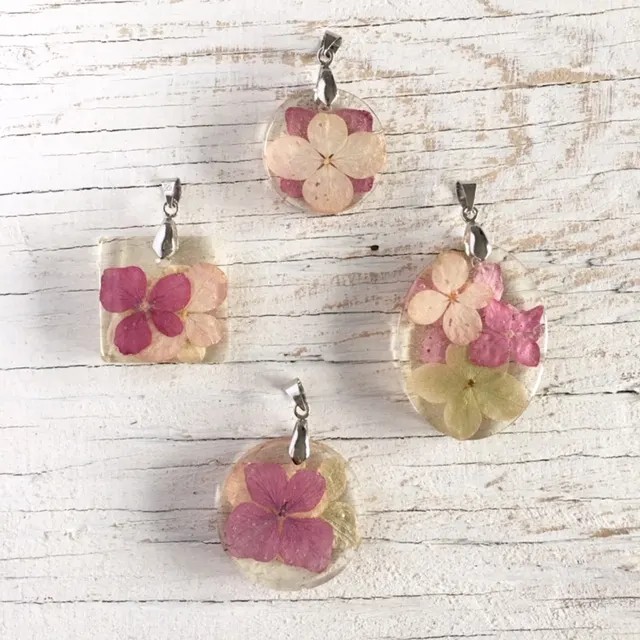
Choose selling channels that suit your product type and how much control you want. Marketplaces with built-in audiences help you get initial traction; own-site stores offer higher margins and branding control; social platforms are great for discovery and storytelling. For example, sell printable templates on a marketplace with search traffic to get early sales, then link to your own shop for bundles and subscriptions. Use Instagram and Pinterest to showcase lifestyle photos and drive long-term interest—pin high-quality images of finished products and process shots to attract boards. Consider print-on-demand for apparel to avoid inventory, and use local pop-ups for heavier home décor to test sizing and pricing in person.
4. What Early Revenue Looks Like (and How to Improve It)

Expect modest returns at first—sales generally follow consistent listing, promotion, and customer service rather than overnight success. Focus on per-order profit: increase value by offering add-ons, bundles, or gift-ready packaging. Practical moves include creating a basic and a premium version of an item (e.g., a single candle versus a three-candle ritual set), running a targeted holiday collection, or offering small personalization options for higher price points. Track conversion rates from platform visits to purchases and tweak titles, photos, and descriptions to improve performance. Repeat customers come from delightful unboxing, clear shipping times, and prompt responses—those tiny details compound into steady growth.
5. Turn a Side Hustle Into a Sustainable Small Business
Treat your craft venture like a small business by creating simple systems that save time and maintain quality. Set regular production blocks, document recipes or assembly steps, and standardize packaging. Practical examples: batch-produce components on one day each week, keep a short checklist for order fulfillment, and photograph new items with the same background to maintain a cohesive shop aesthetic. When demand grows, explore outsourcing repetitive tasks, using print-on-demand partners, or selling wholesale to local boutiques. Keep learning: analyze what sells each season and plan product launches around peak gifting periods to maximize impact without burning out.
Starting a crafty side business is about deliberate choices—one product, clear positioning, the right sales channels, and systems that let you scale. Small, steady improvements over time turn creative work into reliable income.