Is Driving for Uber Eats Worth It? A Practical Guide to What to Expect and How to Earn More
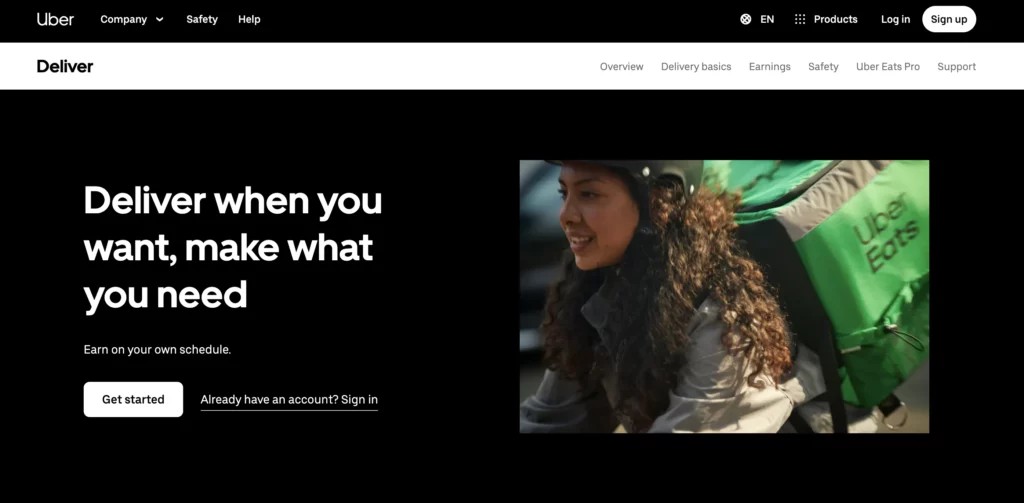
Delivery work can be a flexible way to earn extra money, but whether it fits your life depends on how you approach it. This article breaks down how pay is structured, what affects your income, common pros and cons, practical ways to raise your take-home, how to sign up, and what drivers actually report. Read on for clear examples and realistic strategies to decide if food delivery belongs in your schedule.
1. Weighing the Upsides and Trade-Offs
Delivery work delivers clear perks and predictable trade-offs. On the plus side, you control your hours and can turn the app on for a few hours between other commitments — handy for parents, students, or people freelancing on the side. Downsides include irregular pay, vehicle wear, and handling taxes as an independent contractor. Practical example: a driver might run four dinner shifts a week for extra cash while budgeting for extra oil changes and a quarterly tax estimate. Another driver chooses bike delivery in the city to avoid parking fees and reduce operating expenses. Balancing those pros and cons helps you decide how delivery fits your broader income plan.
2. How a Single Delivery’s Pay Is Put Together
Each delivery you accept is compensated through several moving parts rather than a single flat rate. Think of earnings as a base amount for pickup and drop-off, adjustments for distance or time, and occasional top-ups when a platform wants to steer drivers to certain zones or times. On top of that, customers can tip through the app or in cash, which often makes a meaningful difference in the final payout. Example: a short downtown run might pay a modest base fare but become worthwhile when it falls inside a promotional area or the customer adds a tip. Reading each offer in the app before accepting helps you choose deliveries that justify your time and expense.
3. Where and When You Work Changes Everything
Location, timing and logistics are the most predictable levers you can control. Busy commercial districts, apartment-heavy neighborhoods and meal windows typically produce more orders; bad weather and local events also increase demand. Conversely, long distances between pickup and drop-off or restaurants known for slow service eat into hourly productivity. Vehicle costs — fuel, maintenance, parking — directly reduce what you keep. Practical tip: map out a compact delivery zone near clusters of restaurants and high-density housing to minimize empty miles. Also, consider shifting your schedule to known peaks like weekday evenings or weekend brunches rather than trying to chase sparse daytime orders.
4. What Drivers Say About Real-World Earnings
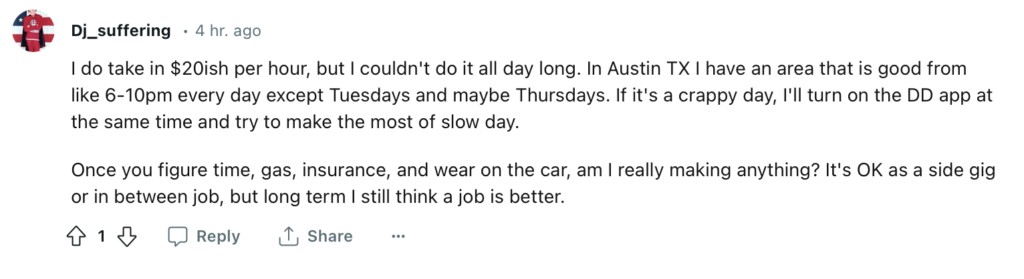
Reports from drivers show a wide spread of outcomes because local demand, platform incentives and personal strategy differ so much. Some drivers find short, focused stints during peak hours reliably earn them useful extra income, while others note that long stretches of slow orders can produce disappointing returns. Seasonality matters too — holidays and colder months often mean more delivery volume, whereas periods after spikes in competition can feel sluggish. Example: one driver might run two three-hour dinner shifts and consider it worthwhile, while another who works sporadic daytime hours may struggle to cover costs. Tracking both gross receipts and expenses reveals the true picture.
5. Practical Moves to Increase What You Keep
Small habits can add up to noticeably better net pay. Be selective: glance at distance, expected wait times and total payout before accepting. Target promotional windows and busy neighborhoods flagged in the app, and combine orders strategically when multi-apping. Customer service matters — clear communication and careful handling of orders often translate to better tips. Keep written or app-based records of mileage and maintenance to capture tax-eligible expenses. Example routine: run a two-hour dinner block in a high-traffic neighborhood, prioritize compact orders, and log miles with a mileage-tracking app to simplify deductions later. Over time, those choices improve hourly returns.
6. How to Get Started: Documents, Vehicles and the Signup Steps
Signing up typically takes a few steps: create an account, upload ID and vehicle paperwork, and complete a background check. Requirements vary by mode — cars usually require valid license, registration and insurance; bikes or scooters often need only ID and proof you can handle deliveries safely. Prepare clear photos of documents, and have a plan for completing the background screening promptly. Example: if you intend to deliver by bike, gather a government ID and a recent photo, then choose several open shifts to test demand once approved. Allow a little time for verification so you can start when your schedule allows.
7. Fitting Delivery into a Larger Income Strategy
Delivery can be a flexible component of a broader earning strategy rather than the sole source of income. Many drivers layer platforms to increase order flow during peak windows and supplement slow periods with other side hustles. It’s wise to treat early weeks as a trial: track hours, gross take, and operating costs, then decide whether to scale up. Example: test weekend evenings for several weeks, record actual net income after fuel and maintenance, and compare that to other opportunities like freelance work or part-time shifts to determine the best mix for your goals.
Delivery work offers flexibility and immediate earning opportunities, but success depends on understanding pay mechanics, managing costs, and using practical habits to boost net income. Try a short, focused trial period and track actual results before committing long term.