Is Grocery Delivery Worth It? A Practical Guide to Weekly Earnings and Life as an Instacart Shopper
If you’re thinking about delivering groceries to earn extra income or build flexible hours, this guide walks through how the work functions, what shapes weekly pay, and realistic ways to make the job fit your life. Read on for clear, actionable advice from how the platform operates to hands-on strategies used by current shoppers.
1. What the role actually involves: two ways to shop
Grocery delivery work comes in two distinct flavors: a mobile shopper who picks up and delivers orders using a personal vehicle, and an in-store shopper who selects and prepares orders for pickup or hand-off. Mobile shoppers decide when and where to work and cover vehicle costs and taxes; in-store shoppers typically follow scheduled shifts and are paid hourly without customer tips. For example, a mobile shopper might accept an evening batch that includes a heavy item, plan a route for multiple drop-offs, and use insulated bags to keep produce fresh. An in-store shopper might handle back-to-back morning shifts preparing orders for local customers and store partners.
2. How the platform calculates pay for each batch
Instacart breaks down pay for a shopping assignment into several components so each batch reflects effort and logistics. Common elements include a guaranteed baseline, adjustments for long distances or bulky items, small boosts during busier times, and customer tips that go directly to the shopper. Payment methods include standard weekly deposits and an option to access earnings immediately for a small fee. As an example, a shopper accepting a difficult, multi-stop order might see a higher baseline plus a heavy-item add-on and rely on clear communication with the customer to secure a satisfactory tip and rating, which in turn influences future offer quality.
3. What makes weekly totals swing so much
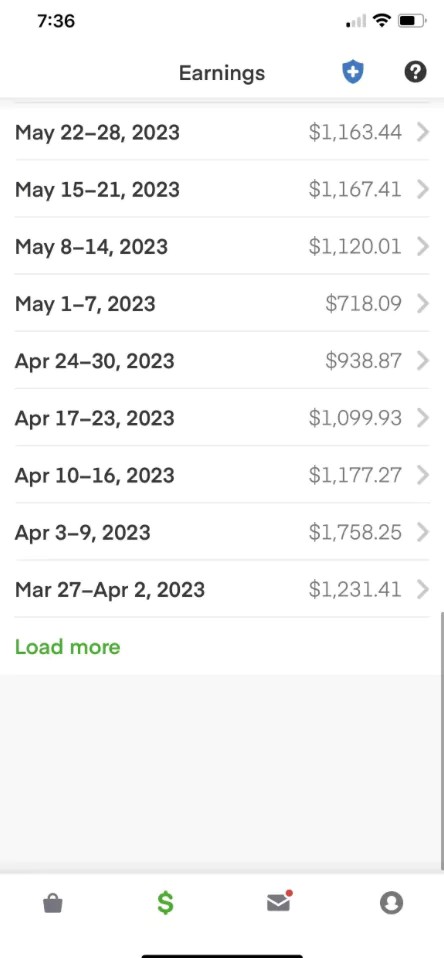
Weekly income in this line of work is variable because it depends on hours worked, the kinds of batches you accept, local demand, and tips. Working more hours during peak grocery times increases the chance of steady batches, while long, low-paying runs or time spent waiting can erode earnings. For instance, a shopper who strategically schedules shifts for weekend mornings and holiday windows, and selects medium-sized orders near dense neighborhoods, will likely see steadier weekly totals than someone who accepts the first available distant orders during slow weekday afternoons.
4. Local demand, ratings and the invisible levers of pay
Several factors beyond raw effort determine how much you keep. Local demand and how many shoppers are competing in your area shape how many assignments appear. Customer ratings affect which batches the app highlights to you; higher-rated shoppers often see better options. Tips and pay boosts during busy windows also matter. For example, in a dense neighborhood with many orders, shoppers with near-perfect ratings often receive higher-value batches or first access to premium orders. Conversely, in quieter suburbs you may need to combine platforms or shift your hours to match local demand spikes.
5. Real shoppers’ playbook: how people actually make it work
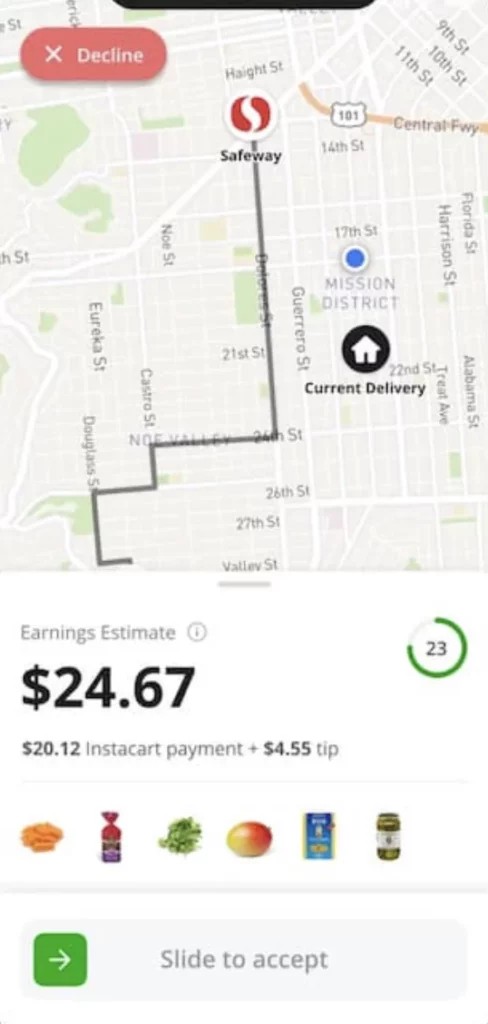
Experienced shoppers rely on routines and selection strategies rather than constant hustle. A common tactic is “order selection”: previewing batches and skipping runs that won’t cover time and travel. Many seasoned shoppers keep communication brief and polite, confirm substitutions quickly, and follow store shortcuts to finish shifts faster. For example, one shopper might prioritize smaller neighborhoods where parking is easy and tipping tends to be higher, while another avoids long, multi-drop orders at the end of the day. These on-the-ground lessons reduce wasted time and help maintain high ratings, which unlock access to better batches.
6. Practical, repeatable steps to lift your weekly take-home
Improving weekly results mixes customer service, preparation, and efficiency. Speed up shopping by memorizing store layouts and grouping picks, use insulated bags and equipment to protect orders, and message customers early when substitutions are needed. Multi-appbing—running another delivery app during slow windows—can fill gaps in demand; just avoid juggling simultaneous active orders. Track your time and earnings for each shift to spot which stores and hours are most profitable. For instance, logging a few weeks of orders will reveal whether Saturday mornings or weekday evenings are worth prioritizing in your market.
7. How to read public pay reports without taking them as gospel
Salary websites and user surveys offer snapshots of earnings but often mix different roles, regions, and time frames, so treat averages as directional rather than exact. These sources can help identify trends—such as which cities or times tend to be busier—but they don’t account for a shopper’s personal expenses or how selectively they accept orders. For example, a reported average can mask that top performers concentrate on peak hours and premium stores, while casual shoppers spread hours unpredictably. Use published data as a starting point, then track your own results for an accurate picture of what the work pays you personally.
8. Where Instacart sits among delivery and delivery-adjacent apps
Grocery delivery differs from restaurant or parcel services, and that affects pay stability and workflow. Grocery batches can include heavy items, produce that needs care, and substitution conversations—tasks not always present with restaurant runs. Some drivers prefer meal-delivery platforms for short, frequent trips; others like grocery work for repeat customers and predictable store patterns. A practical approach is to test two platforms on alternating shifts and compare net profits after fuel and time. For example, pairing grocery batches during midday lull with meal deliveries at evening restaurant rush can smooth income across a day.
9. Referral bonuses: a small lever that compounds
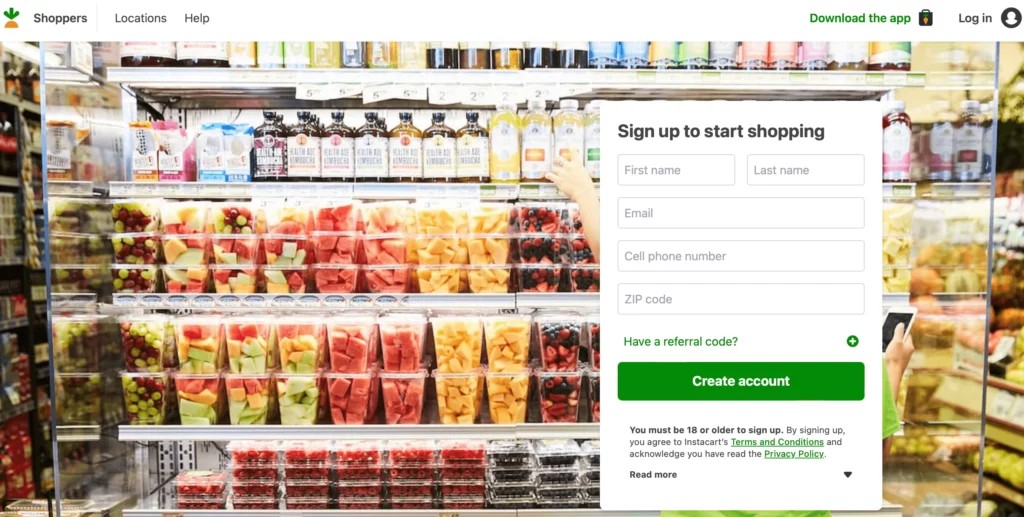
Referral programs can add modest, reliable income if you know people who want to join. Typically, new shoppers must sign up with a code and complete a set of qualifying batches to trigger bonuses for both parties. As a practical tactic, pause and coach your referred friends through their first weeks to help them meet performance requirements—this improves the chance you’ll receive the referral reward. Remember that rules vary by region and may require you to be an active shopper. Treat referrals as supplementary income rather than a primary strategy for replacing regular shifts.
10. Where to go when an order or payment goes sideways
If you encounter issues—missing items, payment questions, or app problems—the shopper app includes in-trip support tools and a help center. For urgent problems during a batch, use the in-app chat or call option to reach a live agent. For payment or account discrepancies, submit a support request through the app and keep screenshots of batches and communications. As a practical example, if a customer changes a tip after delivery, document the order details and open a payment inquiry; having timestamps and photos of the delivered items speeds resolution and often clarifies misunderstandings quickly.
11. Frequently asked practical questions and quick answers
Shoppers commonly ask whether they must own a car, how pay is delivered, and whether the work can be full-time. You don’t always need a vehicle if you choose in-store roles; payment options include scheduled direct deposit and in-app instant cashout for faster access. Going full-time is possible but remember to factor in vehicle maintenance, insurance, and taxes. Another frequent concern is background checks; these are standard and can take time. The best way to answer these questions for yourself is to run a short trial period, track net earnings, and compare that with your own cost structure and time expectations.
12. Is this a good fit for you and where the work may be headed
Grocery delivery suits people who value schedule flexibility, enjoy independent work, and can tolerate income swings. If you like short tasks, customer contact, and figuring out efficient routes, it could fit into a side-income plan or a full-time schedule with careful tracking. Looking ahead, demand for delivery is likely to remain, which could mean steady opportunities but also more competition in dense markets. A practical next step is to try a few weeks, note which stores and hours work best for you, and decide whether to specialize, multi-app, or use referrals to expand your earnings.
Delivering groceries can be a useful way to earn with flexible hours, but outcomes depend on choices you make: when you work, how you select orders, and how well you manage expenses. Test the market in your area, track real results, and apply the practical strategies above to improve your weekly take-home.