How to Turn Old Sports Gear into Cash or Credit: A Practical Guide
Clearing out the garage or upgrading your equipment can be rewarding—both for your space and your wallet. This guide walks you through a straightforward sequence: prepare items so they look their best, price them competitively, choose the right marketplace, and decide whether to sell locally, online, or trade in. Each section offers hands‑on tips and examples so you can move gear quickly and get fair value.
1. Ready, Clean, Photograph: Prep That Sells
Before you list or drop off gear, invest time in presentation. Clean soft goods with a gentle detergent and air dry to avoid shrinkage; wipe down helmets, racquets, and frames with a mild solution and a soft cloth; remove dirt from cleats and grease from bike chains. Take several clear photos in natural light—wide shots for context, closeups for wear, and detail shots of brands or serial numbers. Include any original accessories or manuals and note missing parts. Practical example: wash and stuff a pair of cleats so they keep shape, set them on a neutral background, and photograph from three angles to reassure buyers about condition.
2. Price Smart: Research and Set a Competitive Tag
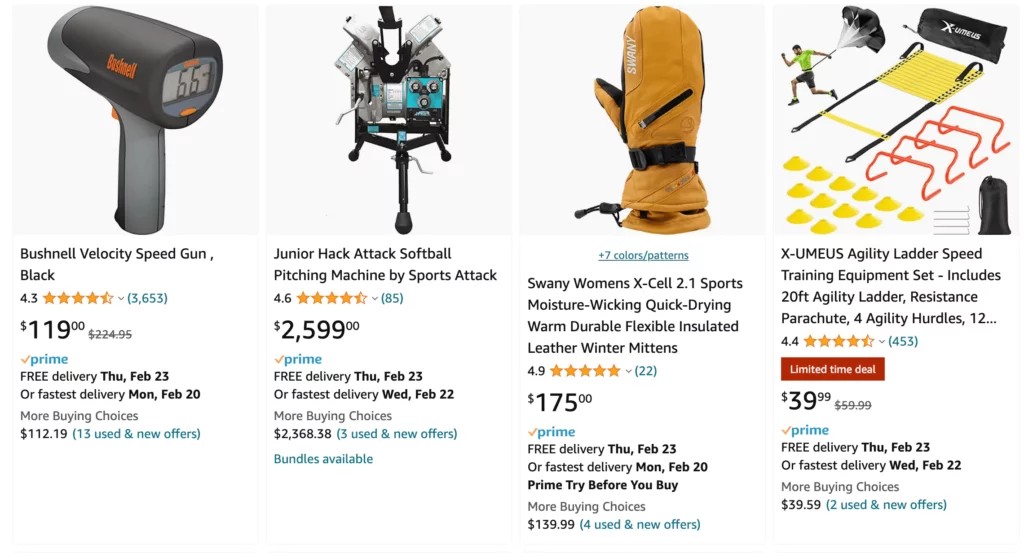
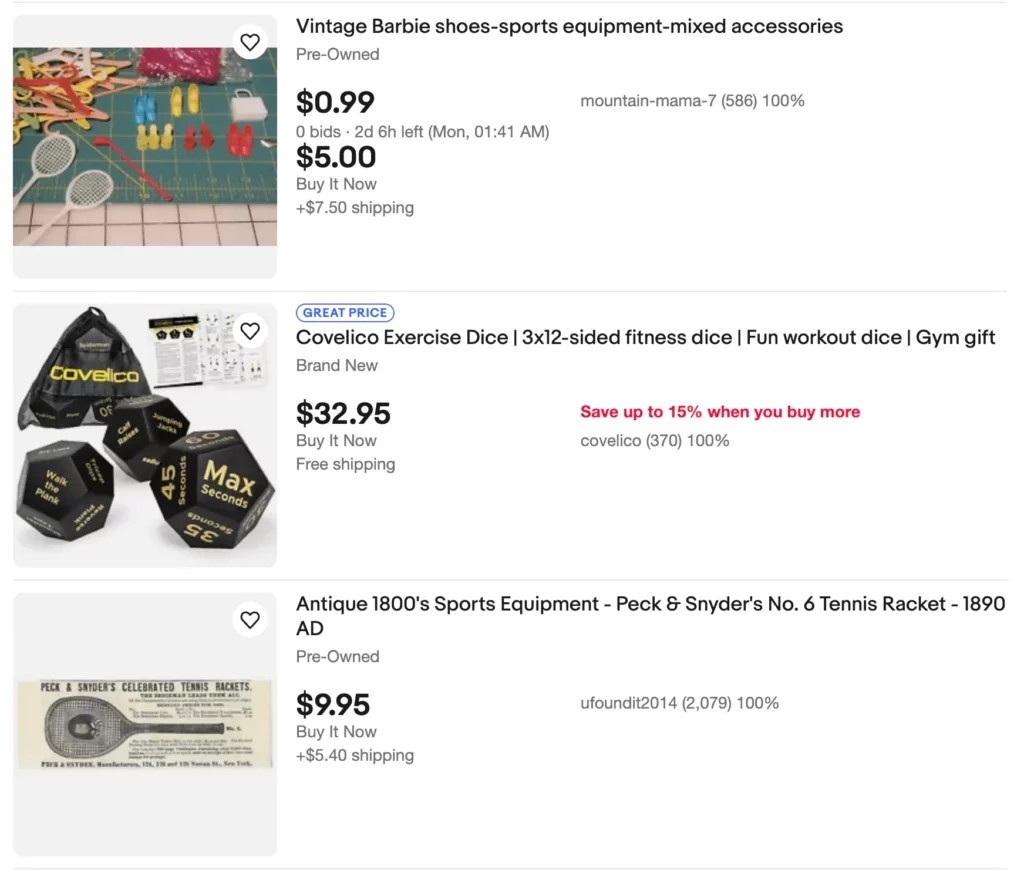
A thoughtful price attracts buyers and reduces back‑and‑forth. Survey comparable items across a few platforms and local listings to see what similar-condition gear is fetching, then position your price slightly below high-end listings if you want speed, or at market average if you can wait. Factor in shipping, platform fees, and the time you’ll spend packing. Be explicit about negotiability—either advertise “firm” or include a small cushion for offers. Practical example: if several listings show similar helmets at $60, consider listing yours at $50 with “slight signs of wear” to stand out and draw swift interest.
3. Big-Stage Marketplaces: Reach a Wide Audience
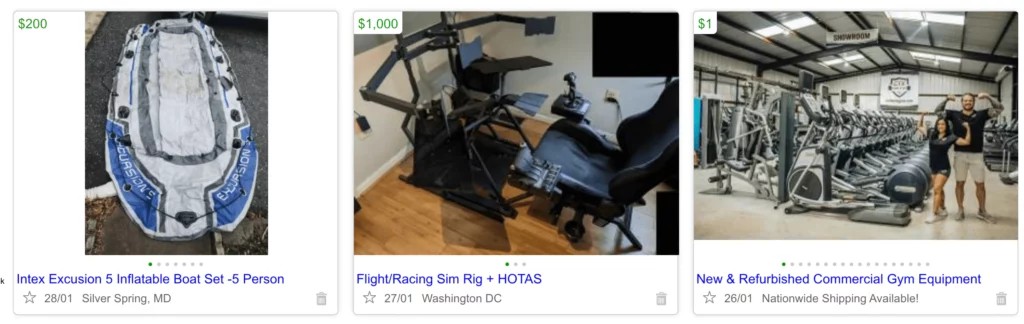
General online marketplaces give your listing broad visibility, ideal when you want to sell items that appeal to many buyers. Use descriptive titles, include brand names and sizes, and highlight unique selling points like recent tune‑ups or low mileage on bikes. Choose whether you’ll offer nationwide shipping or limit to local pickup—shipping opens up more buyers but requires careful packaging and clear cost communication. Practical example: for a well‑known brand bike, create a listing that mentions frame size, service history, and includes a measurement chart; this helps distant buyers decide without asking basic questions.
4. Community & Curbside Options: Local Selling That Works
Local channels can be faster and avoid shipping hassles. Community groups and local buy/sell pages attract people who prefer trying equipment before paying, and garage or yard sales let you move multiple items in one morning. When meeting buyers, pick busy public spaces—park lots or community centers—and bring a friend if possible. For local swaps, allow short demos (e.g., a quick skate on flat pavement with protective gear) and keep pricing flexible for same‑day buyers. Practical example: advertise a “sports gear garage sale” on neighborhood apps, display items by sport, and offer bundle discounts to clear more in a single visit.
5. Specialty Buyers: Consignment Shops and Trade-In Desks
Stores that focus on sporting goods or outdoor equipment are a great fit for higher-value or brand-name items. Consignment shops will list, market, and sell your gear for a share of proceeds, while buy‑it‑now stores may offer immediate payment. These venues are useful for niche items—like mountaineering boots, skis, or premium golf clubs—that attract enthusiasts who prefer to shop in person. Practical example: bring freshly cleaned items with tags or service receipts to a local outdoor consignment shop; if you accept store credit, you often receive a higher percentage than a cash buyout, which can be handy if you plan to replace gear there.
6. Trade-In and Swap Strategies: Exchange Rather Than Sell
If you’re replacing equipment, trading in can simplify the process and sometimes yield better value than cash sales. Many shops accept trade‑ins as partial payment toward newer gear or offer in-store credit with favorable terms. Consider bundling multiple lower-value items to increase trade worthiness, and ask whether stores offer price matching or promotions when you use credit toward a purchase. Practical example: bring an older snowboard and bindings together for a trade-in; a retailer might offer a larger credit when both items can be resold as a set, making it easier to upgrade in one visit.
Selling or trading sporting gear is a practical way to reclaim space and fund upgrades. Tidy and document your items, price them with local and online markets in mind, and pick the selling avenue that matches your timeline—fast cash, wide exposure, or store credit for new gear. A little preparation turns clutter into value.