Play, Earn, and Stay Smart: A Practical Guide to Online Games That Pay

Playing games can be a relaxing hobby—and for some people, a modest way to earn extra cash. This piece walks through how paid-to-play games work, where to begin, how to play strategically, and how to protect yourself while turning playtime into pocket money.
1. How Paid-to-Play Games Actually Work
Games that offer real-money rewards rely on a few common business models. Some are freemium—free to start but offering paid upgrades—while others earn revenue from advertising and share a portion of that with players. Tournaments and head-to-head matches let developers collect entry fees and award prizes, and games with virtual economies allow players to sell items or currency on third-party marketplaces. Rewards often arrive as points you can trade for gift cards or payment-service transfers rather than direct cash. Practical example: you might earn credits for reaching a milestone or watch short ads for bonus points, then redeem accumulated credits for a digital gift card or a payout option.
2. Finding Reputable Games and Platforms to Try First
Start by choosing well-reviewed platforms that clearly explain how they pay out and what they require from players. Look for sites and apps that display payment options, have a transparent redemption threshold, and list accepted regions. A helpful approach is to test with free or practice modes before committing any money: if a platform offers demo rounds, use those to learn the rules and interface. Check store reviews, search for recent user feedback about timely payouts, and confirm the developer or parent company information. Practical example: sign up with a platform using a spare email, complete a few free tasks, and request the smallest available payout to verify the process before investing more time.
3. Which Types of Games Tend to Pay Out
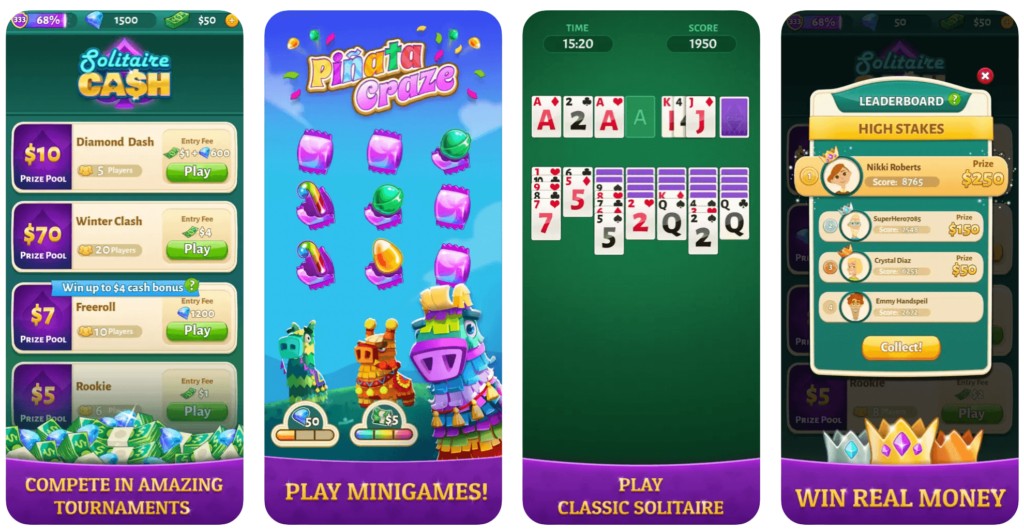
Different game categories offer different earning opportunities. Casual reward apps often pay small amounts for timed play, while tournament networks host skill-based matchups with prize pools that favor practiced players. Casino-style or betting apps can pay out large sums but carry higher risk and often require deposits. Virtual-world or sandbox games allow creators to produce items or services that other players buy, creating a revenue stream for makers. Practical example: if you enjoy fast puzzle games, reward apps that track minute-by-minute play may suit you; if you prefer competitive strategy, tournament platforms will better reward mastery and practice.
4. Play With Purpose: Strategy, Practice, and Time Management
Treat earning-focused play as a small project: prioritize games that match your strengths and invest time in learning mechanics before entering cash matches. Rotate between games to avoid diminishing returns—many apps reduce rewards for repetitive play—so balance practice sessions with competitive rounds. Set a time budget and use timers to prevent overplaying; consider short daily sessions rather than long binges to keep skills sharp without burning out. Practical example: spend a week in free practice mode to learn shortcuts, then enter low-stakes tournaments to test strategy while keeping losses limited, and combine game play with surveys or ad rewards on the same platform to hit payout thresholds faster.
5. Safety First: Protect Your Accounts and Information
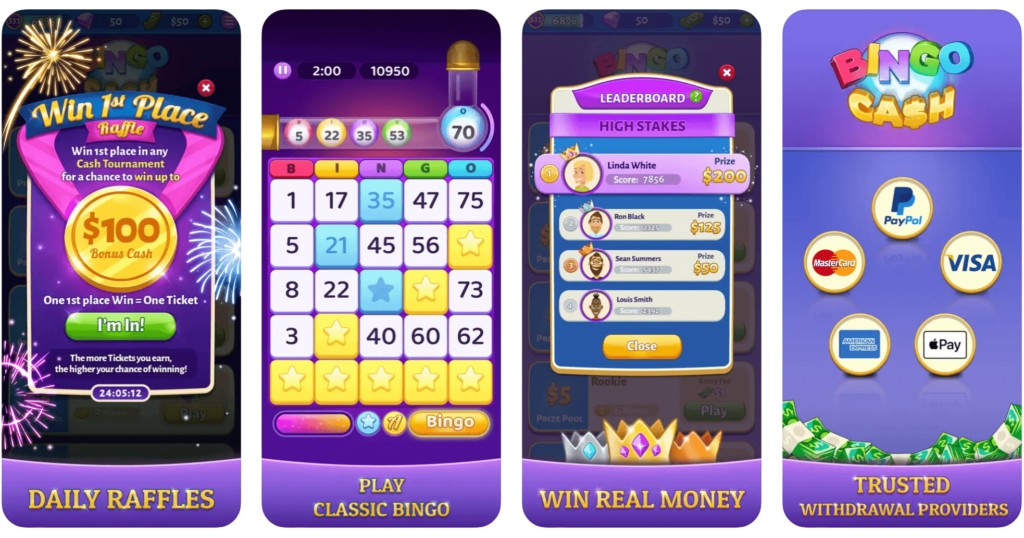
Online reward games can be legitimate, but scams and intrusive apps exist, so protect yourself. Use a dedicated email for gaming accounts, limit the personal data you share, and avoid handing over sensitive identifiers like social security numbers. Watch for red flags: apps that pressure for large deposits, require unusual permissions, or have inconsistent payout reports. Keep software updated, never click suspicious pop-ups, and consider using an older or secondary device for experimenting. Practical example: before allowing an app access to contacts or storage, pause and check the permission’s necessity; when testing a payout route, request the smallest available cashout to confirm reliability.
6. Beyond Minute-by-Minute Play: Other Ways Gamers Make Money
If you enjoy games, several paths beyond in-game rewards can lead to steadier income. Streaming or posting short clips can generate revenue from ads, subscriptions, and sponsorships. Writing guides, recording tutorials, or building a niche blog attracts readers and affiliate opportunities. Game testing and coaching let you monetize skill and knowledge directly, while flipping used gear or organizing local tournaments can turn hobby expertise into cash. Practical example: create a few how-to videos or step-by-step guides for a popular game and share them on social platforms; over time, ads and sponsorships can outpace casual reward-app earnings.
7. Answers to the Questions People Ask Most
A few practical answers help set expectations: payouts often come as gift cards or transfers through common payment services, and many platforms require you to reach a minimum balance before cashing out. Reviews and community feedback are your best tools for spotting trustworthy services; if many users report timely pay, that’s a good sign. To boost earnings, combine multiple reward streams—gameplay, surveys, and offers on the same app—so you reach cashout thresholds faster. Practical example: if a platform lists both game and survey tasks, alternate between them to avoid burnout and steadily accumulate redeemable credits.
Playing games for small, reliable rewards can be a fun complement to your routine when you approach it like a smart hobby: pick reputable platforms, practice where it counts, protect your data, and explore adjacent ways to monetize your skills. With care and realistic expectations, playtime can become a pleasant pocket earner.