Solitaire Cube: A Friendly Guide to Playing, Practicing, and Deciding If It’s Right for You
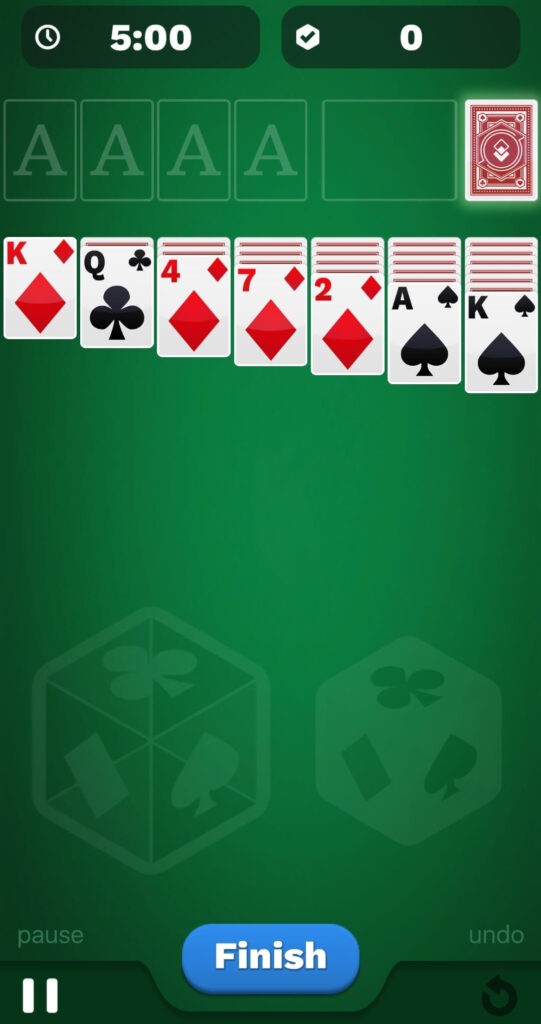
If you enjoy solitaire and like the idea of a little competition, there’s an app that blends familiar card play with head-to-head rounds and the option to earn rewards. This guide walks through how the game works, practical steps to get started, and the pros and cons to consider before you play for money.
1. What the app does and who tends to enjoy it
This app reimagines classic solitaire by turning solo card sorting into short, competitive matches that anyone comfortable with phones can try. It’s designed for players who like quiet strategy but also enjoy the adrenaline of competing against another person. Casual players will appreciate practice modes for unwinding after work, while more serious players can treat it like a short skills contest. For example, someone might play a few free rounds on the commute to sharpen pattern recognition, then switch to competitive play later that evening when they feel focused and ready.
2. How head-to-head solitaire matches are structured

Instead of playing against the clock alone, you face another player with similar experience in a timed round to see who scores higher. The match typically rewards efficient uncovering of hidden cards, completing foundations, and finishing early. If you encounter a position with no legal moves, some versions let you end early for partial points or reshuffle options. Matchmaking aims to pair comparable skill levels so newcomers aren’t immediately outmatched. As a practical tip, treat each round like a sprint: focus on uncovering face-down piles quickly and prioritize moves that free up new plays rather than obsessing over a single best long-term plan.
3. A straightforward path to get started and progress

Begin by downloading the app to your iOS or Android device and creating a platform account. Use free or practice rounds to learn scoring, timing, and how the interface handles multiple matches. Practice play often rewards you with in-app currency or tickets that let you enter more matches or redeem small items. Once confident, you can opt into paid matches by funding your account through the app’s supported payment channels. Start with small buy-ins to test the experience and pacing. If you win cash, most platforms offer common payout methods like PayPal, card refunds, or mobile wallet transfers—run a small test withdrawal first so you understand the timing.
4. Assessing fairness and account safety
The platform emphasizes skill-based play and automated matchmaking to keep contests even, and many players find that fair. Still, digital services occasionally experience bugs, and some users report account or stability issues. To protect yourself, read the platform’s rules and dispute procedures, keep your software updated, and take regular withdrawals if you accumulate earnings. A practical habit is to log small test payouts once you have a balance, so you learn how long transfers take and what verification steps may be required before requesting larger withdrawals.
5. Where paid play may be restricted — and what that means for you
Regulations vary by state and country, so paid matches aren’t available everywhere. In locations where monetary contests are restricted, you can usually still access practice or free modes and earn noncash rewards. Before you deposit money, check the app’s availability statement and local laws. If you find paid play is blocked in your area, use the free modes to collect in-app tickets or digital currency that can be spent within the platform, or simply use the app to practice game mechanics until you can legally participate in paid contests.
6. Practical pros and realistic downsides to weigh

On the plus side, the app offers no-cost practice rounds, mobile convenience, and payout options that many users find straightforward. It’s also skill-driven rather than purely luck-based, so steady practice tends to improve outcomes. On the downside, money matches require you to be of legal age and may not be permitted in your region; there’s always a risk of losing funds, and some players encounter stability issues. A sensible approach is to use practice play for learning, set a strict betting budget, and avoid chasing losses. For example, limit yourself to a small weekly play balance and withdraw winnings regularly.
7. Other companies in the skill-games space to compare
The skill-based gaming market includes several developers who offer solitaire-style contests and other one-on-one formats. Trying a competitor can help you compare matchmaking quality, prize structures, and app stability. If one platform’s tournaments feel too volatile or matching seems off, test alternatives to see whether payout speeds or customer support differ. A practical test is to play the same number of rounds across two apps with similar entry fees and compare your net results, user experience, and how quickly each platform processed a withdrawal.
8. Apps with a similar vibe or rewards model worth trying
Beyond direct solitaire competitors, there are apps that offer short, skill-driven games or reward players with points redeemable for gift cards and cash. Some focus on bingo or other quick-play formats, while reward aggregators let you earn while exploring multiple titles. If you enjoy variety, try a rewards-oriented app to see if you prefer collecting gift cards and small payouts over head-to-head betting. For instance, use a rewards app for casual evenings and switch to a head-to-head skill game when you want a competitive match and the chance to win real cash.
9. A practical checklist to decide whether to play for real stakes
Treat competitive card apps primarily as entertainment that can sometimes yield small earnings. Before you wager, confirm legal availability in your area, understand account verification steps, and practice until you feel consistently comfortable. Set clear limits—decide on a session bankroll, time cap, and withdrawal routine—and track wins and losses. For example, play free matches for a week to build familiarity, then try low-stakes rounds for a month while logging results. If you’re winning consistently and enjoying the process, you can scale carefully; if not, stick to practice and social play.
If you like classic solitaire and the idea of brief, competitive rounds, this app offers a convenient way to combine practice with the chance to earn. Approach paid play cautiously: practice first, set limits, and treat any winnings as a pleasant bonus rather than guaranteed income.