Play Smart, Earn Small: A Practical Guide to Solitaire Apps That Pay
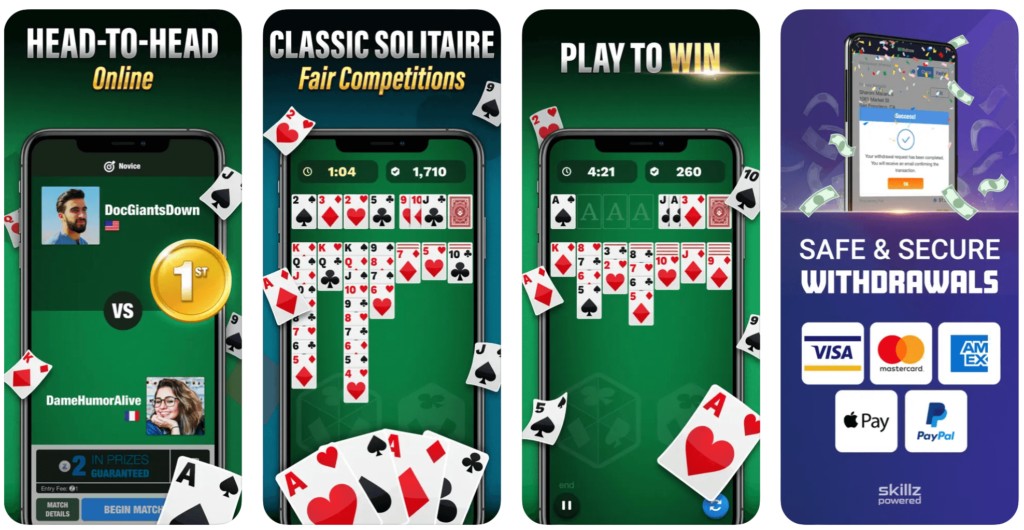
If you enjoy a quick round of cards between chores or during your commute, some mobile solitaire games can turn that pastime into modest rewards. This guide walks through how these apps work, how to spot safe ones, and practical strategies to protect your time and money while maximizing enjoyment and small payouts.
1. How solitaire apps actually put money in your pocket
Many games convert time and skill into rewards using a few common models. Some let you earn points or virtual currency as you play, which can be exchanged for gift cards or cash; others host head-to-head matches or tournaments that award real money to winners after an entry fee and platform commission. Developers also monetize through short ads or optional purchases, which helps fund player payouts. Practical example: begin in a provider’s free mode to learn pace and scoring, then enter low-stakes matches to test whether your speed and strategy translate into steady small wins without risking more than you budgeted.
2. Spotting red flags: protect your account and cash
Not every app that promises payouts is trustworthy. Start by downloading from official stores and reading recent user reviews to catch persistent complaints about payments or account holds. Avoid apps or players that ask you to send cash directly; use platforms with built-in deposit and withdrawal flows. Check the app’s payout options and minimums before investing time, and be wary of overly glowing testimonials that don’t describe the withdrawal process. Practical step: before you deposit or link an account, play in free modes for several days, then initiate a small withdrawal to confirm the process works as advertised without surprises.
3. Everyday habits that improve results and limit losses
Treat play like a hobby with a budget and schedule: set a daily time window and a maximum amount you’ll risk on entry fees. Track wins and losses so you can see whether specific games or times of day are profitable for you. Use practice modes to learn rules and shortcuts without spending money, and take regular breaks to avoid tilt—making risky choices after a losing streak. Join forums or social groups to exchange strategies and promo tips. Practical example: keep a simple log with date, app, entry fees, payouts, and net result; review it weekly to decide whether to keep playing or switch games.
4. Top places to try paid solitaire matches and tournaments
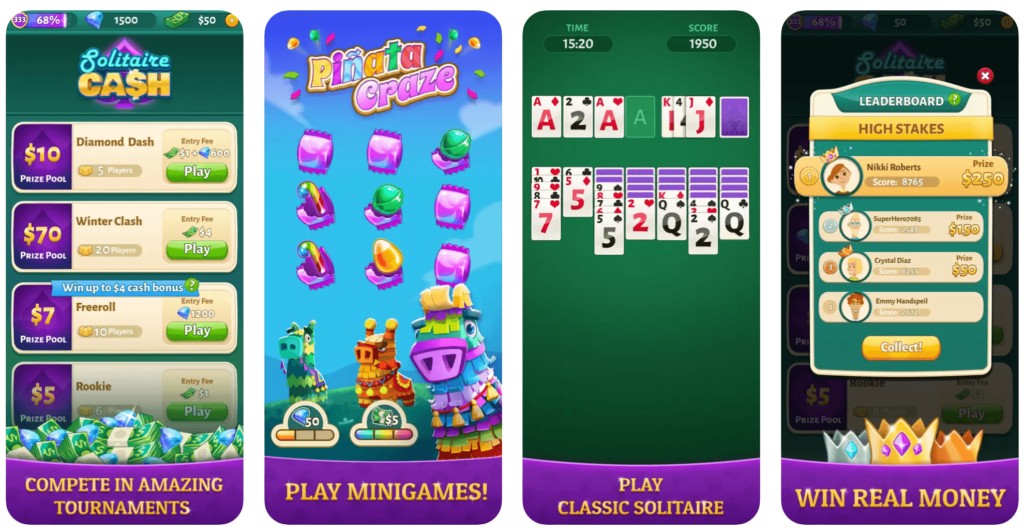
Several apps let you test skill against others for small cash prizes. Many match players by skill level and run short timed rounds or tournament ladders, with winners splitting a prize pool after the platform takes a commission. Common payout routes include PayPal and gift cards, and most apps offer free practice games so you can build speed. Practical approach: start with low-stake head-to-head rounds to learn pacing and scoring, then enter occasional tournaments once your win rate stabilizes. Always check each app’s regional availability and withdrawal terms so you don’t waste time on an app that won’t pay out in your area.
5. How Mistplay turns playtime into gift-card points

Mistplay bundles many mobile games (Android only) and rewards players with points for active playtime and completed missions. Rather than direct cash matches, Mistplay focuses on point accumulation that you can redeem for gift cards. To optimize earnings, choose titles that offer higher points per minute and take on time-limited missions that grant bonuses. Practical example: pick a solitaire variant that appears in Mistplay’s rewards list, complete the mission requirements over multiple short sessions, and cash out for a retailer gift card rather than expecting immediate PayPal payments.
6. Using multi-task platforms: Inbox-style rewards with solitaire
Some reward platforms combine games with surveys, videos and offers so you can mix activities to reach payout thresholds faster. Their game sections often include several solitaire variants with progress trackers that feed into larger rewards programs; promotional tasks sometimes grant bonus cash for completing certain levels within a time frame. Practical tip: use packaged platforms to diversify earnings—play a few solitaire rounds, then switch to a short survey or video to keep currencies flowing toward a cashout minimum. Track required milestones for bonus payouts so you don’t miss temporary offers that make a short grind more lucrative.
7. Themed solitaire and seasonal promos that boost rewards
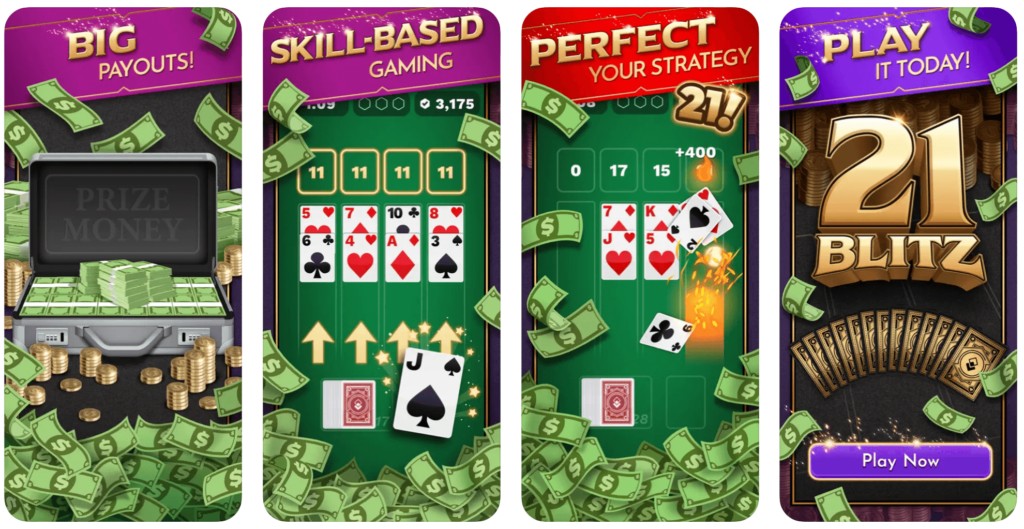
Some reward programs host themed solitaire experiences—cruise adventures, farm-building twists, or branded card puzzles—that pay in platform-specific points. These promotions often have milestone challenges: finish certain levels within a week to earn larger bonus sums. Power-ups, daily login streaks and event timers matter here; treating these games like a short-term project can pay off. Practical example: if a promotion offers a bonus for clearing a “world” within seven days, plan short daily sessions focused on power-up usage to meet the deadline instead of sporadic long plays that may miss event pacing.
8. Choosing the app that fits your goals and schedule
Match the app to how you like to play: casual players who want gift cards without risk may prefer point-based platforms, while competitive players who enjoy fast-paced matches might choose head-to-head tournament apps. Consider device compatibility, regional restrictions on cash contests, and withdrawal methods. Start small: spend a week in free modes, then test a low-stake match to verify speed and payout processes. Practical exercise: make a short checklist—device, preferred payout type, time per session, risk tolerance—and compare two apps side-by-side for a weekend before committing to one as your regular play venue.
9. Answers to common player questions
Players frequently ask whether these apps are a reliable income source and how withdrawals work. Most platforms can offer modest rewards but are not a substitute for steady income; expect variability from week to week. Withdrawal timing and minimums differ by provider—small payouts can require patience—so confirm terms early. Fairness often depends on a platform’s matchmaking and anti-fraud checks; practicing and learning scoring nuances typically improves outcomes. Practical advice: before investing money, read the payment FAQ, test a small withdrawal, and use free practice modes to confirm both the game’s fairness and your enjoyment of its gameplay.
If you want to squeeze a little extra value out of spare minutes, solitaire apps offer a low-pressure way to earn points, gift cards or occasional cash—provided you choose carefully and play within a personal budget. Start with practice modes, protect your payment details, and treat any earnings as a pleasant bonus rather than steady income. Try different apps for short stretches, keep a simple record of results, and lean into the social or promotional features that make the experience enjoyable.