Smart Side Hustling: How to Use Mypoints for Real Rewards Without the Hype
If you want to earn small, steady rewards from spare minutes online, reward platforms can be a practical supplement to your routine. This guide breaks down how one popular site works, what it offers, who it suits, and how to make the most of your time. Read on for a clear, practical look at what to expect and how to decide whether it fits your habits.
1. Is the platform trustworthy?
Before investing time in any reward service, it helps to weigh trust signals and common user experiences. Look for a transparent privacy policy, clear payout methods, and a track record of processing redemptions. Reviews from other users can reveal patterns—fast customer service and consistent redemptions suggest reliability, while repeated reports of missing rewards or frozen accounts are red flags. Practical steps: try a few low-effort tasks and request a small redemption as a test, and use a separate password and email alias to limit exposure while you evaluate safety and responsiveness.
2. What the site actually does for you
At its core, this kind of platform collects user attention and profile data and rewards members with virtual points for completing small online tasks. Typical activities include short surveys, watching sponsored videos, and earning cash‑back by shopping through affiliated retailers. Points accumulate in your account and can be converted to gift cards or transferred as cash to a digital wallet. Think of it like a loyalty hub: instead of one store’s program, it bundles many ways to earn small rewards for everyday online actions, turning spare browsing time into modest value.
3. How the reward process works, step by step
The workflow is straightforward: sign up, complete a profile so the system can match offers, and pick tasks that fit your interests. Tasks typically present an estimated reward and time commitment; after completion, points post to your account within a service-defined timeframe. Some activities require external action—like making a purchase or installing an app—while others are self-contained on the site. Practical example: you might answer screening questions, qualify for a short survey, earn points for completing it, then watch your balance grow until you can request a redemption for a gift card or payout.
4. Who benefits most from using this kind of site
This sort of platform typically suits people who want extra pocket money from activities they already do online: casual shoppers, frequent browsers, or anyone who likes quick tasks during downtime. It’s not a substitute for full-time income, but it can add up to useful gift cards, statement credits, or cash over time. For example, someone who already buys groceries online can route purchases through the portal to earn rewards, while a student might fill in surveys between classes. If you value flexibility and low commitment, this can be a good fit.
5. Getting started: signing up and setting expectations
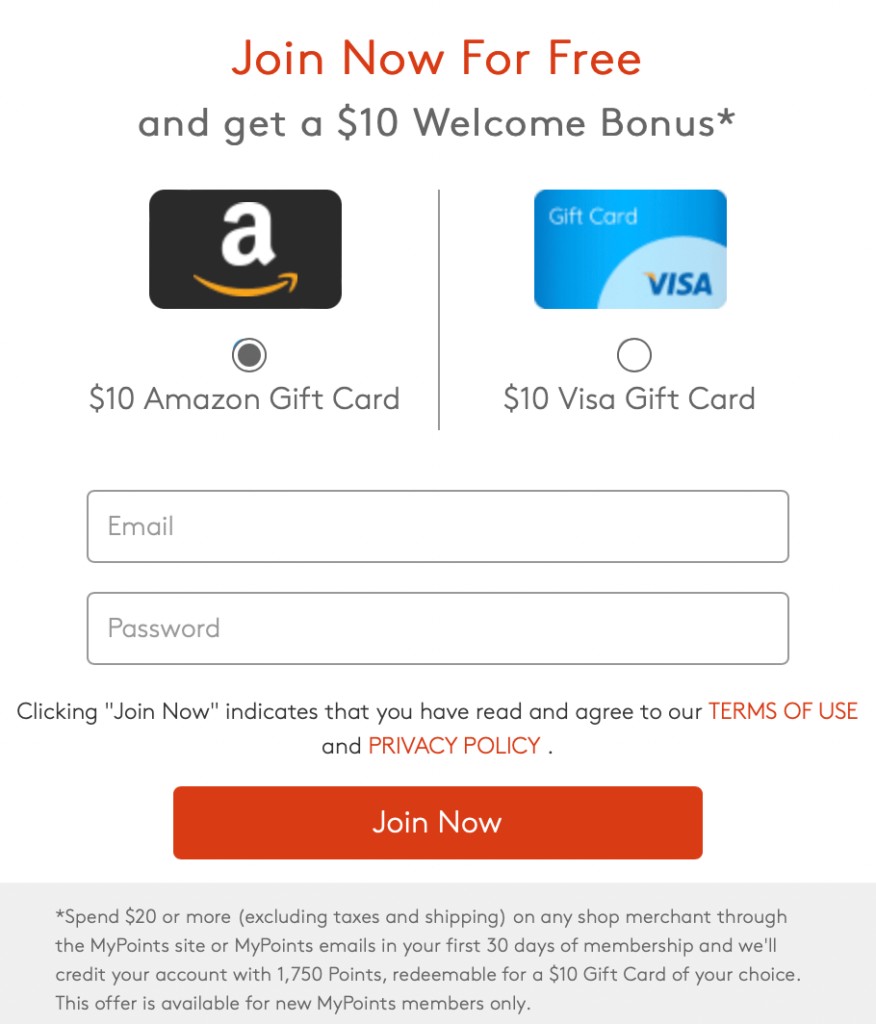
Creating an account is usually quick: provide an email, some basic profile details, and confirm your address. Filling out the profile thoroughly helps match you to relevant surveys and offers, reducing time spent on disqualifying screeners. Practical approach: treat the first week like onboarding—complete your profile, opt into email notifications for high-value tasks, and try a variety of task types to learn what pays best for your demographic. Avoid oversharing sensitive personal data and read any offer terms before committing to trial subscriptions or purchases.
6. Why targeted offers are often the most rewarding
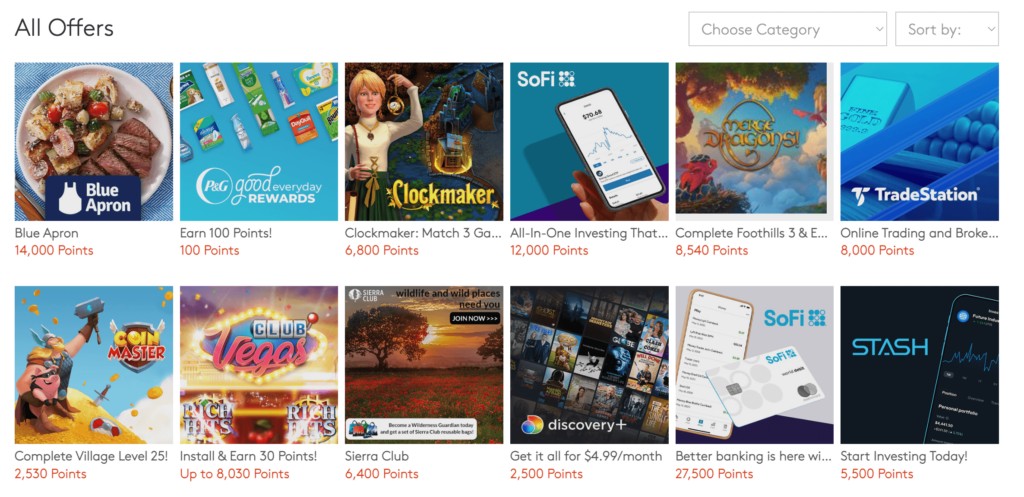
Promotional offers—like trial signups, subscription promotions, or app installs—can deliver the biggest single‑task returns when they match your interests and needs. These typically require an extra step beyond clicking, such as completing a trial or verifying an account, so factor in any cost or cancellation requirements. A practical tip: only opt into offers you’d consider using anyway, and set calendar reminders to cancel free trials before you’re charged. When chosen wisely, these offers can accelerate point accumulation compared with low‑paying surveys or video watching.
7. A practical tour of other ways to earn
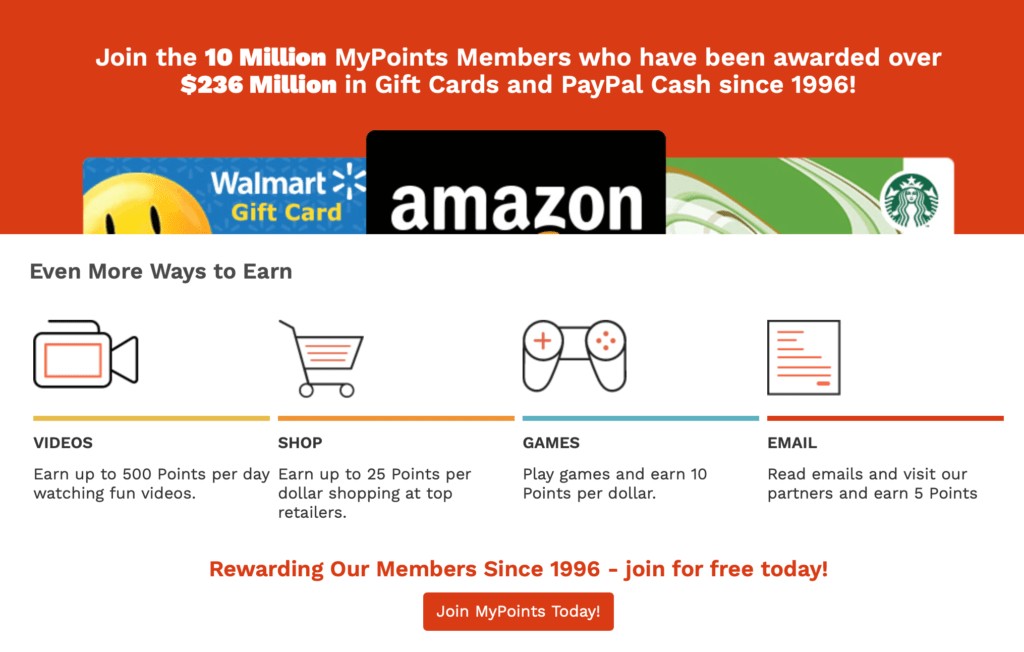
Beyond targeted offers, there’s usually a broad menu of smaller activities that add up: short surveys, watching sponsored clips, playing casual games, answering a daily poll, and using a search feature. Each task type has trade‑offs—videos and games are low-effort but usually lower reward, while surveys can pay more but include qualifying screeners that can end in disqualification. Practical example: stack low-effort video sessions during otherwise idle time and prioritize surveys that match your profile to reduce dead‑end screeners.
8. How redemptions and payout methods usually work
Points convert to tangible rewards through gift cards or cash transfers. Gift cards often offer the most direct perceived value for smaller balances, while cash transfers to a digital wallet typically have higher minimums. Always check the site’s redemption catalog to compare the point cost for each reward and note any processing times. Practical advice: if you prefer a specific retailer’s card, price out the points-to-value ratio and plan redemptions to avoid small leftover balances. Keep account details consistent with payout accounts to prevent delays.
9. Setting realistic earnings expectations
These platforms are best thought of as a way to earn modest rewards for time you’d otherwise spend online, not as reliable replacement income. Typical users report incremental returns that vary by how much time they invest, the offers available to their demographic, and whether they already shop through the portal. Practical scenario: if you treat it like a hobby—spending a little time most days—you can expect occasional gift cards or a small cash payout over a month or two. Approach with the expectation of supplementary value, not steady pay.
10. Tactics to maximize what you earn
Small adjustments add up: complete your profile fully, enable email alerts for new surveys, and prioritize higher-reward activities that fit your routine. For shopping, always start at the portal to capture cash‑back, and combine offers with normal purchases. Keep a list of trial offers you’ve accepted and calendar reminders to cancel if necessary. Also, treat referrals selectively—invite friends who will use the site, since some programs reward active referrals more than signups. A disciplined, selective approach helps minimize wasted time on disqualifications.
11. Strengths to expect — and where the platform falls short
Strengths typically include a variety of earning paths, easy-to-use interfaces, and a straightforward redemption catalog, making it convenient for casual users. On the flip side, accumulating enough points for larger redemptions can take time, and survey screeners can lead to repeated disqualifications. Geographic availability may limit some offers, and some tasks require purchases or trial commitments that aren’t suitable for everyone. Practically, weigh convenience and the kinds of offers you enjoy against the time investment required to reach meaningful redemptions.
12. Using the mobile app to earn on the go
A mobile app makes it easy to fit tasks into small pockets of downtime: complete polls on your commute, watch short videos while waiting, or claim shopping links from your phone. The app interface often streamlines notifications for new offers and can speed redemption requests. Practical advice: enable notifications sparingly for high‑value opportunities, use Wi‑Fi for video-heavy sessions to save data, and keep the app updated to access the latest features. A mobile-first habit turns otherwise idle minutes into steady point-building time.
13. Where it fits among other reward options
This type of site competes with a range of alternatives—straight cash‑pay survey services, browser extensions that offer cash back, and single‑merchant loyalty programs. If you prioritize shopping rewards, a portal with many retailer partnerships may be best; if you prefer surveys only, a dedicated survey panel could offer higher pay per study. Try two or three services side by side for a month to see which yields the most value for your time and preferred activities. The right mix depends on your habits and what you enjoy doing online.
14. Common questions people ask and practical answers
People often wonder whether these sites are scams, how long payments take, and whether personal data is safe. In practice, test the platform with low‑risk tasks first, run a small redemption to confirm processing times, and read the privacy policy to understand data sharing. For faster confirmations, keep your account details consistent and use email filters to capture offer invitations. If you run into issues, document interactions with customer support and check community forums for similar experiences—most problems have workarounds or clarifications available.
15. Is it worth adding to your routine?
Deciding whether to use this kind of site comes down to goals and time. If you enjoy short online tasks and want incremental rewards for time you already spend browsing, it’s a low‑risk way to earn extra value. If you’re aiming to replace income, look elsewhere. A practical plan: try the platform for a month with a modest time budget, track hours spent versus rewards earned, and decide based on that personal cost‑benefit. If it fits your lifestyle, it can become a pleasant, ongoing supplement to your budget.
Treat reward platforms as convenient tools for turning spare online time into modest value. With realistic expectations and a few simple habits—complete your profile, prioritize relevant offers, and track trial commitments—you can make them a practical addition to your routine.