How to Find Flexible Local Work: Smart Ways to Use TaskRabbit and Its Alternatives
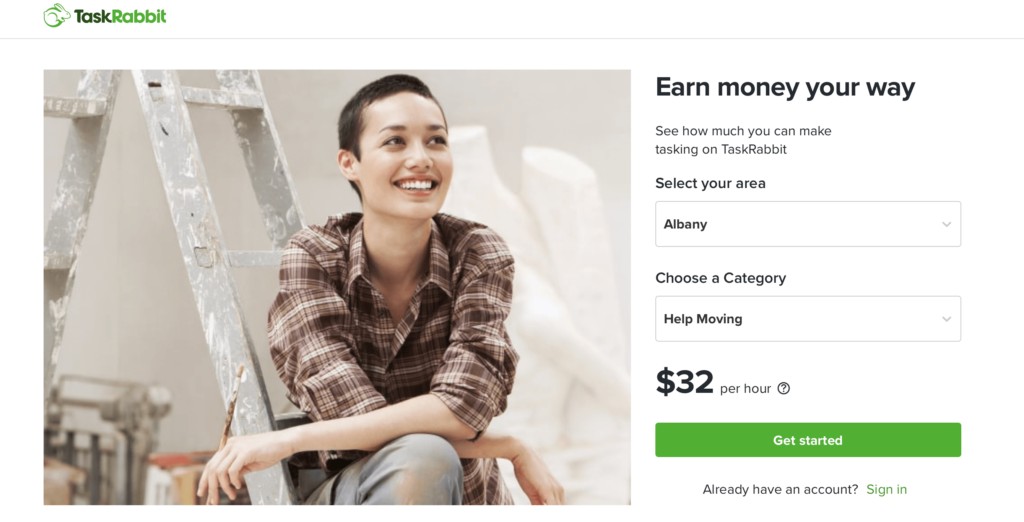
Looking for flexible ways to earn extra cash or to outsource chores without the hassle of hiring long-term help? The on-demand service model connects local helpers with people who need one-off or recurring tasks done. Below are practical perspectives on how this ecosystem works, the kinds of gigs commonly available, how to stand out, where else to look besides TaskRabbit, and what trade-offs to expect. Each section includes concrete examples you can try this week.
1. The platform model that makes flexible work possible
Online marketplaces changed how homeowners and small businesses find help: they centralize listings, customer feedback, scheduling and payment into one place. For a person offering services, this means you can set your availability, advertise specific skills, and accept jobs that fit your calendar rather than subscribing to a fixed shift. For example, a handyman can take a few weekend furniture-assembly gigs between contract projects, while a college student might fill short weekday deliveries. Keep in mind platforms often handle payments and may take a fee or require identity checks; view them as lead-generation tools you can leverage while building a direct client base.
2. Common gigs and niche services that actually get booked
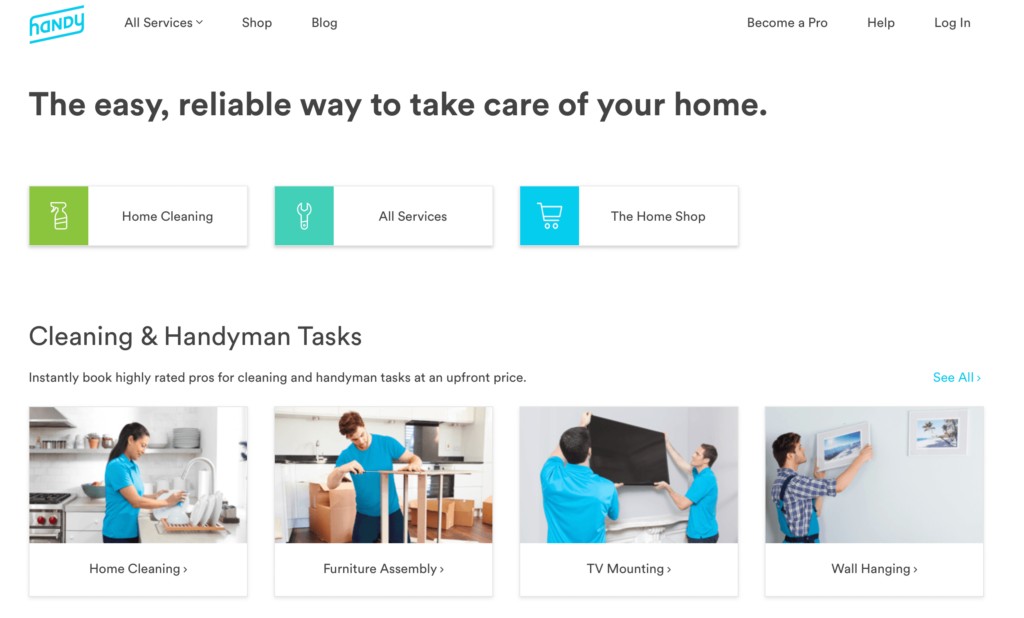
There’s a wide range of tasks that clients post: straightforward errands such as grocery pickup and drop-offs; cleaning assignments from quick touch-ups to deeper cleans; furniture assembly and mounting jobs for those handy with tools; and personal-assistant style errands like scheduling or event setup. Niche opportunities also exist—moving help, lawn care, pet care and senior assistance are examples that regularly appear. Practical approach: list three services you do confidently, pack a task-ready kit (basic tools, cleaning supplies, receipts) and create short templates for quoting time and materials so you can respond quickly and consistently when requests arrive.
3. Practical habits that win repeat business
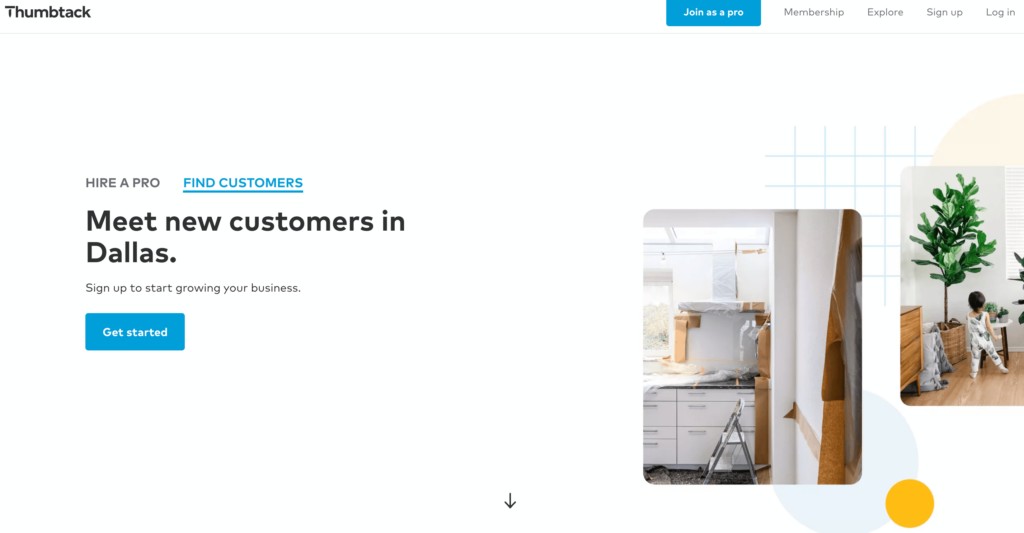
Building a dependable side business on these platforms comes down to consistency and communication. Respond promptly to inquiries with a friendly acknowledgment and a clear timeframe. Match jobs to your verified skills and be honest about what you can complete so clients aren’t surprised. Examples: use a short message template for confirmations, carry a simple card with your contact info to leave with clients, and add a small extra—folding linens after cleaning or tightening a few screws after assembly—to create positive reviews. Also set a rate that reflects your time and materials, and politely request feedback to grow your profile.
4. Beyond one app: which alternatives fit different needs
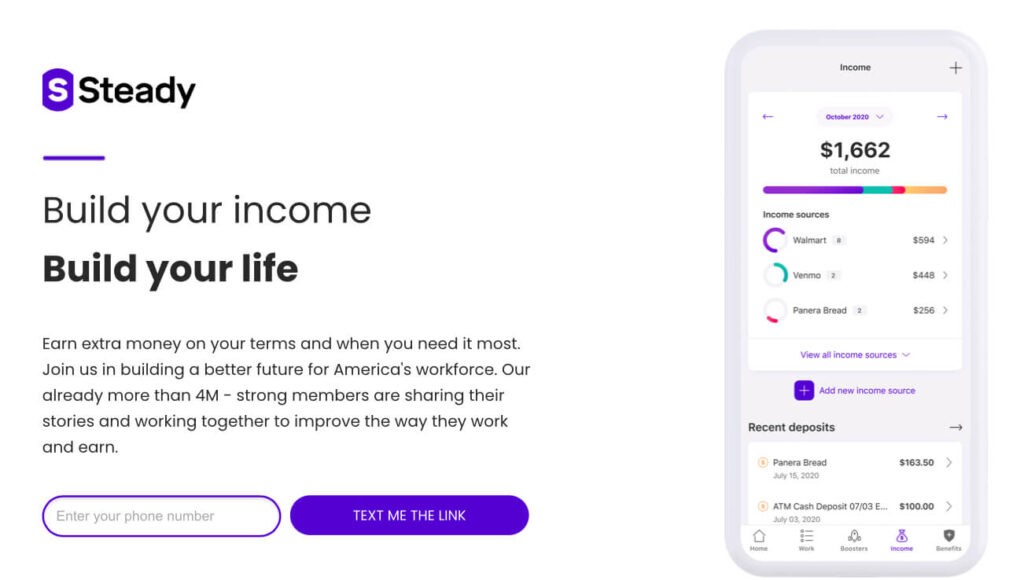
If one platform doesn’t match your area or service type, there are many alternatives with varying approaches: some focus on home services, others on caregiving, quick retail or mystery-shop style gigs, and a few specialize in moving and deliveries. When choosing, match the app to the work you prefer—apps oriented toward professional contractors often use lead or bidding systems, while micro-task apps list quick, low-commitment gigs. Practical step: create profiles on two complementary services—one that targets home improvement or cleaning and another that lists short errands or retail checks—so you can keep steady opportunities flowing without spreading yourself too thin.
5. What to weigh before you sign up: benefits and trade-offs
Flexible gig platforms offer autonomy—you pick hours, choose tasks, and control your local visibility—but they also bring uncertainty. Pros include the ability to test services without overhead and the chance to convert one-off clients into recurring work. Downsides can include gaps between bookings, competition that can push down prices, and sometimes costs for leads or verification. A practical tactic: treat the platform as a marketing channel rather than a sole income source. Track hours and fees carefully and compare bookings per hour across apps to decide where your time is best spent.
6. Quick answers to the questions most new helpers ask
Newcomers often want to know what it takes to get started and how payments and safety are handled. Most services require identity verification and may ask for background screening depending on the work category; keep a ready copy of identification and references to speed onboarding. Payment is commonly handled through the platform with bank deposit or digital payout options—review payout schedules before accepting a job. Practical to-dos: prepare basic liability information if you have it, read platform policies on cancellations and damage, and set aside a simple record-keeping folder for receipts and earnings to simplify bookkeeping.
7. A realistic first-month plan to test the market
If you’re curious but cautious, start with a single platform and a focused offering. Spend the first two weeks polishing your profile, adding clear photos and concise service descriptions. The next two weeks, accept small, time-limited gigs to gather reviews and refine timing and pricing. Example: offer three types of tasks you can complete reliably in under two hours, keep messages short and professional, and ask satisfied clients for a short review. After a month, review which tasks paid best per hour and consider expanding to a second app or introducing a referral discount for repeat customers.
These marketplaces can be an efficient way to earn on your terms or find reliable local help. Start small, focus on quality and clear communication, and use the platform tools to learn what clients in your area value most.