A Practical Guide to Earning from Foot Photography: Safe, Smart Steps to Get Started
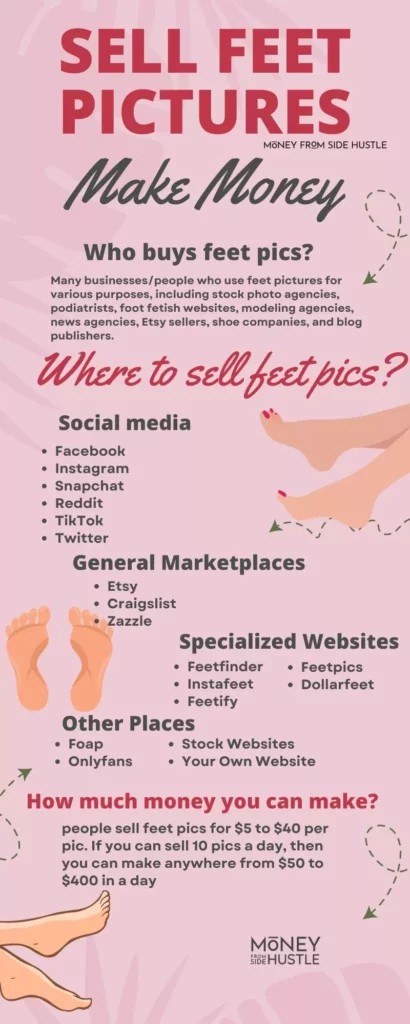
If you’re curious about turning creative shoe-free snaps into extra income, this friendly primer walks through legitimacy, platforms, safety and craft. Each section breaks one core idea into actionable steps and real examples so you can decide what fits your comfort level and schedule.
1. Is this a real side hustle?
Selling photos of your feet has moved beyond online rumor into a niche market with paying customers. Whether you consider it an art, a hobby business, or a commission-driven gig depends on your comfort and boundaries. Practical example: someone who lists curated close-ups and themed shoots on a verified marketplace can treat it like other small online storefronts—set hours, manage inquiries, and track earnings—while someone else might only accept occasional custom requests for friends or private clients. Remember to choose the level of anonymity and exposure that matches your values and local law before you begin.
2. Who can build this into income?
This opportunity is open to many different people: models, hobby photographers, caregivers showcasing foot-care routines, and complete newcomers. You don’t need magazine-perfect feet—there are buyers for a wide range of appearances and styles. Practical example: a teacher who moonlights can create a small, password-protected portfolio and post occasional offerings on a weekend, while a freelance model might develop a larger catalog and offer themed sets. The key is a professional approach—good lighting, clear pricing, and consistent posting—so buyers know what to expect.
3. Who’s buying and why it matters
Buyers range from businesses that need imagery to private collectors and enthusiasts. Clients might include small companies sourcing product or lifestyle imagery, bloggers wanting illustrative shots, stock libraries, shoe or sock makers, and individual buyers with specific tastes. Practical example: a local sandal designer could commission clean, neutral-background foot shots for product pages, while a niche community member might pay for a themed set with particular poses. Knowing the buyer type helps you tailor imagery, set licensing terms, and decide whether to offer one-off sales, commercial licenses, or subscription access.
4. Where to list your work: platform overview
You can sell through purpose-built marketplaces, mainstream platforms, social accounts, or your own website. Each route has trade-offs: niche sites offer targeted audiences and easier discovery; general marketplaces bring discoverability but more competition; your own site gives maximum control and fewer fees but needs traffic. Practical example: start on one or two focused platforms to learn pricing, then expand to a shop on a general marketplace and a simple website. Track which channels generate inquiries and shift effort toward the ones with the best return on time invested.
5. Specialized marketplaces that connect buyers and sellers
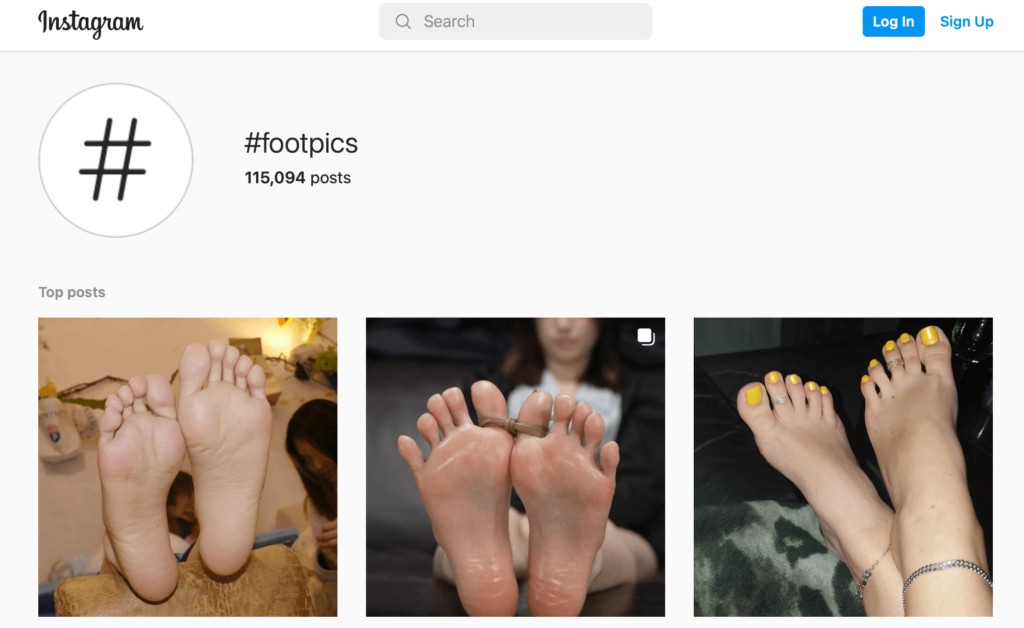
Dedicated sites focus on foot imagery and often provide verification, search tools, and community features that attract targeted buyers. These platforms commonly require identity checks and let you display albums, set per-image prices, and message customers securely. Practical example: create an account on a niche marketplace, complete the ID verification, upload themed galleries (e.g., outdoor barefoot shots, polished pedicure sets), and use the platform’s messaging to negotiate a custom bundle rather than sharing personal contact details.
6. Using social channels to reach clients
Social networks are powerful discovery tools when used strategically: keep separate business accounts, post consistent visual content, and funnel interested followers to a sales point. Platforms like Instagram, TikTok and Reddit favor aesthetics and engagement; Twitter and Facebook groups can be useful for direct inquiries. Practical example: maintain a public page with teaser images and clear instructions to message for commissions, then offer a protected, paid subscription or a link to your storefront for final purchases. Use platform analytics to see which posts drive contacts and replicate their style.
7. General marketplaces: reach broader audiences
Etsy, Craigslist, and similar sites can be used to list digital images or commission services, but each has different rules and buyer expectations. On Etsy, polish listings with detailed descriptions and keywords; on classified sites, prioritize safety and clear payment terms. Practical example: create an Etsy listing with multiple sample photos, specify digital delivery, and include usage rights; on a classified ad, avoid sharing personal details and require payment upfront through a trusted method before delivering files.
8. Other useful outlets: apps, apps-as-stores and microstock
Beyond marketplaces and social media, there are apps and sites that let you submit single images, compete in themed challenges, or host subscriber-only feeds. Microstock platforms can sell more commercial shots if you shoot clean, versatile imagery; subscription services let creators bundle content for recurring revenue. Practical example: upload versatile, high-resolution foot photos to a microstock library for passive commissions, while running a private subscription channel for fans who want exclusive weekly shoots—use the subscription for repeat clients and the stock library for occasional sales.
9. Camera basics and small gear that sharpen your shots

You don’t need studio equipment to get professional-looking results. A smartphone with a steady tripod, natural-window light, and a simple reflector can produce crisp images. Learn composition basics—angles, negative space, and focal points—and edit to correct exposure and color. Practical example: set the phone on a low tripod, open a window for soft side light, use a white foam board as reflector, and shoot multiple angles: close-up of toes, arch profile, and full-foot composition. Use a basic editing app to crop, adjust brightness, and gently smooth skin tone for a polished final image.
10. Healthy feet that look great on camera

Good-looking images start with simple foot care: regular washing, moisturizing, tidy nails, and gentle exfoliation to remove rough patches. Small styling choices—fresh polish, tasteful anklets, or neat toe rings—can elevate a shot. Practical example: before a beach-themed series, soak feet in warm water, lightly buff callused areas, apply a neutral polish, and photograph footprints in wet sand for a natural, textured image. Routine maintenance keeps your inventory ready and reduces last-minute retouches, saving time and improving buyer satisfaction.
11. Poses and compositions that sell
Variety helps you appeal to different buyers: try top-down shots, side arches, soles, toes scrunched or spread, crossed feet, and action shots like walking or dangling. Mix close-ups and environmental contexts for mood. Practical example: create mini-sets—one focused on polished toes with a plain backdrop, another showing feet dangling from a chair with a cozy blanket, and a third of feet in running shoes mid-stride—to test what your audience prefers and to present options in a single listing.
12. Props that give character to images
Simple accessories transform a basic foot shot into a themed scene: socks, shoes, jewelry, flowers, sand or water, and seasonal items add narrative and texture. Props also help target niche buyers who want context. Practical example: for a summer collection, use colorful flip-flops, toe rings, and a small palm frond; for an elegant set, include an anklet, soft blanket, and warm studio lighting. Keep props clean and complementary—avoid clutter so the foot remains the focal point.
13. Choosing backgrounds that complement the subject
A background can be minimal to highlight form, textured to add depth, or contextual to tell a story. Neutral linens, hardwood floors, sand, or a softly blurred outdoor scene are all useful options. Practical example: use a plain wood plank for warm, lifestyle shots; a white seamless paper for commercial-style images; and soft grass or sand for outdoor series. Match background color and texture to the mood you want—clean whites for product-like listings, warm textures for cozy or boho themes.
14. Essential marketing moves for steady sales
Beyond great photos, thoughtful promotion grows buyers: consistent posting, keyword-rich descriptions, engagement with followers, and limited-time offers. Use platform analytics to refine what works. Practical example: post three times per week with different angles, tag images with targeted keywords, reply promptly to inquiries, and run a weekend discount for a three-image bundle. Cross-promote between a public social profile and a private storefront, directing interested people from public previews to paid galleries or subscription pages.
15. Operational step-by-step to run this as a small business
Treat listings like a product line: create themed albums, set clear pricing, assemble packages (single images, sets, or monthly access), and keep records of sales and expenses. Use separate business accounts for payments and communication to maintain boundaries. Practical example: open a business PayPal or similar merchant account, price images individually and offer a discounted five-image pack, watermark previews, and maintain a simple spreadsheet tracking uploads, sales platform, gross earnings, and time spent so you can evaluate profitability.
16. Safety checklist: avoid scams and protect yourself
Prioritize secure payment methods, never send full-resolution files before confirming payment, and avoid sharing identifying personal information. Watch for classic red flags: overpayment schemes, requests to move off-platform too quickly, or buyers who insist on offsite contact. Practical example: require verified payments via a trusted processor, use platform escrow features when available, decline offers that require sending files before funds clear, and retain preview watermarks. If a buyer’s behavior feels off, pause communication and report them to the platform.
17. Pricing and what to expect financially
Earnings vary widely based on channels, volume, and pricing strategy. You might charge per image, for themed bundles, or as a subscription with recurring revenue. Consider offering tiered options: single images at a base rate, custom shoots at a premium, and monthly access for frequent buyers. Practical example: set a baseline price for single-use digital images, offer a discount bundle of five images, and price custom sessions higher—track how long shoots and edits take so you can calculate an hourly equivalent and adjust prices to meet your income goals.
18. A sensible, ethical way to get started
If this path interests you, begin deliberately: define boundaries, pick one or two platforms to learn the ropes, and build a small, consistent catalog before scaling up. Prioritize secure payments and clear usage terms so expectations are transparent. Practical example: create a private portfolio of 10 polished images, open accounts on a niche site and a marketplace, set a modest price list, and spend a month monitoring inquiries and sales. If it aligns with your goals and comfort, expand gradually; if not, step back without judgment.
19. Frequently asked practical questions
Common questions concern age and legality, anonymity, taxes, and whether perfect feet are required. Short practical answers: be sure you meet age and legal requirements; use business payment accounts and separate contact info; consult a tax professional about reporting earnings; and remember many buyers seek a variety of looks, not perfection. Practical example: keep copies of platform terms, use a dedicated business email, set aside a portion of income for taxes, and test different styles to find what sells—don’t assume you must match any single standard of beauty.
Whether you treat foot photography as a modest side project or a small creative business, focus on clarity, safety, and craft. Start small, learn which images and channels perform best for you, and iterate: better photos, clearer terms, and professional habits lead to steadier results.