How to Turn Spare Minutes into Pocket Money: A Practical Guide to Getting Paid for Reading Emails
If you’re curious about making a little extra cash without a big time commitment, reading paid emails can be an easy place to start. Below is a clear, practical roadmap that explains how the programs work, why companies pay for attention, where to look, and how to make the most of your time — all with realistic expectations.
1. Getting Started: How these paid-email programs actually work
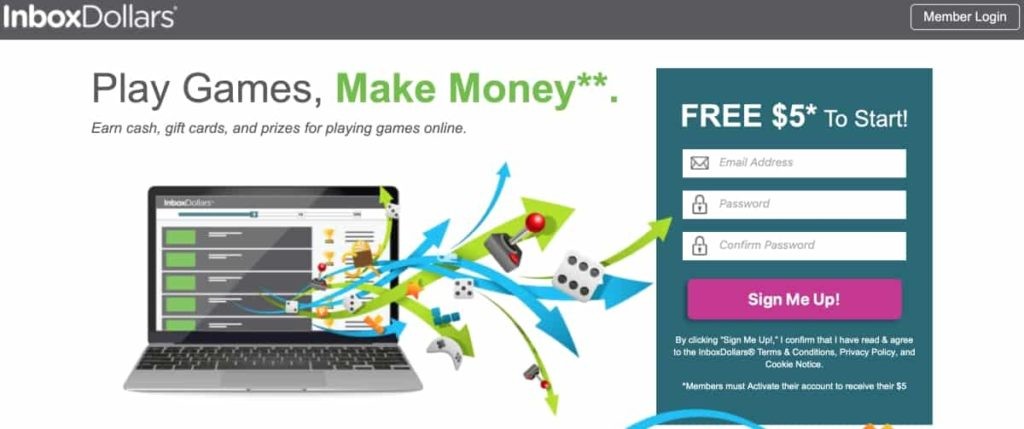
Most paid-email offerings follow a simple flow: you register, confirm your address, receive promotional or survey invitations, and earn credit when you follow the program’s required steps. That could be opening a message, clicking a confirmation link, or answering a quick question. Practical example: create an account, verify it, and set aside a short daily window to open new messages and complete any associated clicks. The process rewards attention and engagement rather than heavy effort, so treating it like a short daily habit — not a main income stream — will keep expectations realistic while still producing steady small returns.
2. Why brands compensate people to read emails
Companies pay readers because attention is valuable: marketers want to reach potential customers, gather feedback, and test interest in products or offers. When real people open and engage with messages, brands gain insights on which subject lines, images, or offers perform best — and they can generate leads for follow-up sales or product tests. For example, a brand launching a new snack might pay readers to open a message and answer a short survey about taste preferences, helping the company refine its launch plan. In short, paid-email programs exchange small incentives for authentic consumer attention and feedback.
3. Where to find legitimate paid-email opportunities
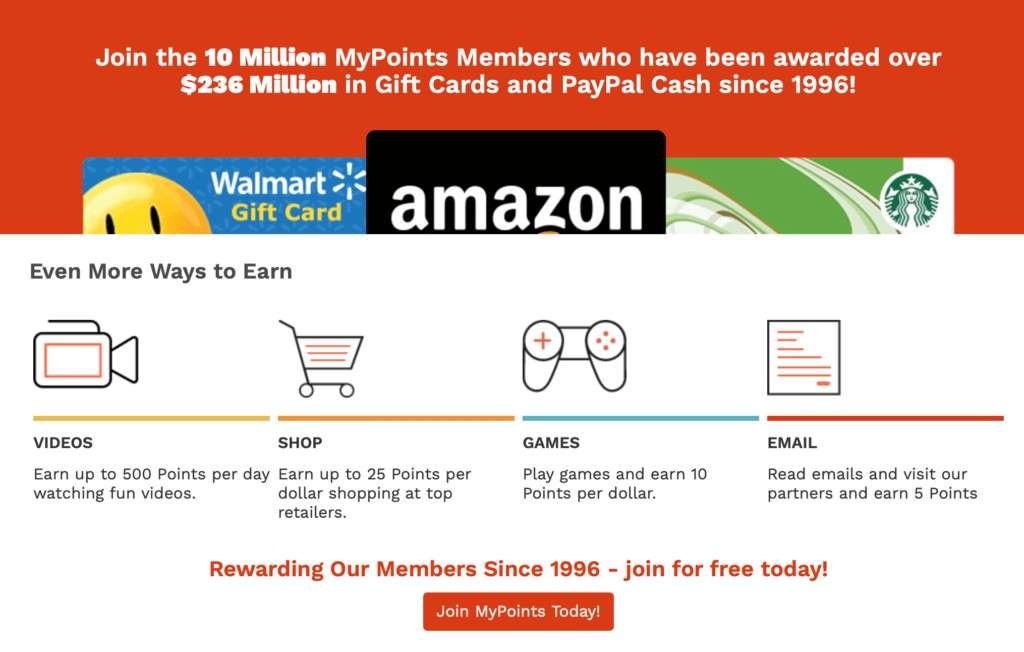
Paid-email opportunities are found in a few common places: general rewards platforms, survey panels that include email tasks, sites specializing in email engagement, and companies that hire remote workers to process messages. Search for reputable platforms with clear payout processes and straightforward task lists. A practical approach: sign up on several reputable reward platforms, maintain a dedicated email address for these accounts, and opt into their promotional message streams. That way you’ll see a mix of simple open-and-earn emails and higher-value tasks like short surveys or offer completions that boost your overall take.
4. What to expect from earnings and payout mechanics
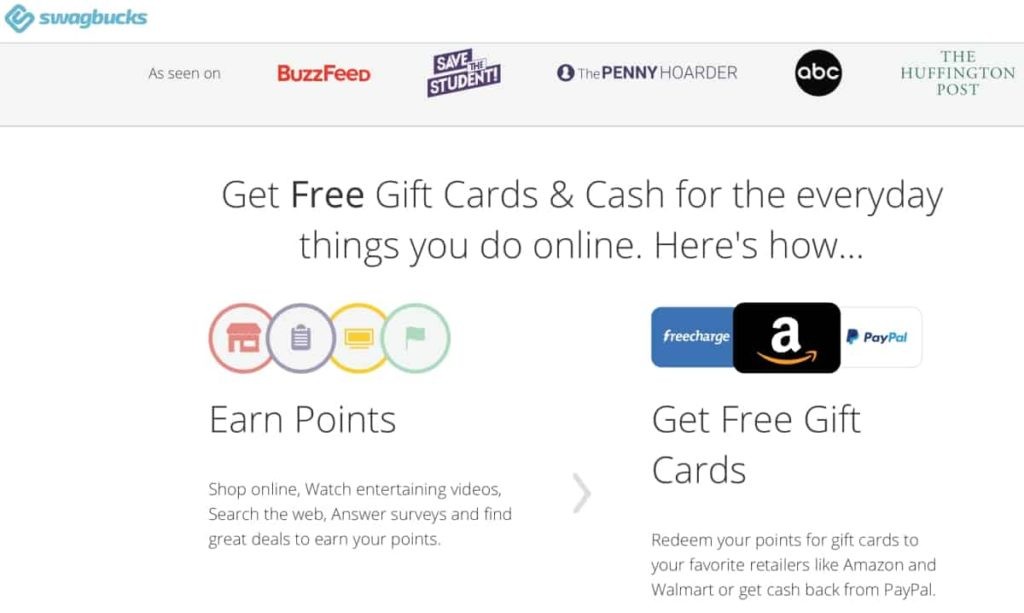
Earnings from reading emails tend to be modest per message and vary depending on the program and any additional actions required. Instead of viewing it as a replacement for salaried work, consider it a way to add pocket money when combined with other microtasks. Factors that influence payouts include the type of email (simple reads vs. action-based offers), membership level, and whether you complete supplementary tasks like short surveys or trials. Practical tip: treat paid-email income as incremental — check the program rules so you understand minimum withdrawal thresholds and redemption options, and combine tasks to reach those thresholds faster.
5. Practical tactics to boost your returns without extra hours
Small changes can increase what you take home: use a dedicated inbox to avoid clutter, sign up for multiple reputable programs to increase message volume, and set a short daily routine to scan and claim eligible emails. For example, block 10–15 minutes after lunch to open new messages, click required links, and mark completed tasks. Also, pay attention to program rules — some require clicking confirmation links or completing a microtask to qualify. Combining email reading with low-effort tasks like brief surveys or video-watching sessions on the same platforms can accelerate progress toward redemption thresholds.
6. Weighing the upside and the trade-offs
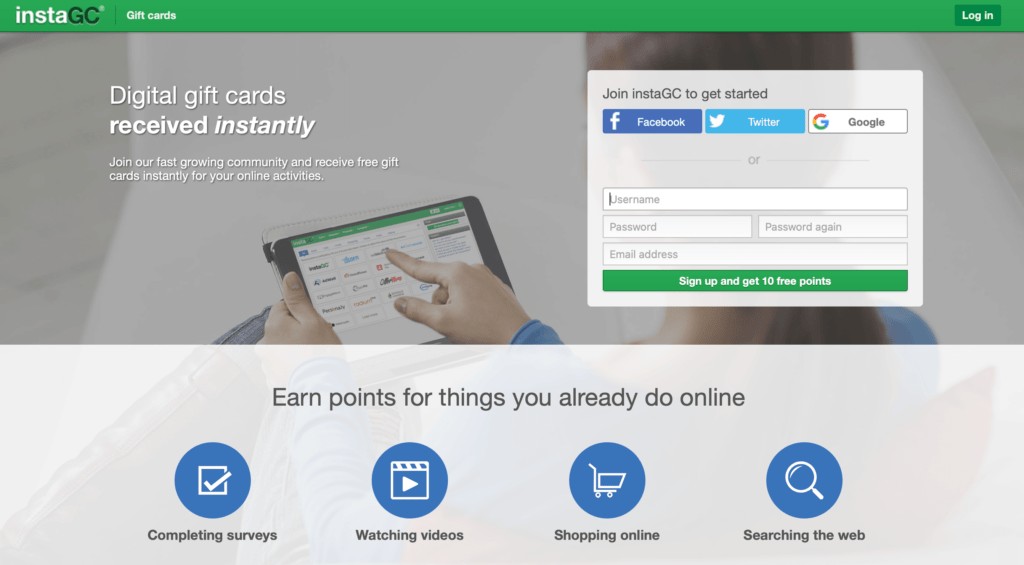
Paid-email programs are attractive because they’re easy to begin and fit into spare moments, but they aren’t a quick route to substantial income. Benefits include flexibility and low entry barriers; downsides include low per-message rewards and the possibility of extra promotional mail. Practical mitigation: use a separate email account to keep your main inbox clean, and prioritize platforms with transparent payout processes and reasonable redemption options. For example, choose programs that offer clear ways to cash out or redeem for gift cards, and avoid any service that requires large upfront payments or asks for sensitive personal data.
7. A realistic plan to make paid-email work for you
If you’d like to try this short-form hustle, start with a small experiment: sign up on a few trustworthy platforms, use a separate inbox, and track how much time you spend versus what you earn. Set simple goals, such as checking your paid inbox three times weekly, and build routines like combining email reading with other microtasks to reach redemption thresholds sooner. Remember to withdraw earnings promptly when possible and to re-evaluate after a month — if the time-to-earnings ratio isn’t worthwhile, consider shifting your attention to other side gigs that better match your income goals.
Reading paid emails can be a tidy, low-effort way to earn a little extra money when you’re already online. With realistic expectations, a dedicated inbox, and a consistent short routine, it fits neatly alongside other small tasks and can add up over time without disrupting your day.