How to Turn Food Deliveries into a Higher-Paying Side Hustle: A Practical Guide
If you’re curious about delivering for Uber Eats to top up your income, this guide breaks down what to expect and how to work smarter — not just harder. Below are clear steps, real-world tactics, and balanced pros and cons to help you decide whether delivery driving fits your life.
1. Start Line: What you need to sign up and stay active
Becoming a delivery partner begins with a short checklist: an account, identity and vehicle documents, and a cleared background check. Cities and vehicle types vary — some markets allow bikes or scooters while others require a registered car. Practical preparation includes snapping clear photos of your license and insurance, keeping contact details up to date, and making sure your smartphone is charged and compatible with the driver app. Example: if you plan to switch between bike and car, create two separate vehicle profiles or check local rules first, so you don’t lose time updating paperwork in the middle of a shift.
2. How the app coordinates restaurants, customers and drivers
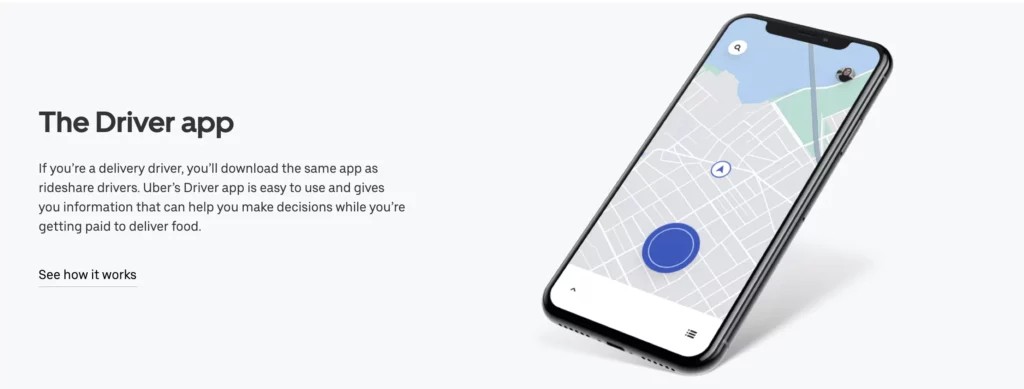
Uber Eats works as a three-way marketplace: customers order, restaurants prepare meals, and drivers accept deliveries through the app. You’ll get notices for nearby requests and can accept or decline based on distance, complexity or tip size. Batching and stacked orders allow picking up multiple items in one outing when the app groups nearby orders or adds extras mid-trip. Practical example: when a batch appears with two orders from the same plaza, accepting it can double pay for one pickup stop — but you should check the drop-off sequence and total travel time before committing.
3. What shapes your pay and how to track real earnings
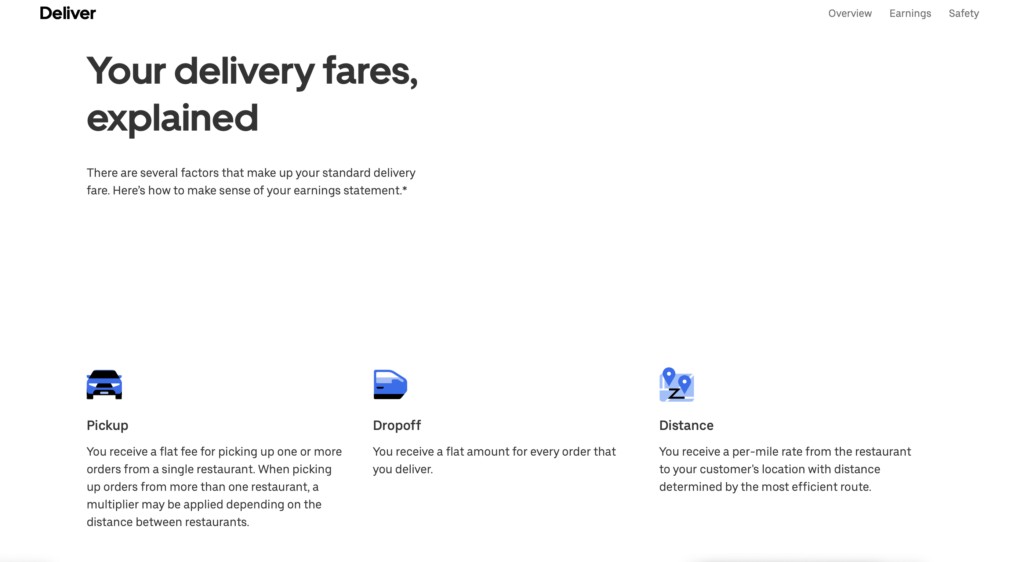
Your take-home from deliveries reflects several moving parts: base pay, distance or time adjustments, tips, and occasional bonuses. Crucially, expenses — fuel, maintenance, and taxes — reduce net income. To understand how much you actually earn, log gross payments and then subtract route-related costs. Practical example: on a busy evening, your app might show several short, high-tip trips; record those totals and compare them to the gas used that week to see whether you’re making a profit after expenses. A simple spreadsheet or mileage-tracking app can reveal which neighborhoods and times are most lucrative for you.
4. Smart, repeatable tactics that raise your weekly haul
Hitting a high weekly income requires strategy: choose busy windows like lunch or dinner rushes, prioritize short high-tip orders, and take advantage of in-app promotions when they match your schedule. Plan routes with Waze or Google Maps to avoid traffic and use the app’s heatmap to find hotspots. Offer consistent, polite customer service and double-check orders to protect your ratings and tips. Example tactics: leave a cushion between shifts to handle delays, accept batched pickups when drop-offs are clustered, and save high-demand neighborhoods for peak times. Track which combos of hours, areas and restaurants deliver the best net return for you.
5. Don’t put all your hours on one app: mixing platforms
Many drivers increase opportunities by signing up for multiple delivery platforms. Being able to switch apps widens the pool of available orders and helps fill slow patches. That said, running several apps simultaneously can complicate acceptance rates and your focus; some drivers rotate apps by time of day rather than running them all at once. Practical example: use one app for the early dinner rush and switch to another later in the evening when its promotions kick in. If you try multi-apping, keep a simple routine — close other apps while you complete an order to avoid missed pickups or cancellations.
6. What experienced drivers actually do (and why it matters)
Veteran couriers often emphasize ‘cherry-picking’ — accepting only orders that cover time and mileage — and learning which restaurants are fast and which neighborhoods tip better. Many also recommend experimenting with scheduling days off to protect averages, and switching apps by time to reduce diminishing returns. Practical example: a driver might avoid a set of slow weekday evenings and instead concentrate on weekend nights in entertainment districts where gratuities tend to be larger. Listening to peers on forums can help you spot patterns, but always test strategies in your own market to see what actually increases your net.
7. Weighing pros and cons: flexibility, costs and risks
Delivering offers freedom to set hours and learn your city, but it also brings trade-offs. You won’t get traditional employee benefits, and more miles mean faster wear on your vehicle. Income can be irregular: one week might be busy, the next slower. Protect your margins by budgeting for maintenance and by keeping receipts for deductible expenses. Practical example: set aside a portion of each week’s gross to cover oil changes, tires and higher insurance premiums. Also consider safety gear, a good insulated bag for food, and a routine that reduces idle time while keeping service quality high.
8. Short answers to the questions drivers ask most
Common concerns include whether you can deliver without a car (yes, in many urban areas bikes and scooters are accepted), whether tips matter (they do: they’re part of your pay and often the largest variable), and how ratings affect work (high ratings protect your standing and can influence order flow). Another frequent question: how to get more orders — the practical moves are driving to hotspots, working peak windows, and staying responsive to in-app opportunities. Example: if you live near a busy university, a short evening shift there might produce more orders per hour than driving across town for a single long job.
9. Framing a realistic goal: what success looks like for you
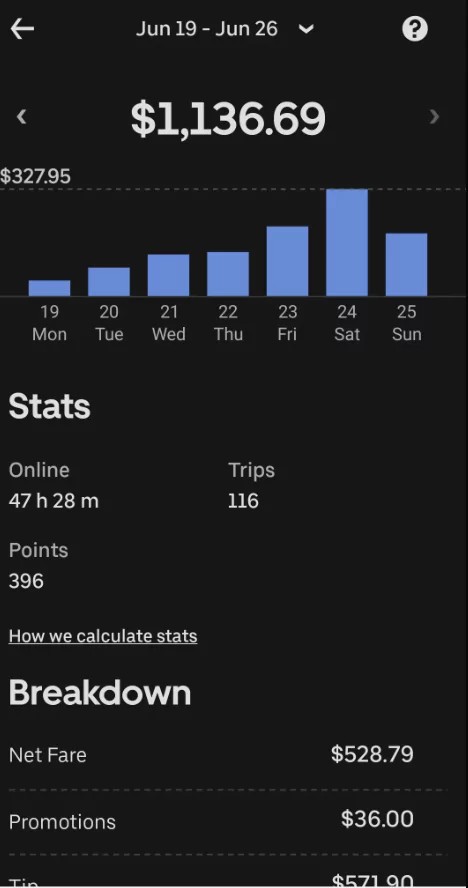
Aiming for a four-figure week can be motivating, but treat it as a planning target rather than a promise. Success depends on your market, chosen hours, tipping patterns, and how well you control expenses. Build a weekly plan that tracks gross earnings, fuel and maintenance, and net profit; then iterate. Practical example: set a target for number of high-return hours per week, note which neighborhoods and restaurants performed best, and adjust your schedule. Over a few weeks you’ll know whether that income goal fits your lifestyle or whether a mixed-platform approach gives a better, steadier return.
Delivery driving can be a flexible way to boost income if you prepare, track real costs, and adopt the tactics that work in your neighborhood. Test ideas, keep records, and tweak your approach until you find a sustainable rhythm that meets your goals.