Make an Industrial Home Feel Warm, Calm, and Effortlessly Livable
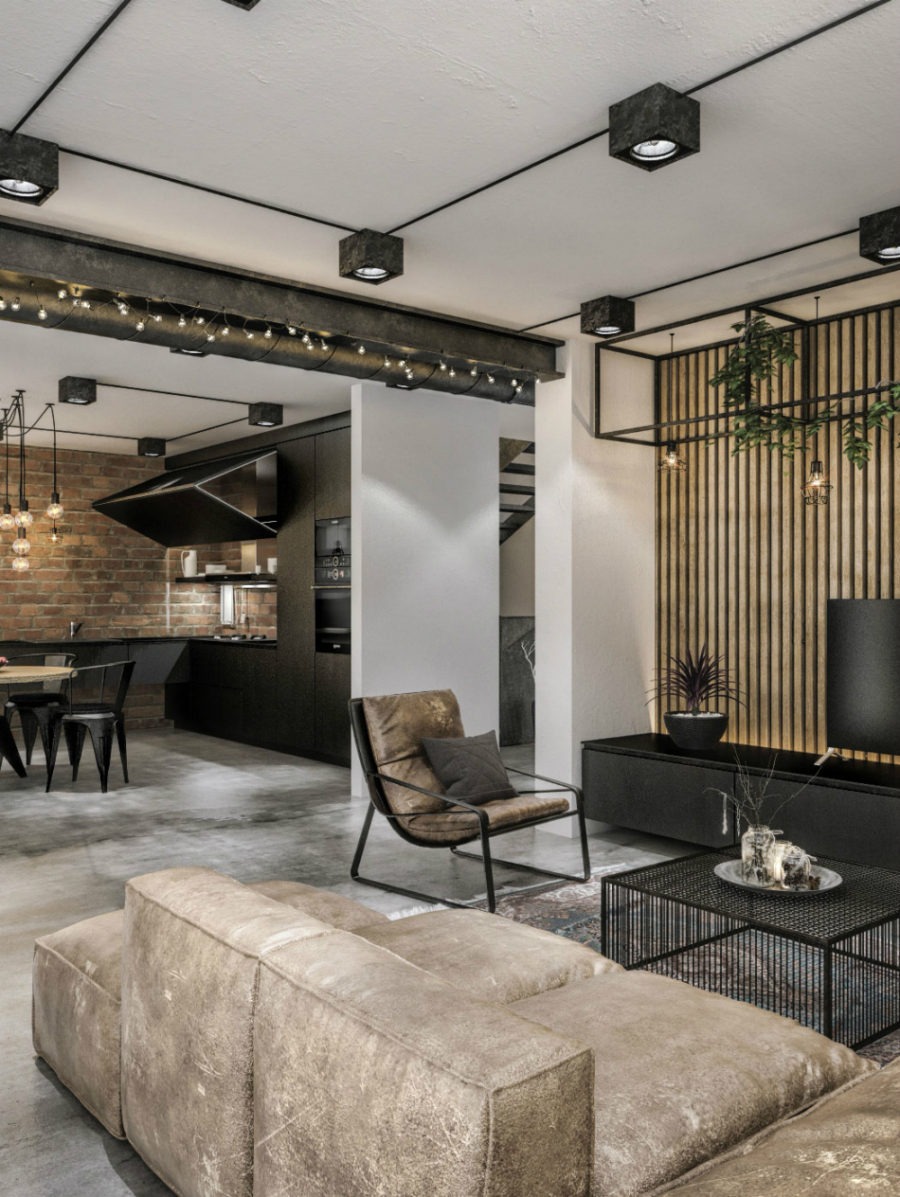
Industrial interiors can be beautiful without becoming cold, echoing, or difficult to live in. The most successful approach treats hard-working materials—concrete, metal, brick, glass, and timber—as a backdrop for comfort rather than a substitute for it. With thoughtful zoning, layered lighting, and a few tactile rituals, an apartment with an urban edge can support slow breakfasts, focused work, relaxed hosting, and restorative evenings.
This guide translates that design attitude into everyday choices. The ideas are intentionally adaptable: renters can use freestanding pieces and removable finishes, while homeowners can consider more permanent architectural moves. Each section pairs a practical design lesson with a small Kitchen Pause recipe, turning the home into a place that looks considered and nourishes the people using it.
1. Start With a Quiet, Flexible Floor Plan
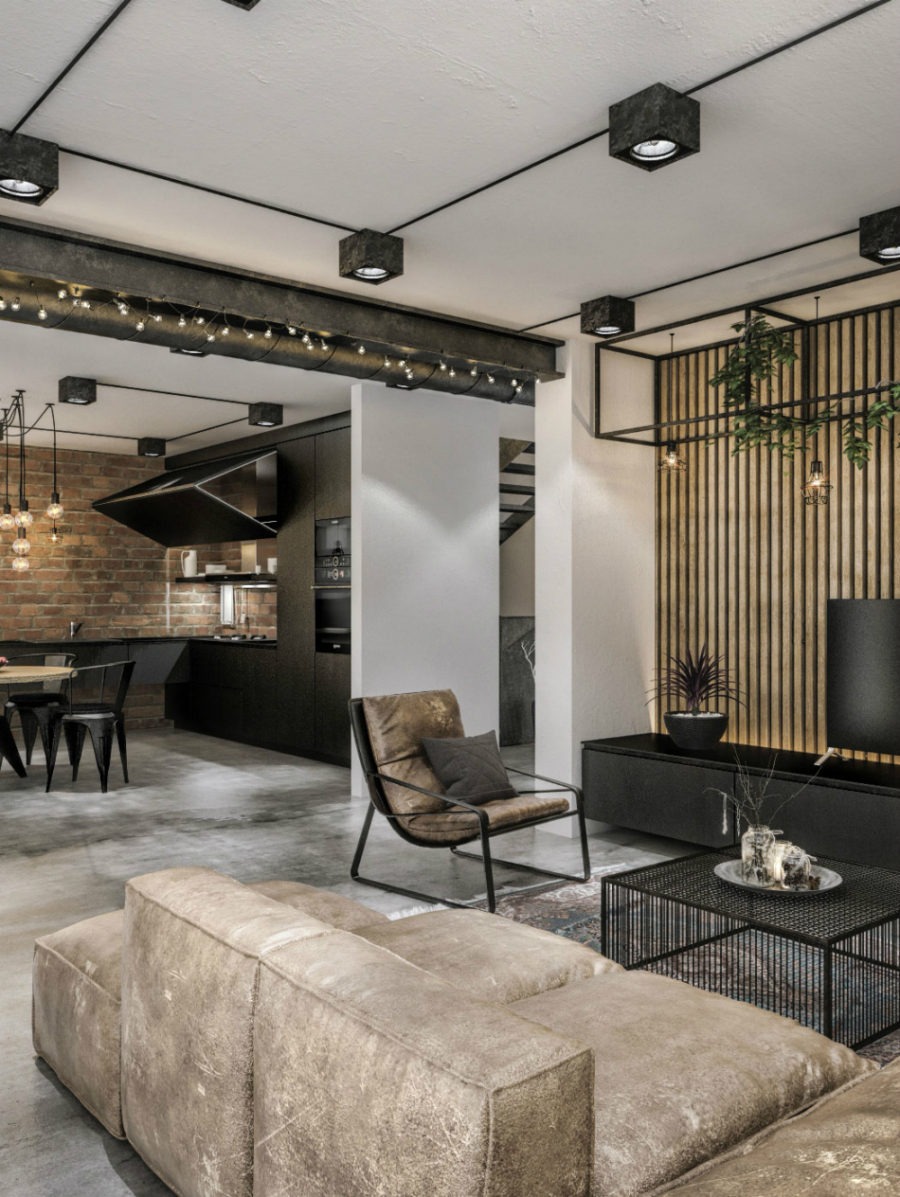
An open home feels generous when every zone has a clear job. Begin by observing how people actually move through the room: where coats land, where groceries are unloaded, where conversation gathers, and where quiet concentration is possible. Instead of filling the perimeter with furniture, use a dining table, slim console, or open-backed shelving to suggest boundaries without blocking light. A consistent path between the entry, kitchen, and sitting area keeps the space easy to navigate, while a rug or pendant can visually anchor each activity.
The practical takeaway is to edit before you decorate. Keep frequently used items close to their point of use, hide visual clutter behind one calm storage line, and leave enough clearance around seating for daily circulation. If the room doubles as an office, choose a table that can host both a laptop and a meal, then store work materials in a closed box at the end of the day. Flexibility is not emptiness; it is room for the home to change with the hour. It also leaves space for spontaneous guests, seasonal projects, and unplanned quiet.
Kitchen Pause: Lemon-Herb White Bean Toasts
- 1 can cannellini beans, drained and rinsed
- 1 tablespoon olive oil
- 1 teaspoon lemon zest
- 1 tablespoon lemon juice
- 1 tablespoon chopped parsley
- 2 slices whole-grain sourdough
- Pinch of salt and black pepper
- Mash the beans with olive oil, lemon zest, lemon juice, parsley, salt, and pepper.
- Toast the sourdough until crisp at the edges.
- Spoon the bean mixture over the toast and finish with extra herbs.
2. Balance Hard Surfaces With Tactile Comfort
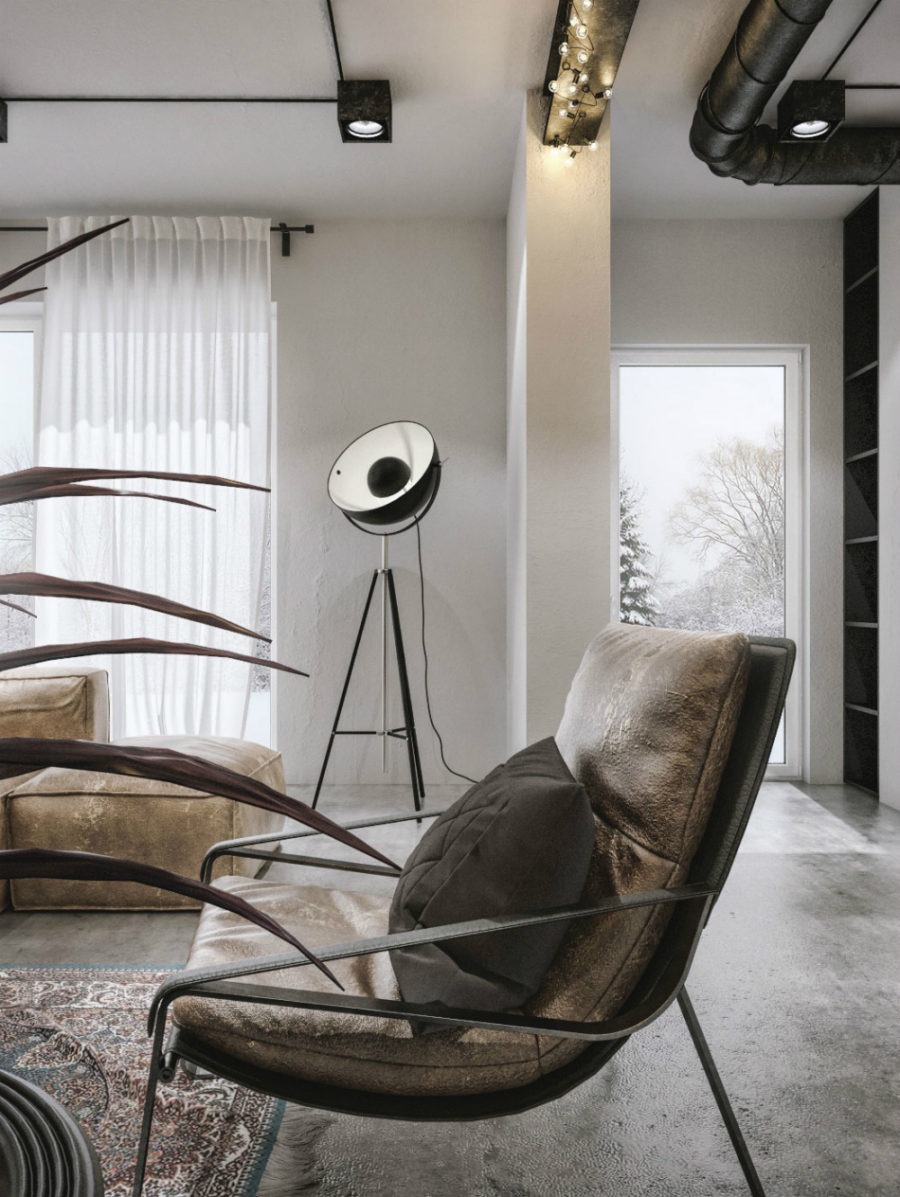
Concrete and metal bring visual strength, but a room made entirely of smooth, reflective surfaces can feel restless. Add softness in layers rather than hiding the architecture: a thick wool rug under the seating area, linen curtains at the window, a nubby throw over a chair, and cushions in washed cotton or boucle. These materials absorb sound as well as adding warmth, which makes conversations and music feel more intimate.
Choose a restrained palette so texture does the decorating. Warm white, mushroom, charcoal, and muted tan work well against industrial finishes, while one deeper color—olive, rust, or ink—can give the room a grounded focal point. Plants also help bridge the gap between engineered materials and daily life; select sturdy varieties and place them where their care fits naturally into your routine. The goal is not to make every surface plush. Keep a few crisp edges visible so the contrast feels deliberate.
When shopping, test fabrics in daylight and consider maintenance honestly. Removable covers, washable runners, and durable baskets are especially useful in homes where cooking, pets, or children are part of the picture. Comfort becomes sustainable when it is easy to clean and pleasant to use every day.
Kitchen Pause: Creamy Tahini Date Dip
- 1/3 cup tahini
- 2 soft Medjool dates, pitted
- 2 tablespoons warm water
- 1 teaspoon lemon juice
- 1/4 teaspoon cinnamon
- Pinch of salt
- Blend tahini, dates, water, lemon juice, cinnamon, and salt until smooth.
- Add water by the teaspoon if needed for a spoonable texture.
- Serve with apple wedges, pears, or whole-grain crackers.
3. Let Lighting Create the Evening Mood
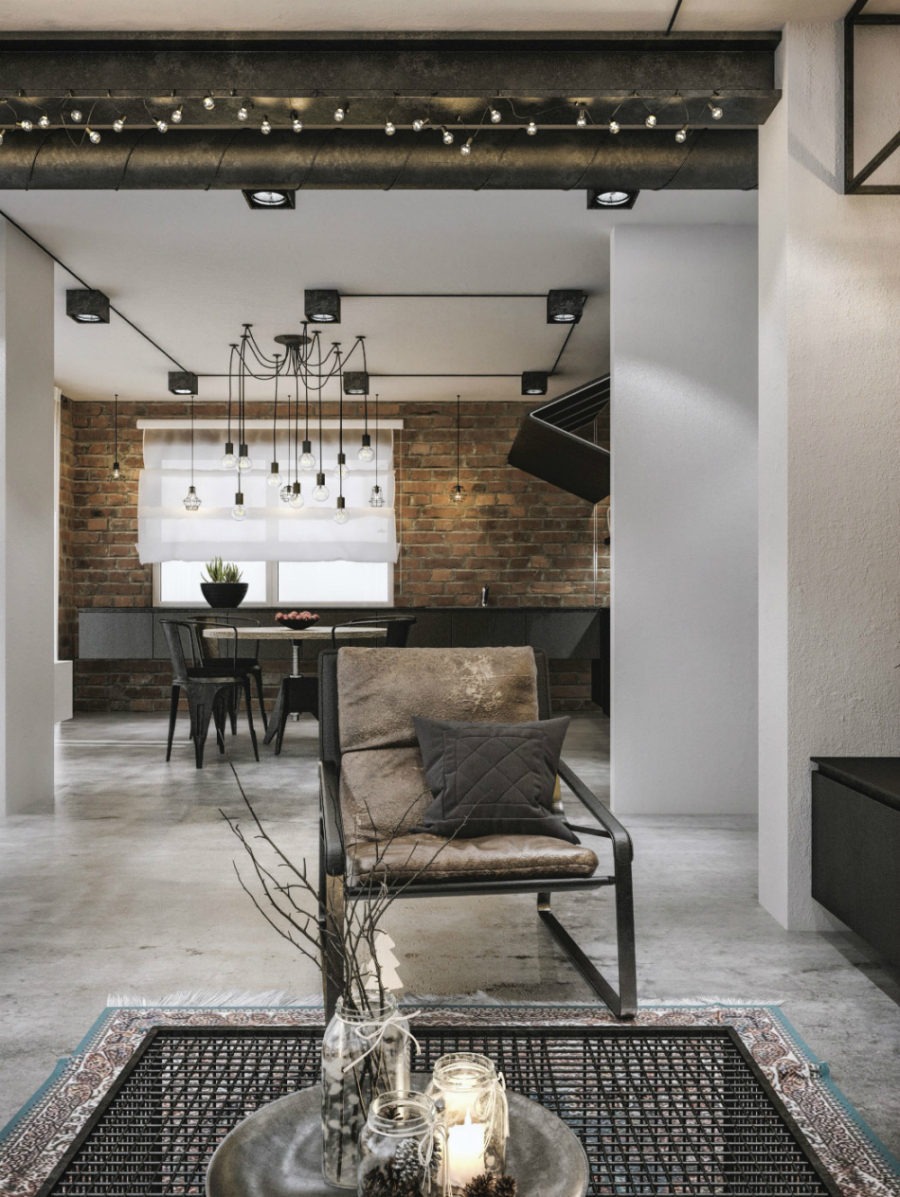
A single bright ceiling fixture rarely does an open-plan home justice. Build a lighting sequence that follows the day: soft daylight in the morning, focused task light for food preparation, and low pools of illumination for dinner or reading. Pendant lights can define a table, a directional lamp can make a work surface useful, and a small wall or shelf light can add depth without demanding attention. Use warm bulbs and place switches where they are convenient, not merely where wiring was easiest.
Industrial-style fixtures work best when their visual weight is balanced by simple surroundings. A black or brushed-metal shade can echo hardware, while opal glass, fabric, or a pale ceramic base keeps the effect from feeling overly stark. Dimmers are one of the most effective upgrades because they let the same room shift from productive to restorative without rearranging anything.
Make lighting practical as well as atmospheric. Avoid glare on screens, illuminate steps and thresholds, and keep a small lamp near the place where evening reading happens. A home feels calmer when it does not require every light to be switched on at once.
Kitchen Pause: Golden Carrot Soup Cups
- 3 medium carrots, sliced
- 1 small potato, diced
- 1/2 onion, chopped
- 2 cups vegetable broth
- 1/2 teaspoon ground turmeric
- 1 tablespoon olive oil
- Salt, pepper, and lemon juice to taste
- Warm olive oil in a pot and soften the onion for 3 minutes.
- Add carrots, potato, broth, turmeric, salt, and pepper; simmer until tender.
- Blend until smooth, then brighten with a little lemon juice.
4. Make the Kitchen Feel Present Without Making It Messy
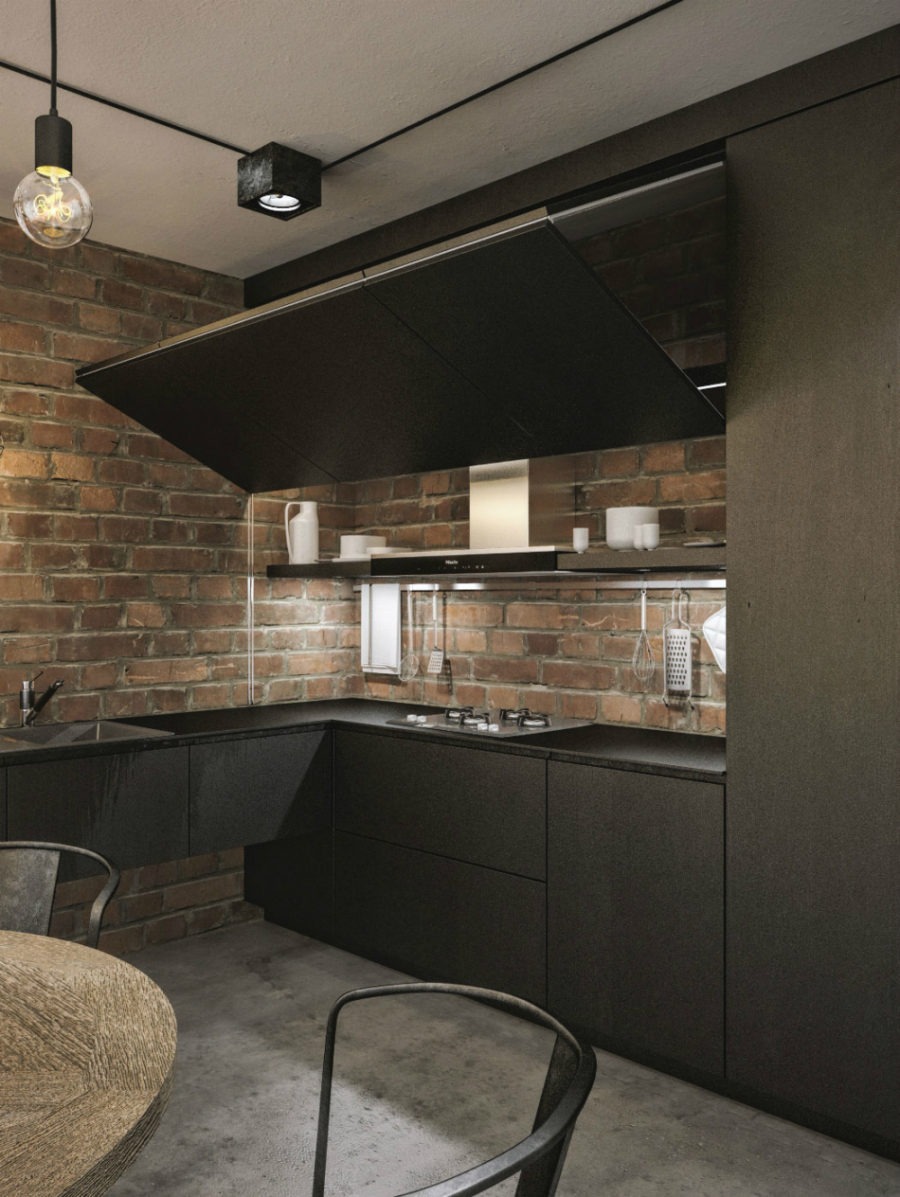
A kitchen can be central to home life while still appearing composed. The key is to separate preparation from presentation. Keep the appliances and supplies used most often within easy reach, then give less attractive equipment a dedicated cabinet or drawer. A concealed storage wall, full-height pantry, or appliance garage can preserve a clean sightline from the living area. In a smaller home, even a curtain panel or coordinated set of lidded boxes can create the same visual relief.
Let one useful object become the room’s welcome point: a round table for shared meals, a timber board for serving, or a shallow bowl for fruit. Choose finishes that repeat elsewhere, such as a dark metal stool paired with a matching tap or a wood surface echoed by a nearby shelf. Repetition makes separate functions feel like one intentional composition.
Daily habits matter more than expensive cabinetry. Clear the counter before bed, keep a small compost container near prep space, and store staples in transparent jars only if that actually speeds up cooking. The best kitchen is not the one that looks untouched; it is the one that makes the next meal easier.
Kitchen Pause: Smoky Lentil Stuffed Peppers
- 2 bell peppers, halved and seeded
- 1 cup cooked brown lentils
- 1/2 cup cooked quinoa
- 1/2 cup diced tomatoes
- 1/2 teaspoon smoked paprika
- 2 tablespoons crumbled feta or pumpkin seeds
- Salt and pepper
- Heat the oven to 400°F and place pepper halves in a baking dish.
- Mix lentils, quinoa, tomatoes, paprika, salt, and pepper.
- Fill the peppers, cover loosely, and bake for 25 minutes; top with feta or seeds.
5. Use Timber Details to Add Rhythm and Rest
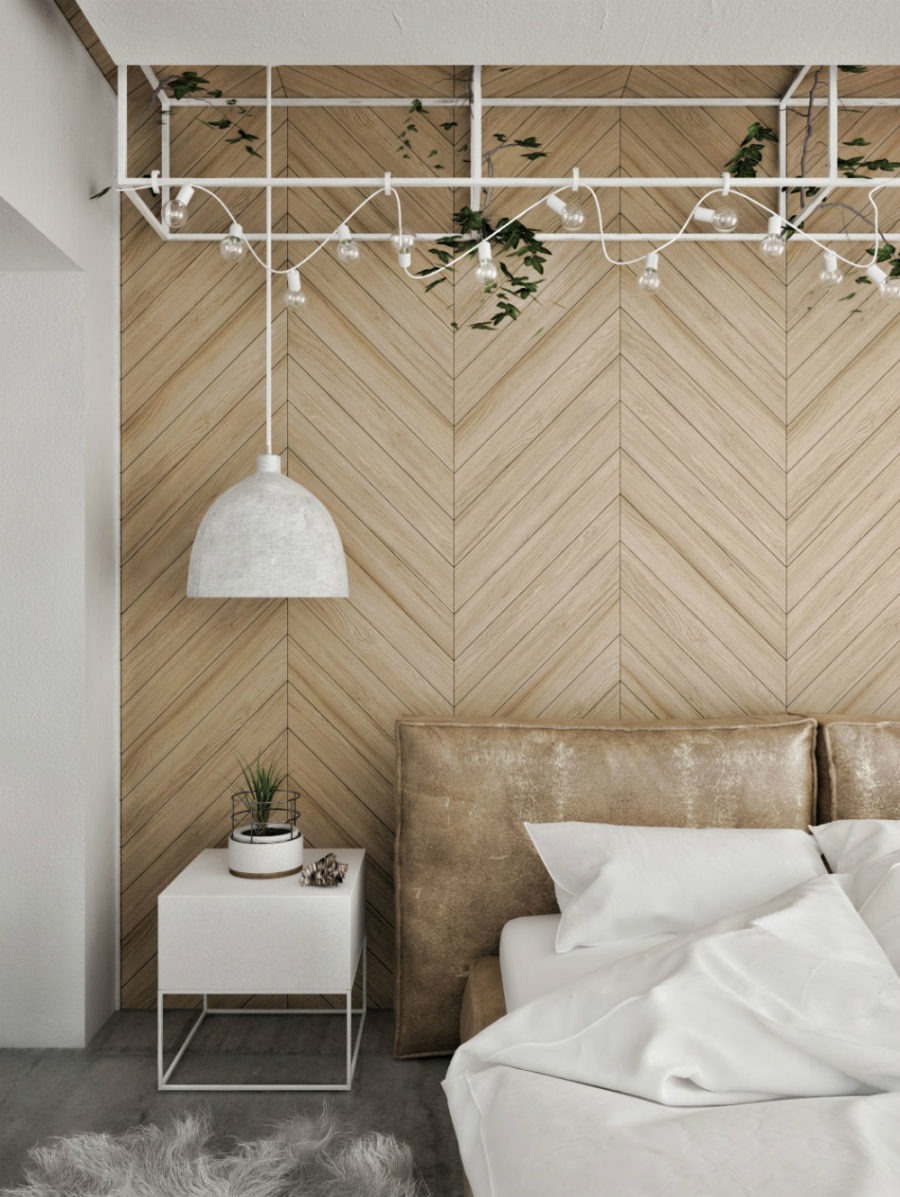
Wood is especially effective in an industrial home because it introduces variation without visual noise. Rather than covering every wall, use it where the eye needs a pause: behind a bed, along a stair, on the face of a cabinet, or as a slatted divider. Repeated lines can guide movement through an open plan, while a warmer grain gives a bedroom or reading corner a more settled character.
Keep the treatment intentional by limiting the number of wood tones. One pale oak and one darker accent can coexist, but too many competing stains make a compact interior feel busy. If a permanent feature is not possible, try a timber bench, framed art, woven baskets, or a freestanding screen. These smaller elements deliver warmth while preserving flexibility.
Care is part of the design decision. Seal surfaces near sinks and entryways, use coasters on soft wood, and choose finishes that can be touched up rather than replaced. At home, visual rhythm should support behavior: a bench invites shoes to be removed, a bedside shelf prevents clutter, and a wood tray turns scattered objects into one manageable arrangement.
Kitchen Pause: Rosemary Apple Oat Skillet
- 1 apple, thinly sliced
- 1/2 cup rolled oats
- 1/2 cup milk or oat milk
- 1 teaspoon maple syrup
- 1/4 teaspoon cinnamon
- Pinch of chopped rosemary
- 1 teaspoon butter or coconut oil
- Warm butter in a small skillet and sauté the apple with rosemary for 2 minutes.
- Stir in oats, milk, maple syrup, and cinnamon.
- Simmer until creamy and serve warm.
6. Turn the Bathroom Into a Reset Point
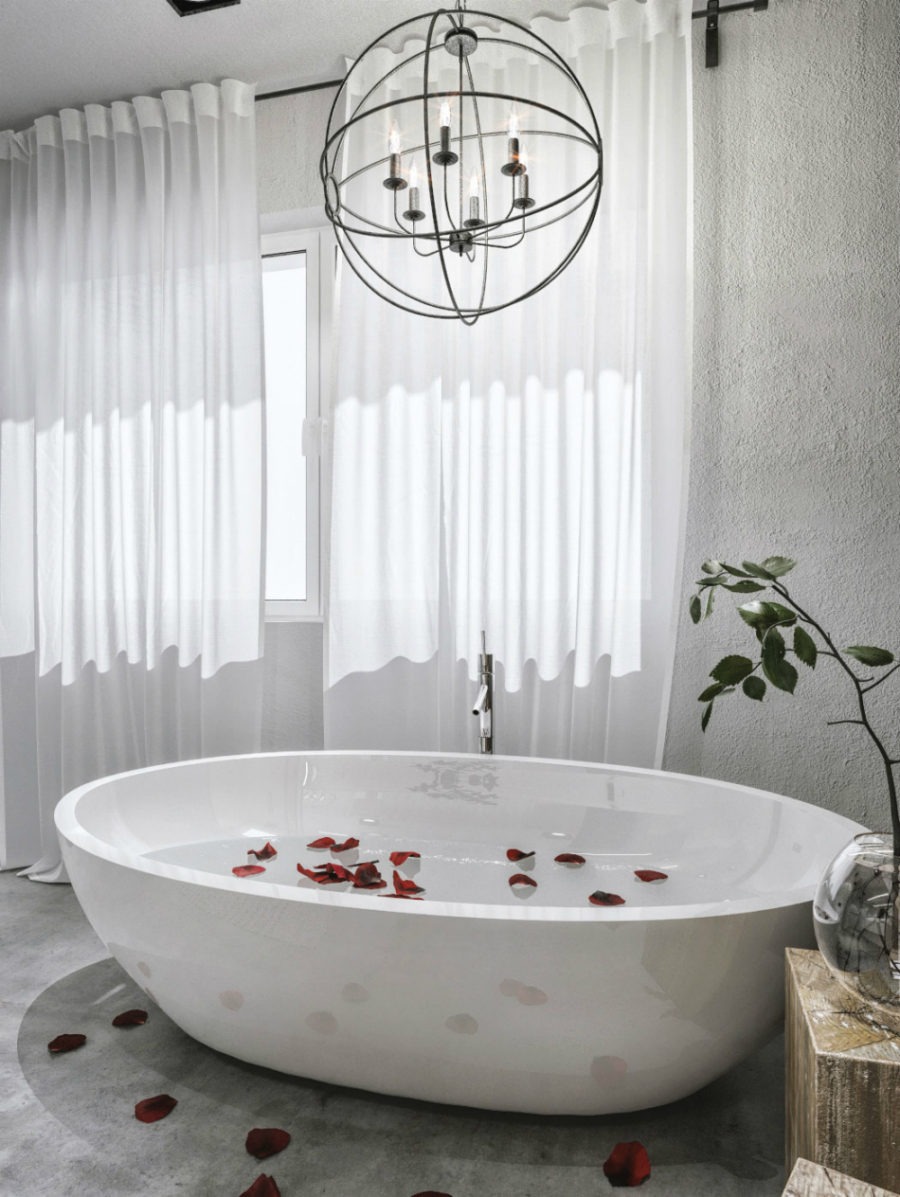
A bathroom with a strong architectural personality can still feel restorative. Think in terms of contrast and sequence: a durable floor, a clear shower zone, a place to set down soap and towels, and one warmer element that softens the hard shell. A timber stool, woven hamper, pale textile, or low-maintenance plant can make the room feel less like a utility area and more like a private reset point.
Keep the visual field simple. Matching bottles, concealed storage, and one generously sized mirror reduce the small decisions that make mornings feel frantic. If the room has glass, maintain it with a squeegee kept within reach; if it has textured or concrete-like finishes, use washable mats and adequate ventilation to protect the surfaces. Practical order is what allows a spa-like mood to last beyond the first week.
Create a short evening ritual rather than adding more objects. Dim the light, warm a towel, put away products after use, and keep a calming scent limited to one reliable favorite. The design works when it helps you transition, not when it asks you to perform luxury.
Kitchen Pause: Cucumber-Mint Cooler
- 1/2 cucumber, chopped
- 6 mint leaves
- 1 tablespoon lime juice
- 1 teaspoon honey or agave
- 1 cup cold sparkling water
- Ice
- Muddle cucumber, mint, lime juice, and honey in a glass.
- Fill with ice and pour in the sparkling water.
- Stir gently and garnish with a mint leaf.
Final Thoughts
A livable industrial home is less about collecting dramatic finishes than about giving each finish a supportive role. Let structure provide character, let textiles and timber provide comfort, and let lighting and storage keep everyday routines from becoming visual clutter. When those layers work together, even a compact apartment can feel generous, personal, and easy to inhabit.
The most useful test is simple: does the room make ordinary actions—cooking, resting, welcoming friends, and tidying up—feel more natural? If the answer is yes, the design is doing its job. Add slowly, edit often, and leave enough breathing room for real life to remain the most interesting element in the home.