Small-Space Living That Feels Generous: Six Ways to Make Every Corner Work
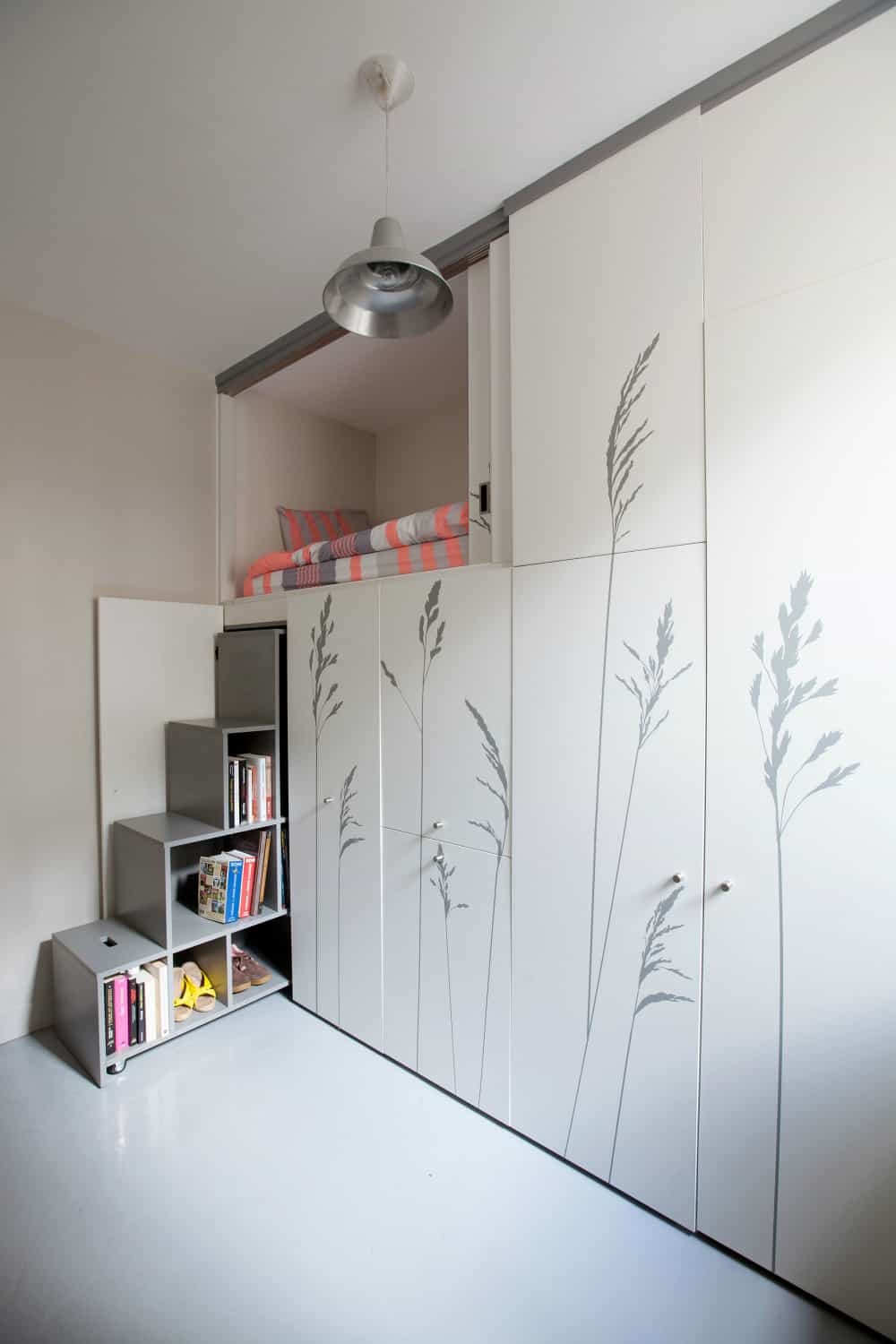
A compact home does not have to feel like a compromise. The most comfortable small interiors are built around a daily rhythm: sleep can be tucked away, meals can happen without claiming the whole room, and belongings have a clear place to land. Instead of chasing an oversized furniture plan, think in layers—vertical storage, flexible surfaces, visual boundaries, and a palette that lets daylight travel.
These ideas translate well beyond apartments. A studio, guest room, dorm, vacation rental, or busy kitchen can all benefit from the same thoughtful editing. The goal is not to make a room look empty; it is to make each square foot useful, calm, and easy to reset. Each section below pairs a practical design move with a quick Kitchen Pause recipe for a satisfying moment at home.
1. Build a Room Around One Remarkable Storage Wall
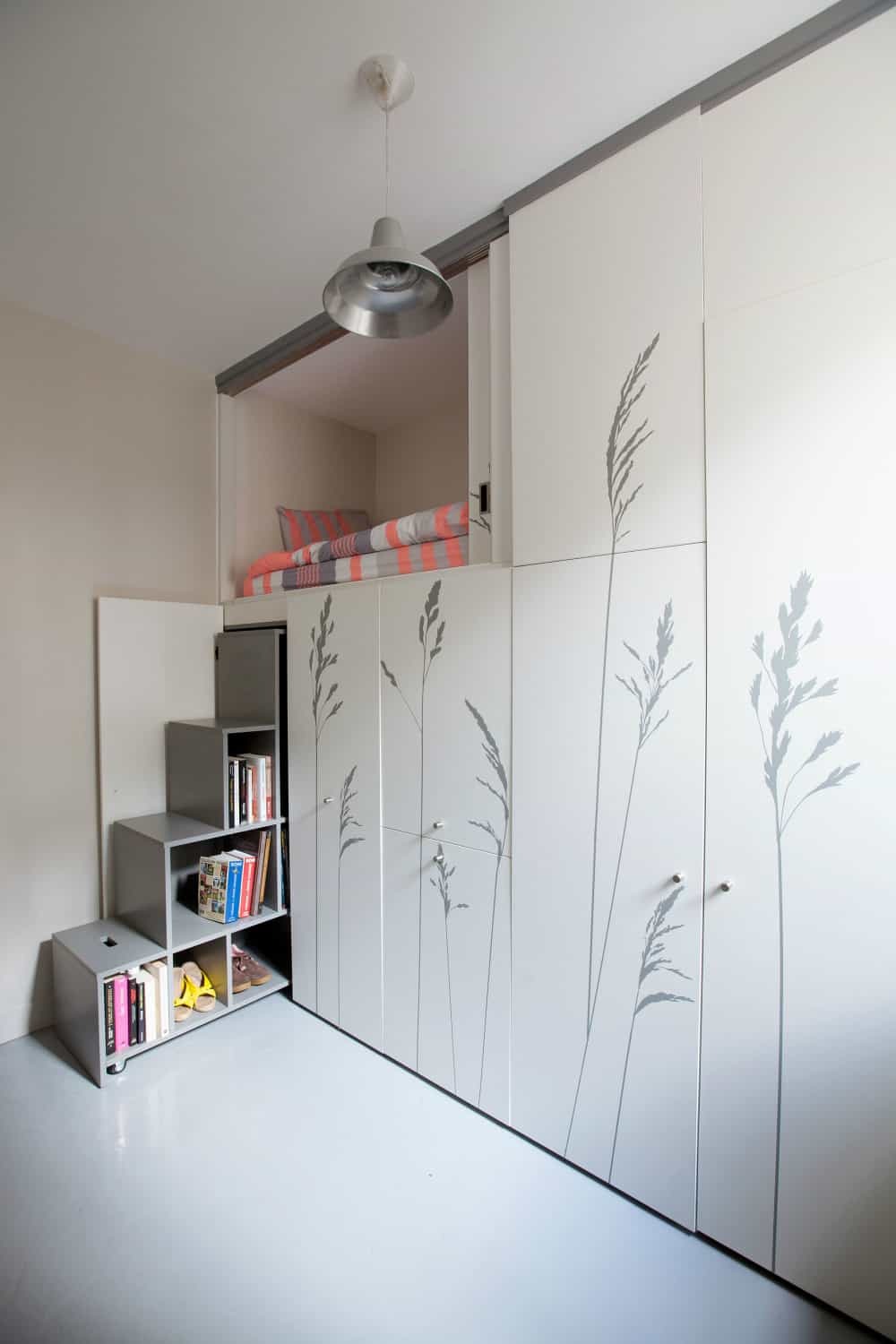
When floor area is scarce, a single full-height wall can carry much of the home’s workload. Combine closed cabinets at eye level, open niches for attractive everyday objects, and lower drawers for the things that tend to scatter. A continuous face creates a calmer background than several unrelated shelves, while carefully chosen doors can conceal a sleeping nook, pantry, desk, or cleaning supplies. Measure the wall before shopping and sketch the contents first; this prevents buying storage that is beautiful but poorly matched to your habits.
Keep the center of the room comparatively open so it can change roles throughout the day. A small table can be dining spot, laptop station, and prep surface if it has a slim profile and a nearby power source. Add one mirror or reflective panel to bounce daylight, but balance it with warm wood, woven texture, or a plant so the room does not feel overly hard. The most useful storage is the kind you can reach quickly and return to without rearranging three other items. Leave a little breathing room inside each compartment so putting things away stays effortless.
Kitchen Pause — Lemon-Herb White Bean Toast
Ingredients
- 1 cup canned white beans, rinsed
- 1 tablespoon olive oil
- 1 teaspoon lemon zest
- 1 tablespoon lemon juice
- 1 small garlic clove, grated
- 2 slices whole-grain bread
- 1 tablespoon chopped parsley
Instructions
- Mash beans with oil, zest, juice, garlic, and a pinch of salt.
- Toast the bread until crisp at the edges.
- Spoon the beans over toast and finish with parsley and pepper.
2. Let Height Do the Heavy Lifting
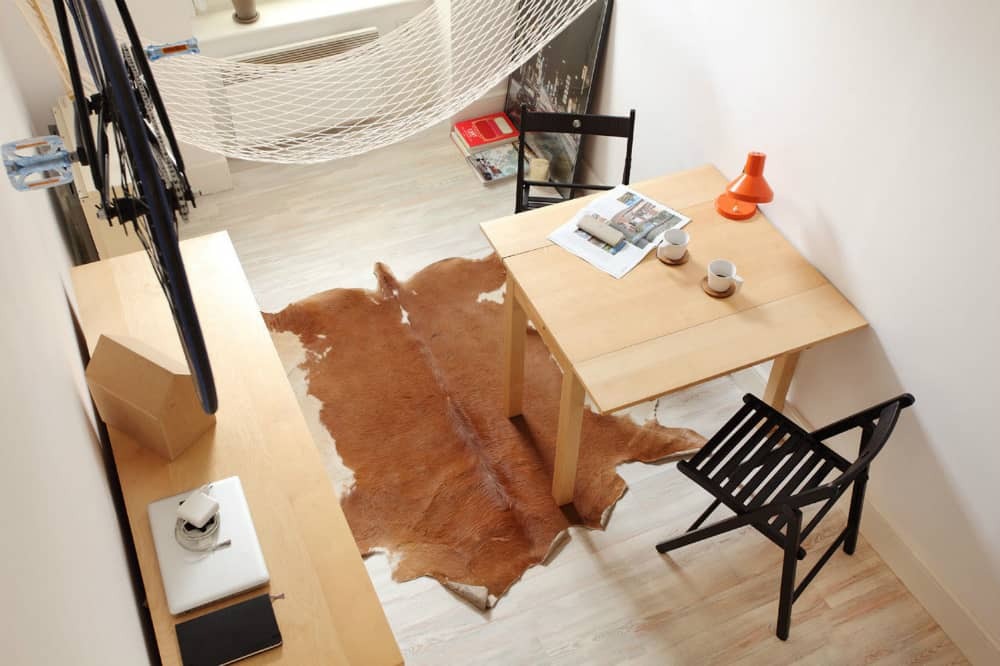
A compact footprint becomes easier to live with when the upper part of the room is treated as valuable real estate. A lofted bed, high shelf, or tall wardrobe can free the lower level for movement, reading, working, or hosting a friend. Before adding height, check ceiling clearance, ventilation, lighting access, and the comfort of climbing in and out. The arrangement should feel intentional rather than like furniture stacked wherever it fits.
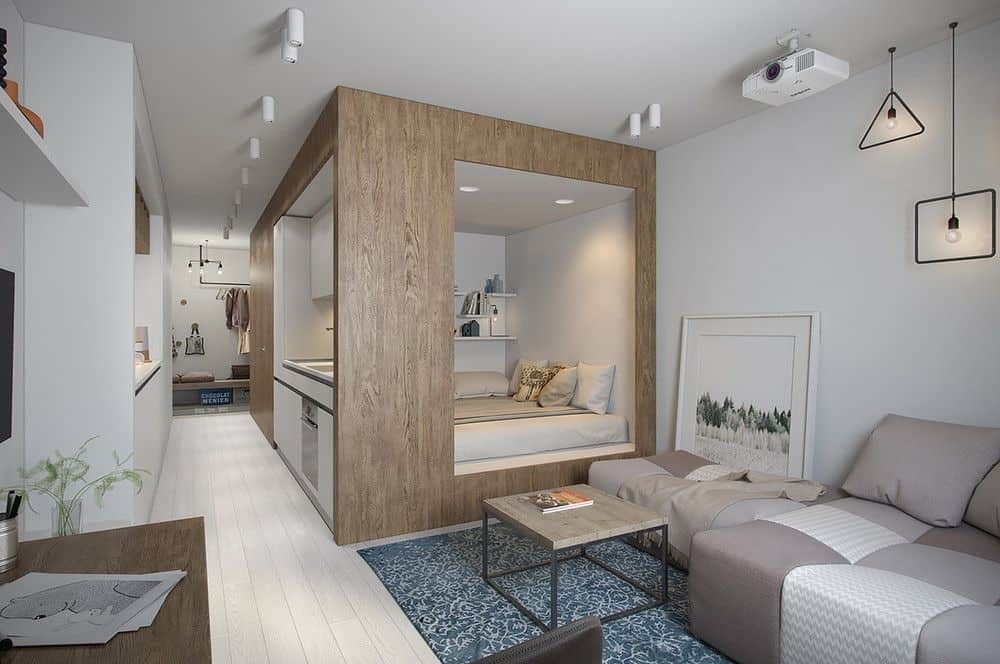
Use the space beneath a raised sleeping platform for functions that benefit from being visually quieter: drawers, a compact wardrobe, a reading bench, or a fold-down desk. A curtain or slatted screen can soften the transition without blocking every ray of light. Choose one finish for the stair or ladder storage so it reads as architecture, not a collection of boxes.
Keep frequently used items within arm’s reach and reserve high shelves for seasonal linens, luggage, or occasional entertaining pieces. A small step stool stored beside the wardrobe makes those shelves safer and more practical. Height works best when it reduces clutter below, improves circulation, and gives each activity a recognizable home.
Kitchen Pause — Cinnamon Apple Oat Cup
Ingredients
- 1/2 cup rolled oats
- 1/2 cup milk or unsweetened oat milk
- 1/2 small apple, diced
- 1 teaspoon maple syrup
- 1/4 teaspoon cinnamon
- 1 tablespoon chopped walnuts
Instructions
- Stir oats, milk, apple, maple syrup, and cinnamon in a microwave-safe cup.
- Cook for 90 seconds, stir, then cook 30 seconds more if needed.
- Top with walnuts and rest for two minutes before eating.
3. Create Zones Without Closing the Room
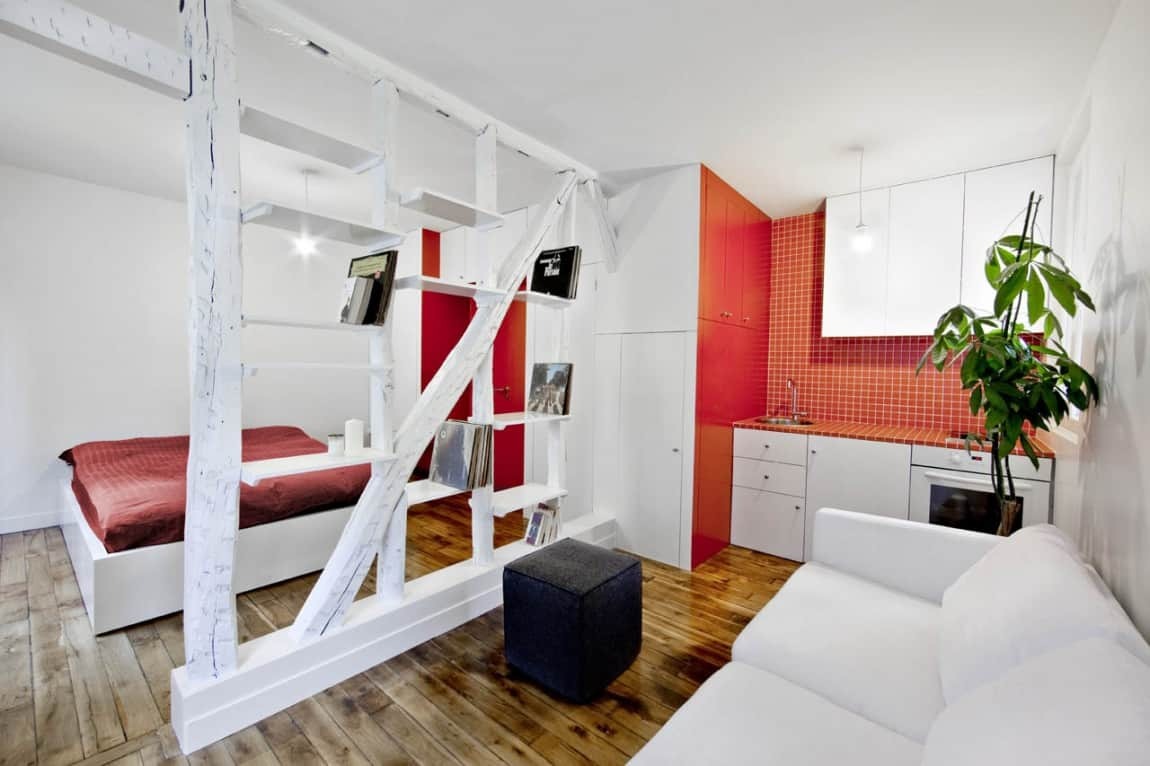
Open-plan living feels more orderly when each activity has a visual address. You do not need a permanent wall to distinguish sleeping, cooking, working, and relaxing. An open bookcase, change in flooring, pendant light, rug, or the back of a sofa can establish a boundary while preserving sightlines. Start by observing where you naturally pause, then place the divider along that seam rather than forcing the room into equal rectangles.
Choose dividers that earn their footprint. A narrow shelf can hold books and baskets; a peninsula can provide prep space and a breakfast ledge; a curtain can offer privacy only when you need it. Keep passages generous enough for carrying groceries and opening cabinet doors. In a small room, a zone is successful when it guides behavior without demanding attention.
Use a limited color story across the whole space, then give each area a small accent—perhaps a blue cushion near the sofa or a warm textile by the bed. Repeating one material at the transition helps the arrangement feel cohesive. At the end of the day, a quick reset of each zone becomes easier because every object has a visual cue for where it belongs.
Kitchen Pause — Cucumber Chickpea Crunch Bowl
Ingredients
- 1 cup chickpeas, rinsed
- 1/2 cucumber, chopped
- 1/2 cup cherry tomatoes, halved
- 2 tablespoons crumbled feta
- 1 tablespoon olive oil
- 1 tablespoon red-wine vinegar
- 1/2 teaspoon dried oregano
Instructions
- Combine chickpeas, cucumber, tomatoes, and feta in a bowl.
- Whisk oil, vinegar, oregano, salt, and pepper.
- Toss with the dressing and serve immediately.
4. Design Furniture for More Than One Daily Job
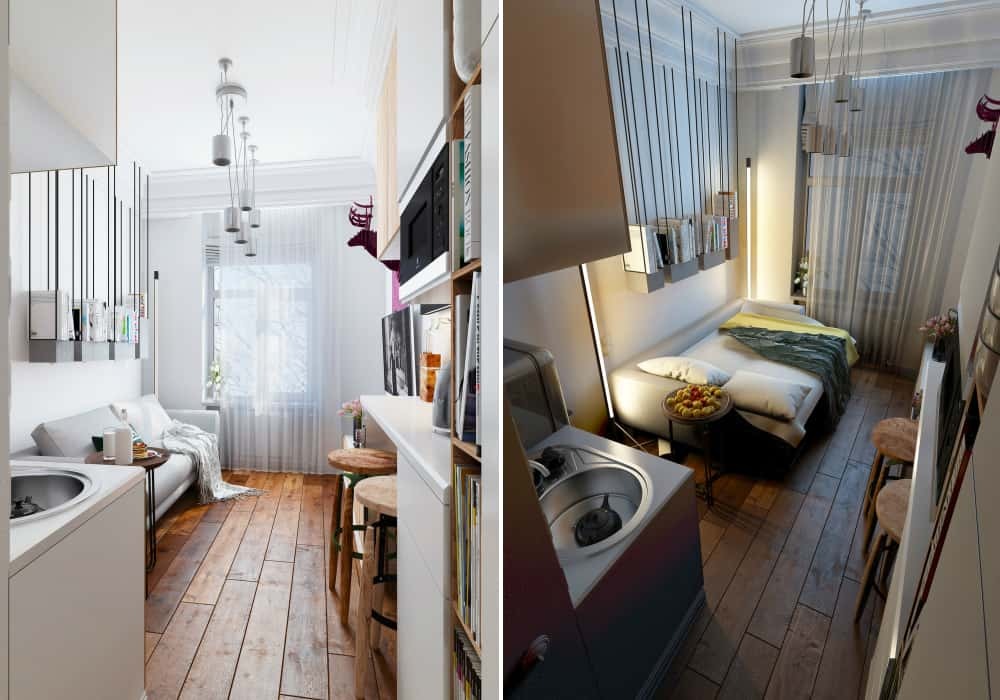
The most valuable piece in a small home is rarely the smallest one; it is the object that changes with the schedule. A counter can support breakfast, remote work, and folding laundry. A sofa can host guests by day and become a bed at night. A bench can provide seating while hiding shoes, linens, or pantry overflow. When evaluating a multifunctional purchase, test the transformation in the showroom or with cardboard dimensions at home. If it takes ten minutes and a clear floor to change modes, the feature may remain unused.
Favor mechanisms that are simple, durable, and easy to clean. Casters can help a table move, but locking wheels prevent drift during meals. Folding leaves are useful when stored chairs can slide underneath. Keep a small landing tray beside the work surface for chargers and keys so the table can be cleared in one pass.
Not everything needs two purposes. A comfortable chair, a good lamp, or a beautiful bowl can simply make the room pleasant. The balance is to give major furniture a flexible role while protecting a few elements that support rest. Good small-space design makes transitions feel natural, not like a daily furniture workout.
Kitchen Pause — Skillet Tomato Egg Toast
Ingredients
- 1 tablespoon olive oil
- 1 cup halved cherry tomatoes
- 1 small garlic clove, sliced
- 2 eggs
- 2 slices sourdough toast
- 1 tablespoon grated Parmesan
Instructions
- Warm oil in a small skillet and cook tomatoes with garlic for three minutes.
- Make two wells, crack in the eggs, cover, and cook until the whites set.
- Spoon over toast and sprinkle with Parmesan and black pepper.
5. Use Light, Contrast, and Reflection as Space Tools
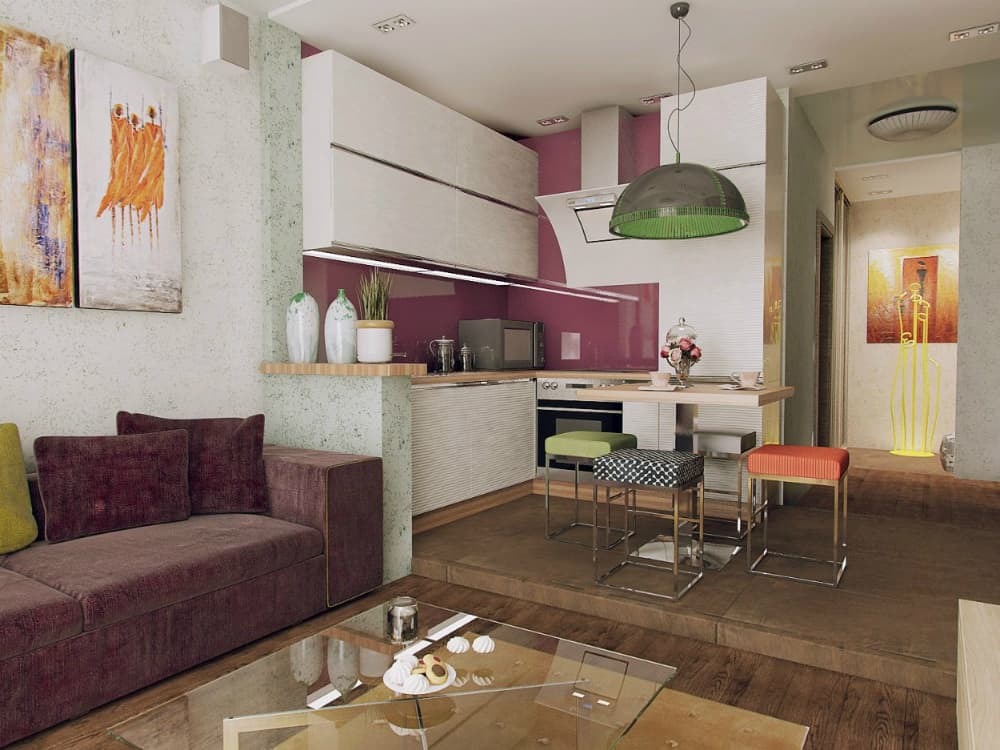
A small room feels more generous when light can move through it. Keep window zones clear, select low-profile shades, and place the tallest storage away from the brightest opening when possible. A pale wall finish can help daylight spread, but an entirely blank white room is not the only route to openness. One deep-toned wall, a dark kitchen front, or a saturated hallway can add depth by giving the eye a destination.
Layer lighting rather than depending on one ceiling fixture. A task lamp at the desk, a warm under-cabinet strip, and a soft bedside light let the room adapt from focused work to evening calm. Reflective tile, a glass door, or a polished metal accent can amplify brightness; use them selectively so glare does not become the new problem. Matte textiles and timber provide visual rest beside shiny surfaces.
Color is especially useful for hiding or highlighting. A darker kitchen can recede, while a bright shelf or curtain can announce a useful feature. Keep the palette connected through repeated undertones, and sample finishes at morning, afternoon, and night. The best small-space scheme is not merely bright—it is legible, layered, and comfortable after sunset.
Kitchen Pause — Golden Carrot Soup for One
Ingredients
- 2 medium carrots, sliced
- 1/4 small onion, chopped
- 1 teaspoon olive oil
- 1 cup vegetable broth
- 1/4 teaspoon ground turmeric
- 2 tablespoons plain yogurt
- 1 teaspoon lemon juice
Instructions
- Sauté onion and carrots in oil for four minutes.
- Add broth and turmeric; simmer until the carrots are tender.
- Blend until smooth, stir in lemon juice, and top with yogurt.
6. Make the Home Easy to Reset
A small home rewards routines because visual disorder accumulates quickly. Give incoming items a landing point near the entrance: a hook rail, shallow bowl, and slim shoe cabinet can prevent the first few feet of the room from becoming a drop zone. In the kitchen, store the tools used together in one drawer or basket, and keep a clear patch of counter for preparation. The aim is to reduce decisions, not to pursue showroom perfection.
Edit by frequency. Daily objects deserve the easiest access, while backups and special-occasion pieces can live higher up or farther back. Use matching bins only where they improve retrieval; labels are more helpful than uniformity when several categories look alike. A weekly five-minute sweep can return loose items, wipe the most-used surfaces, and identify one thing that no longer earns its space.
Leave room for life to be visible. A small plant, a stack of favorite books, or a colorful tea towel keeps a compact home from feeling sterile. When storage, cleaning, and display are planned together, tidying becomes a gentle closing ritual rather than a major project. That sense of ease is the real luxury of a well-edited room.
Kitchen Pause — No-Cook Berry Chia Cup
Ingredients
- 1/2 cup Greek yogurt
- 1/4 cup milk
- 1 tablespoon chia seeds
- 1/2 cup mixed berries
- 1 teaspoon honey
- 1 tablespoon pumpkin seeds
Instructions
- Stir yogurt, milk, chia, and honey in a jar.
- Fold in half the berries and chill for at least 20 minutes.
- Top with remaining berries and pumpkin seeds.
Final Thoughts
Small-space living works best when the home is designed around real transitions: waking, cooking, working, resting, and putting things away. A wall of storage, a raised sleeping area, a movable surface, or a carefully placed divider can create more comfort without adding more square footage.
Choose one improvement that solves a recurring frustration, live with it for a week, and refine from there. The result should feel personal and generous—not because the room is large, but because it supports the life happening inside it.