Small-Home Flow: Six Ways to Make Every Room Work Beautifully
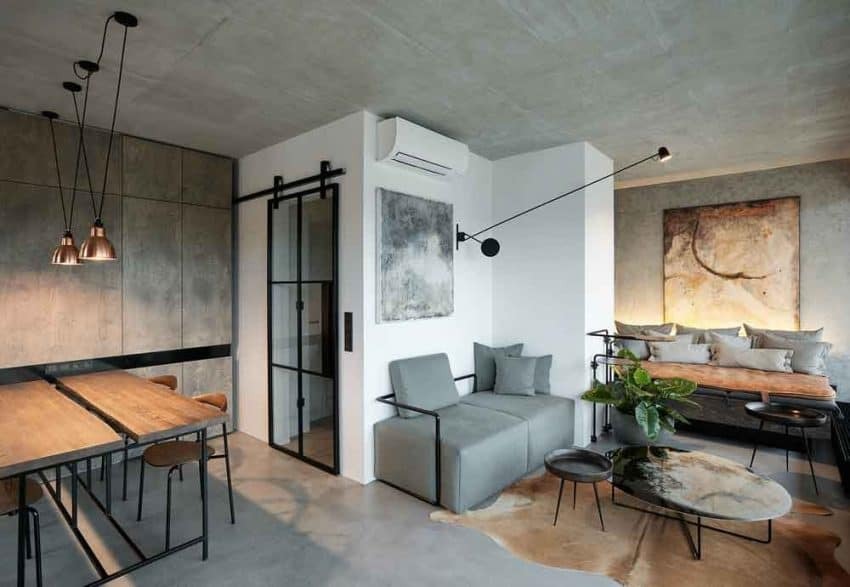
A compact home does not have to feel like a collection of compromises. The most successful small-space interiors begin with a clear question: what should each area help you do, and how can one thoughtful choice serve more than one purpose? In this Prague-inspired design study, the useful lessons are less about copying a look and more about building a calm rhythm from daylight, storage, flexible furniture, and memorable details.
The ideas below translate an urban loft sensibility into everyday lifestyle habits. You will find ways to protect visual breathing room, create zones without building walls, and make kitchens, bedrooms, baths, and work corners feel intentional. Each section closes with a simple Kitchen Pause recipe designed for the same principle: a few well-chosen ingredients, an efficient method, and enough character to make a small moment feel special.
1. Let Daylight Do the Heavy Lifting
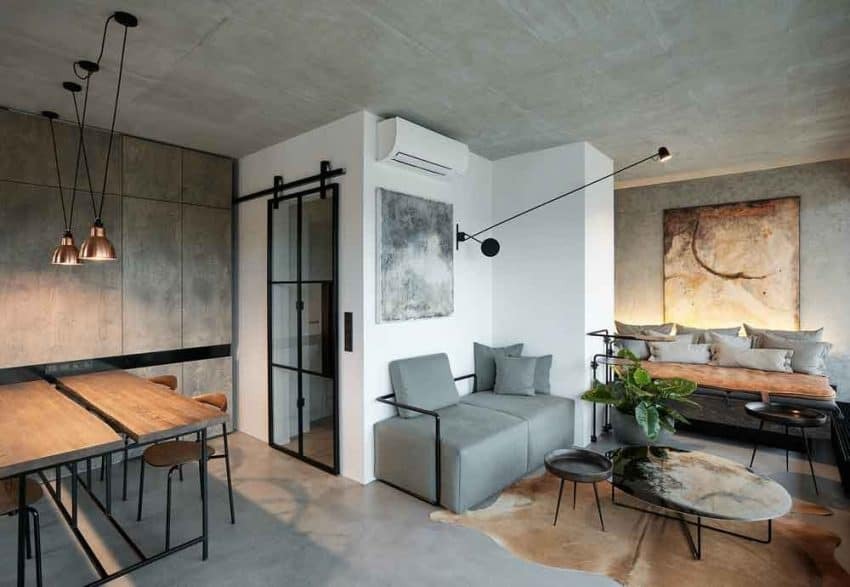
In a small home, brightness is not merely decorative; it changes how generously the rooms read. Start by protecting the path of natural light. Keep the area directly inside a window relatively low, choose open-legged furniture where possible, and use pale or softly reflective finishes on the surfaces that face the glass. A light wall does not need to make the room bland. It can become a quiet backdrop for one dark frame, a leafy plant, or a textured textile that gives the eye somewhere to land.
Window treatments deserve equal care. A slim roller shade or full-length sheer can soften glare without creating a heavy visual border. If privacy is a concern, layer the treatment so you can adjust it throughout the day rather than keeping the room permanently closed. Mirrors work best when they return a real view or a pool of light, not when they simply multiply clutter.
The practical takeaway is to edit before adding. Remove tall objects that interrupt the window line, group small accessories instead of scattering them, and test the room at morning, noon, and evening. A brighter home often needs fewer lamps and fewer decorative fixes.
Kitchen Pause: Lemon-Pepper White Bean Toast
- 1 cup drained cannellini beans
- 2 slices whole-grain bread
- 1 tablespoon olive oil
- 1 teaspoon lemon zest
- 1 tablespoon lemon juice
- Black pepper and chopped parsley
- Toast the bread until crisp at the edges.
- Mash beans with olive oil, lemon zest, juice, pepper, and parsley.
- Spoon over toast and finish with another twist of pepper.
2. Zone a Room Without Closing It In
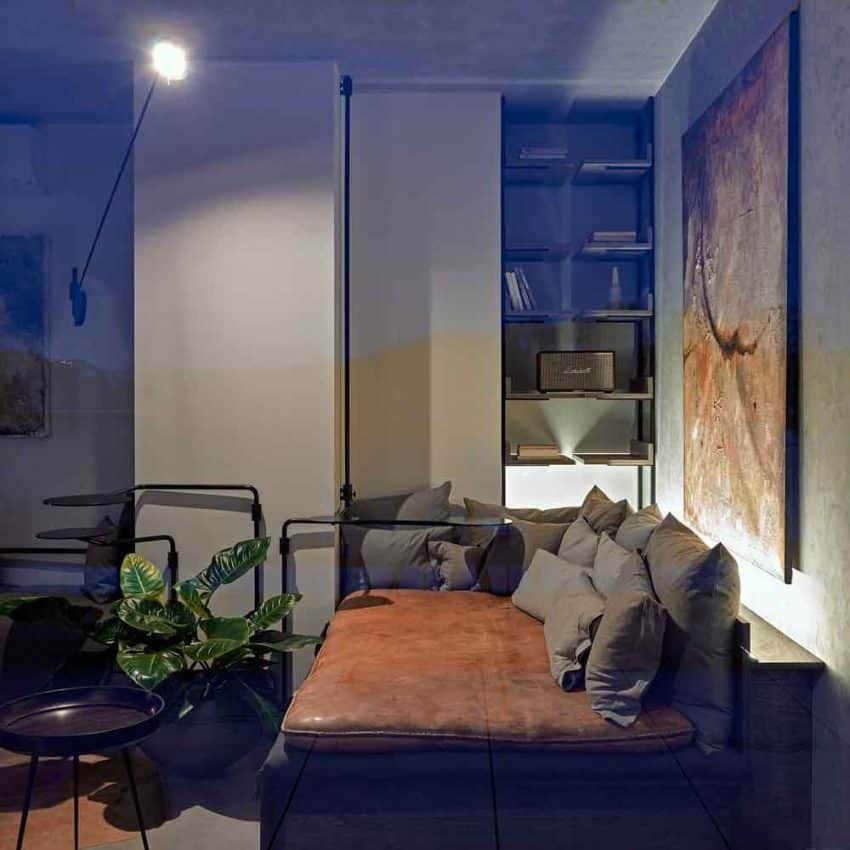
Open-plan living works best when the eye can understand where one activity ends and another begins. Instead of defaulting to partitions, use furniture placement, rugs, lighting, and changes in texture to establish gentle boundaries. A sofa can face the social center while a lounge chair turns toward a reading lamp, creating two modes without sacrificing conversation. A narrow table behind the sofa can hold books, a lamp, or a tray and quietly mark the transition to the next area.
Think in terms of circulation first. Leave a clear route between the entry, kitchen, and seating so daily movement never has to weave through a maze. Then place the largest pieces along the perimeter and reserve the center for flexible use. A pouf can be a footrest one evening and extra seating the next; nesting tables can separate for guests and tuck together afterward.
Color can help, but it need not be dramatic. Repeat one accent in a cushion, artwork, and planter so the zones feel related rather than themed. The goal is a home that changes with the hour. When the layout supports both togetherness and retreat, a small footprint feels adaptable instead of restrictive.
Kitchen Pause: Two-Zone Crunch Salad
- 2 cups chopped romaine
- 1 small cucumber, diced
- 1 carrot, ribboned
- 1/2 cup chickpeas
- 2 tablespoons pumpkin seeds
- 1 tablespoon olive oil
- 1 tablespoon lemon juice
- Pinch of cumin and salt
- Place vegetables, chickpeas, and seeds in a bowl.
- Whisk oil, lemon juice, cumin, and salt.
- Toss just before eating so the textures stay crisp.
3. Build a Kitchen Around Open Breathing Room
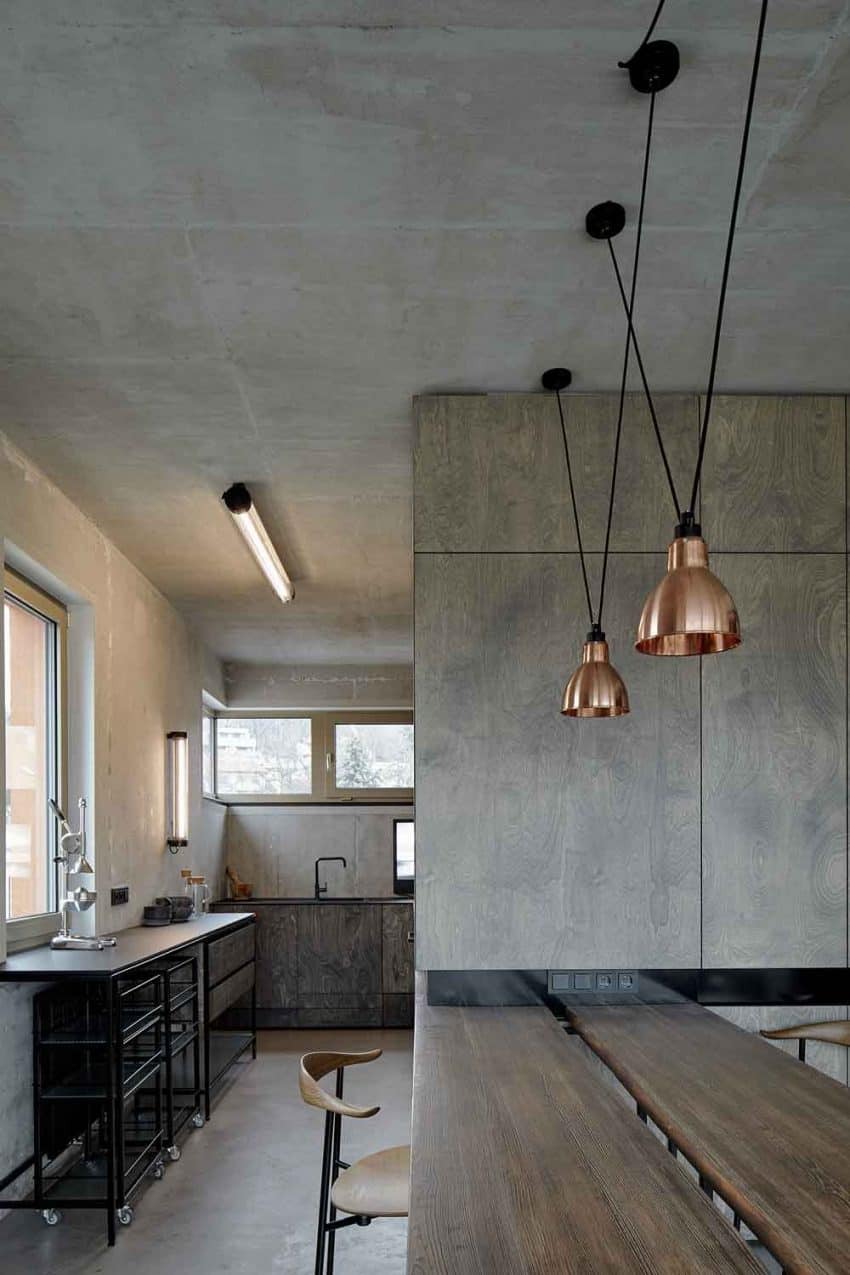
The kitchen becomes easier to live with when storage is concentrated instead of spread across every available wall. A single tall cabinet run can house pantry goods, appliances, and cleaning supplies while leaving the upper sightline open. If your layout allows it, consider shelves only where you can keep them edited, and let a window, framed print, or small plant occupy the space that would otherwise become a crowded display.
Work in sequences rather than square footage. Keep the cutting board near knives and prep bowls, place everyday dishes close to the dishwasher or drying rack, and store the items used least often above or below the primary reach zone. A slim rail can hold utensils, while a tray gathers oils and seasonings so they can move as one unit when the counter needs clearing.
The dining surface can serve as a landing zone for homework or a laptop if it resets easily. Choose a light-looking table and chairs that tuck underneath. Warm materials can add personality without extra objects. In a compact kitchen, every item should earn its place by saving time, reducing friction, or bringing genuine pleasure to the routine.
Kitchen Pause: One-Pan Tomato Chickpeas
- 1 tablespoon olive oil
- 1 small onion, diced
- 1 garlic clove, minced
- 1 can chickpeas, drained
- 1 cup crushed tomatoes
- 1/2 teaspoon smoked paprika
- Handful of spinach
- Salt and pepper
- Sauté onion in oil until soft, then add garlic and paprika.
- Stir in chickpeas and tomatoes; simmer for 8 minutes.
- Fold in spinach until wilted and season to taste.
4. Give Storage a Strong, Useful Spine
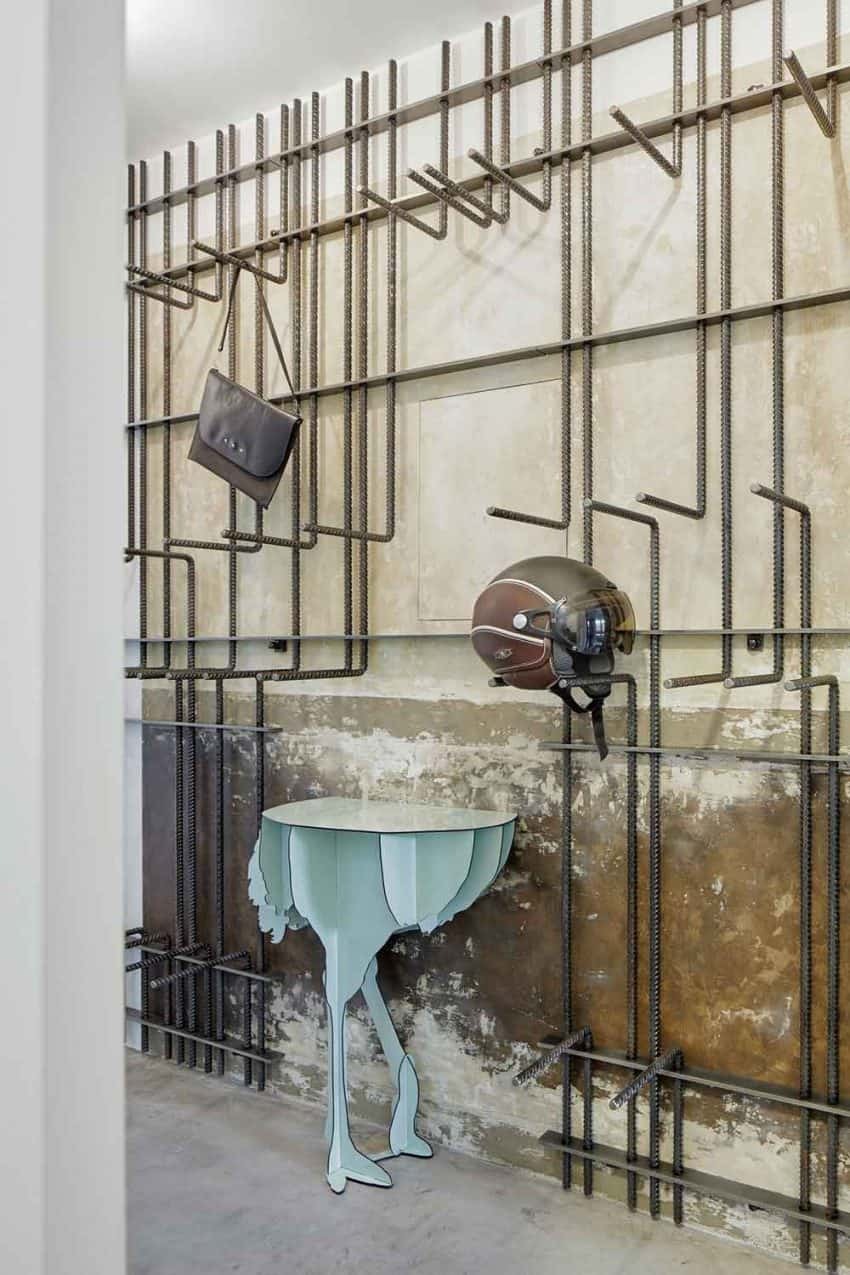
A small home feels calmer when storage behaves like architecture. Rather than adding a series of unrelated boxes, identify one wall or vertical strip that can carry the visual and practical load. A floor-to-ceiling cabinet, open metal framework, or combination of closed and displayed compartments can separate functions while keeping the plan legible. Use closed doors for visual noise—paperwork, spare linens, chargers—and open shelves for a deliberately limited collection.
Measure the objects before buying organizers. The right depth for books is not necessarily right for folded sweaters, and a shallow shelf often prevents forgotten piles from forming. In the entry, assign every frequent item a destination: keys in a bowl, bags on hooks, shoes in a tray, and outgoing parcels near the door. This small reset can make the whole home feel more orderly.
Industrial materials can be softened with baskets, oak-toned accessories, or fabric bins. Conversely, a mostly quiet storage wall can handle one unusual handle, lamp, or sculptural object. Let usefulness lead the design, then add one expressive note. The best storage does not ask residents to become minimalist; it simply makes the desired behavior obvious and quick.
Kitchen Pause: Smoky Lentil Storage-Bowl
- 1 cup cooked green lentils
- 1/2 cup cooked brown rice
- 1/2 bell pepper, diced
- 1/4 cup crumbled feta
- 1 tablespoon olive oil
- 1 teaspoon red-wine vinegar
- 1/4 teaspoon smoked paprika
- Layer lentils, rice, pepper, and feta in a bowl.
- Stir oil, vinegar, and paprika together.
- Drizzle over the bowl and mix when ready to eat.
5. Make Restful Bedrooms from Small Gestures
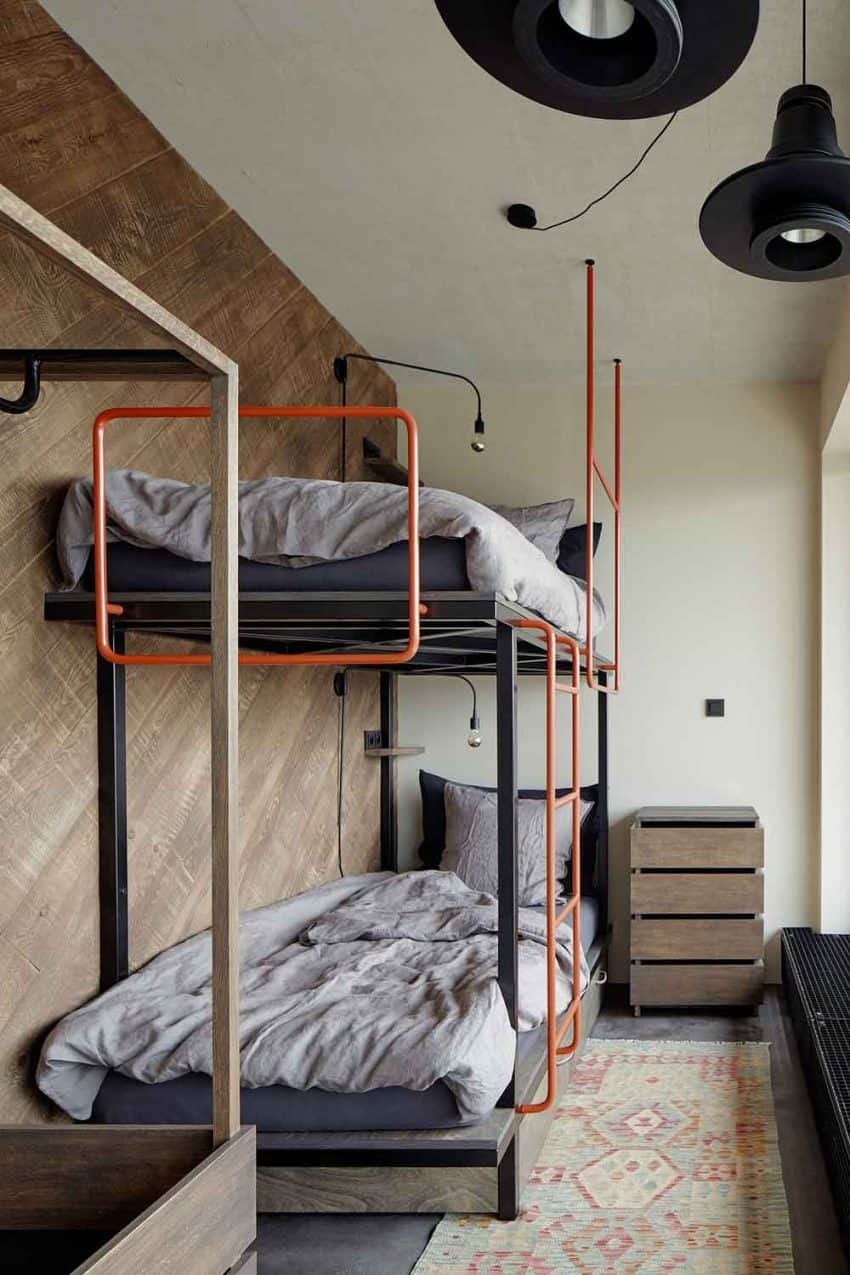
A bedroom does not need a large footprint to feel considered. Begin with the bed and support rest with a reading light, a reachable water surface, and a place for clothing. Wall-mounted or clip-on lighting frees the bedside area, while a narrow ledge can replace a full nightstand. If two sleepers have different schedules, separate lights and charging points reduce midnight negotiation.
A headboard is optional. Paint, a textile panel, a slim shelf, or a carefully placed artwork can give the bed a visual anchor without consuming depth. Keep the palette restrained, then add interest through bedding texture and one contrasting object. For children, use bunk arrangements, labeled baskets, and reachable hooks. Good design lets them put away books and clothing independently.
Lighting temperature matters to the mood, but flexibility matters more. Use a soft ambient source for winding down and a focused beam for reading. Finally, create a five-minute closing ritual: clear the floor, return cups, lower the lights, and place tomorrow’s essentials together. Small actions can make a compact room feel spacious because they preserve its purpose.
Kitchen Pause: Warm Cinnamon Pear Oats
- 1/2 cup rolled oats
- 1 cup milk or oat milk
- 1 small pear, diced
- 1 tablespoon chopped walnuts
- 1/2 teaspoon cinnamon
- Pinch of salt
- 1 teaspoon maple syrup
- Simmer oats, milk, pear, cinnamon, and salt for 5 minutes.
- Spoon into a bowl and top with walnuts.
- Add maple syrup to taste and serve warm.
6. Use Reflective Details with Restraint
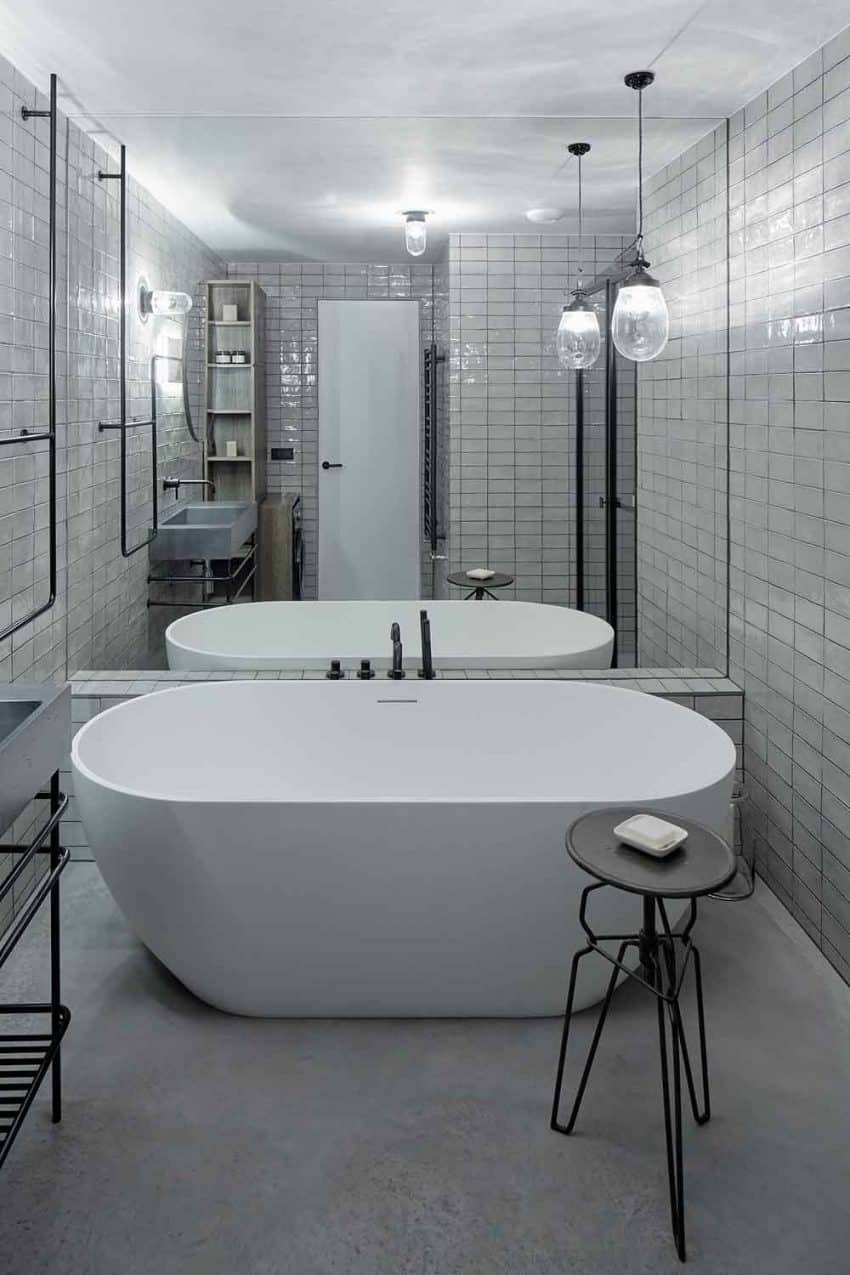
Small rooms benefit from surfaces that bounce light, but reflection is most effective when it has a job. A generously sized mirror can make a narrow bath or entry feel deeper, especially when it faces a window or a well-lit wall. Glossy tile, glass, polished metal, and luminous paint can contribute too, yet using all of them at once may produce glare and visual fatigue. Choose one dominant reflective element and let the rest of the room provide texture.
The same principle applies to statement pieces. One memorable lamp, unusual table, vivid artwork, or saturated planter can give a compact interior a point of view. Repeat its color or material once, then stop. In a bathroom, pair a large mirror with closed storage and a simple countertop routine so the expanded visual field does not reveal a trail of products.
Consider each detail from several angles. Avoid anything that blocks a walkway; tape its dimensions on the floor and live with the outline for a day before buying. Beauty is more sustainable when it works with movement, maintenance, and the way your household actually pauses.
Kitchen Pause: Bright Citrus Yogurt Cups
- 1 cup plain Greek yogurt
- 1 orange, segmented and chopped
- 1/2 cup berries
- 2 tablespoons rolled oats
- 1 tablespoon sunflower seeds
- 1 teaspoon honey
- Toast oats and sunflower seeds in a dry pan for 2 minutes.
- Spoon yogurt into two cups and add fruit.
- Finish with the toasted topping and honey.
Final Thoughts
The common thread in a well-planned compact home is not a particular color, material, or style label. It is the discipline of making each decision support daily life: light stays available, storage stays understandable, furniture can change roles, and personal details arrive with intention. When those basics are in place, even a bold lamp or unexpected finish feels relaxed rather than crowded.
Try one improvement at a time. Clear a window path, relocate a rarely used appliance, add a reading light, or create a landing spot by the door. Pair the change with a small Kitchen Pause and notice whether the room becomes easier to use. Good design is ultimately a form of hospitality toward your future self.