The Art of Living Well in a Layered Home
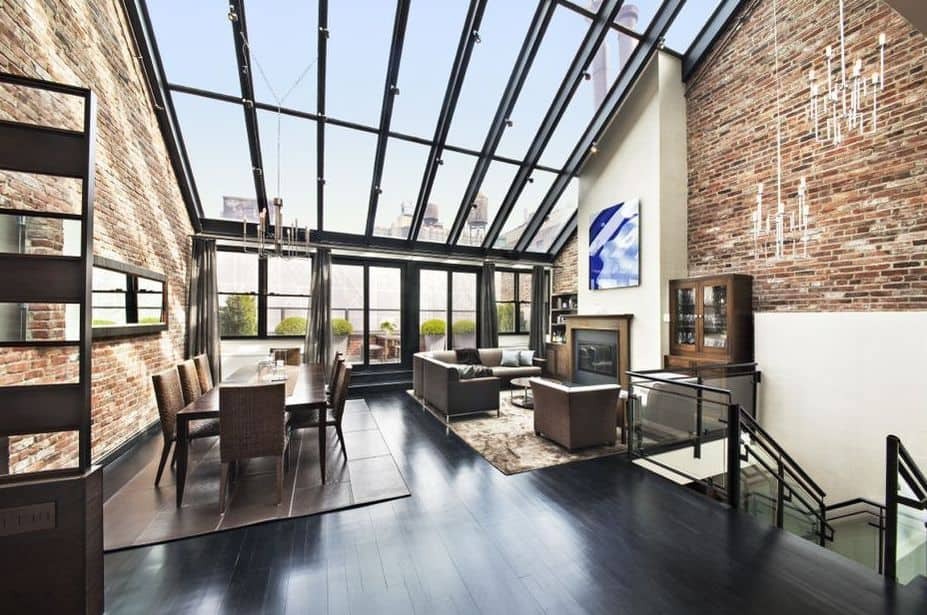
A home with more than one level offers more than extra square footage. It creates a gentle rhythm between togetherness and retreat: one floor can hold conversation and cooking, while another becomes a quiet landing place for reading, resting, or beginning the day. The most successful layered interiors do not feel like showrooms. They use light, texture, greenery, and thoughtful transitions to make everyday routines feel naturally connected.
You can borrow that feeling in almost any home, whether you live in a compact apartment, a townhouse, or a single-level house with a lofted ceiling. The ideas here focus on adaptable choices: defining zones without closing them off, making stairs part of the experience, using outdoor space as another room, and keeping high-impact design grounded in comfortable habits. Each section ends with a simple Kitchen Pause recipe designed for the same spirit of easy, generous living.
1. Let Light Become the Home’s Quiet Guide
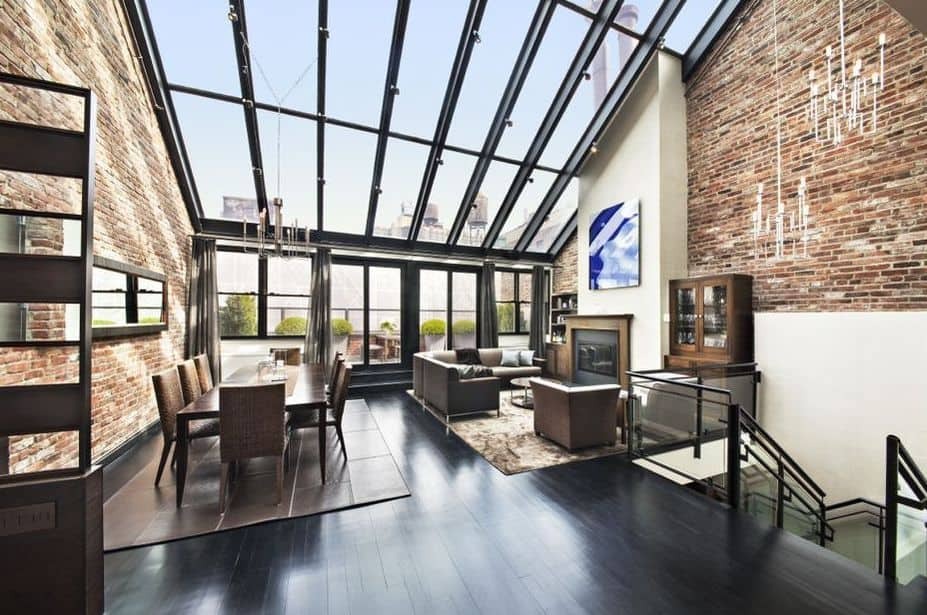
In a vertically arranged home, light can tie separate rooms together more effectively than matching furniture. Begin by observing where morning, midday, and late-afternoon brightness land. Place breakfast seating near the gentlest morning light, reserve stronger exposures for plants that can handle them, and use translucent curtains where privacy matters without sacrificing an open feel. Glass doors, pale walls, and softly reflective finishes can extend daylight, but comfort should come first: layered lamps are essential after sunset.
Think in gradients rather than one dramatic fixture. A pendant over the dining table, low lamps beside seating, and discreet lighting along a stair or hallway create a path through the home. Warm bulbs make wood and textiles feel inviting, while dimmers let the same room shift from work mode to evening calm. Keep windows visually clear by choosing low furniture and limiting decorative clutter on sills. Mirrors can redirect brightness into darker corners, but place them where they reflect a pleasant view rather than visual noise. Notice how evening shadows change the room before committing to a layout. The practical takeaway is simple: design each zone around the light it actually receives, then connect those zones with a consistent glow.
Kitchen Pause: Lemon-Herb White Bean Toasts
- 1 can cannellini beans, drained
- 1 tablespoon olive oil
- 1 teaspoon lemon zest
- 1 tablespoon lemon juice
- 1 small garlic clove, grated
- 4 slices whole-grain bread
- Chopped parsley, salt, and pepper
- Mash beans with oil, lemon zest, lemon juice, garlic, salt, and pepper.
- Toast the bread until crisp at the edges.
- Spoon the bean mixture over toast and finish with parsley.
2. Make the Staircase Earn Its Place
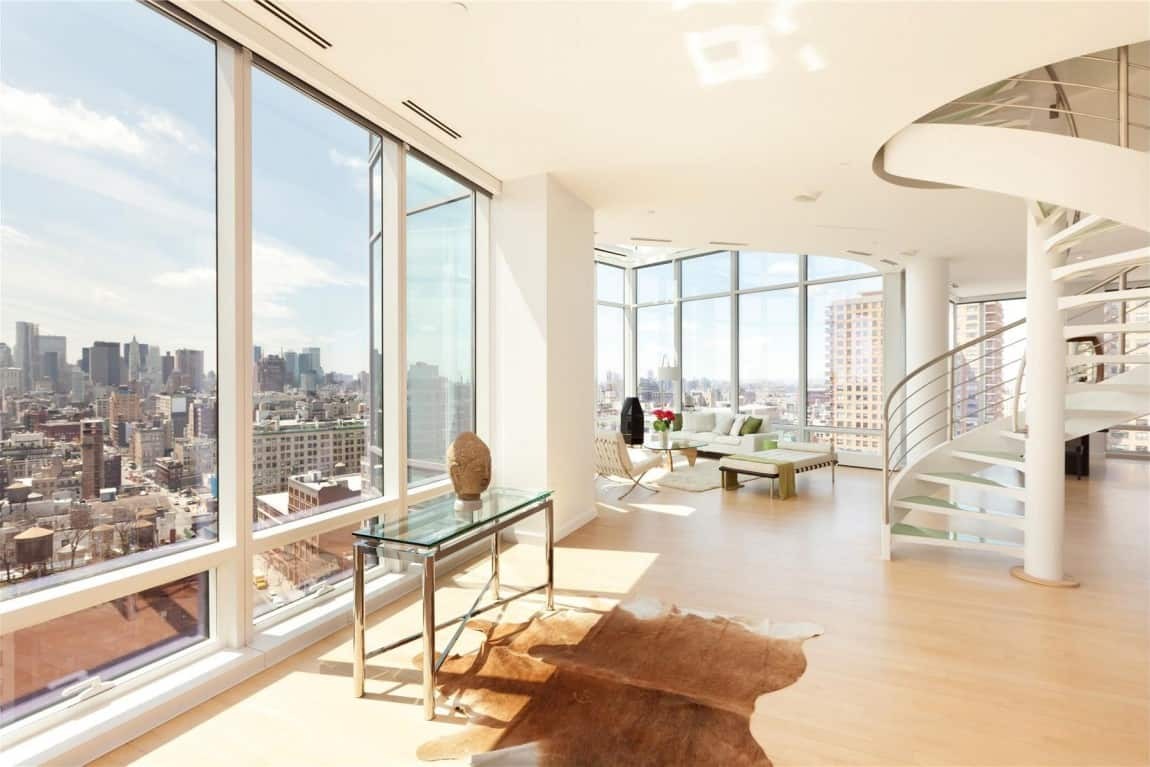
A staircase is often treated as a passage, yet it can become the organizing feature of a layered home. Instead of filling every landing with objects, give the route a clear purpose and a memorable visual thread. A painted handrail, a runner in a durable weave, or a repeated metal detail can make the climb feel intentional. If the stairs are narrow, keep the edges open and the lighting even; safety and ease are more important than spectacle.
The space beside a stair can also support daily life. A shallow console may collect keys, a built-in shelf can hold books, and a small landing can become a standing coffee station or a plant ledge. Choose storage with closed fronts if the route already feels busy. For homes with children or pets, favor rounded edges, washable surfaces, and securely anchored runners. Even a modest staircase benefits from a pause point: a window seat, artwork at eye level, or a bench where shoes can be removed.
The best stair design balances movement with welcome. It should guide people upward without making the home feel divided into disconnected floors. Repeat one material or color from the lower level above, then add a contrasting texture to signal the change in mood. This creates continuity while allowing each level to have its own character.
Kitchen Pause: Cinnamon Apple Oat Cups
- 1 cup rolled oats
- 1 ripe banana, mashed
- 1 apple, finely diced
- 1 egg
- 1 teaspoon cinnamon
- 1 tablespoon maple syrup
- Pinch of salt
- Heat the oven to 350°F and line six muffin cups.
- Stir all ingredients together and divide among the cups.
- Bake for 20–24 minutes, then cool briefly before serving.
3. Define Open Rooms Without Closing Them
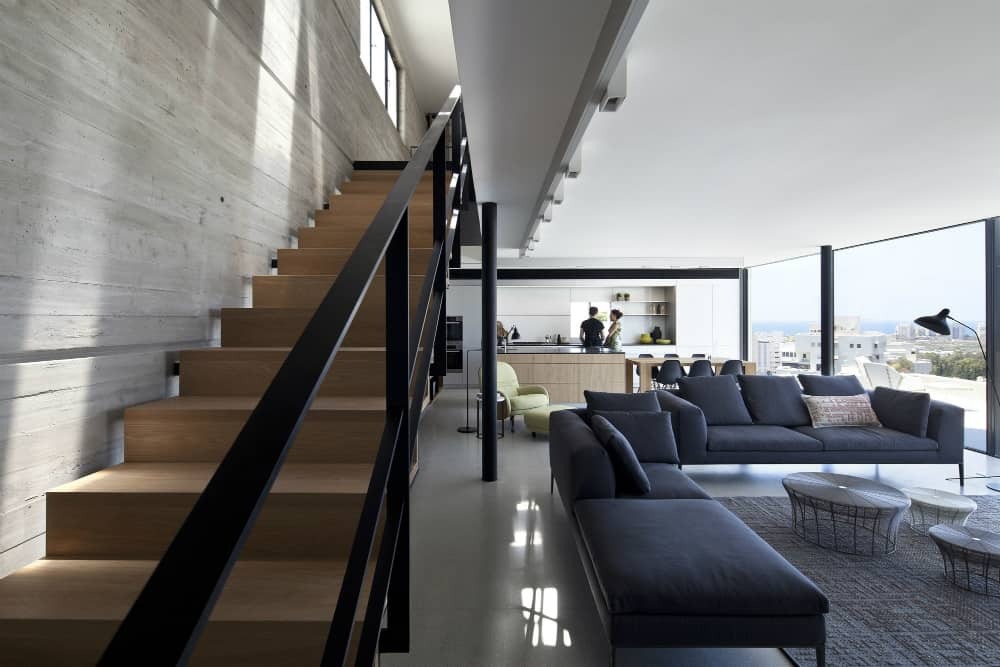
Open planning works best when every activity has a recognizable home. A sofa can turn its back to a dining area, a slim bookcase can mark the edge of a reading corner, and a rug can gather a conversation group without building a wall. The goal is not to make one large room perform every task at once. It is to give the eye enough structure that cooking, eating, working, and relaxing can coexist without competing.
Start with circulation. Leave a generous route between the kitchen and seating, keep dining chairs from blocking doorways, and place frequently used storage where it is reached naturally. Furniture with a finished back is especially useful because it can divide a room attractively from either direction. Consistent flooring helps preserve flow, while changes in texture—such as a woven rug or timber accent—quietly announce a new zone.
A calm palette is useful, but it does not have to be colorless. Pick one anchoring neutral, one wood tone, and two accent shades that appear in small doses across the room. This keeps a broad space cohesive while allowing personality through art, cushions, or ceramics. When a room feels chaotic, edit the number of visual centers before buying anything new. Clear surfaces and intentional groupings often create more luxury than additional decoration.
Kitchen Pause: Sheet-Pan Za’atar Chickpeas
- 1 can chickpeas, drained and dried
- 1 tablespoon olive oil
- 1 teaspoon za’atar
- 1 bell pepper, sliced
- 1 small zucchini, sliced
- 1 cup cherry tomatoes
- Yogurt and lemon wedges, to serve
- Heat the oven to 425°F and toss vegetables and chickpeas with oil and za’atar.
- Roast on a sheet pan for 20–25 minutes, stirring once.
- Serve warm with yogurt and lemon.
4. Use Texture to Make Minimalism Feel Human
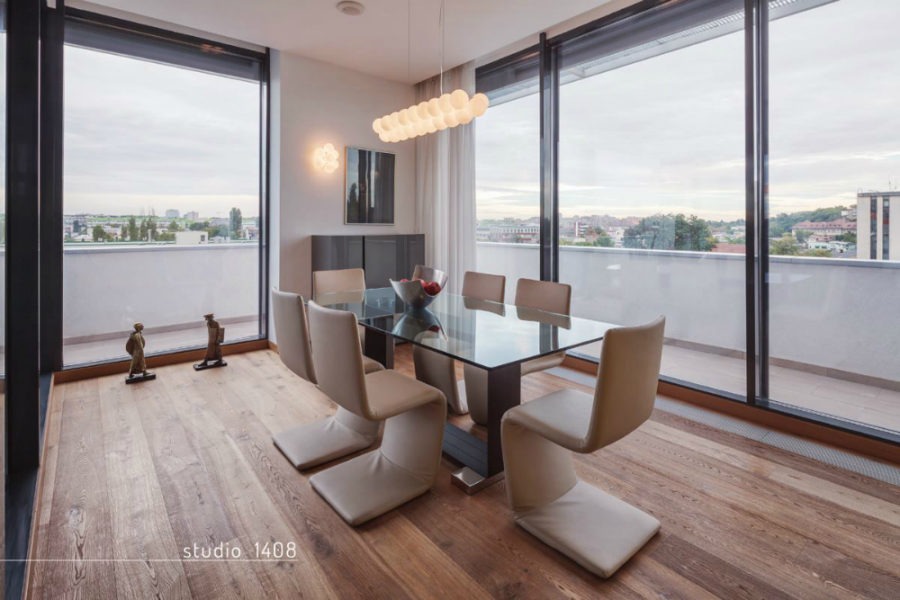
A restrained interior can feel warm when its surfaces invite touch. Pair smooth walls with nubby upholstery, matte ceramics, woven baskets, and naturally varied wood. These contrasts make a limited palette more interesting and help large rooms feel settled rather than empty. Texture is also practical: wool rugs soften footsteps, linen curtains filter glare, and performance fabrics make frequently used seating easier to live with.
Choose a few substantial pieces instead of scattering small accents everywhere. A deep sofa, a generous dining table, or a well-made bed can anchor a room and reduce the temptation to keep rearranging it. Add softness at different heights: a floor covering below, upholstery at sitting level, and curtains or artwork above. In a tall room, this layered approach prevents the upper walls from feeling detached from daily life.
Natural materials age gracefully, but they still need care. Test cleaning products on hidden areas, use coasters on porous stone, and rotate cushions so wear is distributed. If you rent, bring texture through removable elements—quilts, lampshades, baskets, and rugs—rather than permanent finishes. A home becomes more comfortable when its beauty supports real routines, including muddy shoes, hurried breakfasts, and quiet evenings.
Kitchen Pause: Creamy Tahini Noodles
- 6 ounces whole-wheat noodles
- 2 tablespoons tahini
- 1 tablespoon soy sauce
- 1 tablespoon lime juice
- 1 teaspoon honey
- 1 small garlic clove, minced
- Scallions and sesame seeds
- Cook noodles according to the package directions and reserve ¼ cup cooking water.
- Whisk tahini, soy sauce, lime, honey, garlic, and enough water to make a sauce.
- Toss with noodles and top with scallions and sesame seeds.
5. Turn Outdoor Edges into Everyday Rooms
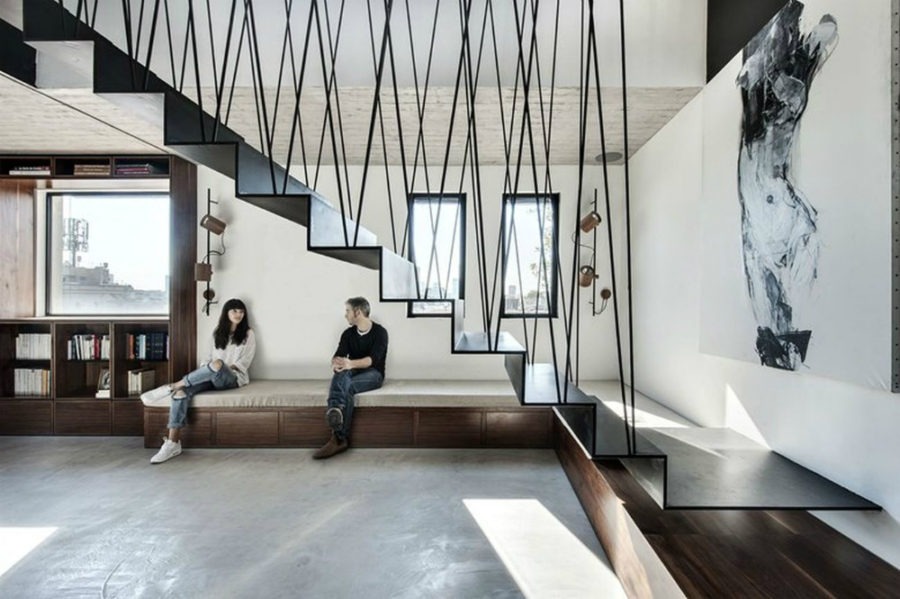
A terrace, balcony, or small courtyard can expand a home’s livable footprint when it is planned for ordinary use rather than occasional entertaining. Begin with shade and seating. A compact table near the kitchen supports quick meals, while a comfortable chair in a quieter corner creates a reliable reading spot. Outdoor rugs, lanterns, and weather-resistant cushions give the area the visual weight of an interior room without requiring expensive construction.
Privacy can be handled in layers. Tall planters, a trellis, a slatted screen, or a curtain panel can soften sightlines while preserving airflow. Select plants according to the actual sun and wind conditions; a small collection of healthy, resilient specimens is more effective than an overfilled display. Keep a storage box nearby for cushions and serving pieces so using the space never becomes a chore.
Think about transitions from inside to out. Matching a tabletop color to an interior wood tone, repeating a tile shade in a cushion, or placing the same herb near the kitchen window and outdoor door creates continuity. Even a tiny landing can support a morning ritual if it has a surface for a mug and enough room to stand comfortably. Outdoor living is most valuable when it is woven into the daily schedule, not reserved for perfect weather or formal gatherings.
Kitchen Pause: Grilled Peach and Feta Salad
- 2 ripe peaches, halved
- 4 cups arugula
- ½ cup crumbled feta
- ¼ cup toasted walnuts
- 1 tablespoon olive oil
- 1 tablespoon balsamic vinegar
- Black pepper and basil
- Brush peaches with a little oil and grill cut-side down until marked.
- Arrange arugula, feta, walnuts, and sliced peaches on a platter.
- Drizzle with remaining oil and balsamic, then add pepper and basil.
6. Give Each Level a Different Kind of Calm
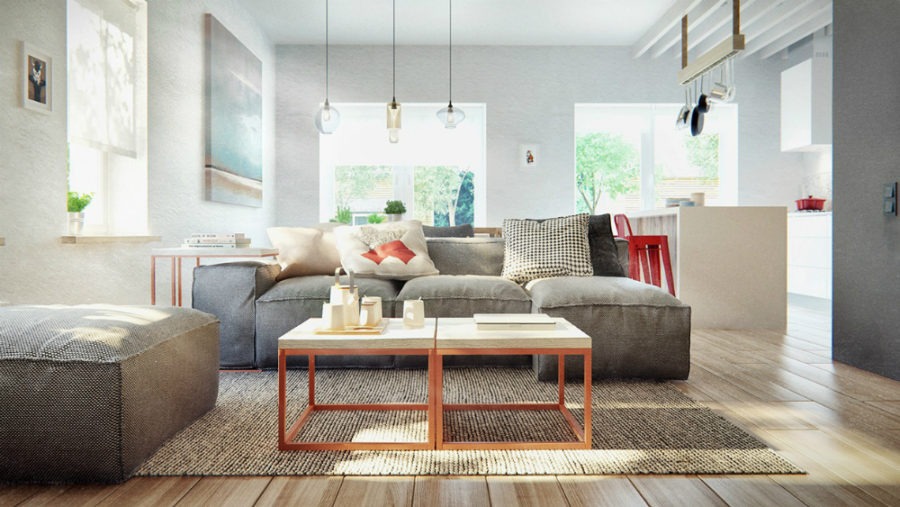
A multi-level home feels generous when the floors have distinct jobs. The lower level can be social and durable, with surfaces that welcome cooking, guests, and activity. The upper level may be quieter, using softer lighting, less visual contrast, and storage that keeps bedtime essentials close at hand. This does not mean the floors need separate personalities. Carry a few connective details—one wood tone, a recurring textile, or a shared art color—throughout the home.
Assigning purpose also makes tidying easier. Create a drop zone near the entry, keep entertaining supplies near the dining area, and place linens where they are used rather than where there is empty cabinet space. In bedrooms, favor bedside charging, a hamper, and a small surface for water so nighttime routines stay simple. If an upper level doubles as an office, use a screen or curtain to close work away at the end of the day.
The final layer is hospitality. Leave a clear place for a guest’s coat, keep an extra blanket within reach, and make the route to the bathroom intuitive. These details matter more than expensive finishes because they reduce friction. A home with a strong sense of flow gives people permission to move slowly, gather easily, and retreat without feeling disconnected.
Kitchen Pause: Warm Pear and Ricotta Toast
- 4 slices sourdough bread
- ½ cup ricotta
- 1 ripe pear, thinly sliced
- 1 teaspoon honey
- ¼ teaspoon cinnamon
- 2 tablespoons chopped pistachios
- Pinch of flaky salt
- Toast the bread until golden and spread with ricotta.
- Arrange pear slices on top and drizzle with honey.
- Sprinkle with cinnamon, pistachios, and flaky salt before serving.
Final Thoughts
The appeal of a layered home is not simply its height or drama. It is the opportunity to choreograph daily life with more choice: a bright corner for breakfast, a welcoming route between floors, a quieter room for restoration, and an outdoor edge that makes a simple meal feel special. Those qualities can be recreated through proportion, light, texture, and thoughtful placement at nearly any scale.
Let your home evolve from the way you actually live. When every room supports a useful ritual and every transition feels considered, even modest spaces gain the ease and generosity of a much larger dwelling.