Small-Home Comfort: Six Smart Ways to Make Every Corner Work Harder
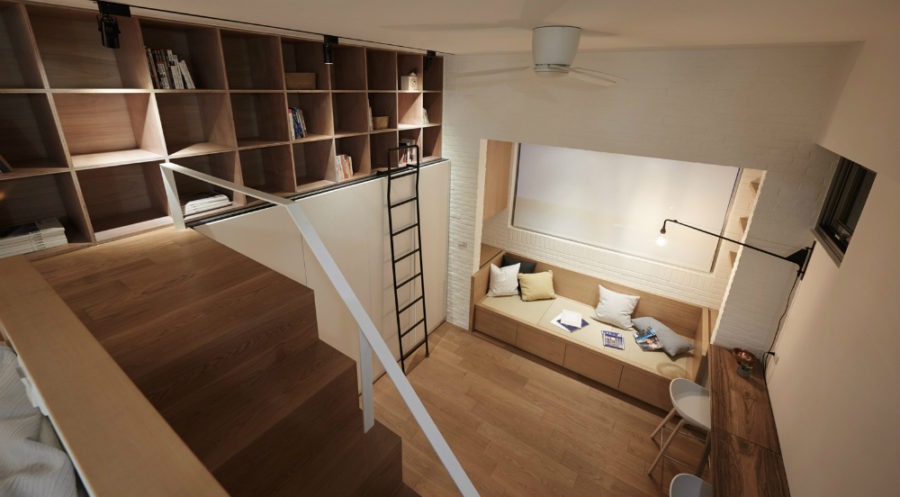
A compact home does not have to feel like a collection of compromises. The most successful small spaces treat every surface as part of a daily rhythm: a ledge becomes a breakfast perch, a quiet alcove becomes a living room, and a vertical wall carries the storage that a wider floor plan might normally provide. The result is less about owning fewer things for its own sake and more about making each choice earn its place.
The apartment that inspired this guide demonstrates how thoughtful planning can make a petite footprint feel generous. Rather than reproduce its arrangement, we will translate its most useful lessons into flexible ideas for renters, first apartments, studio dwellers, and anyone trying to create a calmer home. Along the way, each section includes a small Kitchen Pause recipe designed for limited counters, minimal equipment, and an unhurried meal.
1. Plan the Home Around Daily Movements
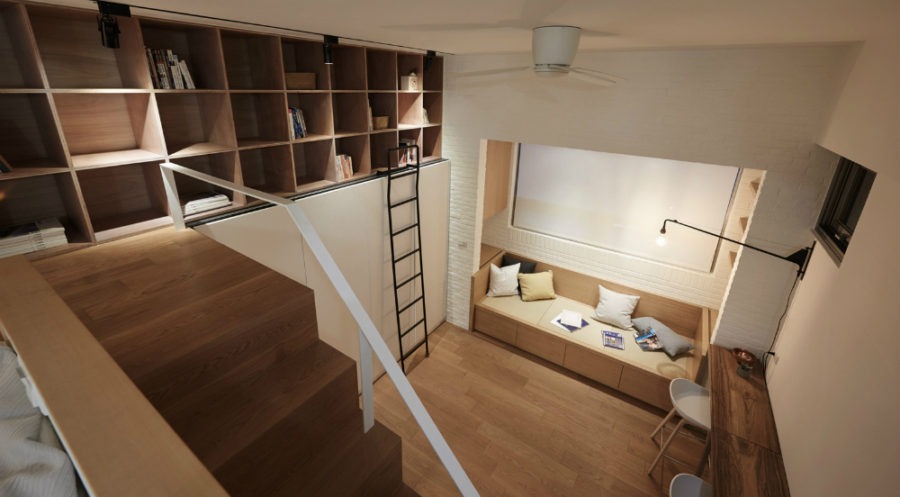
The first step in improving a small home is to observe how you actually move through it. Notice where you drop keys, prepare food, charge a phone, read, change clothes, and pause with a cup of tea. Those repeated actions should guide the layout more than an idealized room diagram. A narrow passage may need a shallow landing shelf rather than a decorative console, while the brightest corner may be better used as a morning seat than as a place for rarely touched objects. Think in zones, not rooms: a cooking zone, a resting zone, a work zone, and a reset zone can overlap when their boundaries are clear. Lightweight furniture makes those overlaps easier to adjust as routines change. Leave enough breathing room around the places you use most, and reserve hard-to-reach storage for seasonal or occasional items. This approach also makes cleaning less intimidating because every activity has a home and every surface has a purpose. Before buying anything, sketch a simple floor plan and mark the paths you take during a normal day. The exercise often reveals that better organization is more valuable than more furniture.
Kitchen Pause: Lemon-Cucumber Couscous Cup
- 1/2 cup quick-cooking couscous
- 1/2 cup boiling water
- 1/2 small cucumber, diced
- 1 tablespoon lemon juice
- 1 tablespoon olive oil
- 2 tablespoons crumbled feta
- Pinch of salt and black pepper
- Put couscous in a heatproof bowl, pour over boiling water, cover, and rest for five minutes.
- Fluff with a fork, then fold in cucumber, lemon juice, olive oil, feta, salt, and pepper.
- Eat warm or chill briefly for a compact, no-pan lunch.
2. Build Upward Without Making the Room Feel Heavy
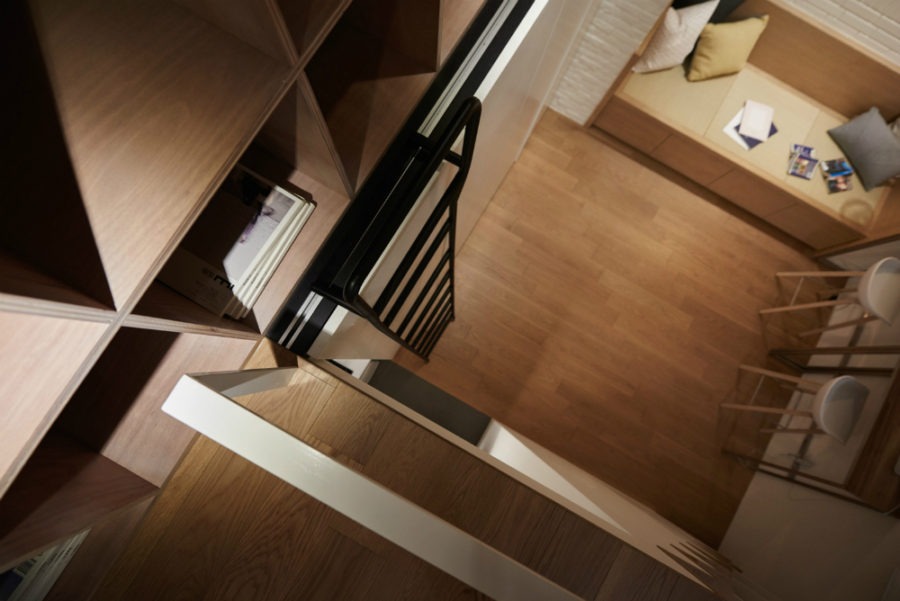
When floor area is scarce, the walls become your most generous resource. A tall storage composition can hold clothing, books, pantry supplies, and display pieces while preserving the center of the room for movement. The key is to create visual rhythm instead of a solid block. Combine closed cabinets for visual quiet with a few open shelves for items that are attractive or used often. Keep the lower zone easy to reach and place infrequently used belongings higher up, using a stable step stool that can be stored neatly when not needed. A continuous paint color behind the storage helps the arrangement read as architecture rather than a pile of separate units. If you rent, freestanding shelving, tension-mounted accessories, and removable hooks can provide a similar effect without permanent alterations. Avoid filling every shelf immediately; a little empty space makes the whole wall feel lighter and gives future purchases a boundary. Group objects by activity so that morning supplies, work materials, and cleaning tools are not scattered across the home. Vertical storage works best when it reduces decisions as well as clutter. Labeling a few concealed bins may sound mundane, but it saves time and prevents the floor from becoming a temporary holding area.
Kitchen Pause: Five-Minute White Bean Toast
- 1 slice whole-grain bread
- 1/2 cup canned white beans, rinsed
- 1 teaspoon olive oil
- 1 teaspoon lemon juice
- 1/4 teaspoon smoked paprika
- 1 tablespoon chopped parsley
- Salt and pepper
- Mash beans with olive oil, lemon juice, paprika, salt, and pepper in a small bowl.
- Toast the bread using a toaster or dry skillet.
- Spoon the beans over the toast and finish with parsley.
3. Let Furniture Change Jobs During the Day
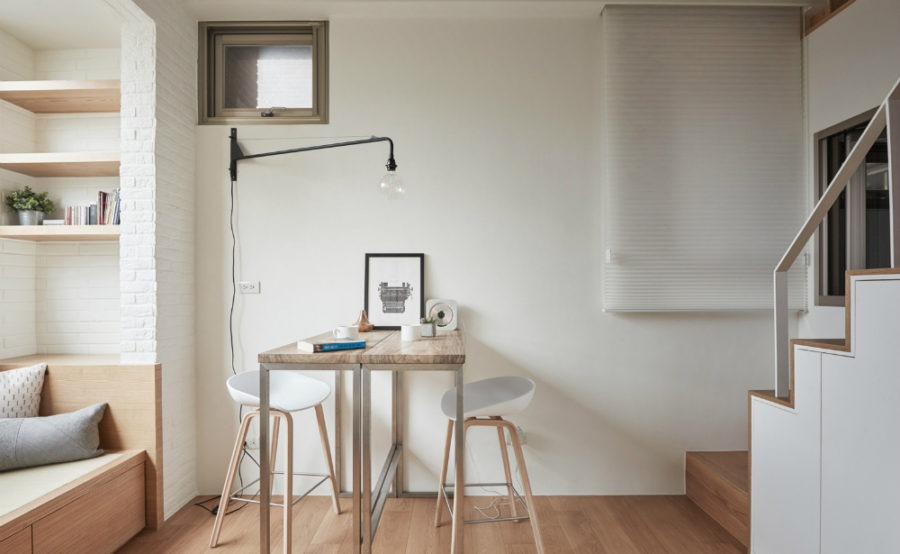
Small homes benefit from furniture that is willing to do more than one job. A slim table can serve as a breakfast counter in the morning, a laptop perch in the afternoon, and a dinner table at night. Two narrow pieces can remain separate when circulation matters, then join when guests arrive. The same principle applies to nesting stools, benches with hidden compartments, folding wall desks, and ottomans that provide both seating and a place to set down a tray. Look for pieces with modest depths and rounded or softened edges, especially along busy routes. Multi-use furniture should be easy to transform; if changing its function requires moving five objects, it will probably stay in one arrangement forever. Keep the surfaces intentionally edited so the transition from work to rest takes seconds rather than a full reset. A small tray is surprisingly useful because it gathers daily essentials and can be lifted away when a surface needs another role. When choosing a table, measure not only its footprint but also the clearance needed for knees, doors, and drawers. Flexibility is not about constant rearranging. It is about giving one well-chosen item enough range to support the different parts of your day.
Kitchen Pause: Skillet Apple-Oat Crumble for Two
- 1 small apple, thinly sliced
- 1 teaspoon butter
- 1/4 cup rolled oats
- 1 tablespoon chopped walnuts
- 1 teaspoon maple syrup
- 1/4 teaspoon cinnamon
- Pinch of salt
- Warm butter in a small skillet and cook apple slices for three minutes.
- Stir oats, walnuts, maple syrup, cinnamon, and salt together.
- Scatter the oat mixture over the apples, cover, and cook on low for four minutes.
- Serve directly from the skillet with yogurt if desired.
4. Use Light, Reflection, and Texture as Space-Making Tools
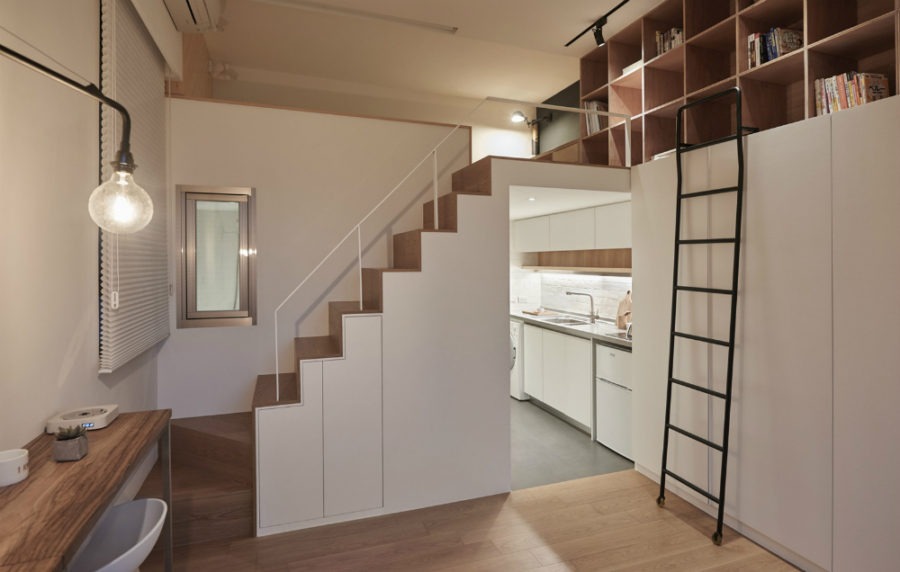
Color and lighting can change the perceived size of a room without moving a single wall. A pale, consistent backdrop reflects daylight and allows furniture edges to recede, while warm wood, woven fabric, or a matte ceramic accent keeps the room from feeling clinical. Instead of flooding the ceiling with one harsh fixture, layer light for the activities that happen in each zone. A focused reading light, a gentle glow near the kitchen, and a dimmable general source make a compact room feel adaptable from breakfast through bedtime. Reflective surfaces can help, too, but they work best when they face a pleasant view or a source of light rather than a cluttered corner. Use curtains that filter daylight without blocking it, and keep window sills as clear as possible. Texture supplies the visual interest that a crowded collection of colors might otherwise provide. A small rug can define a seating area, while a timber shelf or linen shade adds softness without consuming much space. The goal is not to make every surface white or shiny. It is to create a calm visual field with a few tactile moments that reward attention. When the room feels brighter and more coherent, it often feels larger as a side effect.
Kitchen Pause: Warm Pear and Ginger Mug
- 1 ripe pear, diced
- 1 teaspoon grated fresh ginger
- 1 teaspoon honey
- 1 cup hot water
- 1 tablespoon rolled oats
- Pinch of cinnamon
- Add pear, ginger, honey, oats, and cinnamon to a heatproof mug.
- Pour in hot water and stir well.
- Cover with a small saucer for five minutes, then enjoy warm with a spoon.
5. Make Kitchen and Bath Cleanup Part of the Design
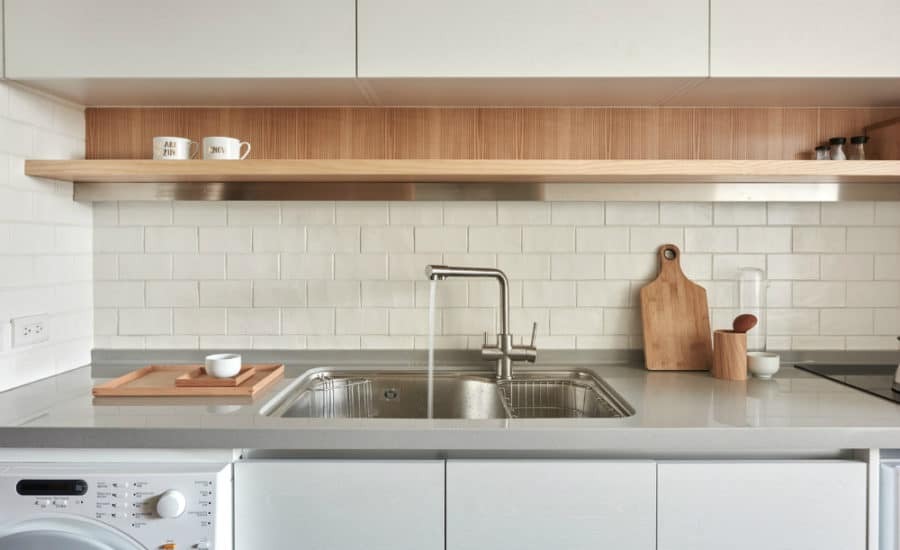
In a compact home, maintenance is part of comfort. A small kitchen or bathroom can become stressful when crumbs, condensation, and damp towels have nowhere to go, so choose finishes and accessories that make resetting simple. Smooth, wipeable surfaces around the cooking area reduce the time between meals and prevent a minor spill from becoming a project. A magnetic rail, slim caddy, or narrow drawer insert can keep the tools you use daily close without covering the counter. In the bathroom, a generously sized mirror can increase reflected light, while a consistent palette keeps the room visually composed. Give wet items a deliberate drying place, and use hooks at different heights so towels do not collect on the floor. Ventilation matters as much as appearance; open a window or run an exhaust fan after showers whenever possible. Store backups elsewhere so the sink area remains clear and easy to wipe. These choices are especially valuable in a studio because kitchen and bath messes are visible from the living area. Consider a five-minute closing ritual: rinse dishes, wipe the main surface, hang textiles, and return one stray item to storage. A home that is easy to reset feels more spacious because disorder never has enough time to take over.
Kitchen Pause: One-Bowl Tomato Herb Noodles
- 75 g quick-cooking noodles
- 1/2 cup halved cherry tomatoes
- 1 tablespoon olive oil
- 1 teaspoon lemon juice
- 1 tablespoon grated Parmesan
- 1 tablespoon chopped basil
- Salt and pepper
- Cook noodles according to the package, then drain in the same bowl or a small colander.
- Toss hot noodles with olive oil, tomatoes, lemon juice, salt, and pepper.
- Add Parmesan and basil, stir, and serve immediately.
6. Create a Restful Loft or Sleep Nook
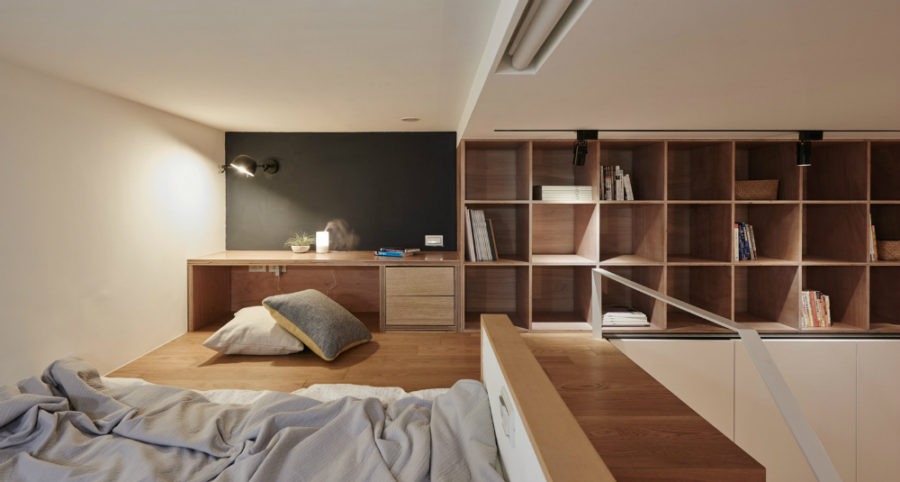
A sleeping area can feel separate even when it shares the same footprint as the living space. If ceiling height allows, a loft or raised platform can free room below for work, cooking, or storage; where that is not practical, a curtain, bookcase, or change in flooring can create a softer boundary around the bed. Keep the sleep zone visually simple. A compact bedside ledge, a wall-mounted reading light, and one basket for evening essentials may be enough. Choose bedding in a restrained palette and avoid turning the bed into overflow storage during the day. Safety should lead any raised-bed plan: use secure rails, comfortable steps, dependable lighting, and enough headroom to move without strain. For a conventional studio, position the bed away from the busiest line of sight and use a screen that allows daylight through. A small desk near the sleeping area can be useful, but give it a clear closing cue at night, such as a lidded box for chargers or a fabric panel that hides work materials. The most successful compact bedrooms are not overloaded with décor. They protect a sense of pause. When the room’s vertical and horizontal zones are assigned thoughtfully, even a tiny sleeping corner can feel private, orderly, and genuinely restorative.
Kitchen Pause: No-Cook Almond Butter Banana Bowl
- 1 banana, sliced
- 1/2 cup plain yogurt
- 2 tablespoons rolled oats
- 1 tablespoon almond butter
- 1 teaspoon chia seeds
- 1 teaspoon honey
- Pinch of cinnamon
- Spoon yogurt into a bowl and arrange banana slices over it.
- Add oats, almond butter, chia seeds, honey, and cinnamon.
- Rest for five minutes so the oats soften, then eat chilled or at room temperature.
Final Thoughts
A small home becomes easier to live in when its design supports real routines instead of asking residents to work around it. Vertical storage, adaptable furniture, layered lighting, cleanable surfaces, and a protected sleep zone can all make a modest footprint feel more capable. The common thread is intentionality: keep what helps, position it where it is used, and leave enough visual quiet for the room to breathe.
Start with one friction point rather than attempting a total makeover. Move a table, clear a shelf, improve a lamp, or create a five-minute closing ritual. Small adjustments compound, and the home gradually begins to feel less like a puzzle and more like a supportive daily tool.