Warm Texture, Easy Living: Six Ways to Give an Apartment More Character
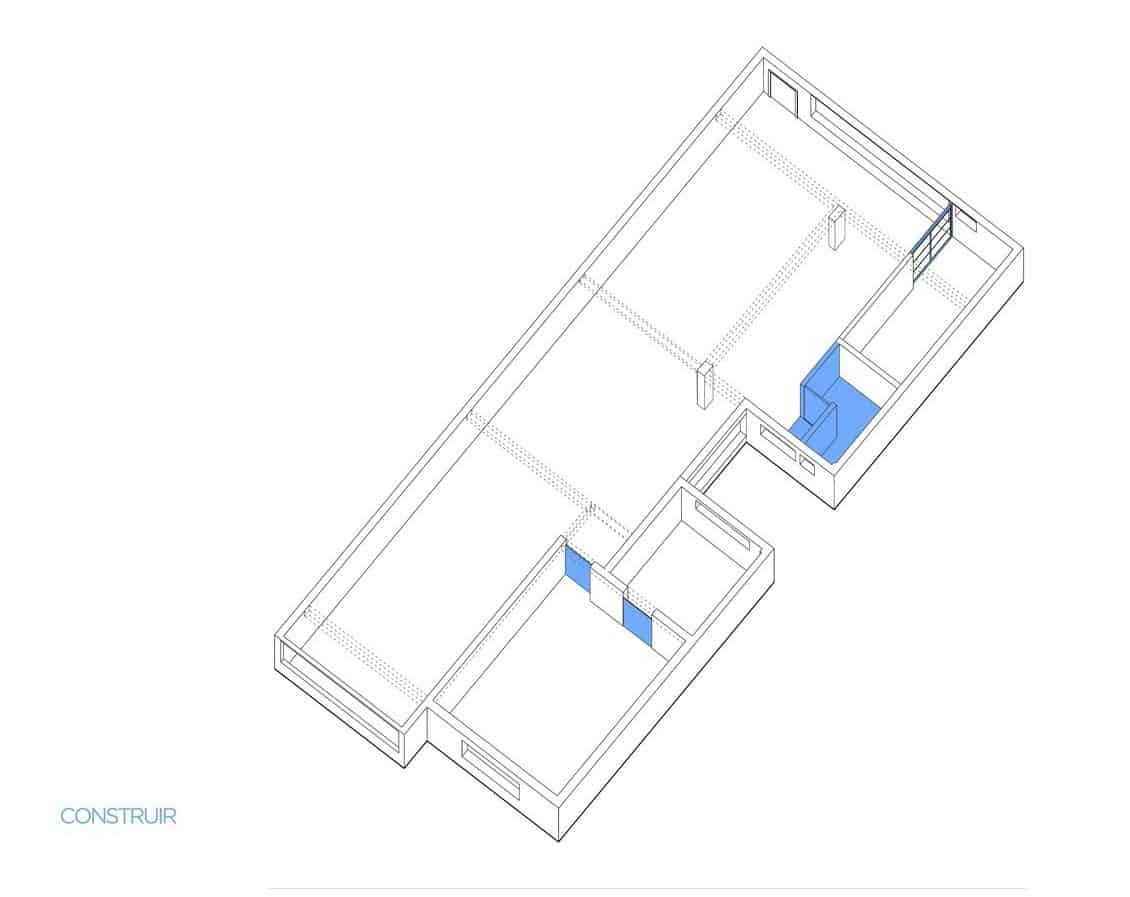
A home can feel expressive without becoming exhausting to maintain. The most inviting rooms often balance a few honest materials—wood, masonry, metal, tile—with softer layers such as plants, textiles, warm lighting, and useful furniture. That mix creates visual depth while keeping everyday life at the center of the design.
This guide turns those ideas into practical moves for an apartment, townhouse, or compact home. You will find ways to clarify an open plan, make storage feel intentional, create a calmer bedroom, and use small accents to add personality. Each section ends with a simple Kitchen Pause recipe, so the rhythm of the home includes nourishing breaks as well as beautiful rooms.
1. Let One Honest Material Lead the Room
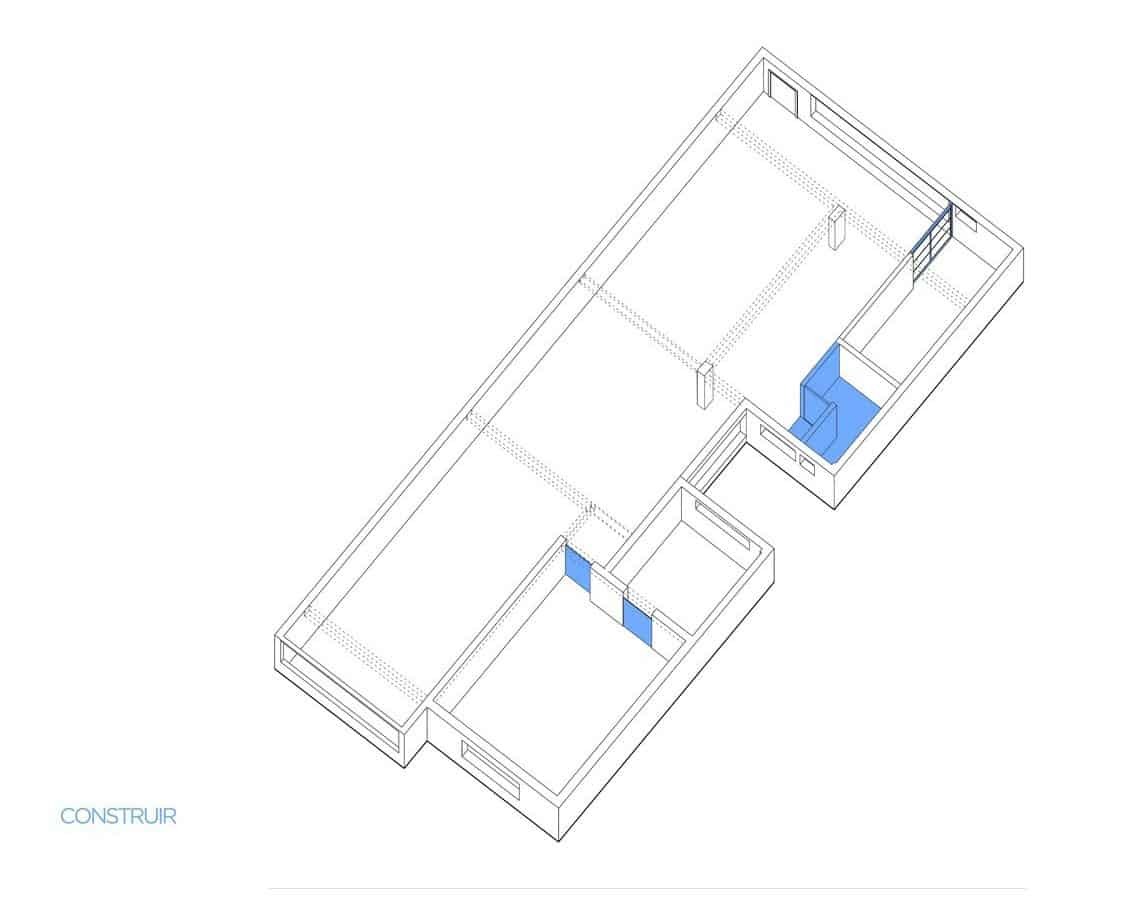
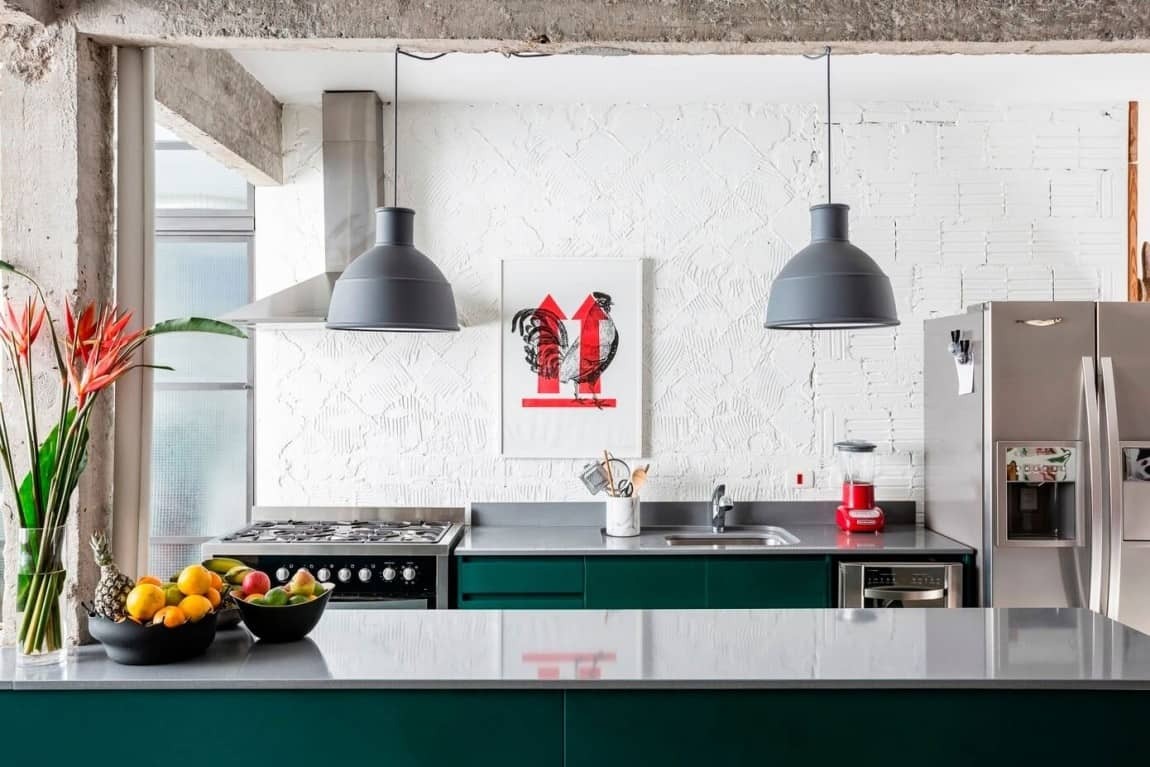
Character becomes easier to control when a room has a clear visual anchor. Instead of decorating every surface, choose one material with presence—brick, concrete, timber, stone, or even a carefully finished plaster wall—and let it establish the mood. The supporting palette can remain quieter: linen upholstery, matte black details, woven baskets, and a few warm wood tones will keep the focal point from feeling cold. In a rental, the same principle works with removable wallpaper, a large framed print, or a freestanding wood screen.
Before buying accessories, photograph the room at different times of day. Notice which wall naturally catches attention and whether the material looks balanced beside windows, doorways, and furniture. Keep electrical cords, vents, and daily storage visually calm so the feature feels deliberate rather than accidental. A limited palette also makes cleaning and seasonal updates simpler.
Kitchen Pause: Lemon-Herb White Bean Toast
- 1 can cannellini beans, rinsed
- 2 slices whole-grain bread
- 1 tablespoon olive oil
- 1 teaspoon lemon zest
- 1 tablespoon chopped parsley
- Pinch of salt and pepper
- Mash beans with oil, zest, parsley, salt, and pepper.
- Toast the bread until crisp.
- Spoon the mixture over toast and finish with extra zest.
2. Open the Plan Without Losing Definition
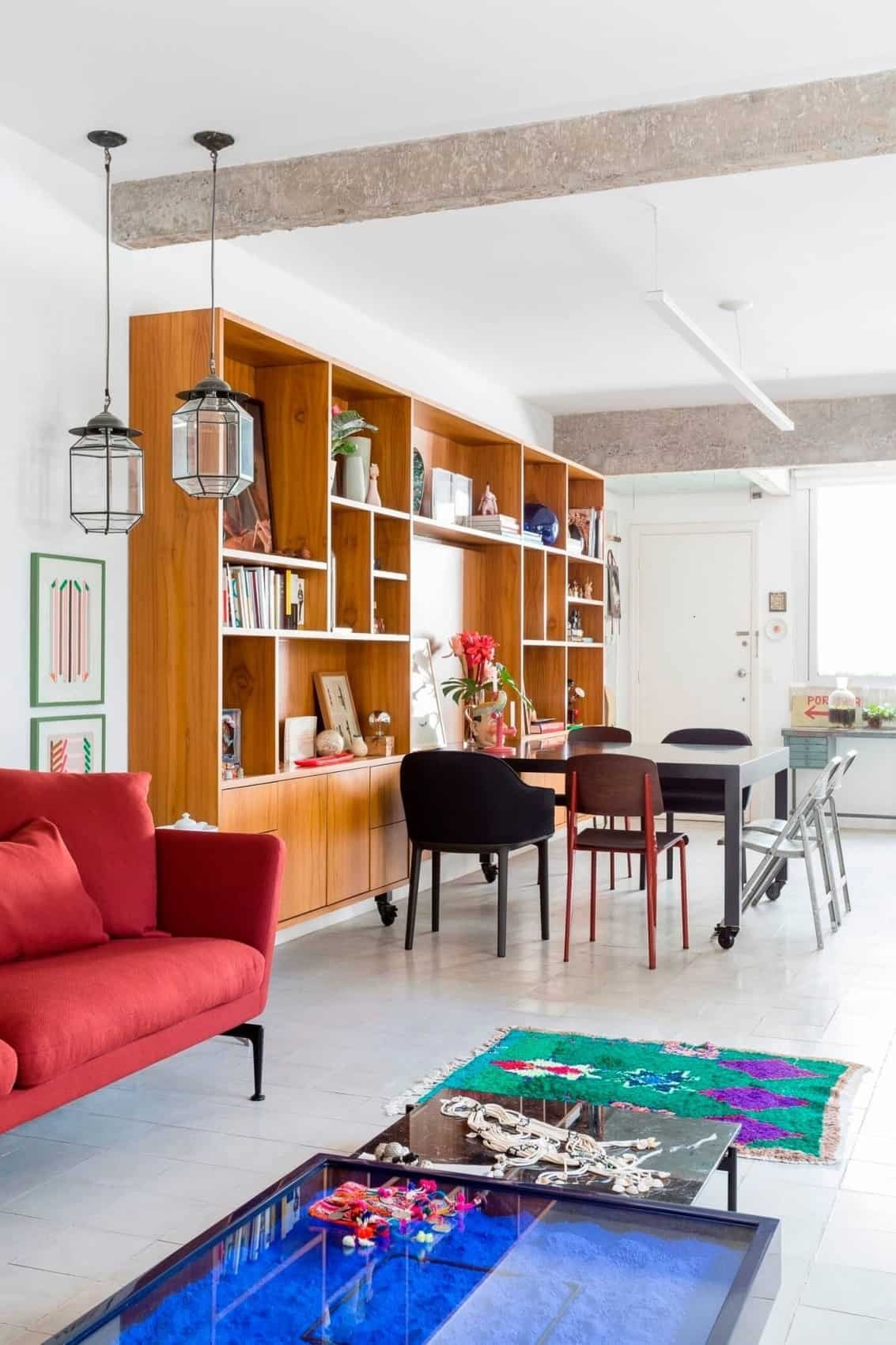
An open living area should feel connected, not undefined. You can create gentle boundaries without rebuilding walls by arranging furniture into purposeful zones. A sofa can face away from the dining table, a slim bookcase can mark the edge of a work corner, and a rug can gather seating into one visual island. Repeating one finish—such as oak, walnut, or a muted painted color—across those zones helps the whole space read as one home.
Measure circulation before choosing a layout. Leave a comfortable path between the entry, kitchen, and seating area, and keep frequently used drawers and cabinet doors clear. If a dining table doubles as a desk, add a nearby lamp and a small tray for work supplies so the table can return to mealtime quickly. The goal is flexibility with a little ceremony: every activity gets a place, yet no area feels boxed in. Plants, curtains, and open shelving can soften transitions while preserving daylight.
Kitchen Pause: Cucumber-Mint Yogurt Cups
- 1 cup plain Greek yogurt
- 1 small cucumber, diced
- 1 tablespoon chopped mint
- 1 teaspoon lemon juice
- 1 tablespoon toasted pepitas
- Salt to taste
- Stir yogurt, cucumber, mint, lemon, and salt together.
- Divide into two small bowls or glasses.
- Top with pepitas and serve chilled.
3. Use Plants as Soft Architecture
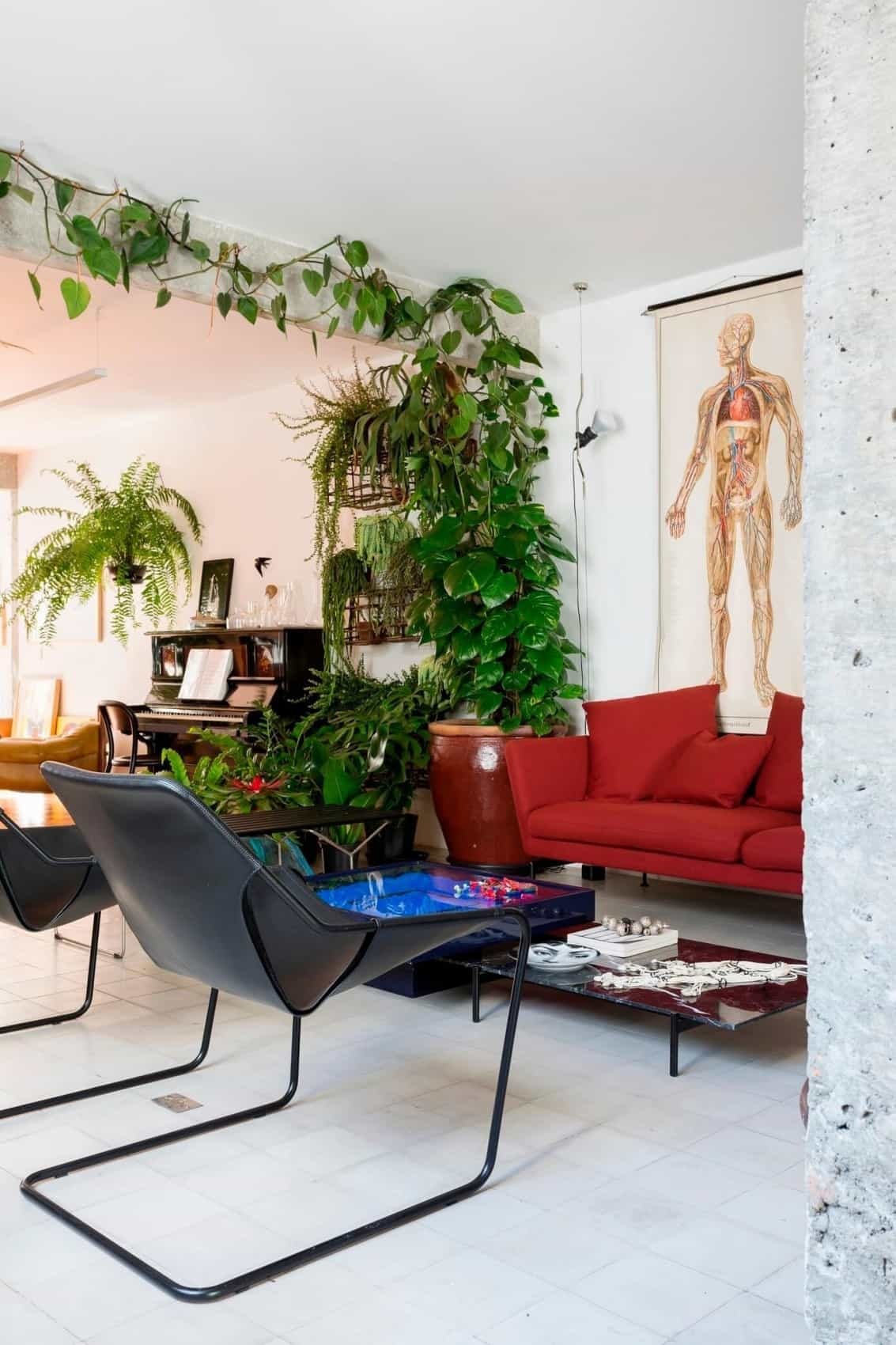
Houseplants can do more than decorate a windowsill. Grouped thoughtfully, they can screen a desk, guide the eye toward a bright corner, or soften the hard geometry of shelving and exposed construction. Start with the light you actually have. A bright window may suit herbs, trailing plants, or sun-loving foliage, while a dimmer corner is better served by tolerant varieties or a movable stand that can be rotated toward daylight.
Choose containers in related shapes rather than identical pots. A tall planter, a low bowl, and a hanging basket create a layered composition without requiring a large collection. Keep leaves away from cooking splatter and leave enough space to water without moving half the room. A plant grouping is successful when it improves daily function: it can create privacy for video calls, make a reading chair feel tucked away, or draw attention to an otherwise unused nook.
For low-maintenance care, set a weekly reminder to check soil, wipe broad leaves, and remove damaged growth. Use saucers or waterproof liners to protect floors and furniture.
Kitchen Pause: Green Apple and Celery Crunch
- 1 crisp apple, thinly sliced
- 1 celery stalk, thinly sliced
- 2 tablespoons walnuts, chopped
- 1 tablespoon dried cranberries
- 2 tablespoons plain yogurt
- 1 teaspoon lemon juice
- Toss apple and celery with lemon juice.
- Fold in yogurt, walnuts, and cranberries.
- Chill briefly or eat immediately.
4. Make Storage Part of the Composition
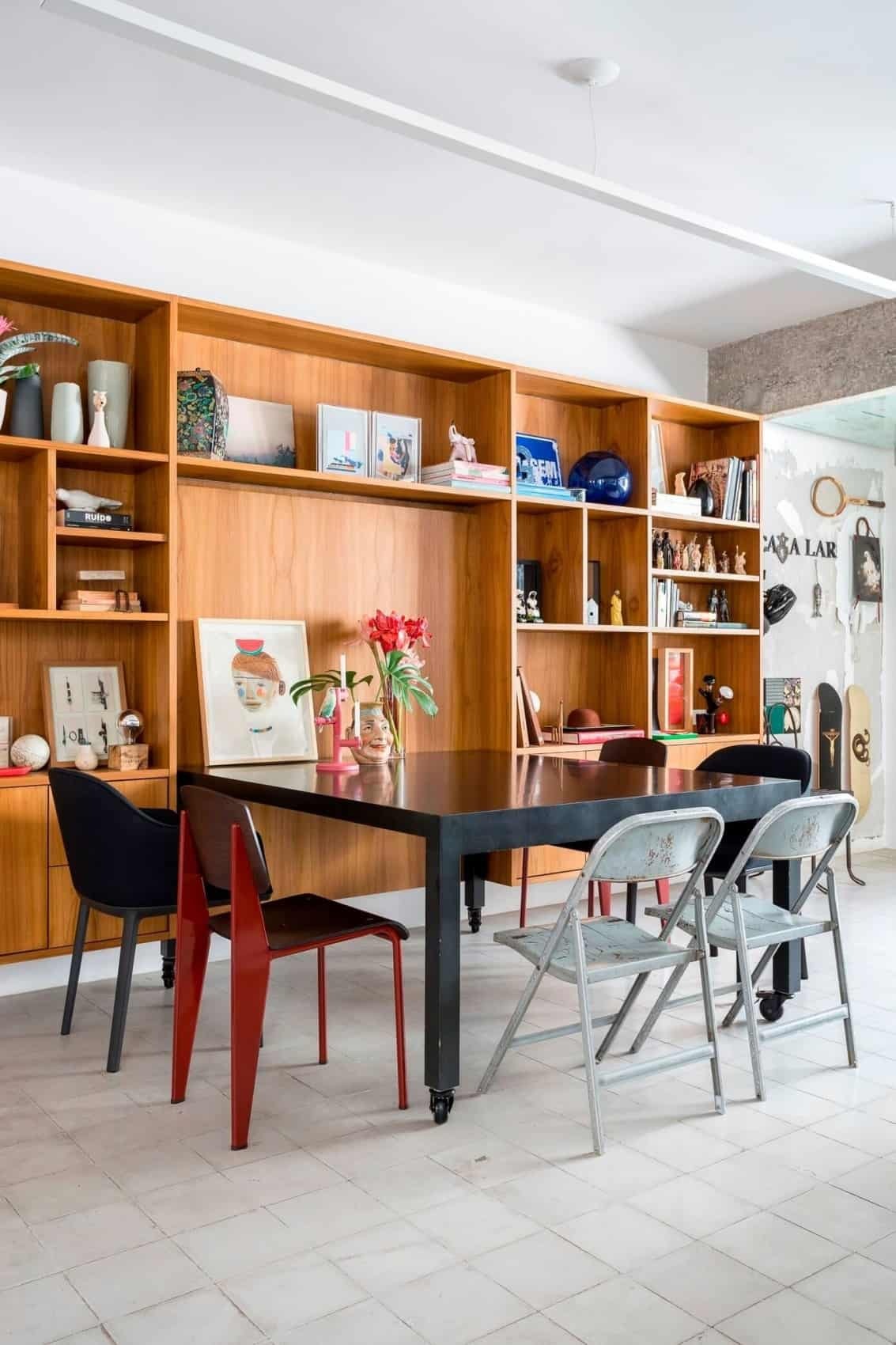
Storage looks most polished when it is designed around what you own rather than added as an afterthought. Begin by sorting belongings into three groups: items used daily, objects worth displaying, and things that should disappear. Daily pieces belong in the easiest-to-reach drawers or baskets. Display pieces need breathing room, while the third group should receive closed doors, labeled bins, or a designated closet. This simple hierarchy prevents shelves from becoming visual noise.
In a dining or living area, a shallow cabinet can define a zone while holding linens, games, chargers, or entertaining supplies. Use a few open niches for books and art, then repeat their colors elsewhere in the room. If custom cabinetry is outside the budget, combine modular cubes with a finished top, or use a narrow console and matching boxes. Leave some empty space; it gives the eye a resting point and makes future organizing easier.
Edit shelves seasonally instead of constantly rearranging them. A five-minute reset after dinner can return objects to their homes and keep the room ready for relaxation.
Kitchen Pause: Spiced Carrot Hummus
- 2 cups cooked carrots
- 1 cup chickpeas, rinsed
- 2 tablespoons tahini
- 1 tablespoon lemon juice
- 1 tablespoon olive oil
- 1/2 teaspoon cumin
- Salt to taste
- Blend all ingredients until smooth.
- Add a spoonful of water if needed.
- Serve with vegetables or whole-grain crackers.
5. Keep the Resting Zone Visually Quiet
A bedroom benefits from a lower visual volume than the social rooms. That does not mean it must be bland; it means texture can do more work than competing color. Pair a restrained wall color with a tactile headboard, a washable woven throw, and curtains that filter morning light. A single saturated accent—on a lamp, cushion, or small artwork—can provide energy without making the room feel busy.
Place the bed where movement around it feels natural, then solve practical friction points: reading light on both sides, a landing surface for glasses and water, and a hamper close to where clothes are changed. Keep the floor easy to navigate at night. If patterned tile or a bold rug is part of the room, repeat only one subtle color in bedding so the pattern feels integrated.
The best bedroom edit is often subtraction. Remove work materials, excess furniture, and decorative objects that collect dust. A small basket can gather charging cables, while under-bed containers handle occasional-use linens. The result is a room that feels considered because it supports sleep first.
Kitchen Pause: Warm Cherry Oat Bowl
- 1/2 cup rolled oats
- 1 cup milk or oat milk
- 1/2 cup pitted cherries
- 1 teaspoon maple syrup
- 1 tablespoon pumpkin seeds
- Pinch of cinnamon
- Simmer oats and milk for five minutes.
- Stir in cherries, syrup, and cinnamon.
- Spoon into a bowl and top with seeds.
6. Add Color in Small, Repeatable Doses
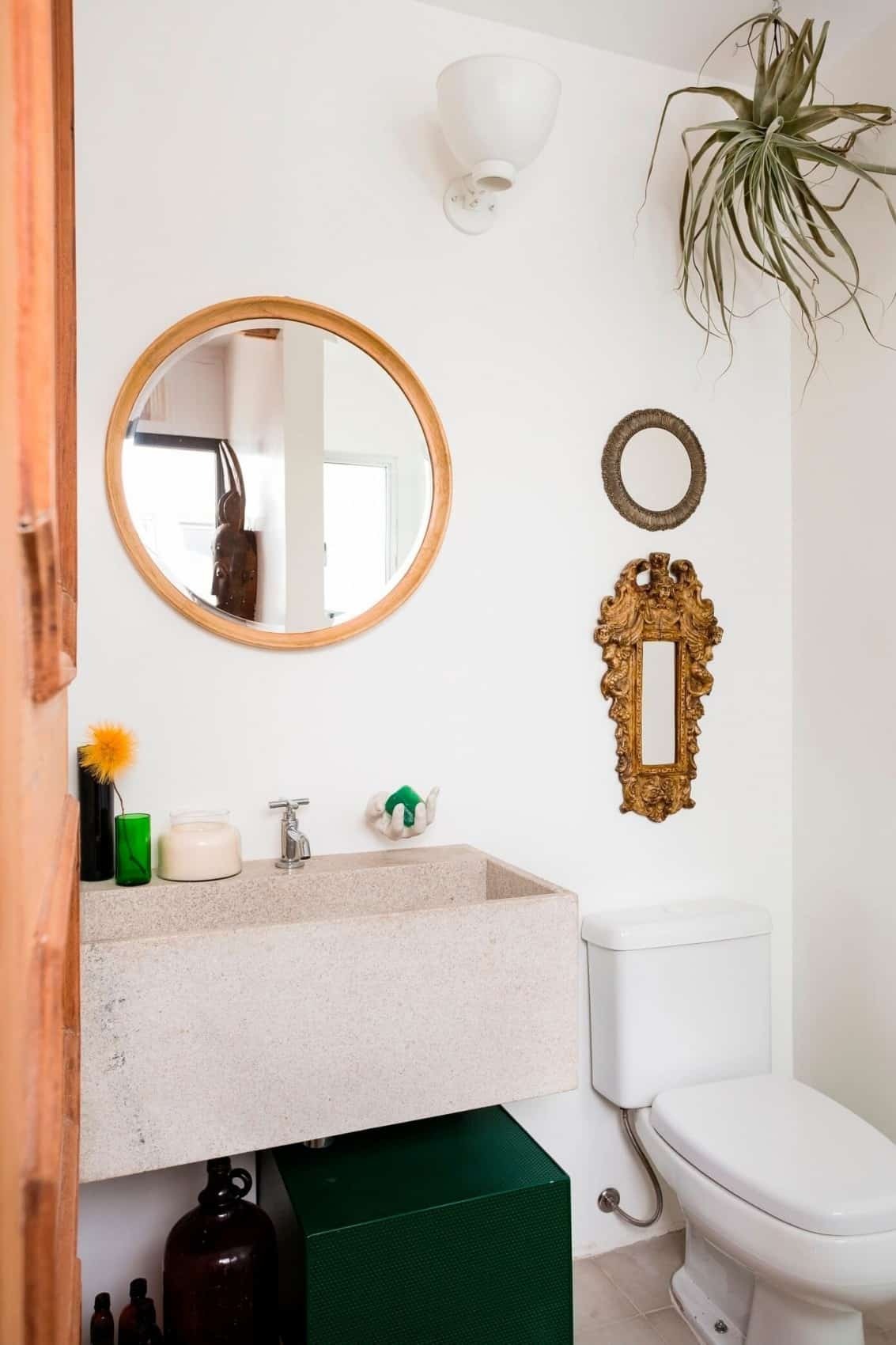
Color feels intentional when it appears more than once but does not take over. Pick a small group of related shades from a favorite object, textile, artwork, or dish, then distribute them across the home in modest doses. A green stool might echo a vase, a blue lamp might reappear in a book spine, and a warm pink accent could return in a hand towel. These repetitions create continuity even when the furniture styles differ.
Use the largest surfaces for flexible neutrals and reserve stronger color for pieces that can move: cushions, lampshades, framed prints, ceramics, or painted storage boxes. That approach makes seasonal refreshes inexpensive and prevents a bold decision from becoming permanent. Test samples beside both daylight and evening bulbs; color can shift dramatically between them.
Personality also comes from displaying meaningful objects in unexpected ways. Sports gear, instruments, travel finds, and handmade pieces can become part of the room when mounted safely and given visual space. Choose one or two groupings instead of scattering everything.
Kitchen Pause: Berry Basil Sparkler
- 1/2 cup mixed berries
- 3 basil leaves
- 1 teaspoon honey
- 1 tablespoon lime juice
- 1 cup sparkling water
- Ice cubes
- Muddle berries, basil, honey, and lime in a glass.
- Fill with ice.
- Top with sparkling water and stir gently.
Final Thoughts
A memorable home is rarely the result of one expensive purchase. It grows from a sequence of useful choices: a material allowed to speak, furniture arranged for real movement, plants placed where they can thrive, and color repeated with restraint. When those decisions support cooking, resting, working, and gathering, style becomes part of an easier daily routine.
Take one small step this week. Clear a surface, move a plant toward better light, or create a more welcoming pause in the kitchen. The home will begin to feel more personal through practice, not perfection.