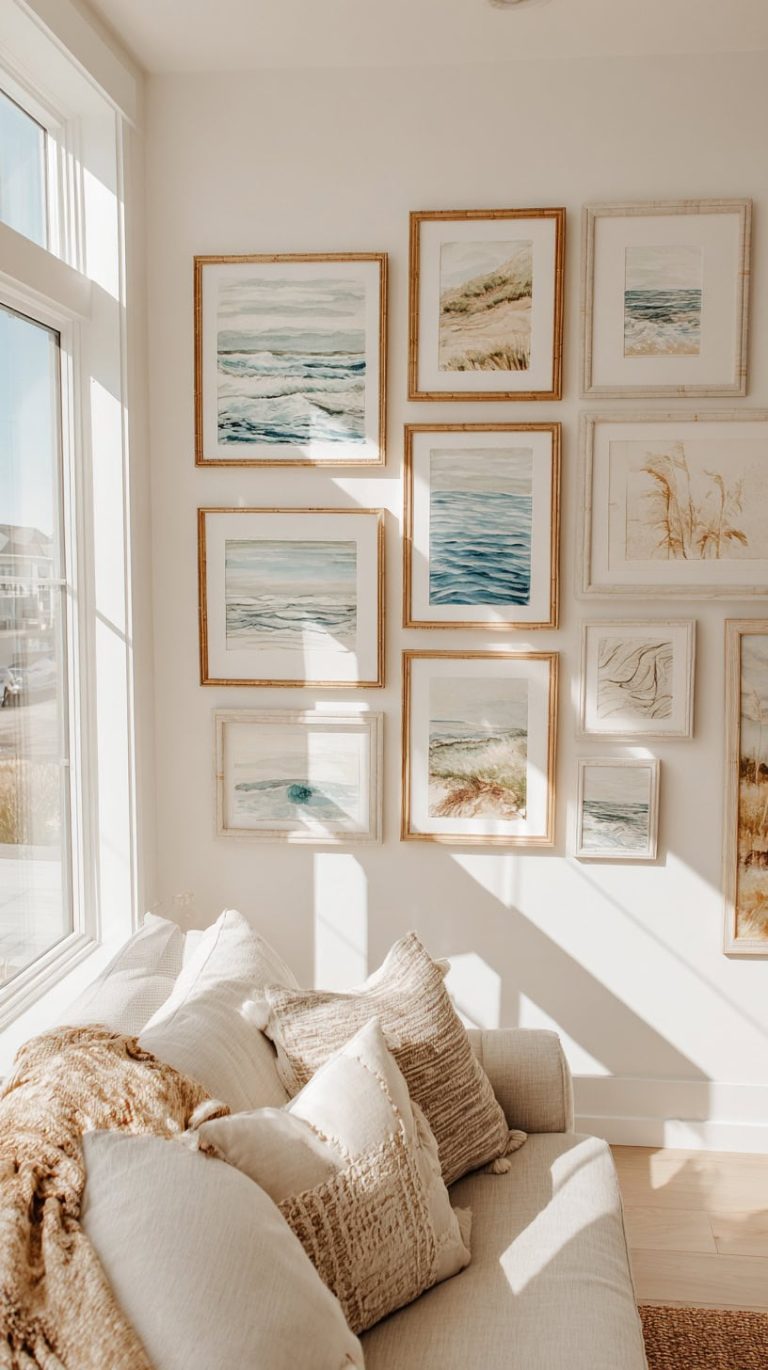
Small-Space Soul: Six Ways to Make an Eclectic Home Feel Expansive
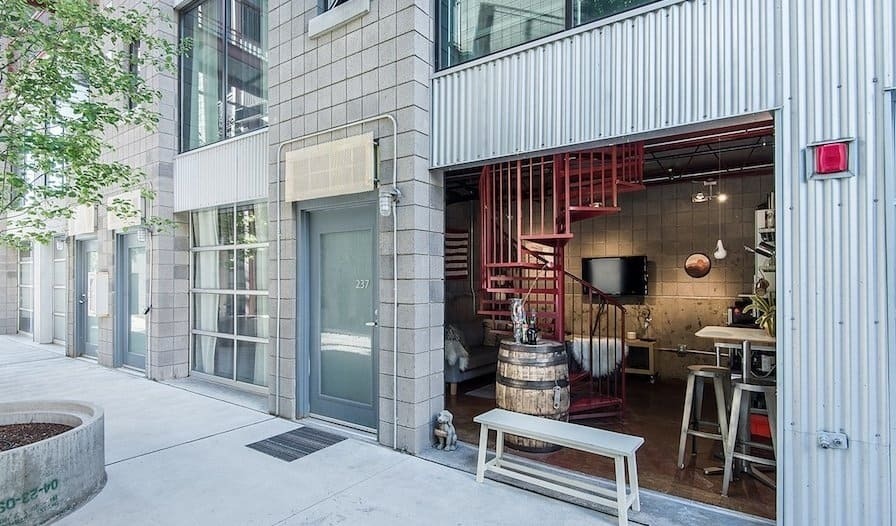
A compact home does not have to feel visually quiet or functionally cramped. The most inviting small interiors often succeed by giving every feature a clear job: a strong color becomes a wayfinding tool, a generous opening becomes an extra room, and a humble material supplies character without demanding much floor area. The result is not minimalism for its own sake, but a lively home edited around the way people actually move, rest, cook, and gather.
This guide translates those ideas into practical habits for apartments, studios, and other small dwellings. You will find ways to use vertical volume, borrowed light, flexible storage, and confident accents while keeping daily routines simple. Each section ends with a quick Kitchen Pause recipe designed for a small kitchen and an unhurried moment at home.
1. Let the Room Breathe at Its Boundaries
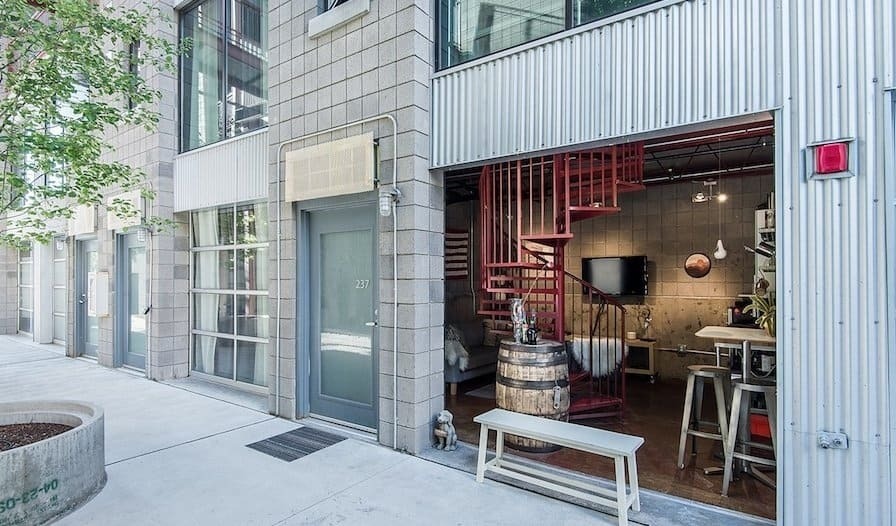
When a home is short on square footage, its edges matter as much as its center. A broad glazed opening, a lightweight curtain, or a door that can fold away can make the living area feel connected to a balcony, patio, or shared outdoor room. Even when the opening is closed, keeping the sightline clear helps daylight travel farther and prevents the eye from stopping at a bulky arrangement of furniture. Arrange seating perpendicular to the best view rather than directly in front of it, and choose a low-profile table so the horizon remains visible from the entry. A single outdoor chair, herb pot, or small lantern can make the exterior feel like a useful extension instead of scenery. Indoors, repeat one material or color on both sides of the threshold to create continuity. In cooler weather, a washable runner and a warm throw preserve the sense of connection without sacrificing comfort. The broader lesson is to treat the perimeter as active living space. Clear pathways, transparent surfaces, and furniture that can shift easily give a small home more options without adding possessions.
Kitchen Pause: Lemon-Herb White Bean Cups
- 1 can cannellini beans, rinsed
- 1 tablespoon olive oil
- 1 tablespoon lemon juice
- 1 small garlic clove, grated
- 1 tablespoon chopped parsley
- Pinch of salt and black pepper
- Stir beans, oil, lemon juice, garlic, parsley, salt, and pepper in a bowl.
- Rest for five minutes so the flavors mingle.
- Spoon into small cups and serve with toast or cucumber slices.
2. Give Vertical Space a Job
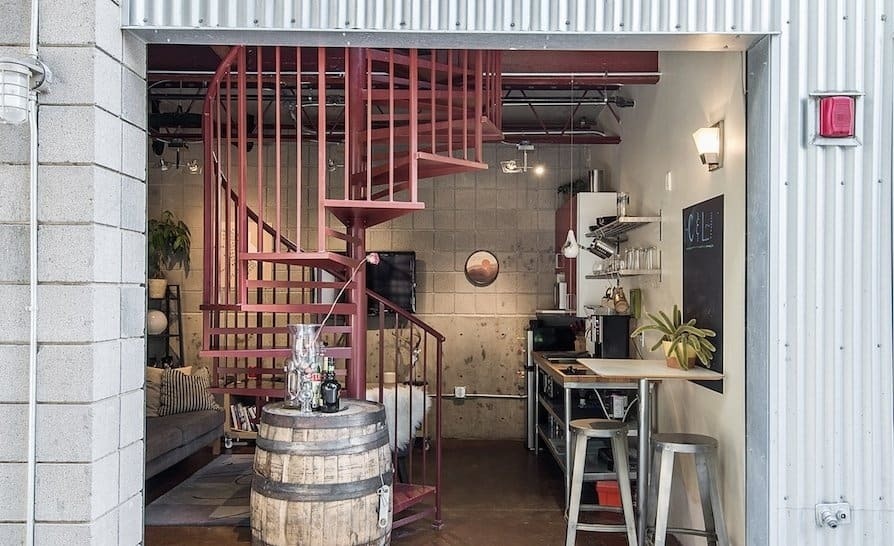
A dramatic stair, tall bookcase, or ceiling-hung light can make a small interior feel taller because it directs attention upward. The trick is to choose one vertical gesture and let it organize the room instead of competing with every other object. In a loft or studio, a compact spiral stair can act as architecture, sculpture, and circulation at once. Elsewhere, a narrow ladder shelf or full-height curtain can provide a similar lift with less commitment. Keep the floor around the vertical feature visually calm: use a limited number of baskets, tuck cords behind furniture, and avoid placing small decorative items along every step or shelf. A repeated accent color can help the eye understand the composition, especially when it appears in only a few intentional places. For safety and ease, keep stairs and walkways bright, secure, and free of storage overflow. If you rent, use removable hooks, a tall plant, or a floor-to-ceiling textile to create height without drilling. Vertical planning also improves daily efficiency; frequently used items can live at hand level while seasonal belongings move above. In a small home, looking up is not merely decorative—it is a way to recover usable volume.
Kitchen Pause: Cinnamon Apple Oat Jar
- 1/2 cup rolled oats
- 1/2 cup milk or oat milk
- 1/2 apple, finely diced
- 1 teaspoon maple syrup
- 1/4 teaspoon cinnamon
- 1 tablespoon chopped walnuts
- Combine oats, milk, apple, syrup, and cinnamon in a jar.
- Cover and refrigerate for at least four hours.
- Top with walnuts before eating.
3. Turn One Memorable Object into Storage
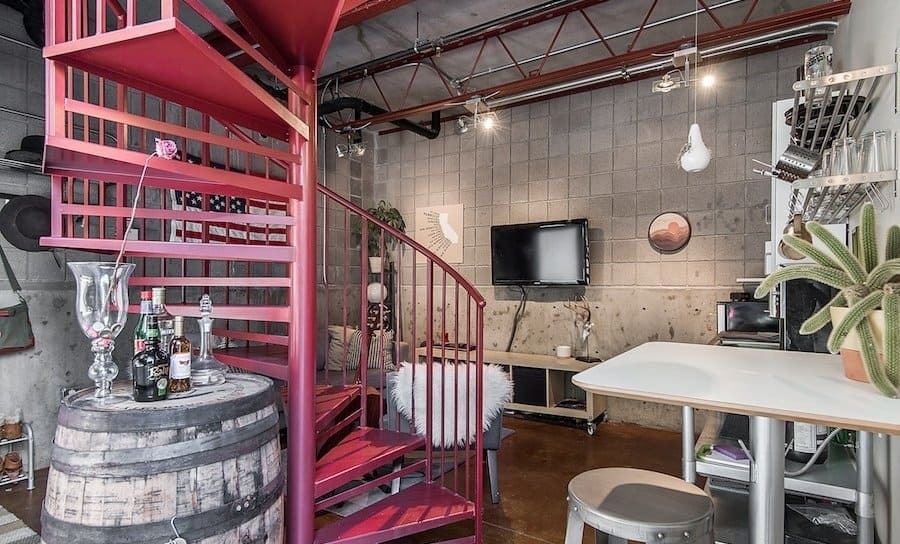
Small homes benefit from storage that earns its footprint twice: it holds necessities while adding a story or a visual anchor. An upcycled barrel, vintage trunk, painted cabinet, or drawer-front console can conceal entertaining supplies without reading like generic utility furniture. Start by measuring the wall, door swing, and clearance around the piece; charm cannot compensate for a cabinet that blocks the only comfortable route through the room. Inside, use shallow bins or labels so the object remains easy to live with rather than becoming a container for forgotten clutter. Outside, style it with restraint. One lamp, a framed print, or a small tray is usually enough to make the piece feel deliberate. Mixing old and new finishes is especially effective in an industrial or eclectic setting, where patina can soften concrete, metal, or plain painted walls. Look for opportunities to repurpose before buying: a sturdy wine crate can become a bedside cubby, and a narrow rolling cart can serve as a bar, pantry, or plant stand. Keep food and drink supplies grouped together, and reserve a nearby surface for opening bottles, plating snacks, or setting down a mug. Thoughtful storage makes hosting easier because preparation happens quickly and cleanup has an obvious home.
Kitchen Pause: Smoky Tomato Toasts
- 2 slices sourdough
- 1 ripe tomato, grated or finely chopped
- 1 tablespoon olive oil
- 1/4 teaspoon smoked paprika
- 1 small garlic clove
- Salt and pepper
- Toast the bread until crisp.
- Rub with garlic, then spoon on tomato and drizzle with oil.
- Finish with paprika, salt, and pepper.
4. Use Color as a Quiet Navigation System
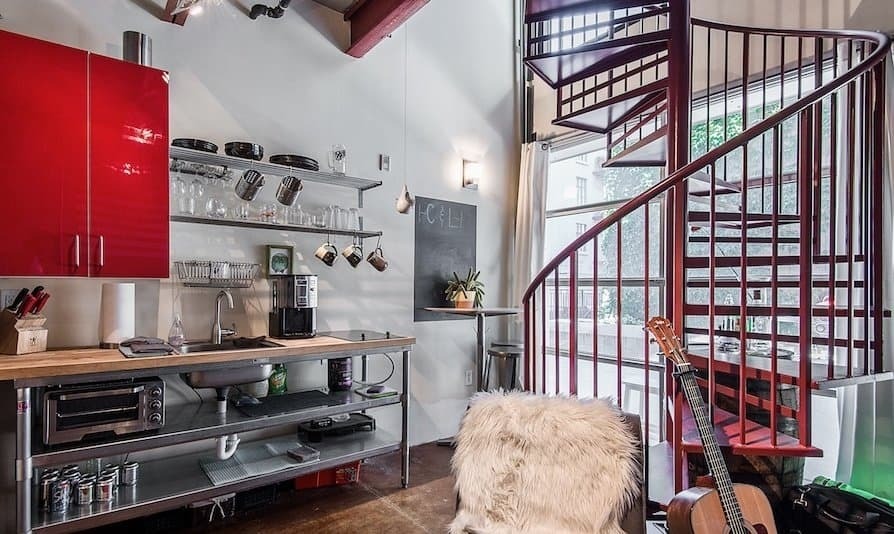
A compact interior can handle bold color when the color has a clear assignment. Choose one confident shade for a major feature, then echo it in smaller touches that help the eye move through the home. A red stair rail might reappear in a cushion, artwork, dish towel, or bedside lamp; the repetition creates rhythm without requiring a matching set. Keep the surrounding palette quieter with warm whites, charcoal, wood, or soft gray, and test samples in both daylight and evening light before committing. Color can also clarify function. A painted niche can mark a reading corner, a bright backsplash can identify the cooking zone, and a saturated door can distinguish a bathroom or closet. In a rental, removable wallpaper, textile panels, or painted furniture offer lower-risk ways to experiment. Avoid scattering many unrelated accent colors across a small room, because every contrast makes the space feel busier. Instead, vary texture within the chosen family: glossy ceramic beside matte fabric, painted metal beside woven fiber, or a smooth wall near rough timber. The goal is not to make the home look larger through disguise. It is to make every area legible, memorable, and pleasant to use, which often feels more spacious than visual sameness.
Kitchen Pause: Red Pepper Hummus Plate
- 1 cup prepared hummus
- 1/2 roasted red pepper, sliced
- 1 teaspoon olive oil
- 1/4 teaspoon cumin
- 1 tablespoon pumpkin seeds
- Cucumber and carrot sticks
- Spread hummus on a small plate.
- Add pepper, oil, cumin, and pumpkin seeds.
- Serve with vegetables for dipping.
5. Make a Small Kitchen Work in Sequences
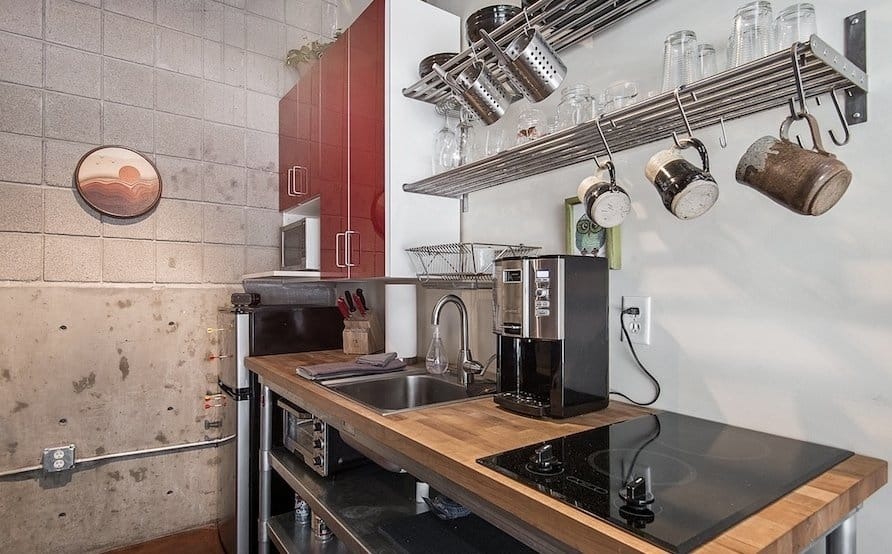
A tiny kitchen becomes much easier when it is arranged around a sequence rather than a collection of appliances. Think in three short stages: store, prep, and cook. Put everyday plates, pans, and seasonings where the hand naturally reaches; keep rarely used equipment higher or farther away. A slim cutting board that fits over the sink can create temporary counter space, while a wall rail or magnetic strip keeps tools visible without consuming a drawer. Choose a few multi-use ingredients and vessels so the kitchen does not need to support every possible recipe. A saucepan can warm soup, cook grains, or steam vegetables; a lidded bowl can mix, store, and serve. After cooking, reset the work surface immediately so the room is ready for the next task. Open shelving can add personality, but limit it to attractive, frequently used items and keep the rest behind a door. If the kitchen opens to the living area, repeat one finish—wood, black metal, or a warm neutral—to make the transition intentional. Small-scale cooking can also be social: a rolling cart or narrow peninsula gives a guest somewhere to sit while keeping the cook connected. Efficiency is not about doing less; it is about removing the tiny obstacles that make everyday meals feel harder than they need to be.
Kitchen Pause: One-Pan Green Couscous
- 1/2 cup couscous
- 1/2 cup vegetable broth
- 1 cup baby spinach
- 1 tablespoon olive oil
- 2 tablespoons crumbled feta
- 1 tablespoon chopped almonds
- Lemon wedge
- Bring broth and oil to a simmer in a small pan.
- Stir in couscous and spinach, cover, and remove from heat for five minutes.
- Fluff, fold in feta and almonds, and finish with lemon.
6. Design the Private Corners for Recovery
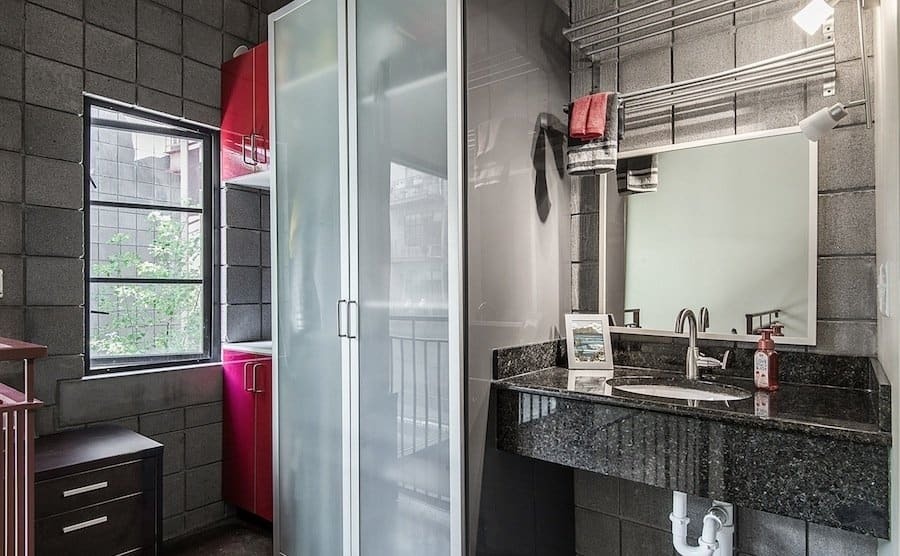
The sleeping and bathing areas in a small home deserve the same deliberate planning as the entertaining zone. A bed can feel settled when it has a defined backdrop, a small landing place for essentials, and lighting that can be switched off without crossing the room. Use a curtain, half-height shelf, or change in ceiling treatment to suggest separation while preserving daylight. Keep the palette restful, then carry one familiar accent from the living area so the apartment feels cohesive rather than chopped into unrelated rooms. In the bathroom, separating wet functions from the sink area can reduce morning congestion, especially when two people share a compact routine. Wall-mounted storage, hooks on the back of a door, and a narrow mirrored cabinet provide capacity while leaving the floor open. Choose towels and toiletries that can be gathered quickly into one basket before guests arrive. Soft surfaces matter here: a washable mat, a fabric headboard, or a linen curtain can balance hard concrete, tile, and metal. Finally, create a visible end-of-day ritual—dim the task lights, clear the bedside surface, and place tomorrow’s clothes within reach. A small dwelling feels generous when it supports restoration as carefully as it supports activity. Privacy, order, and comfort are spatial luxuries, even when the room itself is modest.
Kitchen Pause: Warm Pear Yogurt Bowl
- 1 ripe pear, diced
- 1 teaspoon butter or coconut oil
- 1/4 teaspoon ground ginger
- 1 cup plain Greek yogurt
- 1 teaspoon honey
- 2 tablespoons granola
- Warm pear, butter, and ginger in a small pan for three minutes.
- Spoon yogurt into a bowl and add the warm pear.
- Drizzle with honey and sprinkle with granola.
Final Thoughts
The most successful small homes are not crowded with solutions; they are edited around a few generous ideas. Let daylight and outdoor connections extend the perceived footprint, use vertical elements to reclaim height, and make storage beautiful enough to belong in view. A controlled accent color, a carefully sequenced kitchen, and restorative private corners then turn those ideas into daily comfort.
Start with one change that solves a real annoyance: clear a sightline, move a frequently used pan, or give a meaningful vintage object a useful role. Once the home works more smoothly, its personality has room to speak. Small-space living becomes less about limitation and more about choosing what deserves attention.