A Softer Way to Live: Six Paris-Inspired Ideas for a Calm, Clever Home
A comfortable home does not need a crowded palette or a collection of expensive statement pieces. It can feel distinctive through proportion, texture, and a few carefully chosen surprises. This approach takes cues from a city apartment that balances period character with contemporary practicality, then translates those ideas into approachable habits for everyday living.
The goal is not to imitate one room. Instead, think in layers: a restrained backdrop, hardworking storage, flexible work zones, and small rituals that make meals and downtime feel intentional. The six ideas below are designed for renters and homeowners alike, with simple adjustments that can make a compact space feel more settled, useful, and personal.
1. Begin with a Quiet, Adaptable Backdrop
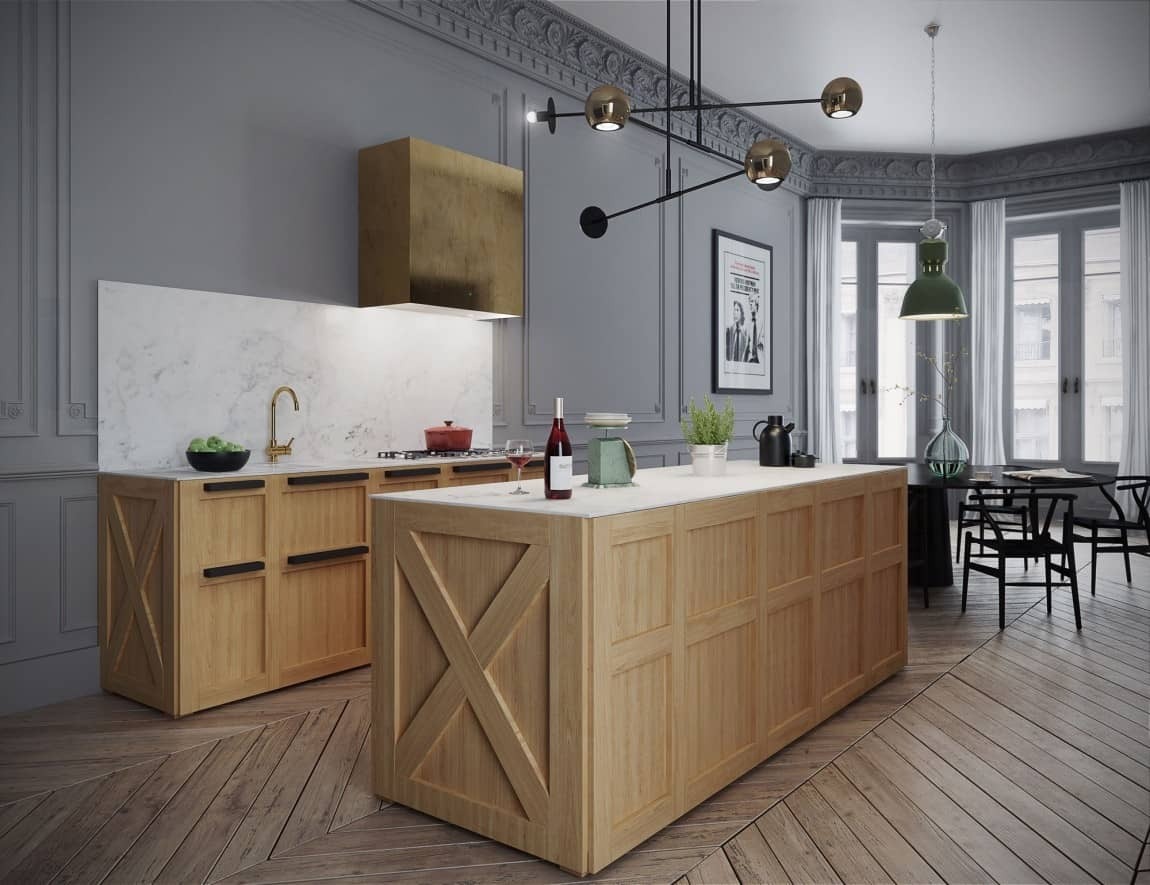
A soft neutral wall color can act like a deep breath for the whole home. Rather than treating pale gray, warm beige, or muted mushroom as a bland default, use it as a flexible stage for changing routines. A calm backdrop allows books, art, plants, and useful objects to stand out without forcing every purchase to match. It also helps adjoining rooms feel connected, which is especially valuable in an apartment where the kitchen, dining area, and lounge are viewed together.
To make this idea practical, sample paint beside your trim, flooring, and largest upholstered piece before committing. Watch the color in morning and evening light, then choose finishes that are easy to wipe in busy areas. Keep the main palette restrained, but introduce variation through linen, wool, wood grain, ceramic, or brushed metal. This creates visual interest without relying on constant color. At home, the same principle can guide lifestyle choices: establish a dependable breakfast, a simple reset routine, and a small set of nourishing staples. Familiar foundations leave more energy for the occasional creative meal or spontaneous gathering.
Kitchen Pause — Pear and White Bean Toast
- 1 slice whole-grain sourdough
- 1/3 cup white beans, mashed
- 1/2 small pear, thinly sliced
- 1 teaspoon lemon juice
- 1 teaspoon olive oil
- Pinch of thyme and black pepper
- Toast the bread until crisp.
- Stir lemon juice, olive oil, thyme, and pepper into the beans.
- Spread the beans over the toast and finish with pear slices.
2. Let Honest Materials Add the Warmth
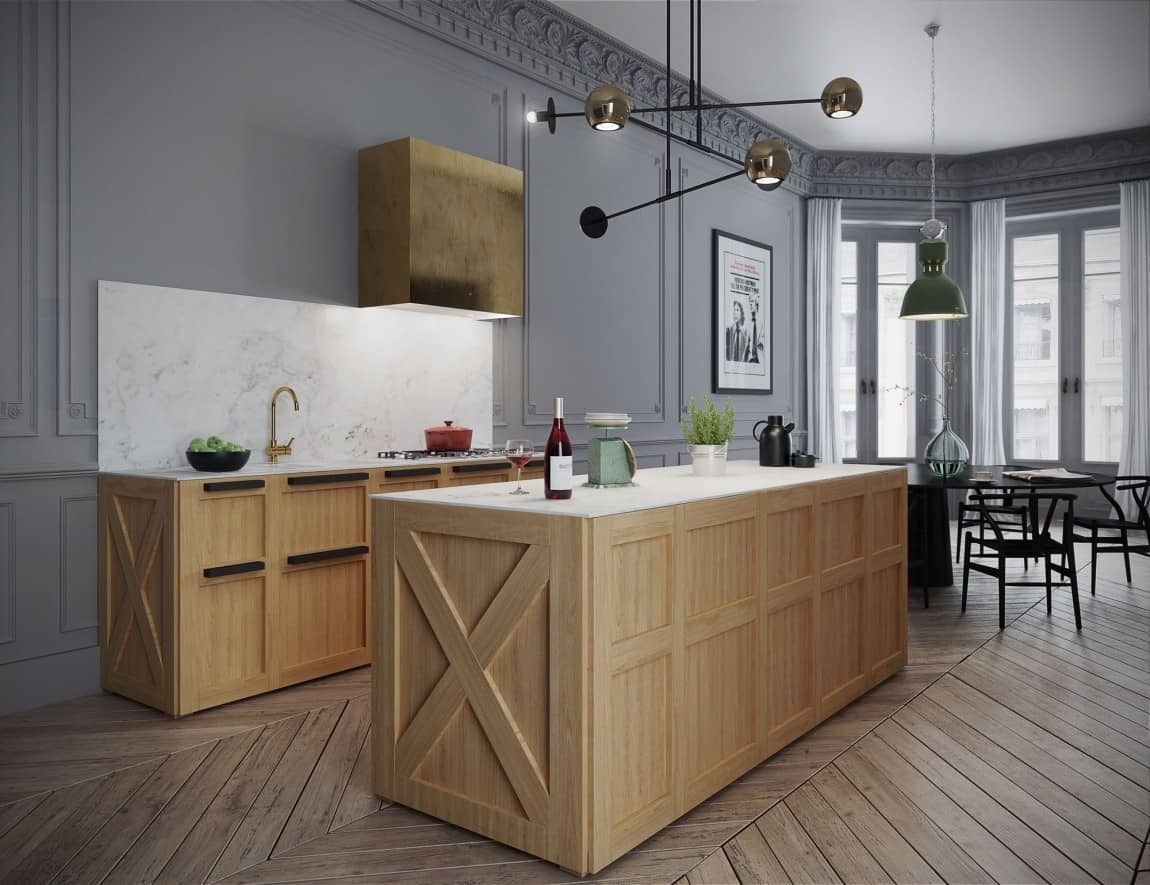
Industrial-inspired details work best when they are softened by comfort. Broad plank flooring, visible wood grain, simple shelving, and sturdy hardware can bring a sense of honesty to a room, but too many hard surfaces may feel cold. Balance them with upholstered seating, woven baskets, curtains, and rounded tableware. The result is a home that feels durable rather than themed.
If a full renovation is not realistic, start with one tactile change. Add a wood tray to a smooth counter, swap a glossy lamp for a linen shade, or place a washable runner along a high-traffic path. Reclaimed-looking finishes are not required; the useful question is whether a material will age gracefully and support the way you live. In the kitchen, choose boards and containers that can remain visible because they are used often. In the living room, keep only the throws and pillows that genuinely improve comfort.
This material-first mindset also supports easier eating. A well-made bowl, a reliable knife, and a small cutting board can make assembling lunch feel less like a chore. Build meals around one satisfying texture and one bright element: creamy beans with crisp vegetables, or roasted roots with a fresh herb sauce. When the tools and ingredients are easy to reach, wholesome choices become the path of least resistance.
Kitchen Pause — Warm Lentil and Carrot Bowl
- 1 cup cooked green lentils
- 1 medium carrot, sliced
- 1 cup baby spinach
- 1 tablespoon olive oil
- 1 teaspoon apple cider vinegar
- 1 tablespoon chopped parsley
- Salt and pepper
- Sauté the carrot in olive oil until tender.
- Add lentils and spinach; warm until the spinach wilts.
- Stir in vinegar, parsley, salt, and pepper before serving.
3. Create One Unexpected Conversation Piece
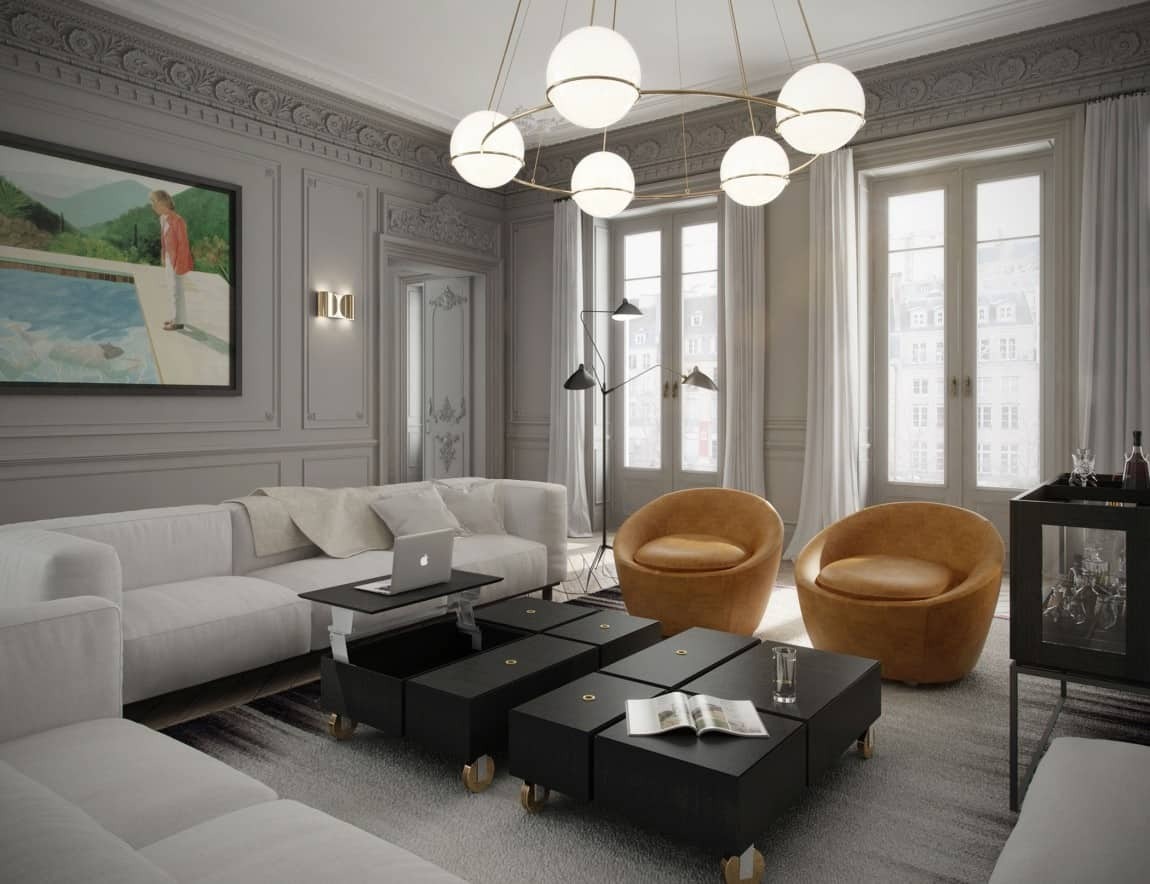
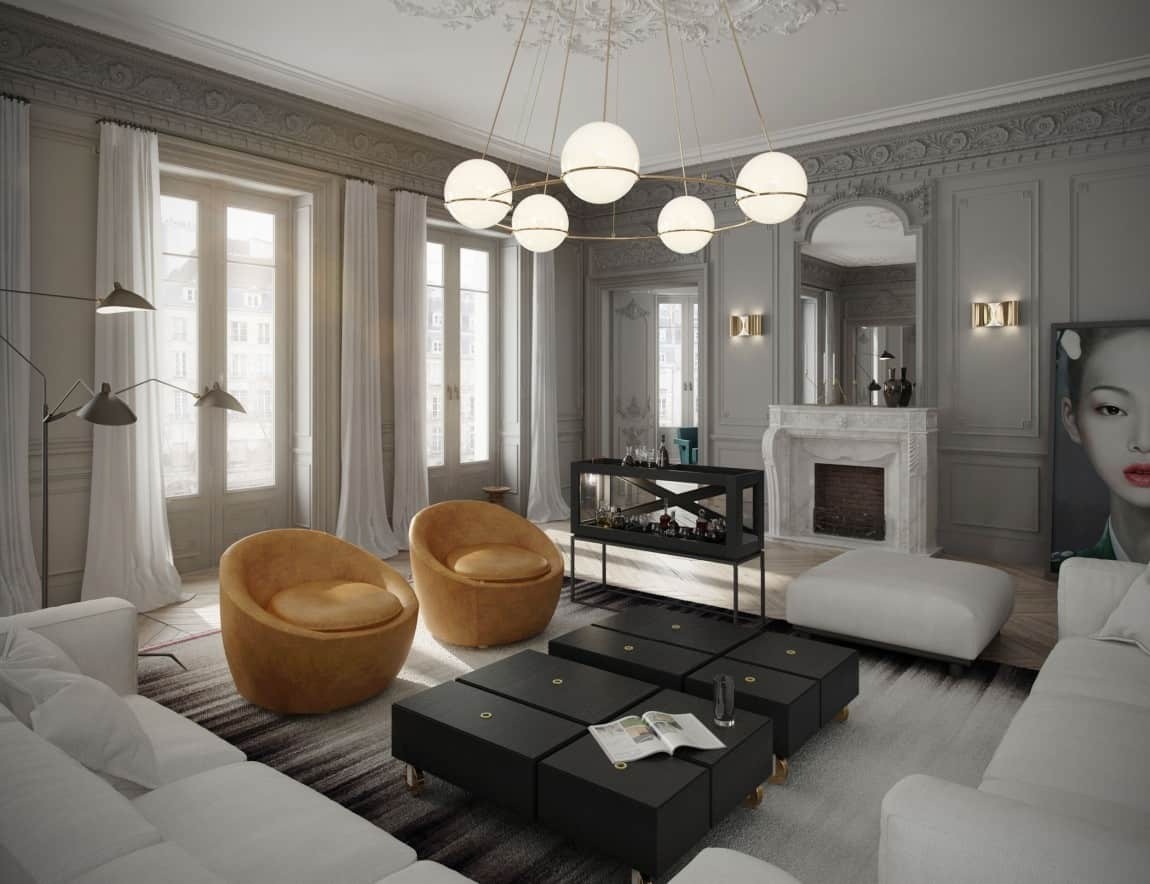
A home becomes memorable when one element breaks the expected pattern. It might be a sculptural lamp, a vintage mirror in an unlikely place, a colorful chair, or a glass-front cabinet that displays something useful. The key is contrast with purpose: the surprise should invite curiosity while still earning its space.
Choose an object that reflects an interest, a place, or a daily ritual rather than buying novelty for its own sake. A compact bar cart can hold sparkling water, tea, and glassware; a narrow console can become a plant station; a dramatic vase can collect branches from the garden. Keep the surrounding area edited so the focal point reads clearly. If the item has moving parts or fragile components, give it a stable location away from the busiest route.
This idea translates beautifully to food. Add one unexpected note to a familiar meal, such as citrus zest over soup, toasted seeds on yogurt, or herbs folded into a grain salad. Small departures keep routine meals engaging without requiring complicated recipes. A home and a kitchen both benefit from the same rhythm: dependable structure, followed by one thoughtful twist.
Kitchen Pause — Citrus Chickpea Cups
- 1 cup chickpeas, rinsed
- 1/2 cup diced cucumber
- 1/4 cup diced roasted red pepper
- 1 tablespoon tahini
- 1 tablespoon orange juice
- 1 teaspoon grated orange zest
- Romaine leaves for serving
- Combine chickpeas, cucumber, and roasted pepper.
- Whisk tahini, orange juice, and zest with a splash of water.
- Toss with the chickpea mixture and spoon into romaine leaves.
4. Make Small Rooms Work in More Than One Mode

Flexible rooms are easier to live in when their transformations are planned rather than improvised. A wall-mounted desk, a fold-down surface, or a cabinet with an interior work nook can support emails in the afternoon and disappear before dinner. The same principle applies to dining: a table should be comfortable for a quick breakfast, a laptop, and a shared meal.
Map the activities that truly happen in each room, then assign each one a home. Use a tray for work supplies, a lidded box for chargers, and a dedicated drawer for entertaining pieces. When the workday ends, returning everything to its container becomes a visible boundary between tasks and rest. Keep the chair supportive and the lighting adjustable, especially if a compact corner serves several purposes.
A multipurpose kitchen can follow the same pattern. Prep vegetables in batches, store cooked grains in clear containers, and reserve one shelf for quick meal components. This turns a single cooking session into several flexible lunches. The aim is not maximal organization; it is reducing the number of decisions between hunger and a balanced plate.
Kitchen Pause — Herbed Grain Jar
- 1 cup cooked farro or brown rice
- 1/2 cup cherry tomatoes, halved
- 1/2 cup cucumber, diced
- 1/4 cup chickpeas
- 1 tablespoon olive oil
- 2 teaspoons lemon juice
- 1 tablespoon chopped mint
- Mix oil, lemon juice, and mint in a jar.
- Layer grains, chickpeas, cucumber, and tomatoes over the dressing.
- Refrigerate, then shake into a bowl when ready to eat.
5. Use a Focused Accent to Change the Mood
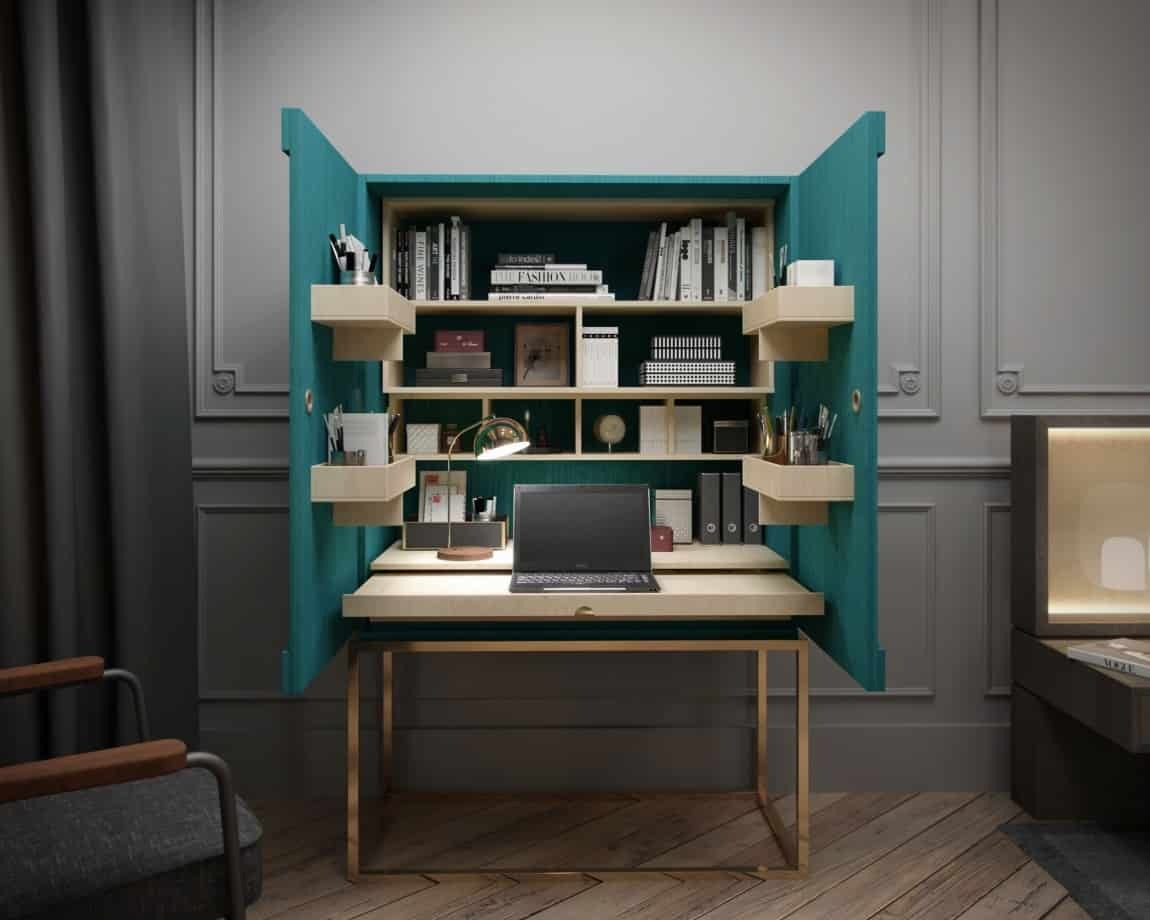
A single saturated color can give a quiet home a clear emotional center. Deep blue, forest green, rust, or ochre can appear on a cabinet, headboard, door, or artwork without taking over the room. Repeating that accent in two or three smaller places makes it feel intentional: a cushion, a book spine, a ceramic bowl, or a folded throw is enough.
Before choosing a shade, consider the mood you want. Cooler blues and greens can make a bedroom feel restful, while warmer hues may energize a dining corner. Test fabric and paint samples together, because color shifts depending on texture and light. Keep the rest of the room simple so the accent remains restorative rather than stimulating. If you tire of it, use removable textiles or painted furniture instead of changing permanent finishes.
Color can guide eating habits too. Arrange produce in a visible bowl, use a favorite blue plate for a slower dinner, or keep a bright herb sauce in the refrigerator. These visual cues make nourishment feel inviting. A modest accent, whether in decor or food, can turn an ordinary routine into a moment worth noticing.
Kitchen Pause — Blueberry Tahini Oats
- 1/2 cup rolled oats
- 1 cup milk or unsweetened oat milk
- 1/2 cup blueberries
- 1 tablespoon tahini
- 1 teaspoon maple syrup
- Pinch of cinnamon
- Simmer oats and milk until creamy.
- Fold in half the blueberries and cinnamon.
- Top with tahini, maple syrup, and remaining berries.
6. Edit Storage Until Rest Feels Possible
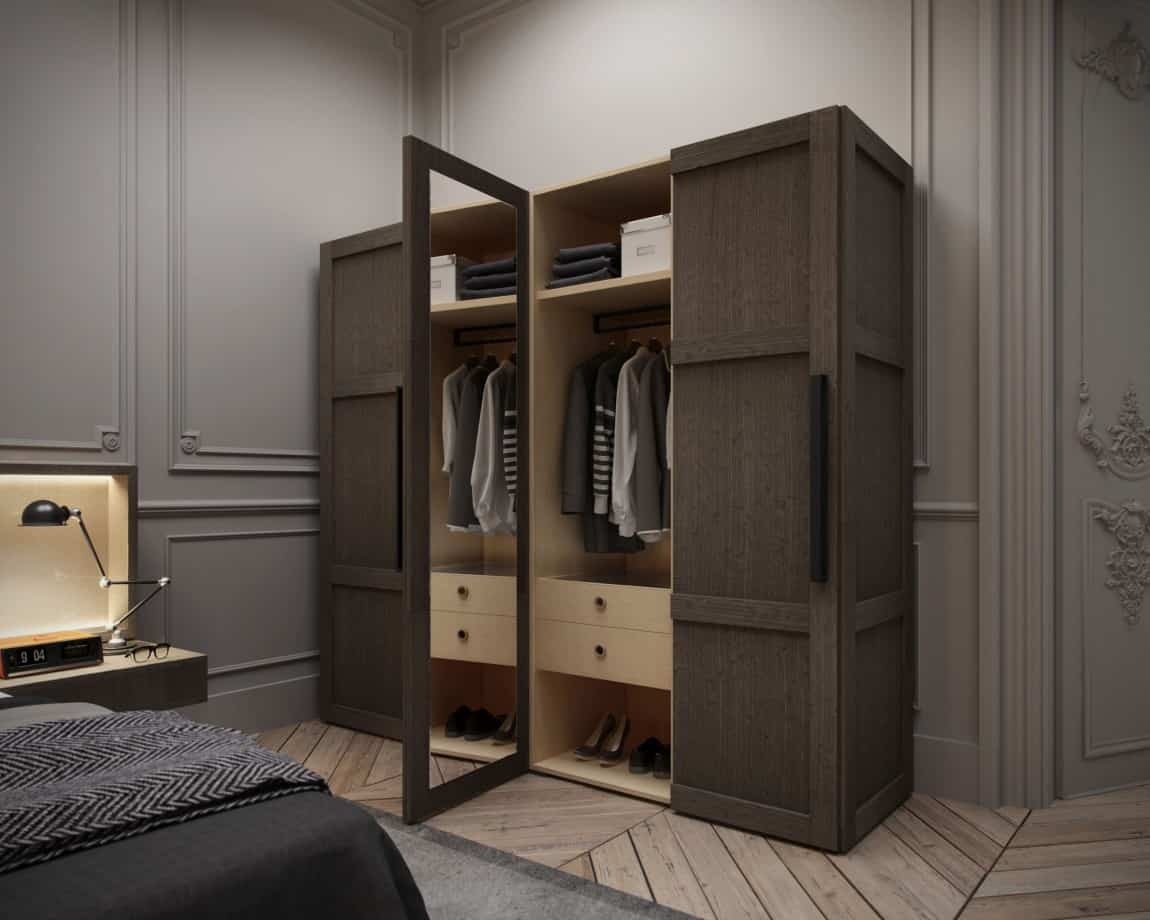
Good storage is less about hiding everything and more about making the right things easy to put away. A tall wardrobe, closed cabinet, or built-in shelf can preserve visual calm while giving everyday belongings a defined address. Start by measuring the items you own, not the containers you hope to buy. Group clothing, linens, papers, and hobby supplies by how often they are used, then place frequent items between waist and eye level.
In a bedroom, leave enough breathing room around the bed for a clear path and a small landing surface. In a shared living area, use closed storage for visual noise and open shelves for a limited number of meaningful objects. Labeling can help, but consistent categories matter more than elaborate systems. Set a five-minute evening reset: return loose items, clear the kitchen surface, and prepare one thing for tomorrow.
Food storage deserves the same attention. Keep grains, beans, nuts, and spices visible enough to remember, while using airtight containers to protect freshness. A tidy pantry encourages cooking from what is already available and reduces duplicate purchases. Order at home is not a performance; it is a form of hospitality toward your future self.
Kitchen Pause — Apple Walnut Yogurt Cups
- 3/4 cup plain Greek yogurt
- 1/2 small apple, diced
- 1 tablespoon chopped walnuts
- 1 tablespoon rolled oats
- 1 teaspoon honey
- Pinch of cinnamon
- Stir cinnamon into the yogurt.
- Layer yogurt, apple, oats, and walnuts in a glass.
- Drizzle with honey and serve immediately.
Final Thoughts
The most livable rooms are not assembled from one style manual. They combine a calm foundation with tactile materials, efficient storage, flexible zones, and a few personal surprises. Those choices make a home feel composed without making it precious.
Carry the same thinking into daily meals: keep nourishing basics accessible, use reliable tools, and add one small detail that makes eating pleasurable. With a little editing and a willingness to design around real routines, even a compact apartment can support more rest, creativity, and connection.