A Loft That Lives Well: Warm Materials, Flexible Zones, and Everyday Rituals
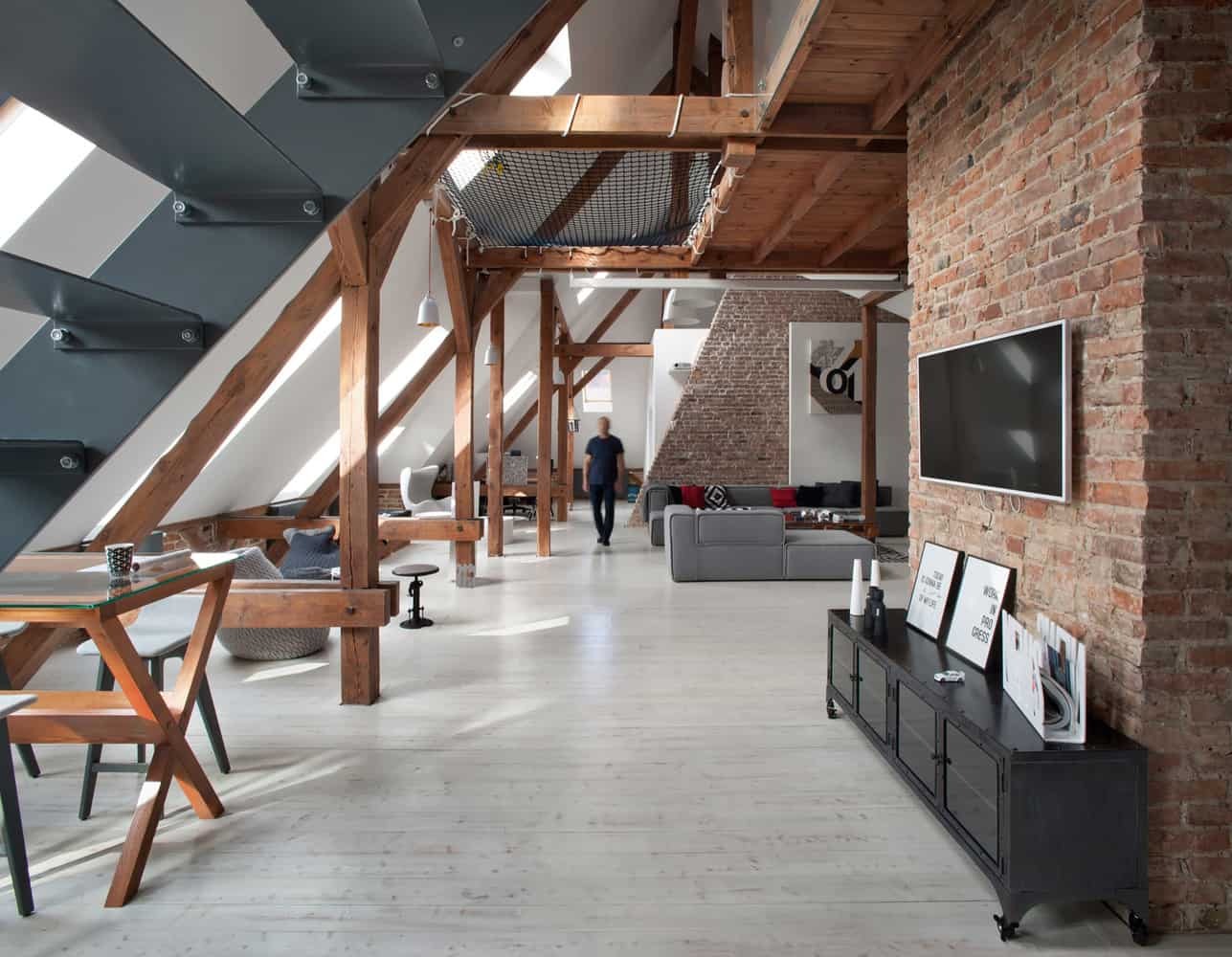
A small loft does not need to feel like a compromise. With a clear plan for movement, a restrained material palette, and a few inviting places to pause, an open room can support cooking, conversation, exercise, rest, and creative work without becoming visually noisy. The most successful compact homes feel edited rather than empty: every beam, shelf, light, and piece of furniture earns its place.
This approach is especially useful when a home has inherited character. Instead of covering every irregular surface, treat original wood, masonry, and roof angles as a quiet design vocabulary. Then balance those expressive elements with simple storage, flexible furnishings, and food rituals that make the space feel lived in. The ideas below translate a character-rich loft into practical habits for apartments, converted attics, and any home where square footage is limited but personality is welcome.
1. Let the Architecture Set the Color Story
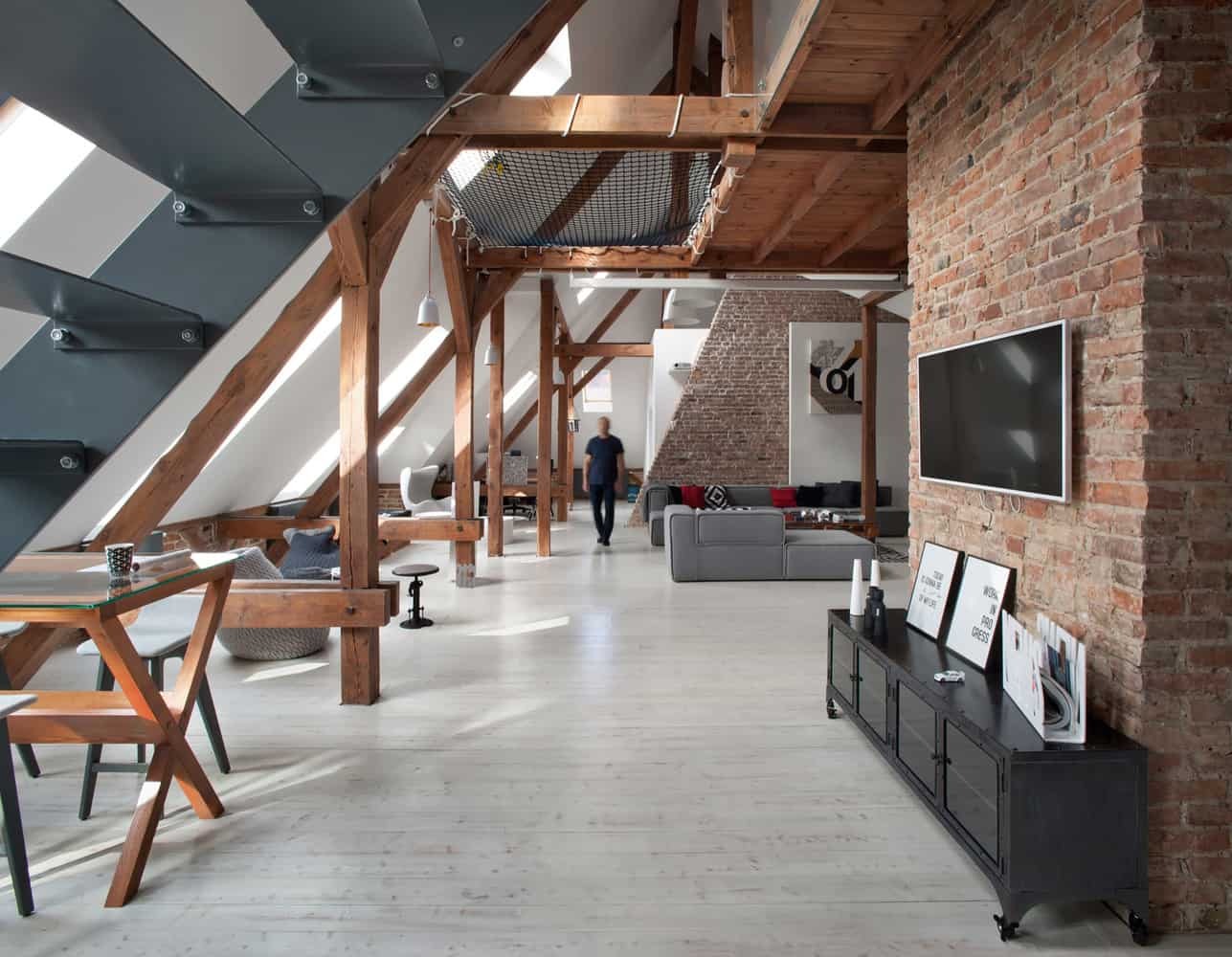
Begin with what the room already gives you. Exposed timbers, aged masonry, sloped ceilings, and worn floors can supply more warmth than a collection of decorative accessories, so resist the urge to compete with them. Choose a calm base of chalky white, soft gray, oat, or clay, then repeat one grounded accent—ink blue, olive, rust, or muted saffron—in textiles and small objects. Repetition makes an open room feel intentional while allowing the architectural texture to remain the star.
Before painting or refinishing, test samples in morning and evening light. A color that looks gentle beside a window may feel heavy beneath a low ceiling. Keep large upholstered pieces quiet, and use a patterned rug, framed print, or ceramic vessel for livelier notes that can be moved later. This strategy is practical as well as attractive: a limited palette makes secondhand finds easier to combine and reduces the pressure to replace everything at once. Think of the room as a backdrop for daily life, not a showroom that must be perfect.
Kitchen Pause: Cinnamon Pear Oat Cups
- 1 cup rolled oats
- 1 ripe pear, diced
- 1 cup milk or oat milk
- 1 tablespoon maple syrup
- 1/2 teaspoon cinnamon
- 2 tablespoons chopped walnuts
- Combine oats, pear, milk, maple syrup, and cinnamon in a small saucepan.
- Simmer gently for 5–7 minutes, stirring until creamy.
- Spoon into cups and finish with walnuts.
2. Divide an Open Plan Without Building Walls
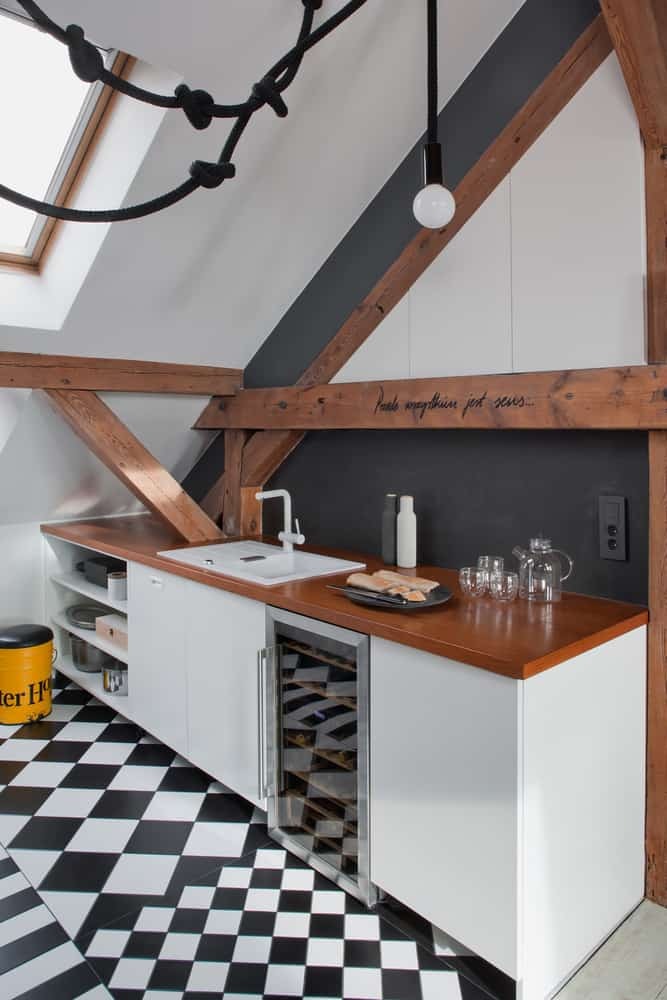
Open living works best when each activity has a recognizable home. Instead of closing the room with permanent partitions, create soft boundaries with a dining table, a rug, a narrow console, or the back of a sofa. Keep the main walking route obvious, and leave enough clearance around chairs and cabinet doors for ordinary movement. The result is a room that feels connected without making every task happen in one undifferentiated middle.
Use lighting to reinforce the map. A pendant can gather a dining zone, a floor lamp can make a reading corner feel complete, and under-shelf illumination can give a compact kitchen its own visual address. Furniture with more than one job is particularly helpful: a bench can seat guests, conceal baskets, and act as a landing place for groceries; a small table can serve breakfast in the morning and paperwork in the afternoon. Whenever possible, choose pieces that are easy to shift. Flexible planning lets the room adapt for a quiet evening, a dinner with friends, or a weekend project without requiring a renovation.
Kitchen Pause: Herbed White Bean Toasts
- 1 can white beans, rinsed
- 1 tablespoon olive oil
- 1 teaspoon lemon juice
- 1 small garlic clove, grated
- 1 tablespoon chopped parsley
- 4 slices whole-grain bread
- Salt and pepper
- Mash beans with oil, lemon, garlic, parsley, salt, and pepper.
- Toast the bread until crisp at the edges.
- Spoon the bean mixture over toast and serve warm.
3. Make the Kitchen Compact but Generous
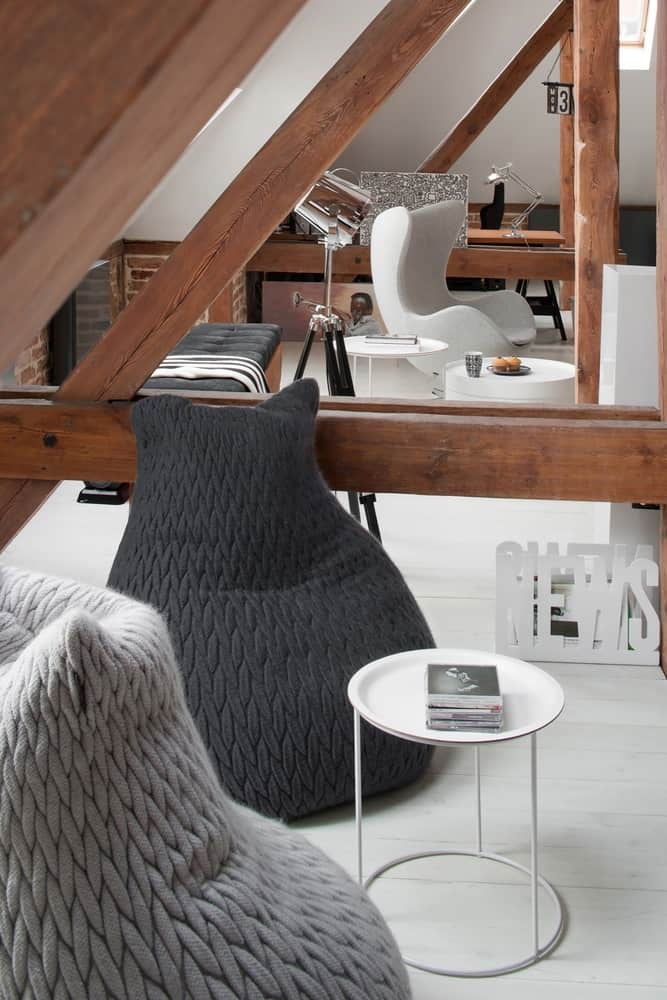
A small kitchen can feel generous when its most frequent actions are arranged in a sensible sequence. Keep preparation space close to the sink, store pans near the cooking surface, and reserve the easiest-to-reach shelves for everyday plates, mugs, and staples. If the refrigerator must live beneath stairs or at the edge of the room, create a nearby drop zone for shopping bags and a slim shelf for items that need to be put away quickly. These little decisions prevent the kitchen from spilling into the rest of the home.
Visual consistency helps too. Matching cabinet pulls, a repeated countertop tone, or a single open shelf can make several small work areas read as one composition. Avoid filling every vertical surface; a little breathing room makes cleaning easier and gives useful objects room to remain visible. Keep a cutting board, fruit bowl, or carafe on display only if it is used often. The goal is not minimalism for its own sake, but a kitchen that supports a weeknight meal without a search expedition. When tools are easy to find, cooking becomes a natural part of the room’s rhythm.
Kitchen Pause: One-Pan Lemon Chickpeas
- 1 can chickpeas, rinsed
- 1 zucchini, sliced
- 1 red bell pepper, chopped
- 2 tablespoons olive oil
- 1 teaspoon smoked paprika
- 1 lemon, half sliced and half juiced
- 2 tablespoons crumbled feta
- Heat oven to 425°F and toss chickpeas, vegetables, oil, paprika, and lemon juice on a sheet pan.
- Roast for 20–25 minutes, stirring once.
- Finish with feta and lemon slices.
4. Turn Vertical Space Into a Daily Advantage
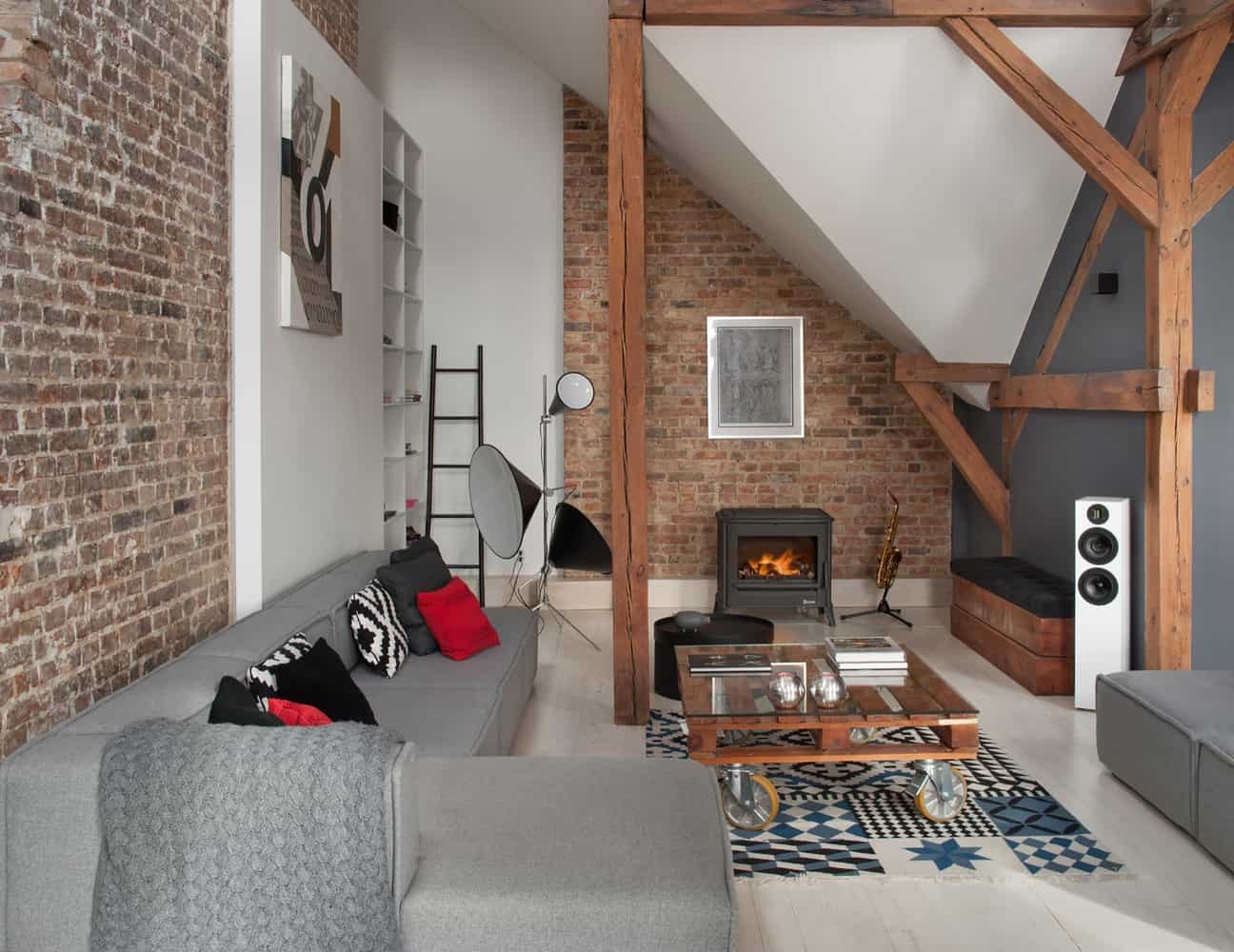
Attic rooms often offer more usable volume than floor area suggests. Use the walls and the spaces beneath a stair or low eave for the things that otherwise gather on tables. A shallow rail can hold kitchen tools, a tall cabinet can absorb linens and cleaning supplies, and lidded baskets can make awkward corners useful without drawing attention to them. Measure first, especially where ceilings slope, and favor adjustable storage that can move as your needs change.
Vertical organization should make life easier, not turn the room into a warehouse. Group items by routine: breakfast supplies together, exercise accessories together, and guest linens together. Labeling is helpful when multiple people share the home, but a consistent basket size can be just as effective. Keep heavier objects low and reserve the highest shelves for seasonal items. A folding step stool is worth planning for if it keeps storage safe and accessible. By using height thoughtfully, the loft can preserve open floor space for people rather than sacrificing comfort to scattered possessions.
Kitchen Pause: Apple Tahini Snack Plates
- 1 crisp apple, sliced
- 2 tablespoons tahini
- 1 teaspoon honey
- 1 tablespoon pumpkin seeds
- 2 tablespoons plain yogurt
- Pinch of cinnamon
- Stir tahini, honey, yogurt, and cinnamon into a smooth dip.
- Arrange apple slices on a plate.
- Sprinkle with pumpkin seeds and serve with the dip.
5. Create a Restful Bedroom Within the Flow
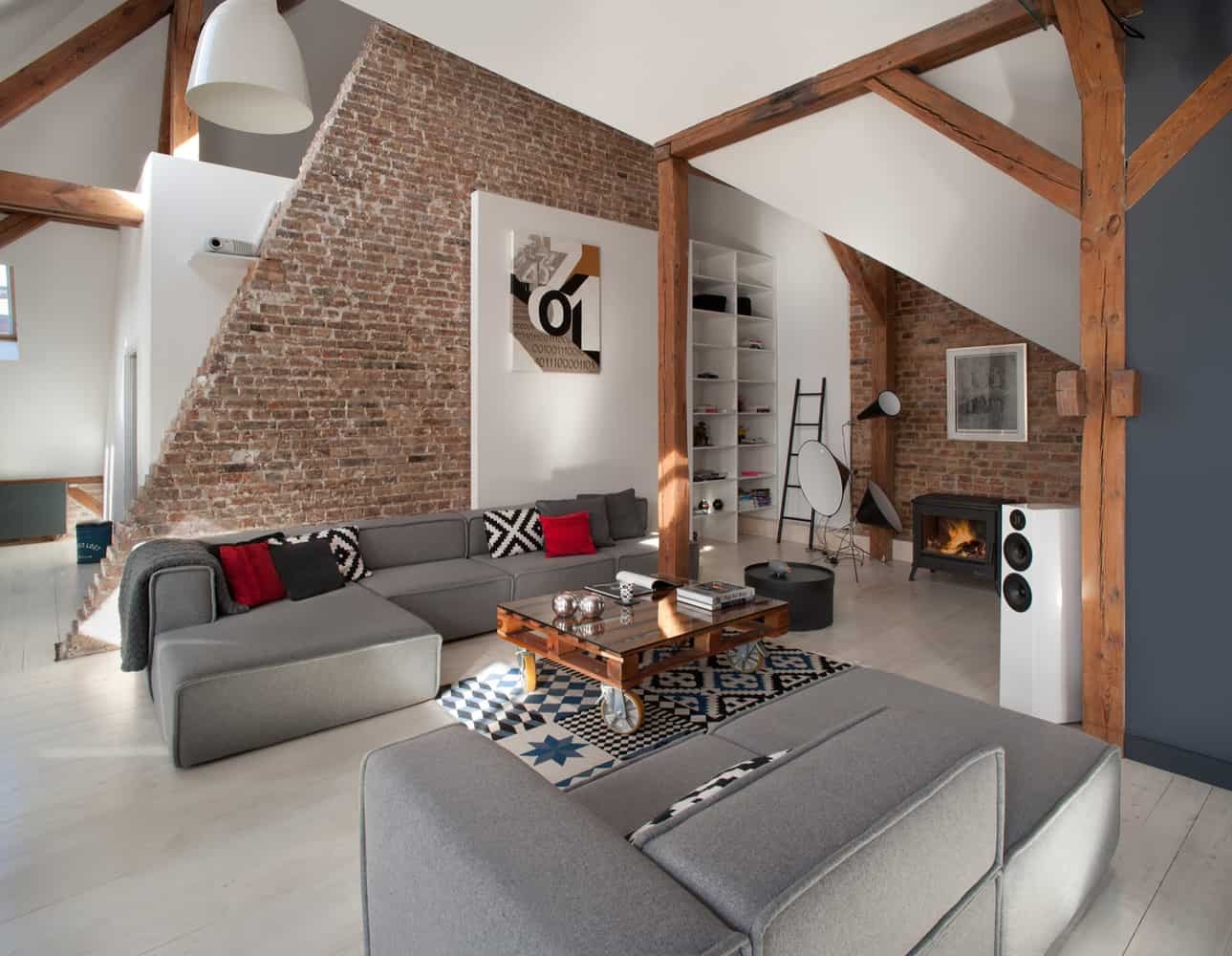
An open home still needs a place where the day can end. Give the sleeping area a sense of arrival with a change in texture, a partial screen, a bookcase, or a carefully placed curtain rather than a bulky wall. The boundary does not need to be complete; even a shift in ceiling height, rug, or lighting can tell the body that this is a quieter zone. Keep the bed’s sightline simple, and avoid turning the bedside table into a charging station, office, and storage bin all at once.
For privacy, prioritize what you notice from the main living area. A textured curtain can soften sound and sightlines, while a low cabinet can conceal clothing without blocking daylight. Choose bedding in breathable layers and keep one warm throw nearby for evenings. If a bathroom or dressing area adjoins the bedroom, coordinate their lighting temperatures so the transition feels calm rather than glaring. These are modest interventions, but they help an open-plan home support restorative routines. A bedroom feels separate when its signals are consistent: low light, fewer objects, softer materials, and a surface reserved for the last cup of tea.
Kitchen Pause: Warm Vanilla Millet Porridge
- 1/2 cup millet
- 1 1/2 cups milk or plant milk
- 1/2 cup water
- 1/2 teaspoon vanilla
- 1 tablespoon maple syrup
- 1/2 banana, sliced
- 1 tablespoon sunflower seeds
- Rinse millet, then simmer it with milk and water for 20 minutes.
- Stir in vanilla and maple syrup.
- Top with banana and sunflower seeds.
6. Use Lighting and Technology With Restraint
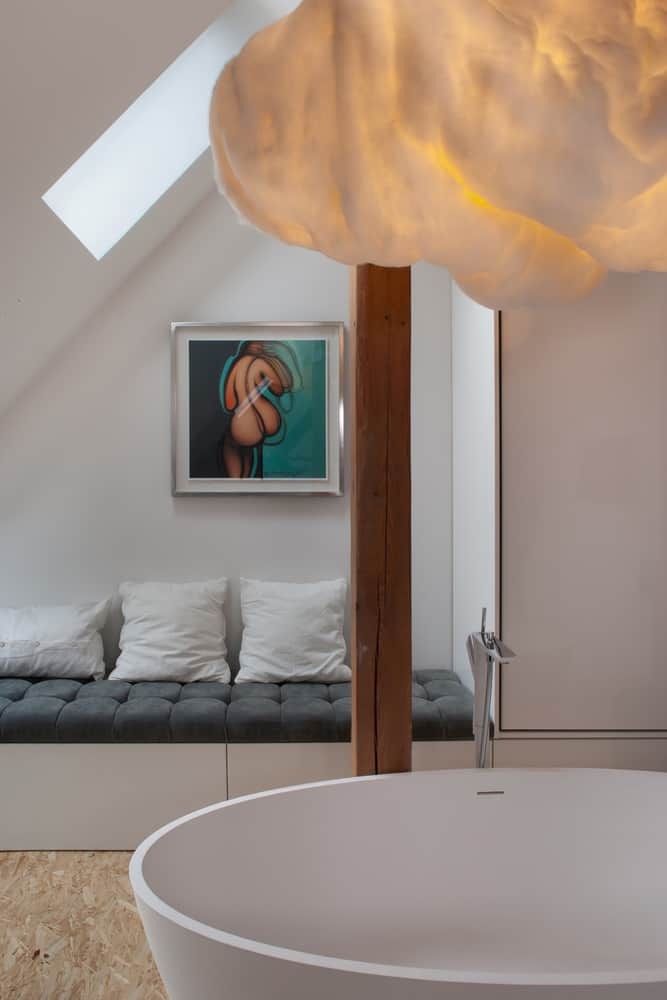
Convenience is most valuable when it disappears into the background. Plan a few dependable lighting layers instead of relying on one bright fixture: general illumination for cleaning, focused light for cooking or reading, and a low warm glow for evenings. Put frequently used lights on accessible switches, and use timers only where they genuinely simplify a routine. A small lamp near the entry can make coming home feel welcoming while also helping keys and bags land in the right place.
Connected controls can support the same calm if they are kept simple. One scene for cooking, one for relaxing, and one for winding down is usually more useful than a complicated menu of settings. Conceal cables with clips or a cable box, and keep speakers or screens from becoming the room’s visual center. Technology should protect attention, not compete for it. A short evening reset—dim the lights, return loose objects to their zones, and prepare tomorrow’s breakfast—can make the loft feel settled in minutes. Good systems are not about having more gadgets; they are about removing small points of friction from the rituals you already value.
Kitchen Pause: Golden Carrot Soup
- 4 carrots, chopped
- 1 small onion, diced
- 1 tablespoon olive oil
- 1/2 teaspoon ground turmeric
- 3 cups vegetable broth
- 1/4 cup plain yogurt
- 1 teaspoon lemon juice
- Sauté onion and carrots in oil for 6 minutes, then stir in turmeric.
- Add broth and simmer for 18–20 minutes until tender.
- Blend smooth, add lemon juice, and swirl with yogurt.
Final Thoughts
A character-rich loft becomes comfortable through a series of clear, modest choices: honor the surfaces that carry history, assign each activity a home, use height intelligently, and let light mark the pace of the day. The same principles work in a studio, a converted attic, or a family room that must do several jobs at once.
Most importantly, design for the rituals you want to repeat. A welcoming breakfast corner, an uncluttered place to rest, and storage that makes resetting easy will shape daily life more powerfully than any single statement piece. When a home supports those habits, its personality feels natural—and its limited footprint starts to feel like an advantage.