Marble Everything Is Getting Out Of Control: How To Use The Trend Without Ruining Your Home (2026 Guide)
We’ve all seen it: marble on counters, marble on floors, marble backsplashes that read like quarry-sourced wallpaper. The phrase “marble everything” used to be a joke among designers: now it feels like an interior design dictatorship. In 2026, marble remains an aspirational material, signal of luxury and permanence, but its ubiquity has created real design headaches, ethical questions, and practical trade-offs. In this guide we’ll unpack why marble is everywhere right now, differentiate real marble from lookalikes and budget alternatives, and give practical rules so we can enjoy marble’s beauty without letting it take over our homes. Expect actionable design guidance, environmental context, and maintenance realities so you can decide where marble truly belongs in your space and where something else would do a better job.
Why Marble Is Everywhere Right Now
Marble’s resurgence isn’t an accident, several converging trends pushed it back into the mainstream. First, social media platforms amplified high-end imagery: photo-friendly veining and reflective surfaces photograph exceptionally well, which made marble a favorite of influencers and staging stylists. Second, technology improvements in slab production, large-format printing, and waterjet cutting made it easier and cheaper to specify marble-like surfaces across larger areas. Third, luxury has shifted from ornate detailing to calm, natural materials: marble communicates understated wealth, which aligns with contemporary minimalism. Finally, supply-chain dynamics after the pandemic favored long-lasting, timeless materials over fast trends, so homeowners invested in marble as a buy-once aesthetic.
But popularity breeds imitation and overuse. Retailers responded with mass-produced marble slabs and printed porcelain that democratized the look, and also saturated the market. That democratization is great for accessibility, yet it’s created a visual monotony: whole neighborhoods with the same Carrara-look counters, identical veining patterns in different developments, and interiors that feel staged rather than lived-in. Understanding these forces helps us use the material intentionally, instead of defaulting to marble because it’s fashionable.
The History And Resurgence Of Marble In Modern Design
Marble’s story stretches from classical sculpture to mid-century modern kitchens. Historically, marble signified permanence and artistry, think Roman baths, Renaissance sculptures, and neoclassical façades. In the 20th century, architects such as Le Corbusier and Mies van der Rohe used stone to express timelessness and structural clarity. By the late 20th century, but, exotic marbles were often reserved for public buildings and wealthy residences: alternatives like laminate and engineered surfaces proliferated in mass housing.
The 2010s saw a renewed interest in natural materials and artisanal craft, which revived marble’s cachet. Designers began reintroducing marble not as ostentation but as tactile contrast within restrained palettes. In the 2020s, as sustainability and longevity gained importance, marble became a preferred material for owners wanting investment-grade finishes. Yet the resurgence differs from historical use: today’s marble decisions are driven by visual culture, manufacturing versatility, and a desire for authenticity. That means we can enjoy marble’s lineage while being mindful of how we apply it in 2026 interiors, honoring history without repeating past excesses.
What “Marble” Really Means: Types, Lookalikes, And Price Points
When people say “marble,” they’re often lumping together very different products. For clarity, we’ll break marble into three practical categories: classic natural marbles (Carrara, Calacatta, Statuario), engineered stones that mimic marble, and porcelain or quartz alternatives that imitate the look at lower cost. Knowing which you’re choosing matters for aesthetics, durability, and budget.
Natural marble varies dramatically by quarry: Carrara is softer with subtle gray veins: Calacatta tends to have bolder, warmer veins and a creamier background: Statuario is prized for dramatic contrast and translucence. Price depends on rarity, thickness, and finish: domestic Carrara can be relatively affordable, while rare large Calacatta slabs command premium pricing. Installation and waste factor significantly into cost because matching veining across multiple slabs often increases expense.
Engineered stones like quartz can reproduce marble patterns and offer improved stain resistance and consistency. Porcelain slabs and large-format tiles are the budget-friendly champions, they’re lighter, less porous, and available in hyper-realistic prints. Each choice involves trade-offs between authenticity, maintenance, and cost: understanding these trade-offs stops us from overcommitting to a look that might not perform in real life.
Natural Marble Vs Engineered Stone
Natural marble is quarried, cut, and finished. Its unique swirls and mineral deposits are non-repeatable, which is part of the appeal, but also a liability: porosity invites staining, and softer stones scratch and etch with acidic substances. Marble’s surface can develop a patina over time that many homeowners love, but this requires vigilance in kitchens and bathrooms.
Engineered stones, primarily quartz-based, bind natural minerals with resin to produce slabs that look like marble but resist staining and etching. They’re more uniform, easier to match across large surfaces, and often come with warranties. The downside is diminished depth and translucency compared to true marble: for purists, engineered options lack authenticity. In practical terms, if we want marble solely for looks and low maintenance, engineered stone is a sensible middle ground. If we want the real material’s tactile and visual complexity, we have to accept higher upkeep and potential long-term changes in appearance.
Budget Alternatives That Mimic Marble
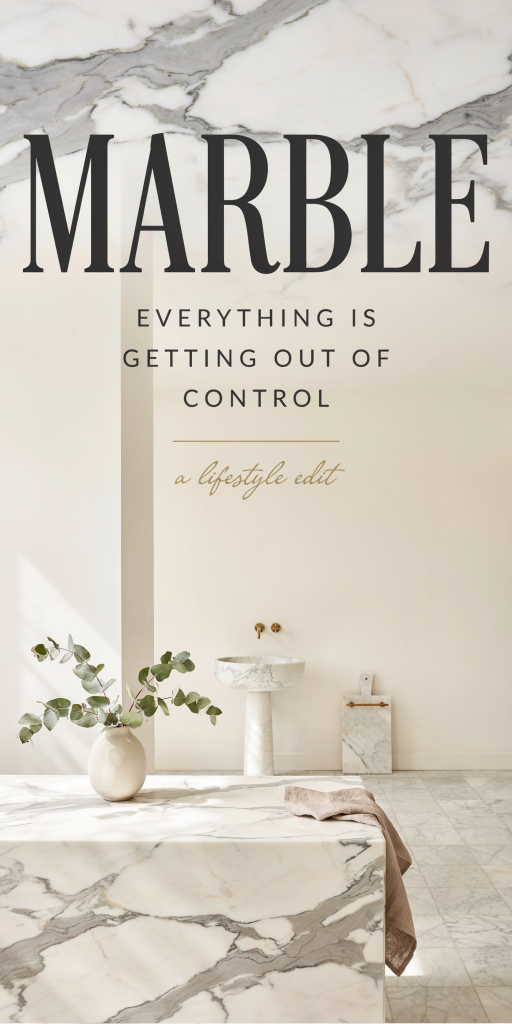
If marble’s price or maintenance scares us off, several convincing alternatives exist. Porcelain slabs and large-format tiles now use high-definition digital printing and glazing to replicate marble veining at a fraction of the cost. They’re extremely low-maintenance, frost-resistant, and suitable for floors, walls, and countertops. Laminates and high-pressure decorative panels offer economical options for vertical surfaces like backsplashes and vanity surrounds.
Another practical route is to use smaller amounts of real marble as accents, a windowsill, a fireplace surround, or a vanity top, and pair it with porcelain or engineered counters elsewhere. This creates a layered, authentic look without the cost or environmental exposure of using marble everywhere. For renters or quick refreshes, peel-and-stick marble-look tiles and trims can be used sparingly to evoke the aesthetic without permanent changes. The key is restraint: picking materials that mimic marble where performance matters, and reserving genuine stone for moments that justify the investment.
The Environmental And Ethical Costs Of Marble Mining
Marble’s allure comes with ecological and social costs we can’t ignore. Quarrying is energy- and water-intensive: extracting large blocks, cutting slabs, and transporting heavy stone generates significant carbon emissions. Many quarries operate in countries with weak environmental regulation, leading to habitat destruction, groundwater depletion, and local pollution. Worker safety and fair labor practices are also concerns in some regions.
There’s also a waste problem: up to 40% of extracted stone can become scrap during cutting and finishing, depending on the quality required. That waste often ends up in landfills or abandoned quarry ponds. Conversely, engineered alternatives and porcelain have their own footprints, resin production, kiln firing, and digital printing consume energy and materials, but they can be more resource-efficient per installed square foot when factoring in lifespan and recyclability.
As consumers and designers, we can mitigate impact by choosing responsibly sourced stone (look for certifications or transparent supply chains), favoring reclaimed or salvaged marble, and minimizing waste through efficient layout and bookmatching. Where possible, choose materials with documented environmental practices, and reserve natural marble for long-term projects that justify its embodied carbon.
Practical Design Rules To Avoid Overdoing Marble
If marble everything is getting out of control, we need rules to use it wisely. Here are practical guidelines we rely on:
- Use marble as an accent, not the entire story. Reserve it for one focal surface per room, a statement island, a fireplace surround, or a bathroom vanity, and let other materials support the design.
- Vary textures and finishes. Pair polished marble with matte woods, soft textiles, or honed stone to avoid visual monotony. Contrast creates depth.
- Consider scale and pattern. Large-scale veining can dominate small rooms: choose subtler marbles or use veining only on a single plane to maintain balance.
- Match intensity to function. High-traffic kitchens benefit from engineered or porcelain that mimics marble: real marble works better in low-impact spaces like powder rooms or formal areas.
- Think long-term. Pick colors and patterns that will age gracefully with your furnishings, and avoid hyper-trendy marbles that will feel dated in a decade.
These rules aren’t absolute, but they help us prioritize longevity and personality over uniformity.
Balancing Materials, Scale, And Color
Balancing is both aesthetic and functional. Start with a primary material palette, one dominant surface, one complement, and one accent. For example, pair a marble countertop with warm wood cabinetry and matte black hardware. That trio creates contrast and prevents the marble from feeling all-consuming.
Scale matters: in compact spaces, choose narrow, subtle veining or smaller tiles so the pattern doesn’t overwhelm. In open-plan homes, a bookmatched marble slab can anchor a living area, but don’t repeat that exact pattern elsewhere. Color temperature is equally important. Cool gray marbles pair well with industrial elements and crisp whites: warm creams and gold veining harmonize with brass and honeyed woods. We also recommend testing samples in your space under different light, marble changes dramatically between morning sun and evening artificial light. Thoughtful balancing ensures marble reads as intentional, not obsessive.
Maintenance, Durability, And Real-World Performance
Marble requires realistic expectations. Natural marble is porous and susceptible to staining from oils, wine, and acidic cleaners. It can etch under lemon or vinegar and scratch with abrasive pads. For busy households, honed finishes hide wear better than polished ones: you’ll trade shine for camouflage. Sealing helps but isn’t a cure-all, it reduces staining risk, but repeated sealing is necessary and depends on use.
Engineered stone and porcelain outperform marble in everyday durability. Quartz resists staining and scratching, while porcelain tolerates heat, moisture, and heavy foot traffic. But, engineered materials can chip on edges and aren’t as easily refinished as natural stone.
Real-world planning matters: use sacrificial cutting boards and trivets, avoid acidic cleaners, and clean spills immediately. For countertops, consider edge profiles that hide wear. If we decide on natural marble, we budget for periodic professional polishing and expect patina as a design outcome. Eventually, matching material performance to household habits prevents regret and preserves aesthetic integrity.
Conclusion
Marble everything may be getting out of control, but that doesn’t mean we should abandon the material. Instead, we should be more deliberate: choose real marble where its tactile beauty and history matter, pick engineered or porcelain alternatives where durability and cost dominate, and always design with restraint. By balancing materials, understanding environmental impacts, and planning for maintenance, we can enjoy marble’s timeless appeal without letting a single trend define our homes. Let’s treat marble as a thoughtful accent, a layer in a richer, more personal palette, rather than the whole story.