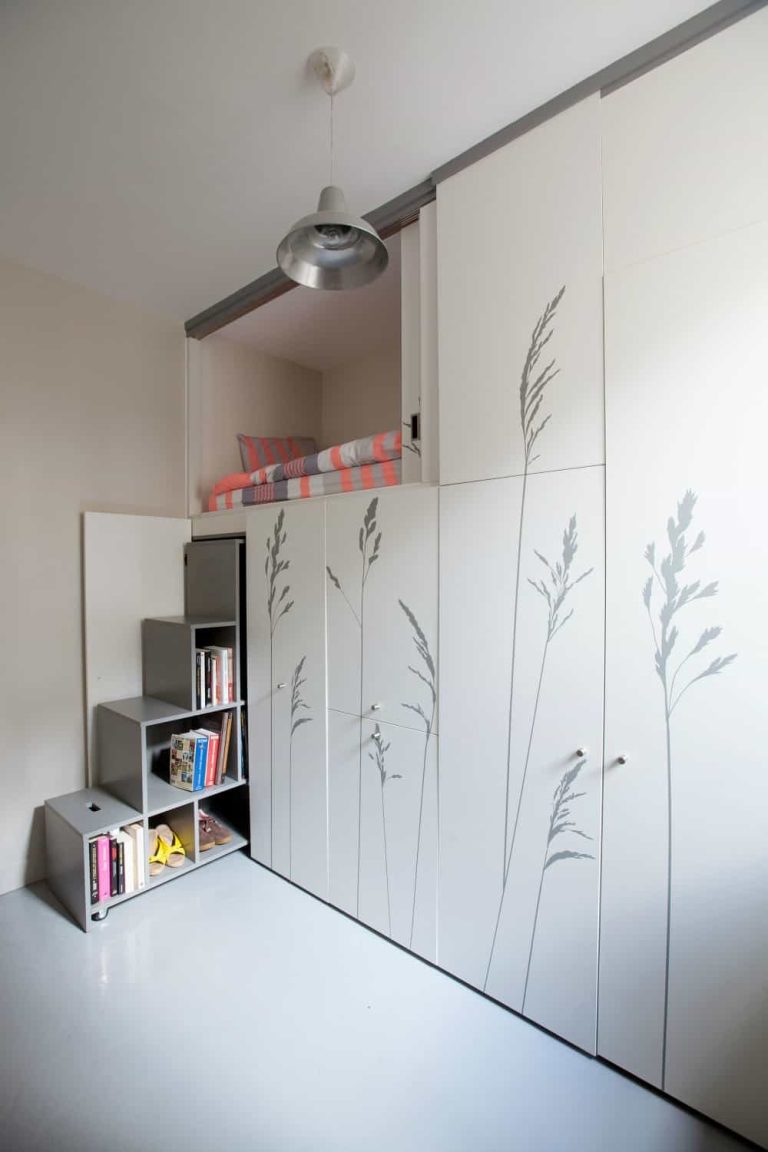
Living Room Themes That Actually Work for Everyday Life
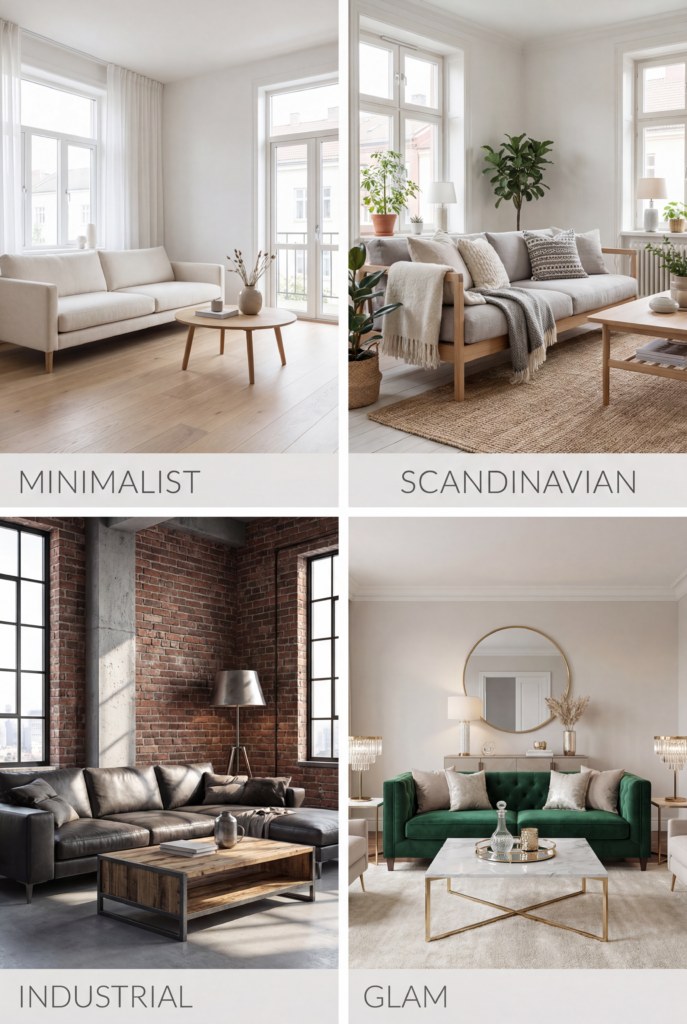
Decorating a living room shouldn’t feel like staging a showroom. The trick is choosing a consistent direction, then bending it around how you live—lighting that flatters evening reads, rugs that survive pets and feet, and storage that hides the paper trail without hiding personality.
This article walks through six practical, lived-in approaches. Each one focuses on layout, scale, colour, lighting and storage so you end up with a room that looks considered and still gets used. Think of these as roadmaps: keep the pieces you touch daily comfortable, layer in a few intentional textures, and let the small accents do the mood-shifting.
1. Modern Comfort That Feels Lived-In
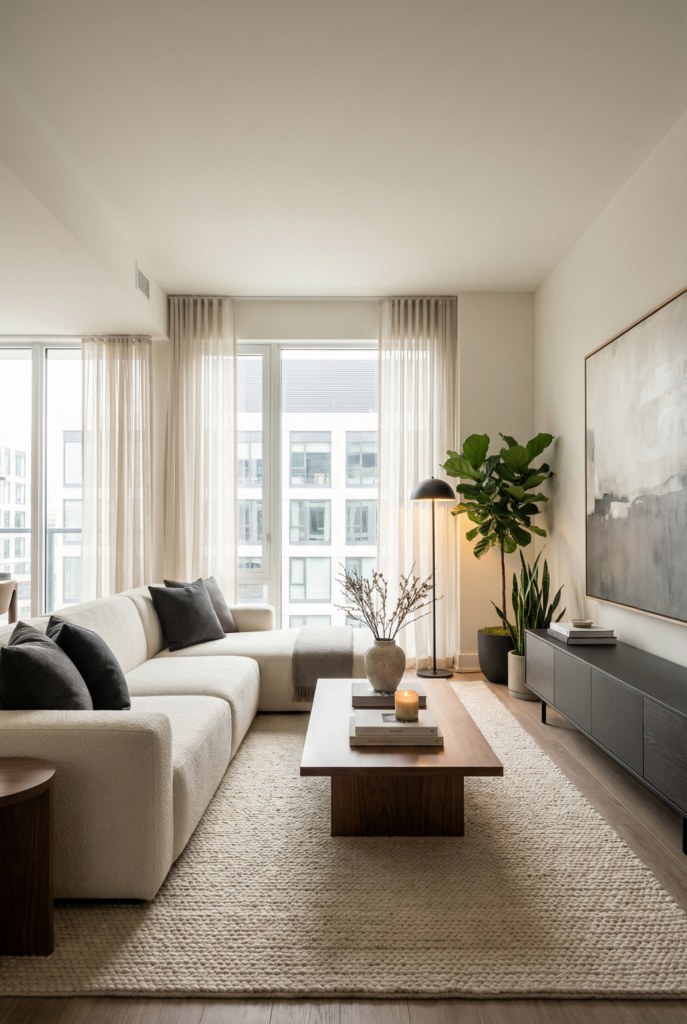
Go modern without making your living room feel sterile. The idea is streamlined silhouettes plus warm finishes and layers that invite sinking in.
What You’ll Need
- Neutral, mid-depth sofa (aim for 22–24″ seat depth for lounging)
- Medium-toned wood or matte coffee table
- Wool or wool-blend rug sized so front legs of seating sit on it
- Floor lamp and one table lamp with warm bulbs (2700K)
- Simple cable management (cord covers, surge-protected power strip)
How to Put It Together
- Measure your room and rug first: a common winning move is to have the front legs of all seating on the rug so the arrangement reads as one zone.
- Float the sofa 6–12″ off the wall if you can—this makes the layout feel intentional and creates a walkway behind it.
- Layer lighting: overhead (if present), one floor lamp beside the sofa for reading, and a table lamp on the opposite side for evening balance.
- Add a single warm wood or sculptural object to break up cool surfaces and add tactile interest.
- Tidy cords and place power strips where they won’t be walked on; check lamp cord condition and avoid overloading outlets for safety.
2. Quiet Minimalism That Still Feels Cozy
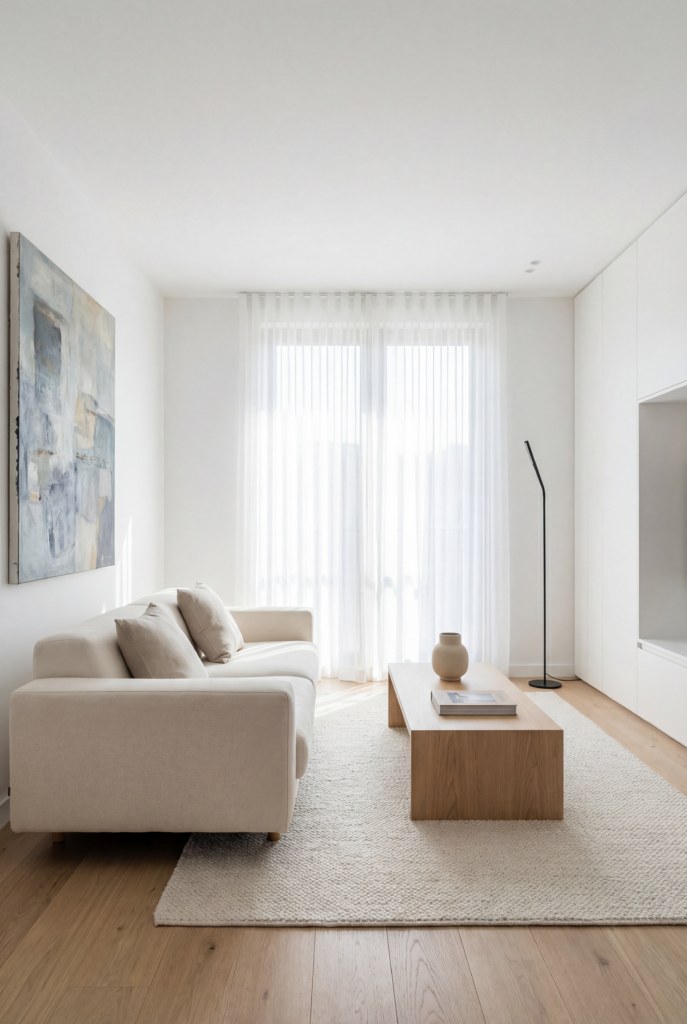
Minimalism isn’t about emptiness, it’s about letting the most useful or beautiful pieces breathe. Emphasize scale and a small curated set of textures rather than a hundred tiny accessories.
What You’ll Need
- One large, low-pile or flatweave rug that grounds the seating
- Comfortable neutral sofa with clean lines
- One oversized art piece or mirror
- Closed storage piece (media cabinet or low credenza)
- Two lamps with warm bulbs (2700K)
How to Put It Together
- Start by editing: remove anything that doesn’t earn its place for use or joy; minimal rooms succeed on fewer, thoughtful decisions.
- Use one large art piece rather than several small frames to keep visual quiet and balanced with room scale.
- Choose storage that hides everyday clutter—a low credenza or cabinet keeps the sightlines calm and surfaces usable.
- Keep the palette limited to two or three neutrals and one grounding material like pale wood; add one soft textile for warmth.
- Anchor tall furniture (bookshelves, cabinets) to the wall with proper hardware to prevent tipping, especially in homes with children.
3. Layered Bohemian for Real Life
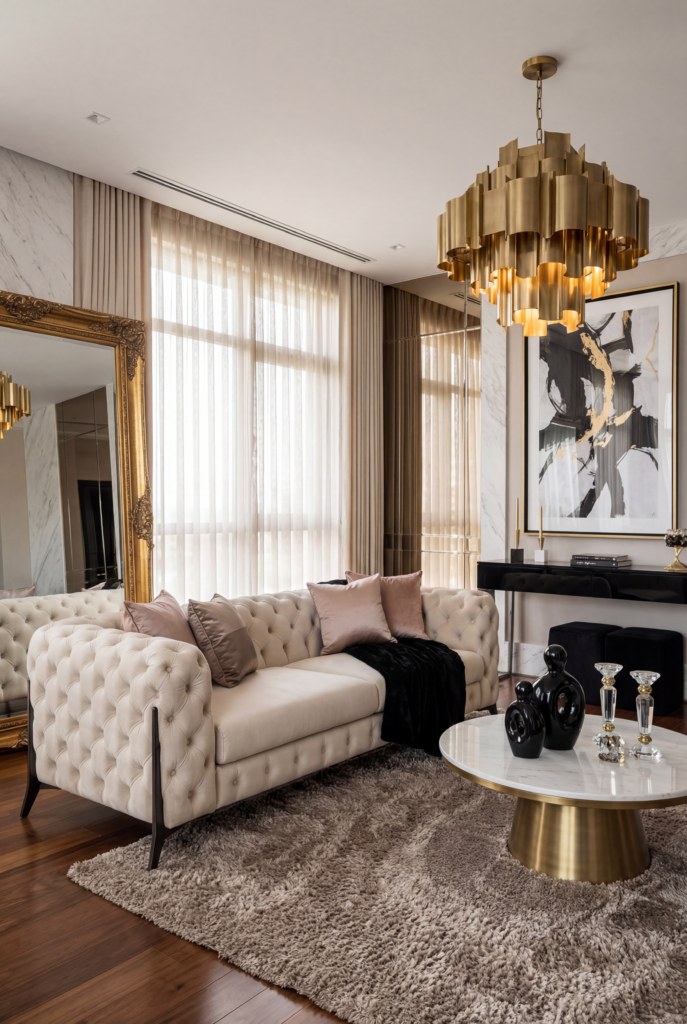
Boho is the most forgiving theme: it rewards mixing and repurposing, and it ages gracefully. Focus on layered textiles, durable bases, and smart storage to make the look functional.
What You’ll Need
- Durable rug with pattern or vintage look (hides wear well)
- Washable or performance fabric slipcover for high-touch seating
- A mix of textiles: throws, cushions, woven baskets
- Multiple light sources (table lamps, floor lamps, string or accent lights)
- Practical storage baskets or lidded boxes for toys, blankets, and remotes
How to Put It Together
- Anchor the room with a patterned rug—pattern helps camouflage stains and traffic paths.
- Build depth by layering two or three textile types: a chunky throw, a linen pillow, and a woven floor cushion.
- Group smaller objects on trays or inside baskets so surfaces read intentional, not cluttered.
- Keep washable fabrics on frequently used pieces and use non-slip pads under rugs to reduce trip risk.
- Secure tall shelves to the wall, and store breakables up high or in closed cabinets if you have kids or pets.
4. Softened Industrial for Urban Homes
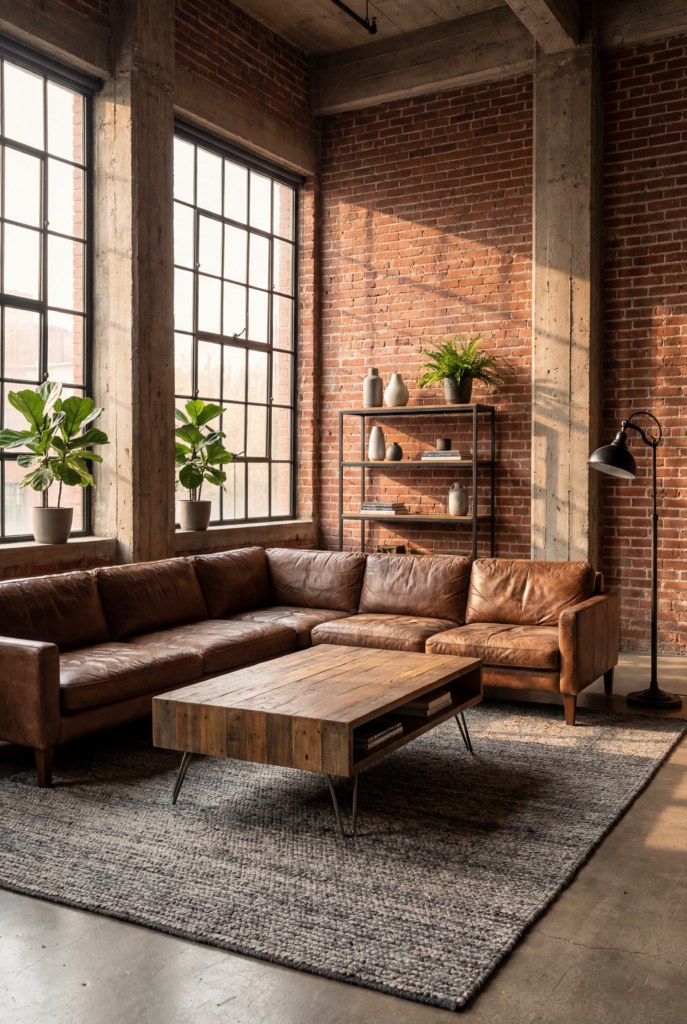
Industrial elements (metal, leather, reclaimed wood) can feel moody and purposeful without turning the room into a workshop. Soften the edges with textiles and light tones.
What You’ll Need
- A warm-toned leather or faux-leather sofa or a deep neutral fabric sofa
- Reclaimed or distressed wood coffee table with metal accents
- Layered rug (wool or jute blend) large enough to anchor seating
- Task lighting (adjustable floor or swing-arm lamp) plus ambient lighting
- Secure shelving or storage for tools-of-life (books, chargers, game consoles)
How to Put It Together
- Choose one heavy material as a focal point (leather sofa or metal shelving) and balance it with warm wood and soft textiles.
- Place the rug so it fills the area under the furniture; a rug that’s too small breaks the composition and feels visually off.
- Use adjustable task lighting for reading and a softer ambient source for evenings—metal finishes work best with warm bulbs.
- Install shelving with proper wall anchors, and avoid overloading single brackets with heavy objects for safety.
- Introduce throws and cushions in natural fibres to soften sharp edges and reduce reflectivity from metal surfaces.
5. Breezy, Coastal-Adjacent Without the Kitsch
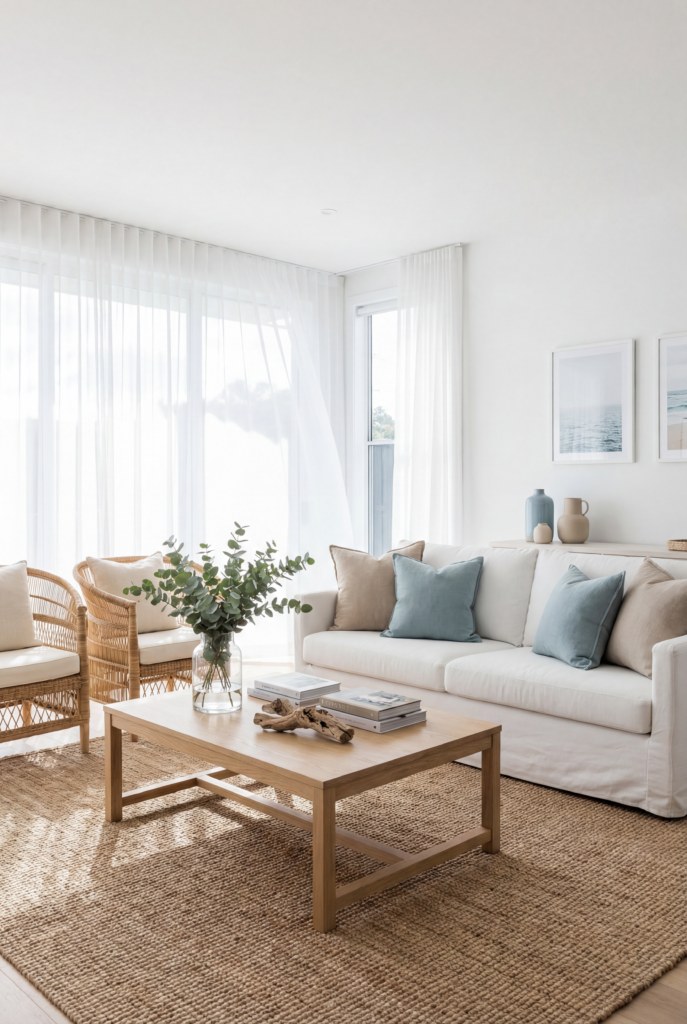
Aim for a bright, relaxed room that reads airy rather than themed. The secret is breathable textiles, warm neutrals, and one or two intentional contrasts so the space doesn’t wash out.
What You’ll Need
- Light-coloured slipcovered or washable-upholstery seating
- Woven rug (jute or cotton flatweave) with a non-slip pad
- Light-wood or whitewashed coffee table
- Sheer curtains and one darker contrast piece (chair or side table)
- Lamps with fabric shades and warm bulbs (2700K)
How to Put It Together
- Paint or keep walls in a warm, reflective white to maximise daylight; avoid cool whites that can read sterile.
- Layer textures—linen pillows, a cotton throw, and a woven rug—to introduce depth without heavy colour.
- Hang curtains higher than the window to visually raise the ceiling and keep them light so they move with air flow.
- Include one darker element to create a focal point and prevent the room from feeling monochrome.
- Choose furniture with softened corners in high-traffic households and secure rugs with a pad to reduce slipping.
6. Scandinavian Warmth: Bright, Functional, Inviting
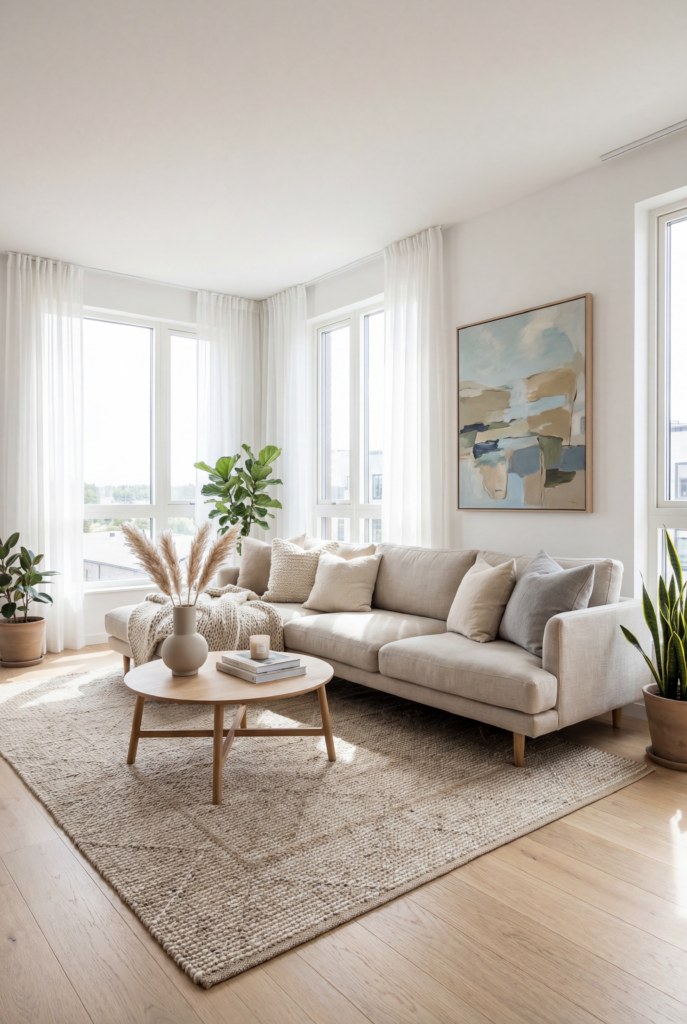
Scandi-inspired rooms balance brightness with coziness—light woods, layered lighting, and clever storage deliver a lived-in luxury that’s practical every day.
What You’ll Need
- Pale wood coffee table or side table(s)
- Wool or wool-blend rug sized to include front legs of seating
- Neutral, comfortable sofa with generous seat depth
- Several small lamps at different heights and a dimmer-capable overhead light
- Low-profile storage (bench, console, or built-in cubes)
How to Put It Together
- Prioritise daylight and supplement with multiple lamps to create a warm glow during evenings; dimmers are a simple upgrade for atmosphere.
- Keep furniture proportions light-legged and low to maintain an airy feel; avoid bulky pieces that dominate the floor plan.
- Make storage part of the furniture: benches with lids, consoles with doors, or tidy baskets help maintain clean sightlines.
- Anchor seating with a rug that’s large enough so the entire group feels connected; use a non-slip pad under the rug for safety.
- Childproof cords and secure freestanding furniture to the wall when needed to reduce tipping hazards.
Final Thoughts
A living room that truly works is a balance of big decisions (sofa scale, rug size, lighting) and small, repeatable moves (swap pillow covers, rotate a lamp, tidy a tray). Start with the pieces you use every day, let a single texture or material act as an anchor, and be realistic about wear and lifestyle.
Take your time: try a layout, live in it for a week, then tweak. Good lighting, proper rug sizing, and sensible storage will do more to make your space feel intentional than chasing a perfectly curated look. And whenever you’re unsure, choose comfort and safety first—secure tall units, use non-slip rug pads, and avoid overloading outlets—then let the style follow.