Find the Perfect Sofa Color for Your Living Room: A Practical Guide
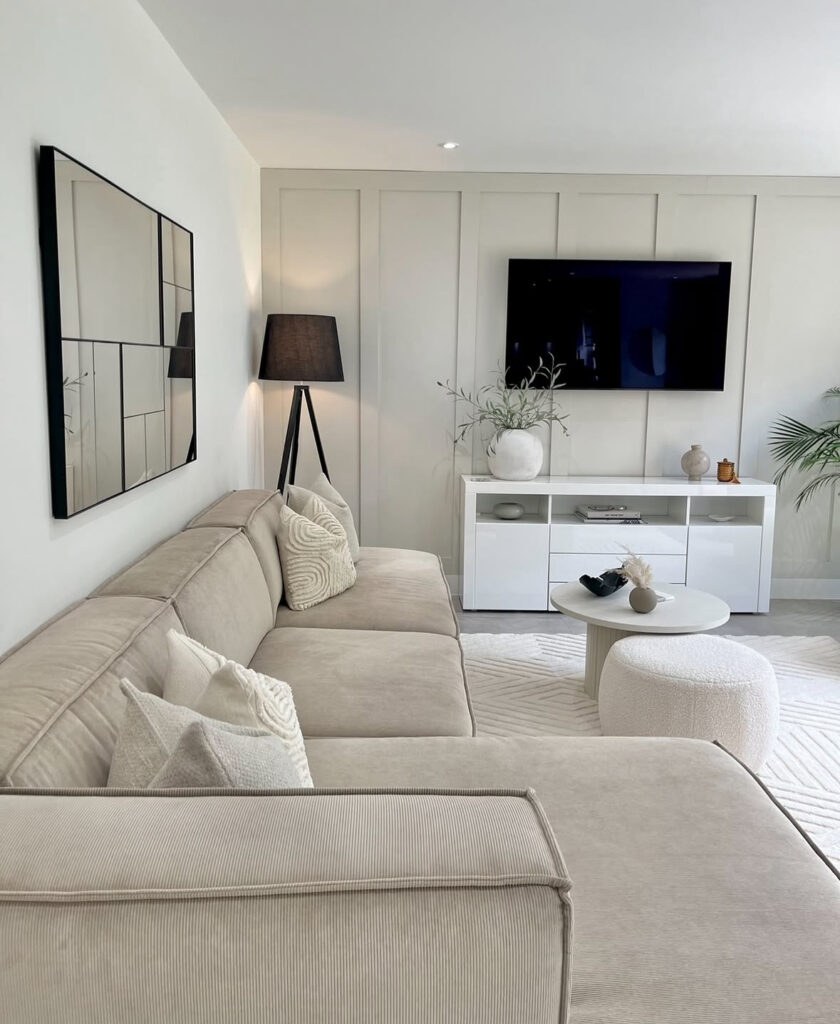
Choosing a sofa color is one of the biggest design decisions for your living room—it’s both a functional piece and a visual anchor. A thoughtful color choice can make the space feel larger, cozier, more energetic, or more serene depending on the mix of light, textures, and layout you already have.
This guide walks you through the decision step by step: how to read your room’s light and scale, balance lifestyle needs with aesthetics, coordinate with existing finishes, and test options before you commit. Each section includes a short narrative, a simple list of what you’ll need, and clear, numbered steps so you can put the look together with confidence.
1. Read the Light: How Natural and Artificial Light Change Color
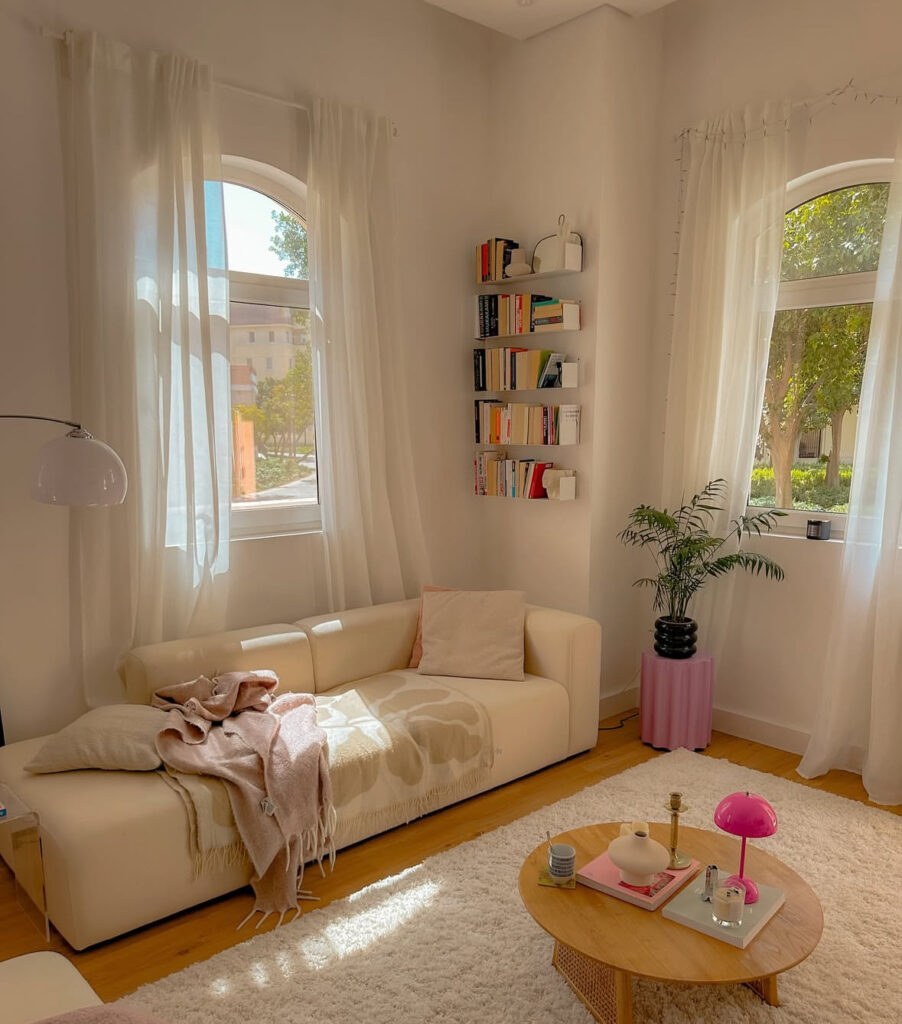
Light alters how a color reads more than almost anything else. Cool north-facing rooms make colors look bluer and softer, while warm southern light makes the same fabric feel richer and more saturated. Evening lamps and overhead lights can pull a hue warmer or dull it, so consider color across the day.
What You’ll Need
- Fabric or paint swatches
- A clipboard or heavy card to pin a swatch against the wall
- A notebook to record observations at different times
How to Put It Together
- Place small fabric swatches in the spot where the sofa will sit and observe at morning, midday, and evening. Note any color shifts.
- Compare swatches against key finishes (wall paint, flooring, large rugs) rather than in isolation so you see how they interact.
- If natural light is limited, favor lighter or mid-tones to prevent the sofa from appearing flat; in bright rooms you can safely consider deeper or more saturated hues.
2. Match Your Lifestyle: Choose Colors That Work for How You Live
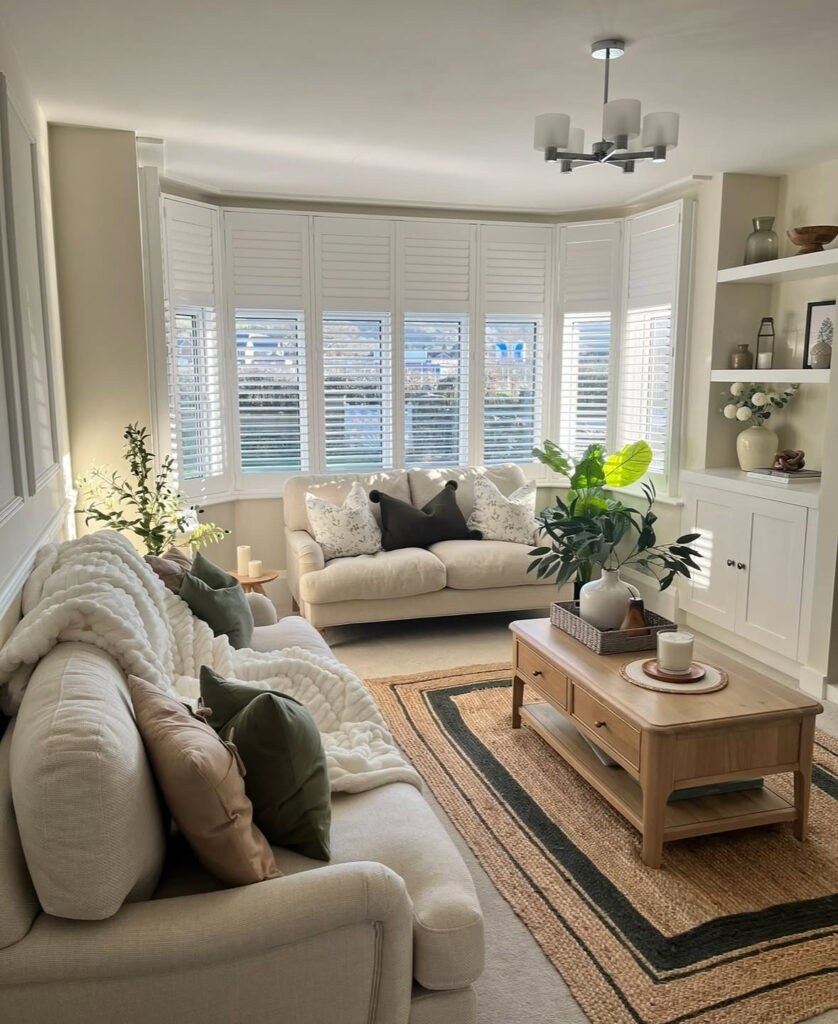
Practical living—pets, kids, entertaining, heavy use—should guide color and fabric choices as much as style. A deeper, textured color will hide day-to-day wear better, while a lighter shade can feel airy but requires a maintenance plan. Think about how often you’ll clean and whether slipcovers are an option.
What You’ll Need
- A list of daily uses (kids, pets, hosts, pets that shed)
- Information on fabric cleaning codes or care instructions
- A small test cloth or removable cover for trial cleaning
How to Put It Together
- Rank your priorities: stain resistance, fade resistance, and comfort. Let the top two dictate whether you lean toward darker or lighter colors.
- If you have high traffic, choose mid-to-dark tones or patterned weaves; for low traffic, lighter neutrals or seasonal colors are viable.
- Consider practical additions—washable cushion covers, a dedicated throw for heavy-use days, or a removable slipcover—to protect a lighter sofa without sacrificing the look.
3. Coordinate with Existing Colors and Textures
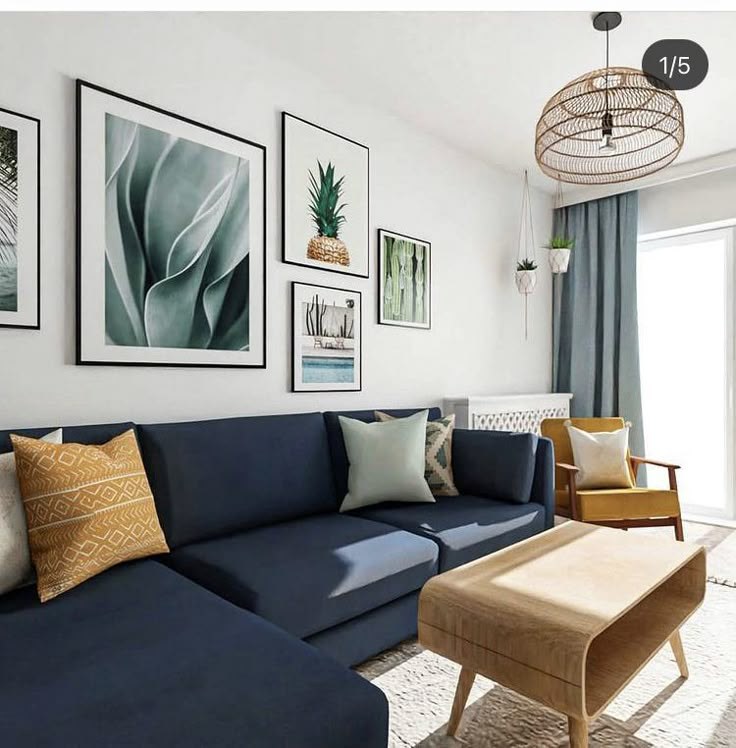
Rather than trying to match every color in the room, aim for harmony: pick a sofa color that either complements your dominant palette or deliberately contrasts to create a focal point. Texture plays a large role—linen, velvet, and bouclé read differently even in the same shade, so balance color with tactile interest.
What You’ll Need
- Swatches of the largest surfaces (walls, rug, major furniture)
- A mood board: physical or digital photos of the room
- Three accent swatches for pillows or throw blankets
How to Put It Together
- Identify the room’s dominant tone: warm, cool, or neutral. Choose a sofa color that sits comfortably within or thoughtfully offsets that tone.
- Layer texture (for example, a soft velvet sofa with a nubby wool throw) to add dimension while keeping color restrained.
- Use two to three accent swatches for pillows and rugs that pick up small hues from wall art or flooring to tie the look together without matching everything exactly.
4. Consider Scale and Visual Weight When Selecting Shade
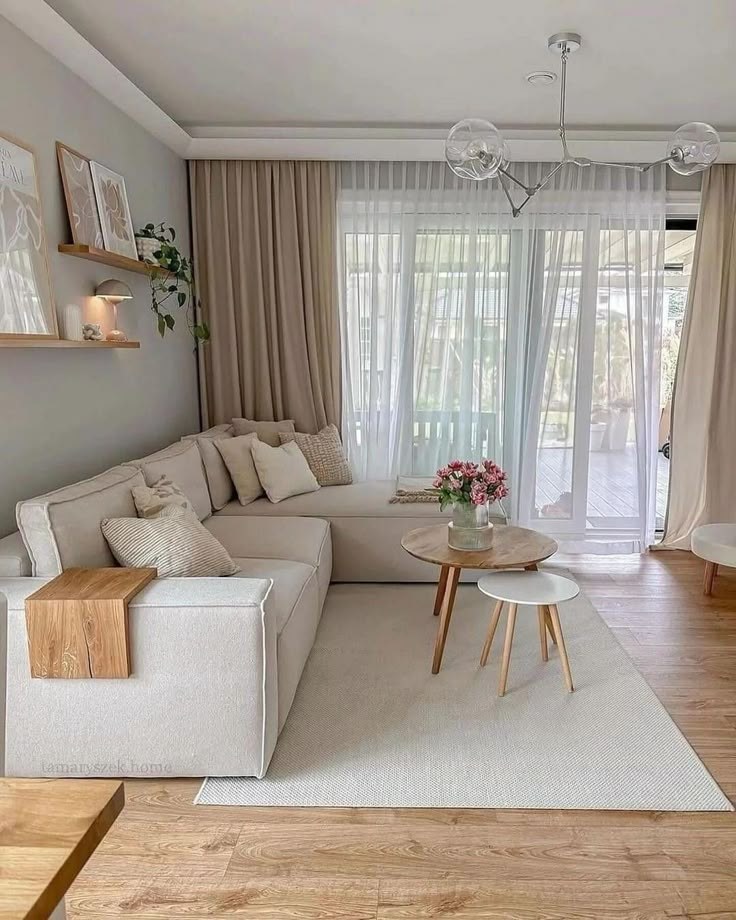
A sofa’s color affects perceived size: dark, saturated colors add visual weight and can make a large room feel grounded or a small room feel cramped. Lighter hues reflect light and seem less obtrusive. Scale of the sofa—sectional vs. two-seater—should inform whether you choose a statement color or something more understated.
What You’ll Need
- A tape measure and floor plan sketch
- A printed outline of the sofa footprint to test placement
- Painter’s tape to mock up visual zones on the floor
How to Put It Together
- Measure the sofa’s footprint and place the outline in your room; step back to assess how dominant the piece feels.
- For larger pieces or sectionals, favor mid-tones or neutrals if the room is small; in a generous room, a deeper or richer color can anchor the space.
- If you want a bold color but the sofa is large, break it up visually with a light-back wall, slimline side tables, or a contrasting rug to keep the room balanced.
5. Use Accents, Rugs and Storage to Integrate Color
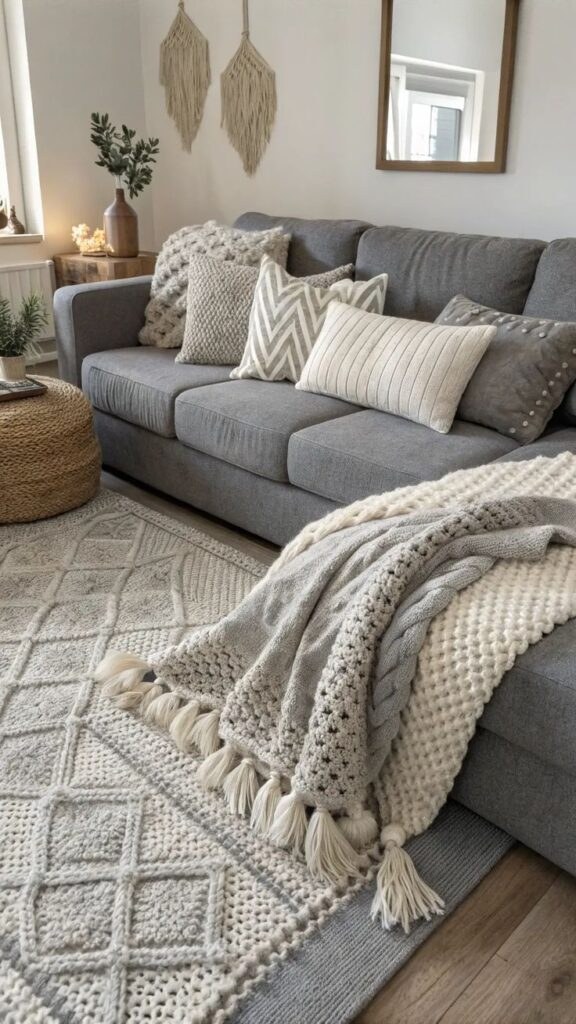
The sofa doesn’t have to carry the whole scheme. Accent pieces, area rugs, and nearby storage can echo or counterpoint the sofa color to create cohesion. Add textured baskets or low-profile cabinets nearby to ground the seating area and provide practical storage that also contributes to the palette.
What You’ll Need
- A coordinating rug or rug swatch
- Accent pillow and throw samples
- A small storage piece or basket to test nearby color relationships
How to Put It Together
- Anchor the sofa with an area rug that either contains the sofa hue or provides contrast; ensure at least the front legs sit on the rug for visual cohesion.
- Place accent pillows that pick up a secondary color from other room elements to create a repeating rhythm of color.
- Add a storage element—like a basket or low console—in a neutral or complementary tone to both conceal clutter and soften the sofa’s visual impact.
6. Test, Live With It, and Finalize Your Choice
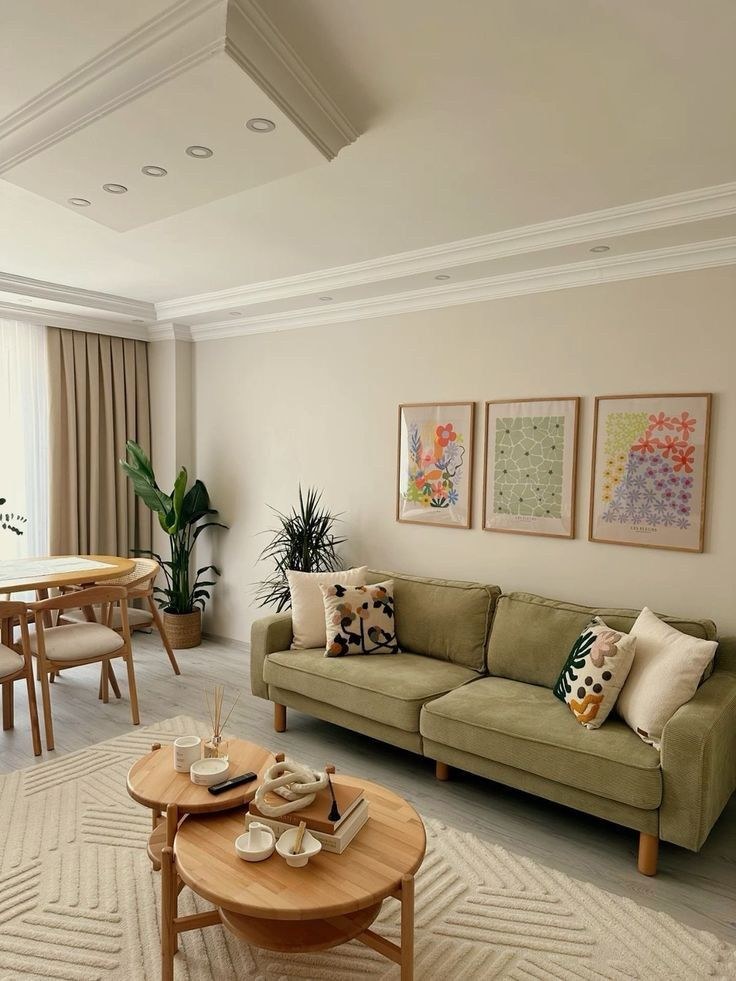
Before committing, live with samples in your space for a week or more. Colors can surprise you once they interact with your lighting, accessories, and everyday use. Test cleaning methods and see how the color wears in normal conditions—this is especially important for expensive or bespoke pieces.
What You’ll Need
- Multiple large fabric swatches or a rental sample sofa if available
- A cleaning spot-test kit (mild cleaner, water, soft cloth)
- A calendar for a seven-day observation window
How to Put It Together
- Position the largest swatches on the sofa footprint and observe them over several days and lighting conditions; note any favorites or deal-breakers.
- Perform a discreet spot-clean test following the fabric’s care code to ensure you can maintain the color and texture in daily life.
- When you decide, finalize complementary accents (pillows, throws, rug) and set a simple maintenance plan—vacuuming schedule, cleaning product choices, and protective habits—to keep the color looking its best for years.
Final Thoughts
The best sofa color for your living room is the one that balances how you live with how you want the room to feel. By reading light, considering scale, testing swatches, and coordinating accents and storage, you’ll land on a hue that looks intentional and performs well in everyday life.
Take your time, test in place, and choose a color you won’t tire of—then lean on texture, rugs, and pillows to refresh the look seasonally without replacing the sofa.