The Warm-Hearted Christmas Gathering: 15 Fresh Ways to Host a Party People Will Remember
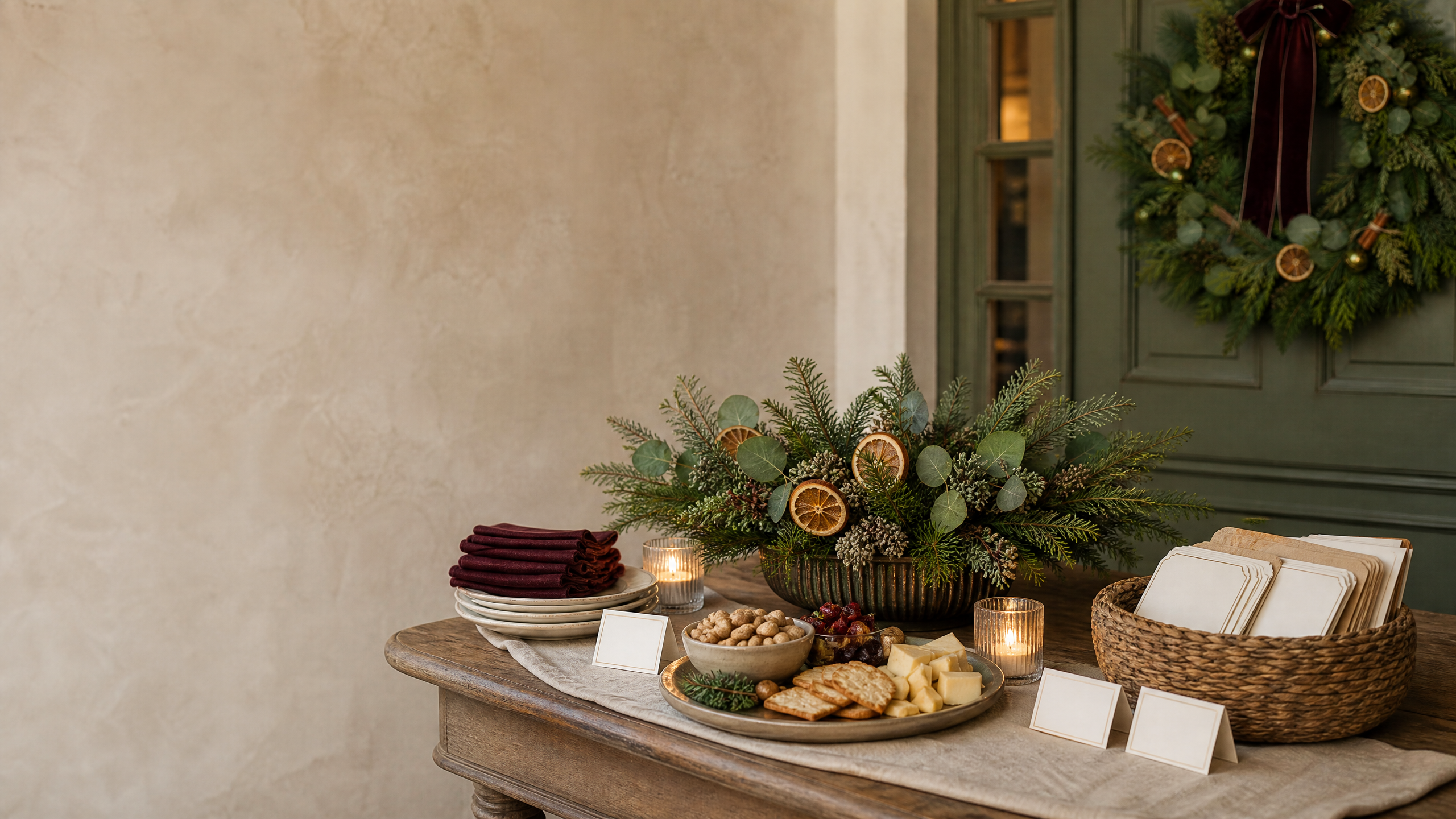
The best holiday parties are rarely the ones with the most elaborate decorations or the longest menu. They are the gatherings where guests quickly feel at ease, find something enjoyable to do, and leave with a story worth retelling. A memorable Christmas celebration can be as polished or as relaxed as you like, provided the evening has a little structure and plenty of room for connection.
This year, consider planning your party around shared experiences rather than a packed schedule. Choose one welcoming food or drink moment, one hands-on activity, and one easy way for people to mingle. The ideas below are designed to work in a living room, a backyard, a community space, or a small apartment. Mix a few together, adapt them to your guest list, and let the celebration feel like your own.
Start With a Party Mood, Not a Checklist
Before buying supplies, decide how you want the evening to feel. A quiet gathering might call for candlelight, soft music, and a simple craft. A larger group may thrive on team games and rotating stations. If children and adults will be together, create activities that can be enjoyed at different skill levels instead of expecting everyone to participate in the same way.
A useful planning shortcut is to give each part of the party a job:
| Party element | What it should accomplish | Easy examples |
|---|---|---|
| Arrival | Help guests settle in without awkwardness | A welcome drink, name tags, or a question jar |
| Shared activity | Give people something to talk about | A collaborative craft or team challenge |
| Food moment | Keep hosting manageable | A buffet, soup bar, or bring-a-topping spread |
| Closing ritual | End the night on a warm note | A group photo, toast, or take-home favor |
With that foundation in place, the party can remain flexible without becoming disorganized.
1. Build a Winter Welcome Table
Instead of placing all the food in the kitchen, make the entrance part of the experience. Set out a small table with mugs, napkins, a few seasonal garnishes, and two drink choices—one sparkling and one alcohol-free. Guests can serve themselves while you greet arrivals, which prevents the host from being tied to the stove during the first half hour.
For a clean, unfussy presentation, use citrus wheels, frozen berries, cinnamon sticks, fresh herbs, or sugared rims as optional accents. Label each drink with a playful name, but keep the instructions simple. A pitcher of cranberry-orange spritz and a pot of spiced apple tea can feel festive without requiring a full bar.
2. Host a “Tiny Luxuries” Gift Swap
Give the traditional gift exchange a more personal direction by asking everyone to bring one small item that makes an ordinary day nicer. It could be a favorite tea, a pocket notebook, a cozy pair of socks, a puzzle, or a homemade treat. Set a modest spending limit and invite guests to attach a note explaining why they chose it.
To make the exchange less predictable, have each person draw a card with a prompt such as “something for a slow morning” or “a little joy for a busy week.” The prompts encourage thoughtful choices and make the reveal more interesting than simply selecting a wrapped package.
3. Turn the Dining Table Into a Winter Workshop
A craft station gives guests a reason to sit together and makes conversation easier for people who do not already know one another. Try decorating plain paper gift tags, folding star ornaments, assembling dried-orange garlands, or painting small wooden shapes.
Prepare the table before guests arrive. Put tools in shallow trays, limit the color palette to a few coordinated shades, and provide a finished example only as inspiration. Protect the surface with kraft paper and keep a basket nearby for scraps. The goal is not perfection; it is an activity people can join for five minutes or forty.
4. Create a Story-Card Supper
Place a question card at every seat and invite guests to answer it during the meal. Good prompts are specific enough to spark a memory but broad enough for different ages and personalities: “What food always makes you think of home?” “Which winter tradition would you invent?” or “What small kindness have you noticed lately?”
If a table conversation begins to flow naturally, let the cards wait. They are there to rescue a quiet moment, not to turn dinner into an interview. For a larger gathering, ask guests to trade cards halfway through the meal so everyone hears a variety of answers.
5. Plan a Neighborhood Light Walk
A short walk can refresh guests between courses and offer a change of scenery. Before the party, choose a safe, familiar route and check the weather. Keep the outing optional, especially for young children, older guests, or anyone who would rather stay warm indoors.
Give the walk a gentle theme: notice the most creative window display, photograph an interesting wreath, or collect favorite holiday songs from the group’s playlist. When everyone returns, serve something warm and ask each person to share one detail they noticed. A simple outing becomes a shared memory without needing a formal tour.
6. Run a Five-Minute Decorating Relay
For a lively group, divide guests into small teams and provide each team with a box of ordinary decorating materials. One person begins a tabletop display, then passes it to the next teammate after five minutes. Each person must add, remove, or rearrange something before passing it along.
At the end, let the teams explain the “story” behind their creations. Award lighthearted titles such as most dramatic, most resourceful, or best use of an unexpected object. This works well because the time limit keeps perfectionism from taking over.
7. Offer a Build-Your-Own Supper
A self-serve meal is often easier on the host and more welcoming to guests with different preferences. Consider a baked potato bar, a winter grain-bowl spread, soup with assorted toppings, or flatbreads that guests can finish themselves. Include a few colorful vegetables, crunchy toppings, sauces, and a protein option so people can assemble a plate that suits them.
Keep hot components in covered dishes and put serving utensils at every station. Place plates at the beginning and napkins at the end so the line moves smoothly. The food does not need to be elaborate; variety and good organization create the sense of abundance.
8. Make a Community Compliment Garland
Cut paper into simple shapes and place pens beside them. Ask guests to write an encouraging note for someone in the room or a grateful observation about the year. Hang the notes from ribbon with clothespins as the evening progresses.
You can keep the messages anonymous or add names, depending on the group. Read a few aloud near the end, with permission from the writers. This activity costs very little, takes only a few minutes, and gives the room a visible reminder that the celebration is about people rather than presentation.
9. Host a Friendly “Guess the Guest” Game
Ask each attendee to send you one harmless fact before the party—perhaps a childhood hobby, an unusual food they enjoy, or a place they once visited. Display the facts without names and let guests match them to the right person.
Avoid questions that reveal private information or put anyone on the spot. The best clues are surprising but comfortable. This game works particularly well when coworkers, relatives, or neighbors are meeting for the first time because it introduces conversation topics naturally.
10. Set Up a Seasonal Soundtrack Exchange
Invite guests to contribute one song to a shared playlist, but ask them to explain when they like to hear it. One person may choose an old favorite for decorating, while another picks an instrumental track for cooking or a lively song for the final hour.
During the party, play the list in a loose order that moves from welcoming to energetic and then calmer. You can also turn the selections into a guessing game by asking who contributed each song. The result feels more personal than a generic holiday playlist.
11. Give the Party a “Use What You Have” Challenge
Place a basket of leftover ribbon, spare cards, fabric scraps, paper bags, and clean jars near the craft table. Challenge guests to create a useful holiday item from the materials, such as a gift wrap embellishment, centerpiece, place card, or reusable container.
This is especially helpful after a busy decorating weekend, when small supplies tend to accumulate. Explain that cleverness matters more than polish. A few minutes of creative problem-solving can generate plenty of laughter and may leave you with decorations for the rest of the season.
12. Organize a Team Trivia Evening
Prepare several short rounds instead of one long quiz. Mix categories such as winter foods, seasonal films, songs, family memories, and general knowledge. Keep questions accessible and allow teams to choose a captain who writes down the answers.
For a personal touch, include a round based on the guests themselves, using only information that people have volunteered. Offer noncompetitive prizes—first choice of dessert, a small plant, or the right to select the next song—so the mood remains playful.
13. Create a Cozy Reading Corner
Not everyone wants to compete, craft, or sing. Set aside a comfortable chair with a lamp, a few short seasonal stories, poetry collections, or a basket of conversation prompts. Guests can visit the corner for a quiet pause, and children may enjoy looking through picture books while adults talk nearby.
This small accommodation can make a party feel more inclusive. A successful gathering does not require every person to be active every minute; it gives guests choices without making anyone explain why they need a break.
14. End With a Take-Home Breakfast Kit
Rather than sending guests home with another decorative object, prepare simple packets for the next morning. A kit might include oats, dried fruit, tea, a handwritten serving suggestion, or ingredients for a quick pancake breakfast. Use small jars or paper bags and add a label with the date of the gathering.
Keep the portions modest and clearly identify ingredients for anyone with food sensitivities. The gesture is practical, inexpensive, and a pleasant reminder of the party after the decorations come down.
15. Close With a One-Word Toast
At the end of the evening, invite everyone to offer one word for the season ahead. It might be “rest,” “curiosity,” “courage,” “laughter,” or something entirely unexpected. You can raise glasses, mugs, or sparkling water after each person has spoken.
This closing ritual takes less than ten minutes, but it gives the gathering a satisfying shape. Guests leave having shared not only food and activities, but also a small glimpse of what matters to one another.
A Simple Formula for a Less Stressful Celebration
If you are short on time, select one idea from each category: welcome, make, eat, and remember. For example, begin with a self-serve drink table, offer paper-star making, serve a build-your-own supper, and finish with a one-word toast. That is enough for a complete party.
Prepare anything that can be done ahead of time, and resist the urge to fill every quiet moment. Put supplies where guests can reach them, make participation optional, and choose food that allows you to sit down, too. The host’s comfort is part of the atmosphere.
Conclusion
A Christmas party becomes memorable when the details help people connect. A thoughtful prompt can open a conversation, a simple craft can bring strangers to the same table, and a flexible meal can make everyone feel considered. You do not need a flawless house or a complicated itinerary. Choose a few ideas that match your space and your guests, then leave enough room for the unplanned moments that often become the best part of the night.