Warm Modern Living: Six Ways to Make an Open Home Feel Personal
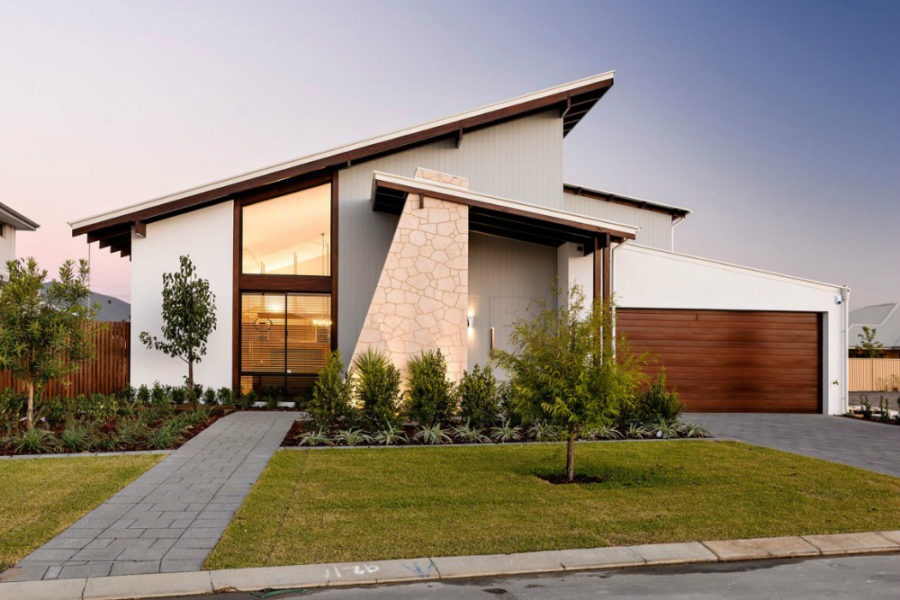
A home can feel expansive without becoming impersonal. The most inviting open interiors balance crisp architecture with tactile materials, flexible boundaries, and small rituals that help people settle in. Think warm timber, filtered daylight, comfortable outdoor corners, and storage that quietly keeps daily life in order.
This guide translates those ideas into practical lifestyle moves for apartments and houses alike. Each section pairs a design principle with a simple Kitchen Pause recipe, so the home becomes not only more beautiful but also more nourishing and usable from morning through evening.
1. Begin With Contrast, Not Clutter
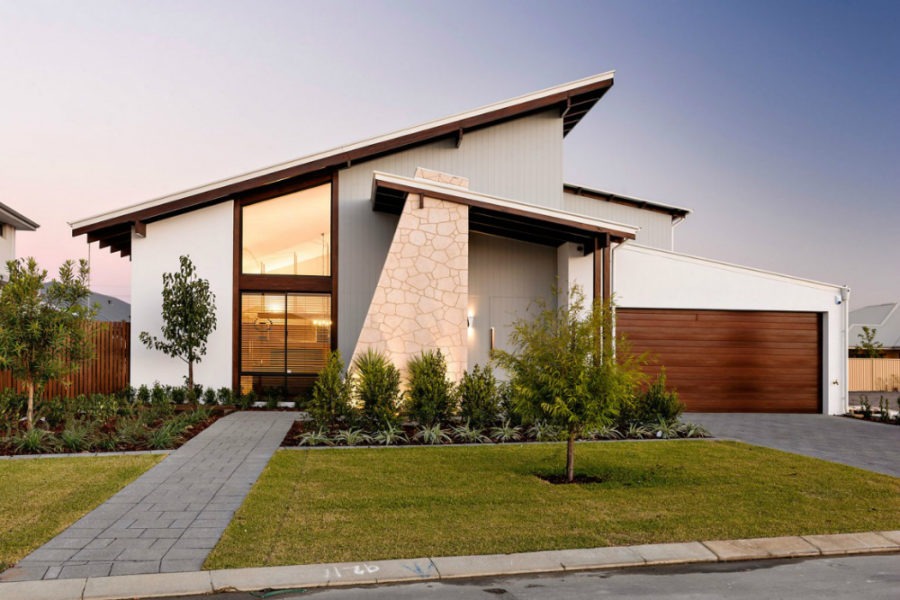
A memorable home often starts with a restrained palette and one or two deliberate contrasts. Pair pale walls with honey-toned wood, a matte surface with a softly reflective one, or a clean-lined cabinet with a woven basket. The goal is not to fill every corner; it is to give the eye a few points of interest and let the architecture breathe. In a smaller room, repeat the same timber or metal finish at least three times so the variation feels intentional rather than scattered. Keep large furnishings simple, then introduce personality through a rug, artwork, or patterned cushion that can change with the season. This approach also makes cleaning easier because surfaces remain visible and accessible. Choose durable, washable textiles in high-use zones, and reserve delicate accents for places away from spills and foot traffic. A home with fewer, better-considered materials tends to feel calmer while still offering plenty to discover.
Kitchen Pause: Apricot Almond Bites
- 1 cup rolled oats
- 1/2 cup almond butter
- 1/3 cup chopped dried apricots
- 2 tablespoons maple syrup
- 1 tablespoon chia seeds
- Pinch of cinnamon
- Stir all ingredients together until a soft mixture forms.
- Chill for 20 minutes, then roll into small balls.
- Refrigerate in a sealed container and serve with tea.
2. Let One Room Do Several Jobs
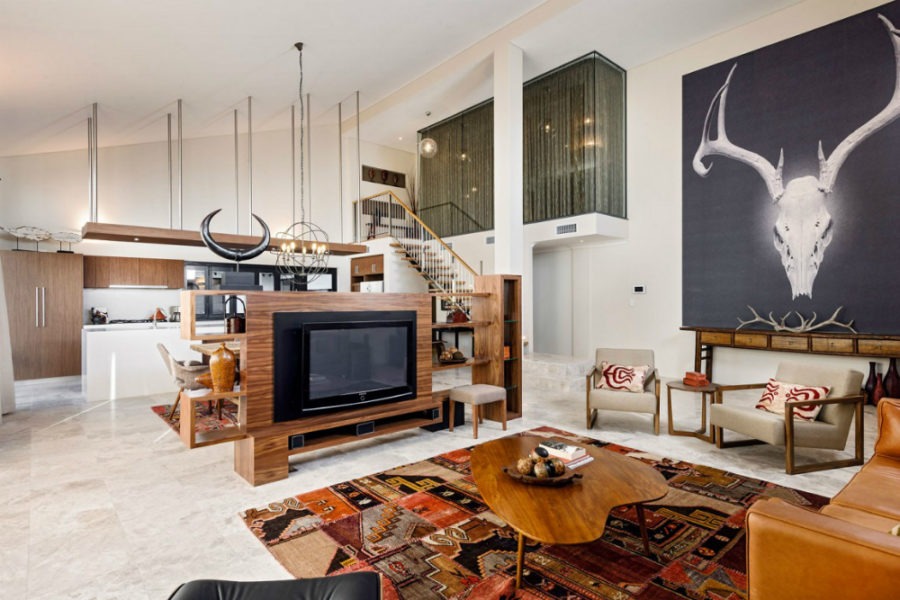
Open planning works best when each activity has a recognizable home. A sofa can face the social center while a low bookcase marks the edge of a reading spot; a dining table can sit between kitchen and lounge areas and become a place for homework, folding laundry, or weekend projects. Instead of building heavy divisions, use rugs, pendant lights, changes in ceiling height, or a carefully placed console to signal transitions. Keep pathways generous, especially between the cooking and seating zones, and avoid placing fragile decor where elbows and grocery bags naturally pass. A storage unit with open shelves on one side and closed cupboards on the other can separate functions without blocking light. The same principle applies outdoors: arrange chairs around a small table so the terrace feels like an extension of the living room rather than leftover space. When every zone has a purpose, an open home feels organized even during a busy day. The result is flexibility without visual confusion, and togetherness without forcing every activity into the same posture.
Kitchen Pause: Lemon Herb Chickpea Cups
- 1 can chickpeas, rinsed
- 1 tablespoon olive oil
- 1 tablespoon lemon juice
- 1/4 cup chopped cucumber
- 2 tablespoons parsley
- 4 lettuce leaves
- Salt and pepper
- Toss chickpeas, oil, lemon, cucumber, and parsley in a bowl.
- Season to taste and spoon into lettuce leaves.
- Serve immediately as a crisp midday snack.
3. Use Soft Boundaries to Protect Quiet
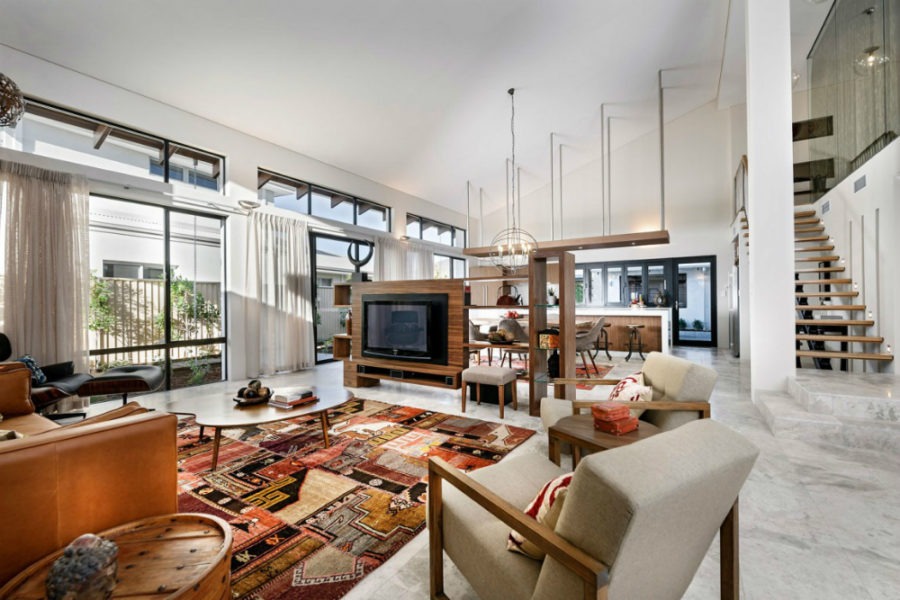
Shared space does not have to mean constant exposure. Lightweight curtains, slatted screens, tall plants, and open-backed shelving can create privacy while preserving daylight and airflow. Place a curtain where a sleeping nook meets the main room, or use a ceiling-mounted track to give a work corner a visual reset at the end of the day. Select a fabric with enough body to soften sound, but keep its color close to the walls so the boundary recedes when open. For a screen, vary solid and open sections so the view is filtered rather than abruptly stopped. Small cues matter too: a floor lamp beside a chair can announce a reading zone, while a tray on a console gives keys and headphones a consistent landing place. These measures help a home support different rhythms—conversation, concentration, rest, and hosting—without requiring a large footprint. Privacy becomes adjustable instead of permanent, which is especially useful in lofts, studios, and family rooms where several people may need different kinds of comfort at once.
Kitchen Pause: Cucumber Mint Yogurt Dip
- 1/2 cup plain Greek yogurt
- 1/3 cup grated cucumber
- 1 tablespoon chopped mint
- 1 teaspoon lemon zest
- 1 teaspoon lemon juice
- Pinch of salt
- Squeeze excess moisture from the cucumber.
- Mix it with yogurt, mint, zest, juice, and salt.
- Chill briefly and serve with sliced vegetables.
4. Make the Kitchen Face the Day
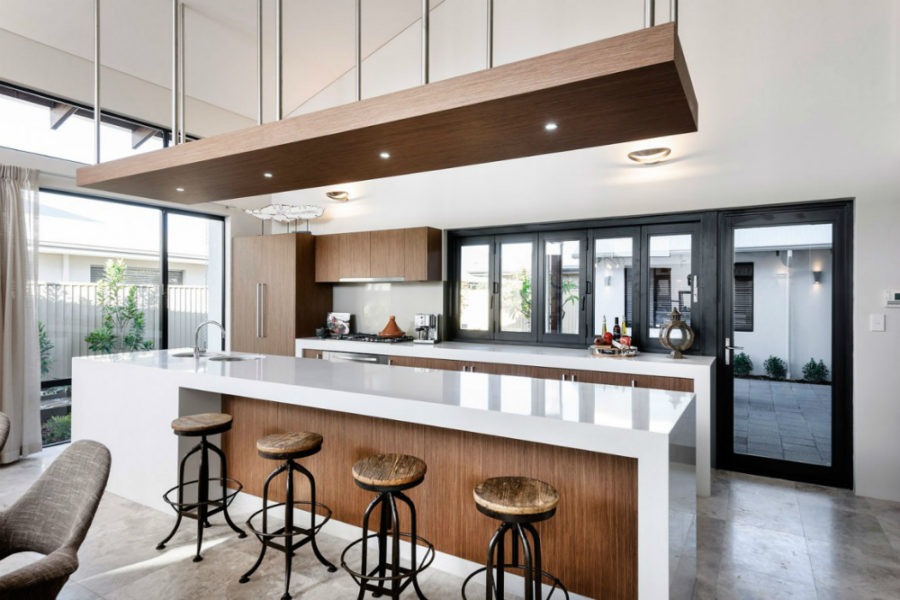
A kitchen feels more generous when it connects visually and practically to the rest of life. If possible, orient the sink or prep surface toward a window, garden, or living area rather than a blank wall. Keep the most frequently used tools within one easy reach, and store occasional appliances behind doors so the counter can remain a calm work surface. A white-and-wood combination is only one option; any light-reflective finish paired with a warm natural tone can create the same sense of balance. Add a small bowl for fruit, a rail for everyday utensils, and a dependable cutting board that can move from counter to table. When weather allows, carry the meal outside with a tray, unbreakable tumblers, and a cloth napkin basket stored near the door. The kitchen then becomes a bridge between indoors and out, not an isolated service room. Good lighting is equally important: combine overhead illumination with under-cabinet or pendant light so food preparation remains comfortable after sunset. These modest adjustments make cooking feel more social and reduce the friction that turns simple meals into chores.
Kitchen Pause: Tomato Peach Toasts
- 2 slices whole-grain bread
- 1 small ripe tomato, sliced
- 1/2 peach, thinly sliced
- 2 tablespoons ricotta
- 1 teaspoon olive oil
- Basil leaves
- Black pepper
- Toast the bread until crisp at the edges.
- Spread with ricotta and layer on tomato and peach.
- Finish with oil, basil, and pepper.
5. Turn Storage Into a Quiet Architectural Layer
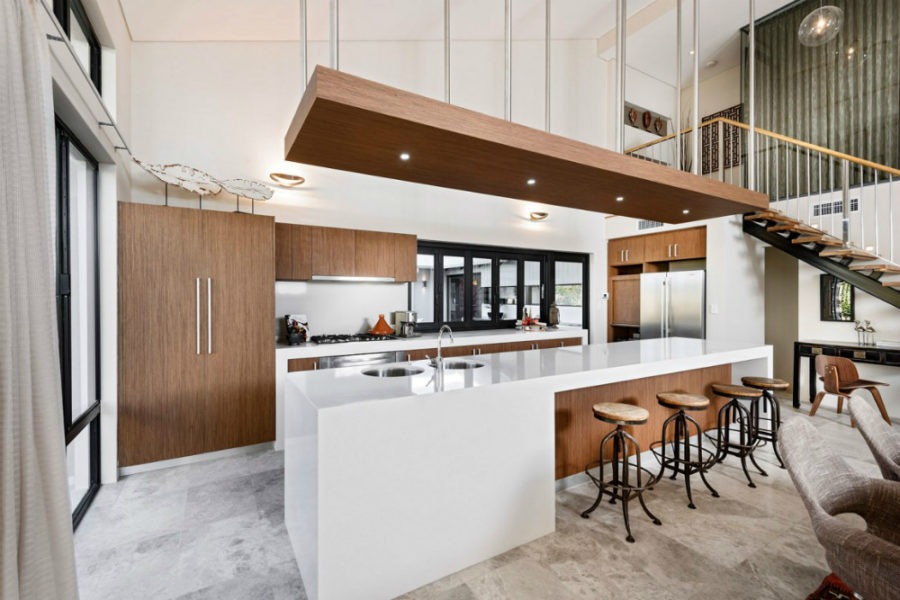
Storage should support the room rather than dominate it. Use low cabinets beneath windows, shallow shelves for books and objects, and tall cupboards for items that need to disappear. A continuous run of cabinetry can visually lengthen a wall, while a freestanding open shelf can create a gentle divider between two activities. Measure the things you actually own before choosing a system: board games, serving platters, linens, and cleaning supplies each need different depths. Add labeled baskets for small categories and leave a little empty capacity so the arrangement can adapt. In entry areas, combine a bench, hooks, and a concealed compartment to prevent bags and shoes from migrating into the living room. Natural wood or a muted paint color helps storage read as part of the interior instead of a collection of boxes. Keep the most attractive objects at eye level, but place practical clutter behind doors. This layered approach protects open sightlines and makes tidying a short reset rather than a major project. The payoff is visual ease: windows stay clear, surfaces remain usable, and the home can host friends without a frantic search for somewhere to put everything.
Kitchen Pause: Pear Walnut Crunch
- 1 ripe pear, diced
- 1/3 cup plain yogurt
- 2 tablespoons chopped walnuts
- 1 tablespoon pumpkin seeds
- 1 teaspoon honey
- Pinch of ground ginger
- Spoon yogurt into a bowl and top with pear.
- Add walnuts, pumpkin seeds, honey, and ginger.
- Serve chilled or at room temperature.
6. Carry the Atmosphere Outside
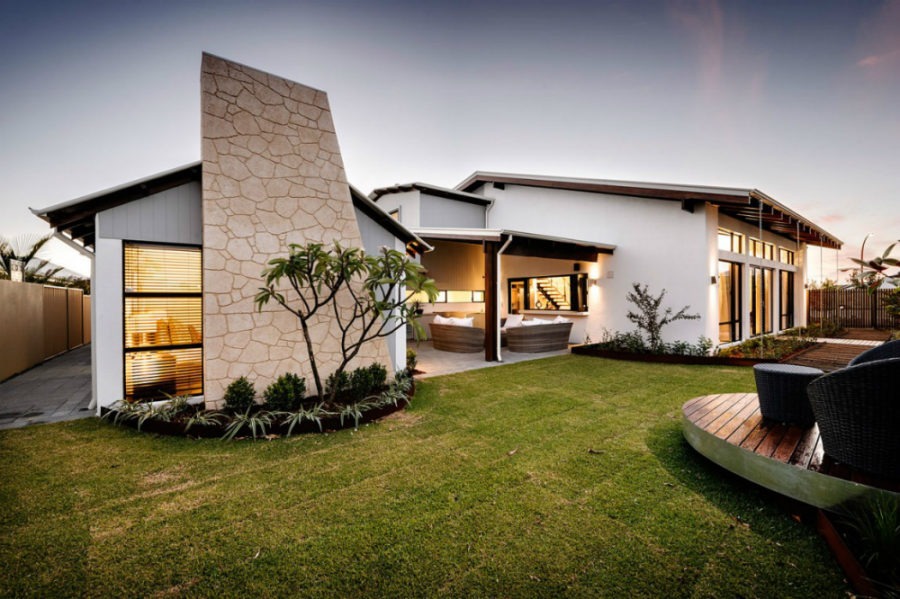
An outdoor area becomes genuinely useful when it receives the same design attention as the interior. Start with shade: an awning, umbrella, pergola, or leafy canopy can extend the hours a terrace is comfortable. Then define the purpose. Two lounge chairs encourage a quiet drink, while a round table supports shared meals and board games. Choose weather-ready materials, but soften them with cushions, a washable rug, lanterns, or a planter filled with herbs. Keep a small outdoor kit nearby—tray, bottle opener, citronella candle, and folded throws—so using the space does not require a supply run through the house. A medium-height screen or layered planting can provide privacy without making the boundary feel closed. At night, use several low lights rather than one harsh fixture, allowing the garden or terrace to feel connected to the rooms behind it. These choices transform the edge of the home into a daily destination, whether for breakfast, an afternoon pause, or a relaxed supper. The most successful outdoor rooms are not elaborate; they are easy to reach, easy to maintain, and ready for ordinary moments.
Kitchen Pause: Rosemary White Bean Salad
- 1 cup cooked white beans
- 1/2 cup halved cherry tomatoes
- 1/4 cup sliced olives
- 1 tablespoon olive oil
- 1 tablespoon lemon juice
- 1 teaspoon chopped rosemary
- Salt and pepper
- Combine beans, tomatoes, olives, and rosemary.
- Whisk oil, lemon, salt, and pepper together.
- Toss with the salad and rest for five minutes before serving.
Final Thoughts
The most livable open homes are not defined by a single look. They succeed because materials, boundaries, storage, light, and outdoor connections work together to make everyday actions feel natural. Start with one room, make one circulation problem easier, and let the improvements build gradually.
As you refine the space, keep room for pleasure: a favorite snack on the table, a chair in the evening breeze, or a curtain that turns a busy room into a quiet retreat. Design becomes meaningful when it supports the way you actually live.