Small-Space Style That Makes Everyday Living Feel Effortless
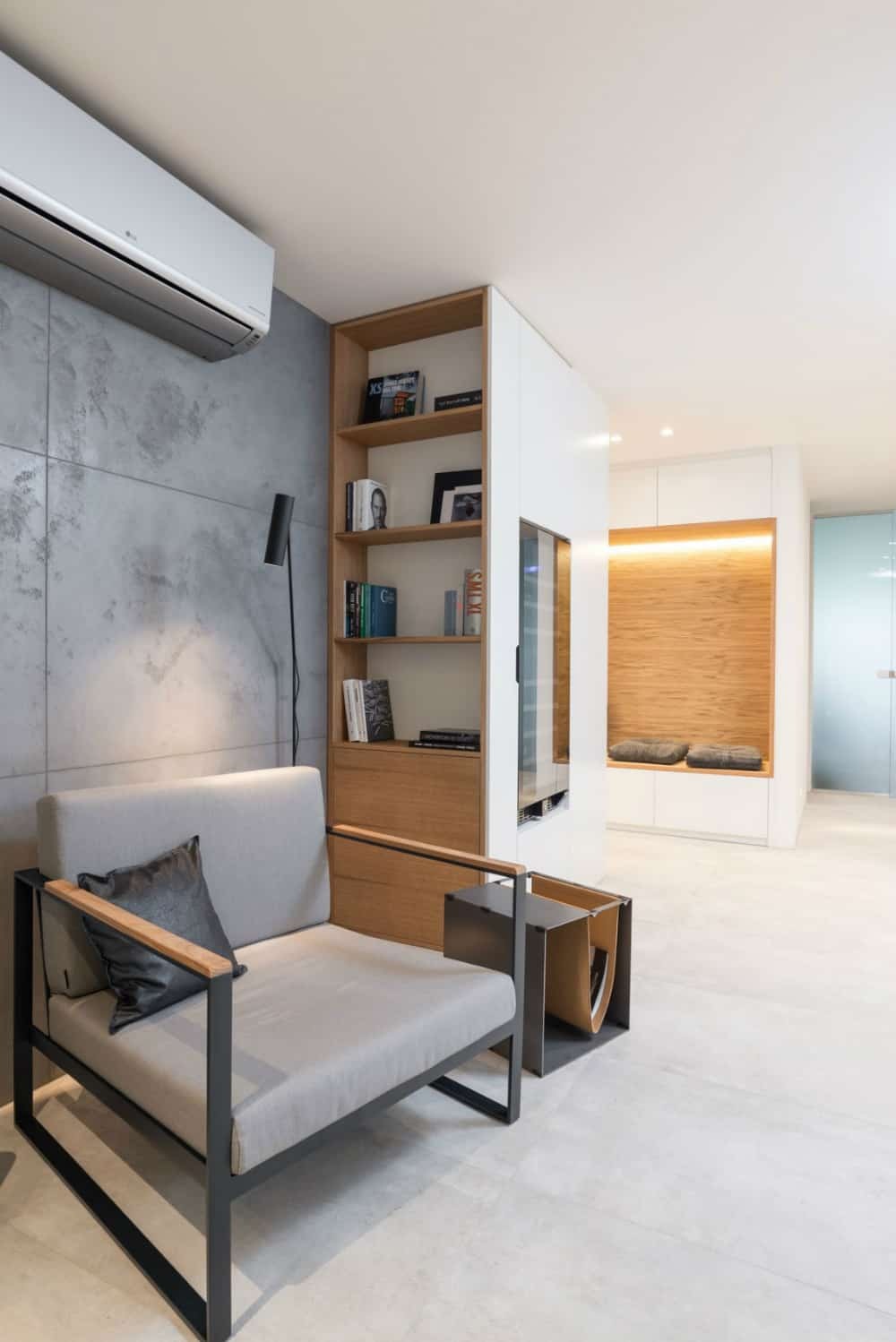
A compact home can feel generous when every zone has a job and every visual choice earns its place. The most inviting small interiors do not depend on excess square footage; they rely on clear circulation, useful storage, warm materials, and a few repeatable routines that make daily life easier.
This approach is especially helpful for anyone balancing cooking, working, relaxing, and hosting in one connected room. By treating furniture as gentle boundaries rather than rigid barriers, you can create an apartment that feels composed without becoming precious. The ideas below translate a refined urban interior into practical habits, with a simple Kitchen Pause recipe for each setting so the home supports both good design and good nourishment.
1. Let One Room Carry Several Rhythms
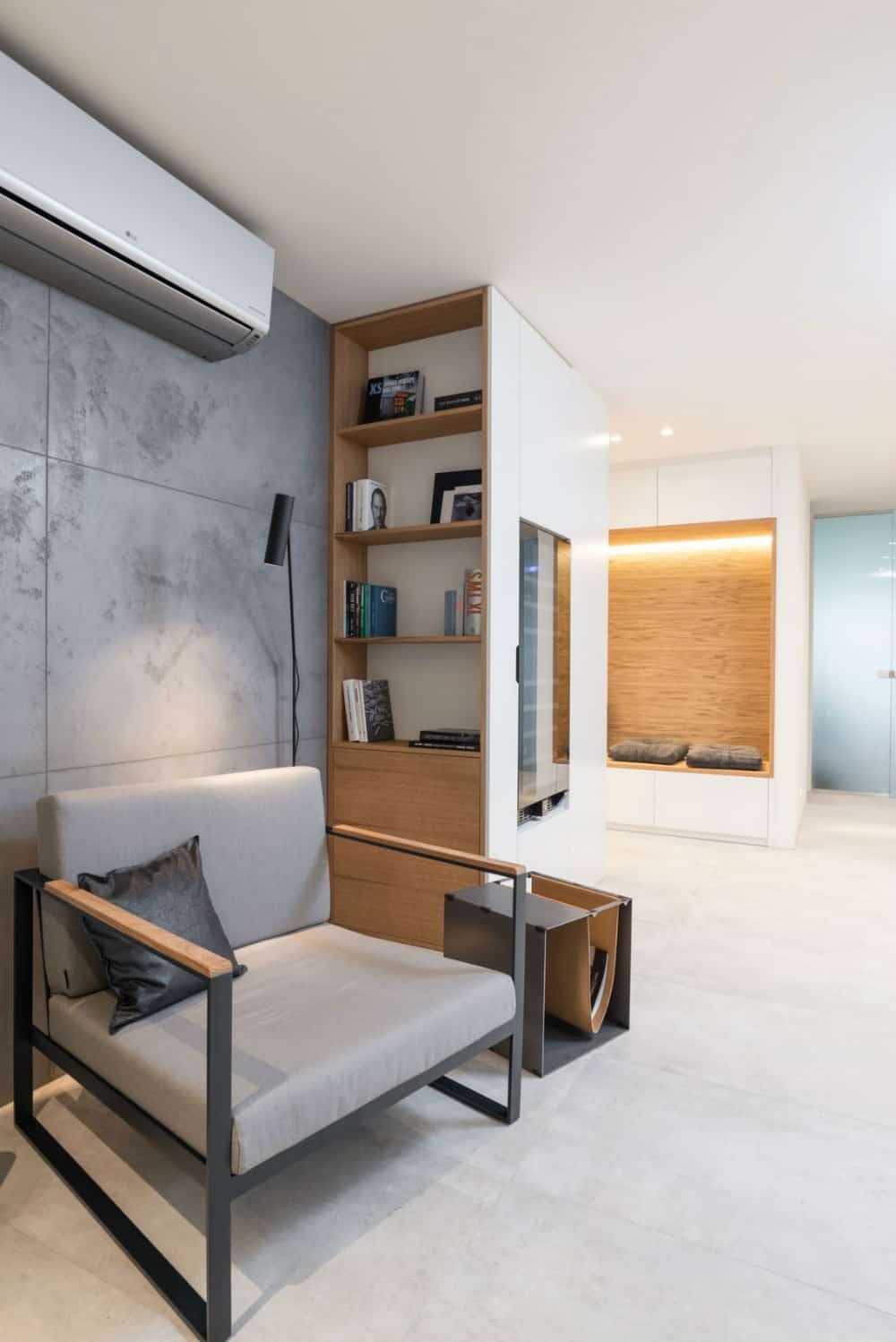
An open room becomes more comfortable when its activities are arranged in recognizable pockets. Instead of pushing every piece against the walls, identify where you cook, eat, focus, read, and rest, then orient furniture to make those transitions intuitive. A sofa can face a media wall while still leaving a direct path to the kitchen. A narrow table can become a breakfast spot in the morning and a laptop station later. The goal is not to make each use look separate; it is to help the eye understand the room at a glance.
Keep the central walkway as clear as possible, and use a rug, pendant, or change in chair direction to signal a new activity. Choose pieces with more than one role, such as an ottoman that stores blankets or a console that serves as a serving station. This reduces visual noise and makes tidying faster. When the room is asked to host several routines, a short reset between them is valuable: clear the counter, return loose items to one basket, and wipe the table before changing modes today.
Kitchen Pause: Lemon-Herb White Bean Toast
- 1 cup drained cannellini beans
- 2 slices whole-grain bread
- 1 tablespoon olive oil
- 1 teaspoon lemon zest
- 1 tablespoon lemon juice
- 1 tablespoon chopped parsley
- Pinch of salt and pepper
- Mash beans with oil, lemon zest, juice, parsley, salt, and pepper.
- Toast the bread until crisp at the edges.
- Spoon the bean mixture over toast and serve immediately.
2. Use Open Storage as a Soft Boundary
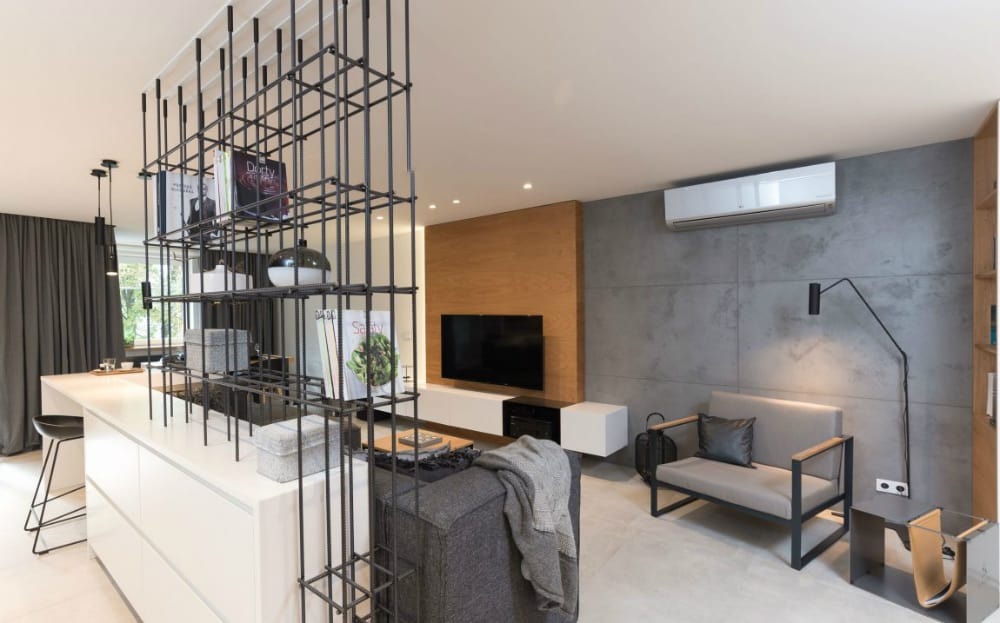
A low or lightly framed shelving unit can divide a kitchen from a living area without sacrificing daylight or conversation. Its best contribution is not simply storage; it is a visual pause that tells you where one routine ends and another begins. Keep the arrangement edited. Stack everyday bowls, place a small plant on one level, and leave some open space so the structure feels airy rather than crowded. Items that are beautiful and frequently used belong in reach; everything else should move into closed cabinets or a nearby cupboard.
For a more peaceful result, repeat two or three finishes across the shelves instead of displaying every color in the room. Matching baskets can corral tea, napkins, or remote controls, while a slim tray keeps small objects from spreading. Dusting is easier when shelves are not overloaded, so treat open storage as a rotating display rather than a permanent archive. If children or pets share the home, reserve lower levels for sturdy, non-breakable items.
This strategy also encourages mindful shopping. Before adding another decorative object, ask whether it improves a daily ritual, replaces something less useful, or simply fills a gap that could remain open. A little breathing room often makes the whole apartment feel more intentional.
Kitchen Pause: Sesame Cucumber Cups
- 1 large cucumber
- 1/2 cup plain Greek yogurt
- 1 teaspoon toasted sesame oil
- 1 teaspoon rice vinegar
- 1 tablespoon sliced scallions
- 1 teaspoon sesame seeds
- Salt to taste
- Slice cucumber into thick rounds and lightly scoop a shallow center from each.
- Stir yogurt, sesame oil, vinegar, scallions, and salt together.
- Fill the cucumber rounds and finish with sesame seeds.
3. Balance Cool Finishes with Touchable Warmth
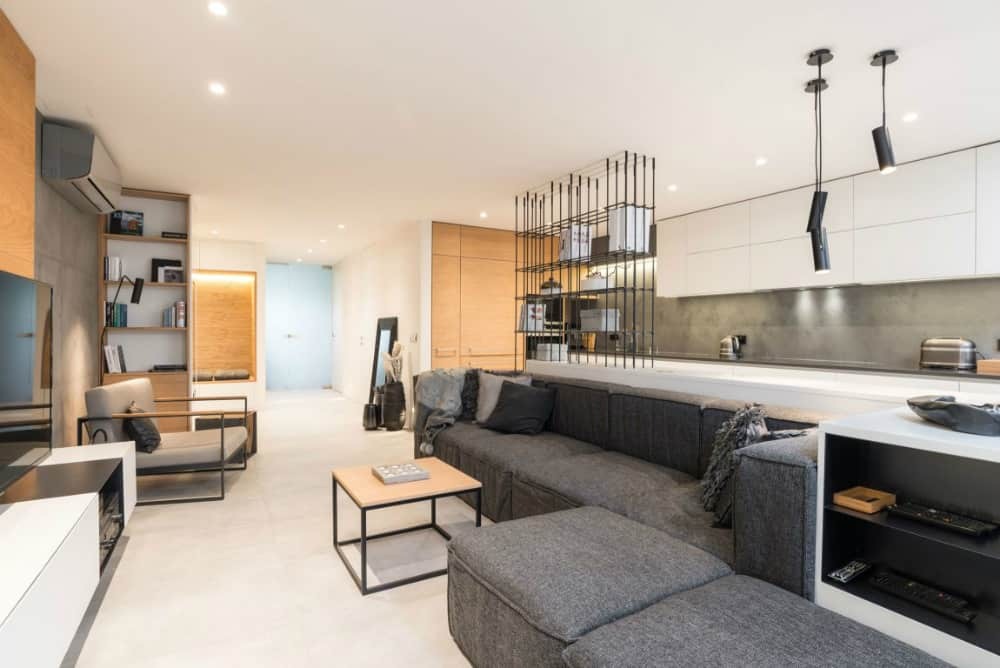
Gray upholstery, black metal, and pale walls can give a room a crisp foundation, but too many hard or cool surfaces may make it feel distant. Warmth does not require a complete makeover. Add it through wood grain, woven fibers, softly rounded forms, and light that lands at several levels. A timber stool, a linen cushion, or a small oak board on the counter can change the emotional temperature of the space while preserving a clean outline.
Think in layers rather than themes. One substantial warm element is usually more convincing than a collection of unrelated accessories. Pair a matte surface with something that catches light, such as a ceramic lamp or brushed metal bowl. Textiles should be useful: a washable runner can protect a high-traffic path, and a wool or cotton throw can make a compact sofa more inviting without adding clutter. Natural textures also help distinguish the home from a showroom because they record use gracefully.
At mealtimes, bring the same principle to the table. Use one wooden serving board, a cloth napkin, or a small bowl of herbs as a tactile focal point. These details make an ordinary meal feel considered, and they can be put away when the room needs to return to work or rest mode.
Kitchen Pause: Warm Apple Oat Skillet
- 1 apple, thinly sliced
- 1/2 cup rolled oats
- 1/2 cup milk or oat milk
- 1/2 teaspoon cinnamon
- 1 teaspoon maple syrup
- 1 tablespoon chopped walnuts
- Pinch of salt
- Simmer apple, milk, cinnamon, maple syrup, and salt in a small skillet for 4 minutes.
- Stir in oats and cook until creamy, about 3 minutes.
- Top with walnuts and eat warm.
4. Make the Kitchen Work Beyond Cooking
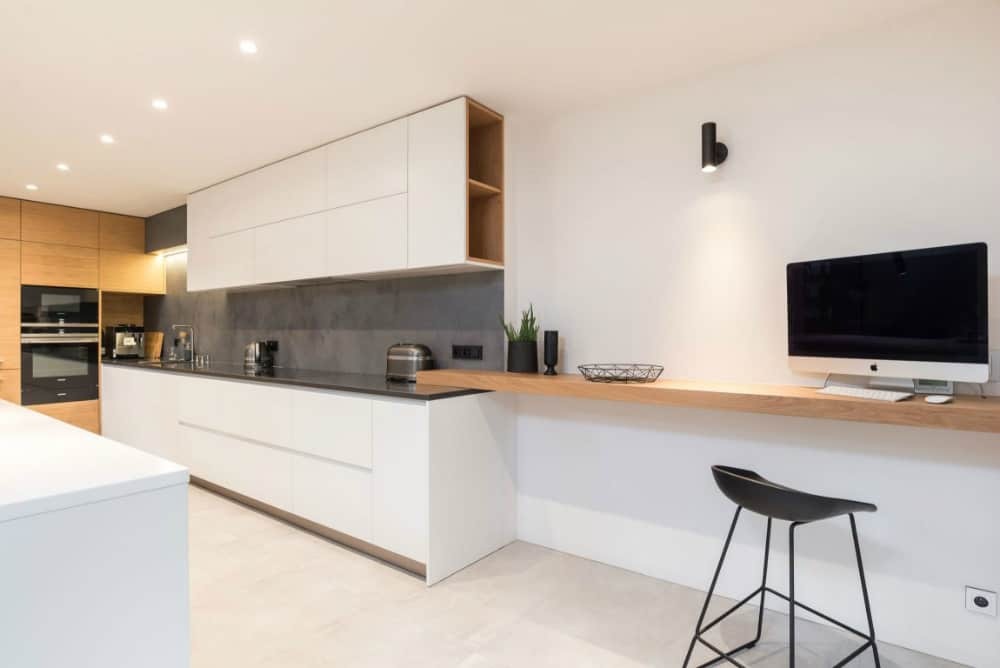
A kitchen counter can support much more than chopping and serving. With a comfortable stool, reliable task light, and a clear landing area, it can become a useful micro-office, homework station, or place to plan the week. The important distinction is between a flexible surface and a permanently occupied one. Store chargers in a nearby box, keep a slim notebook within reach, and choose a seat that can slide away when dinner begins.
Create a boundary for work with a small mat, lamp, or desk organizer rather than a bulky partition. At the end of the day, close the notebook, coil the cable, and return the counter to food preparation. This simple closing ritual protects the psychological difference between work and home, particularly when the apartment has no separate office. If you share the space, agree on a signal for quiet focus and keep the most distracting appliances away from the working edge.
The same counter can also improve meal planning. Leave a small section available for washing produce, assembling lunch containers, or setting out tomorrow’s breakfast. When healthy choices are visible and convenient, they are more likely to become automatic. A well-designed surface is therefore both a piece of furniture and a prompt for better routines.
Kitchen Pause: Five-Minute Chickpea Desk Salad
- 1 cup chickpeas, drained
- 1/2 cup cherry tomatoes, halved
- 1/2 cucumber, diced
- 1 tablespoon olive oil
- 1 tablespoon lemon juice
- 2 tablespoons crumbled feta
- Black pepper to taste
- Combine chickpeas, tomatoes, cucumber, and feta in a bowl.
- Whisk oil and lemon juice, then pour over the salad.
- Toss, season with pepper, and pack or serve.
5. Design the Entry for a Smoother Return Home
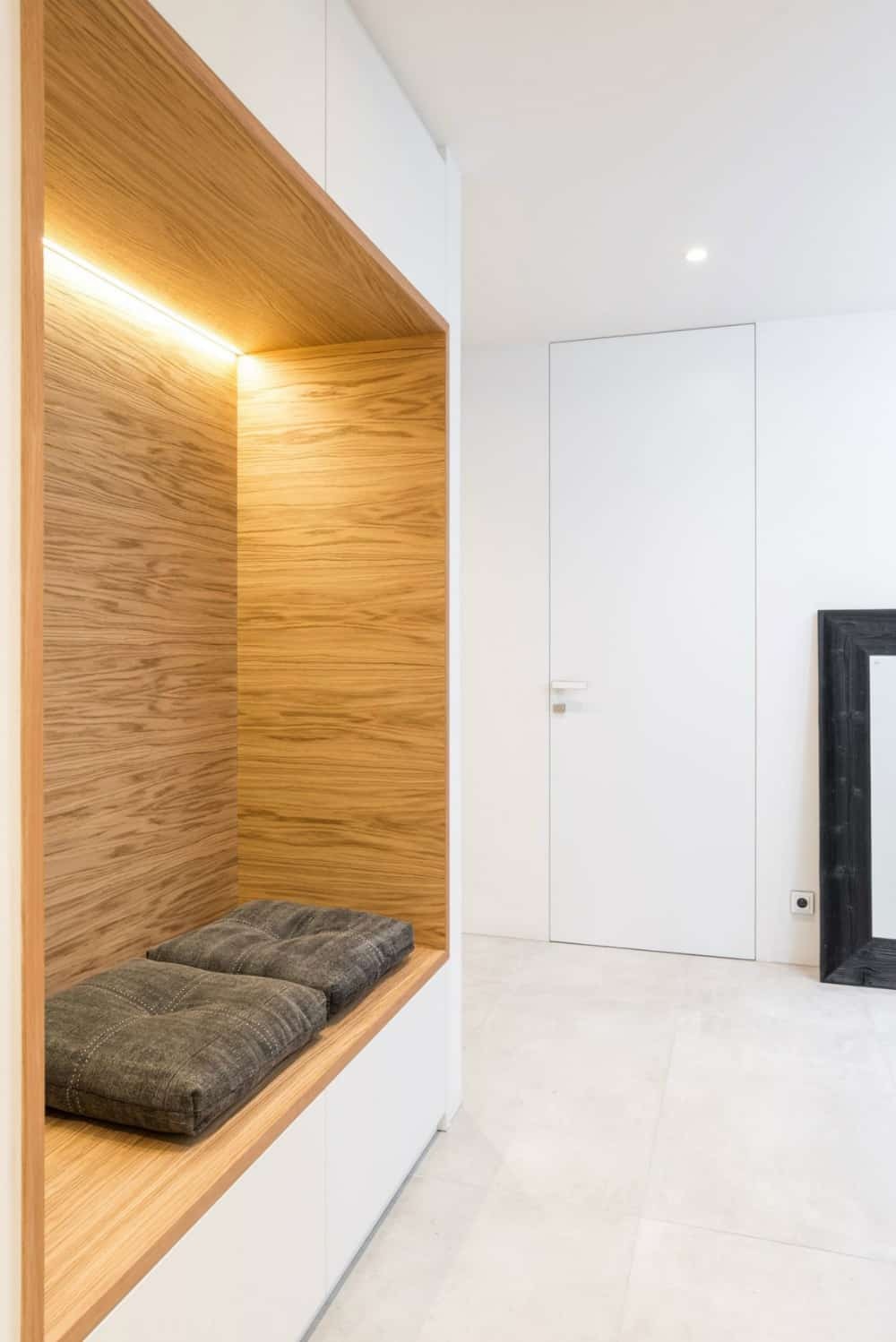
Small homes often feel untidy first at the front door. A narrow arrival zone can solve that problem if it gives every frequent item a landing place. A wall hook for the coat you wear most, a shallow bowl for keys, and a compact seat for removing shoes are enough to create a dependable sequence. The arrangement should be easy to use with one hand and visible before you walk deeper into the apartment.
Choose closed storage for visual calm, but do not hide the tools that make the routine work. A washable basket can hold scarves, reusable shopping bags, or dog gear. If a built-in niche is not possible, a slim bench with drawers offers similar function without consuming much floor area. Keep the top nearly clear so it remains an invitation to pause rather than another drop zone.
A successful entry is also a food-planning advantage. Place your market tote and insulated lunch bag near the exit, and keep a short shopping list on the key tray. On returning, unpack perishable groceries before anything else. That tiny habit connects the threshold to the kitchen and reduces the chance that fresh ingredients disappear into a forgotten bag. Good organization should remove friction, not demand perfection.
Kitchen Pause: Herbed Carrot Hummus
- 2 medium carrots, grated
- 1 cup hummus
- 1 tablespoon lemon juice
- 1 tablespoon chopped dill
- 1 teaspoon olive oil
- 1/4 teaspoon cumin
- Pinch of salt
- Stir grated carrots, hummus, lemon juice, dill, cumin, and salt together.
- Spoon into a serving bowl and drizzle with olive oil.
- Serve with whole-grain crackers or sliced vegetables.
6. Keep the Bedroom Quiet and Deliberate
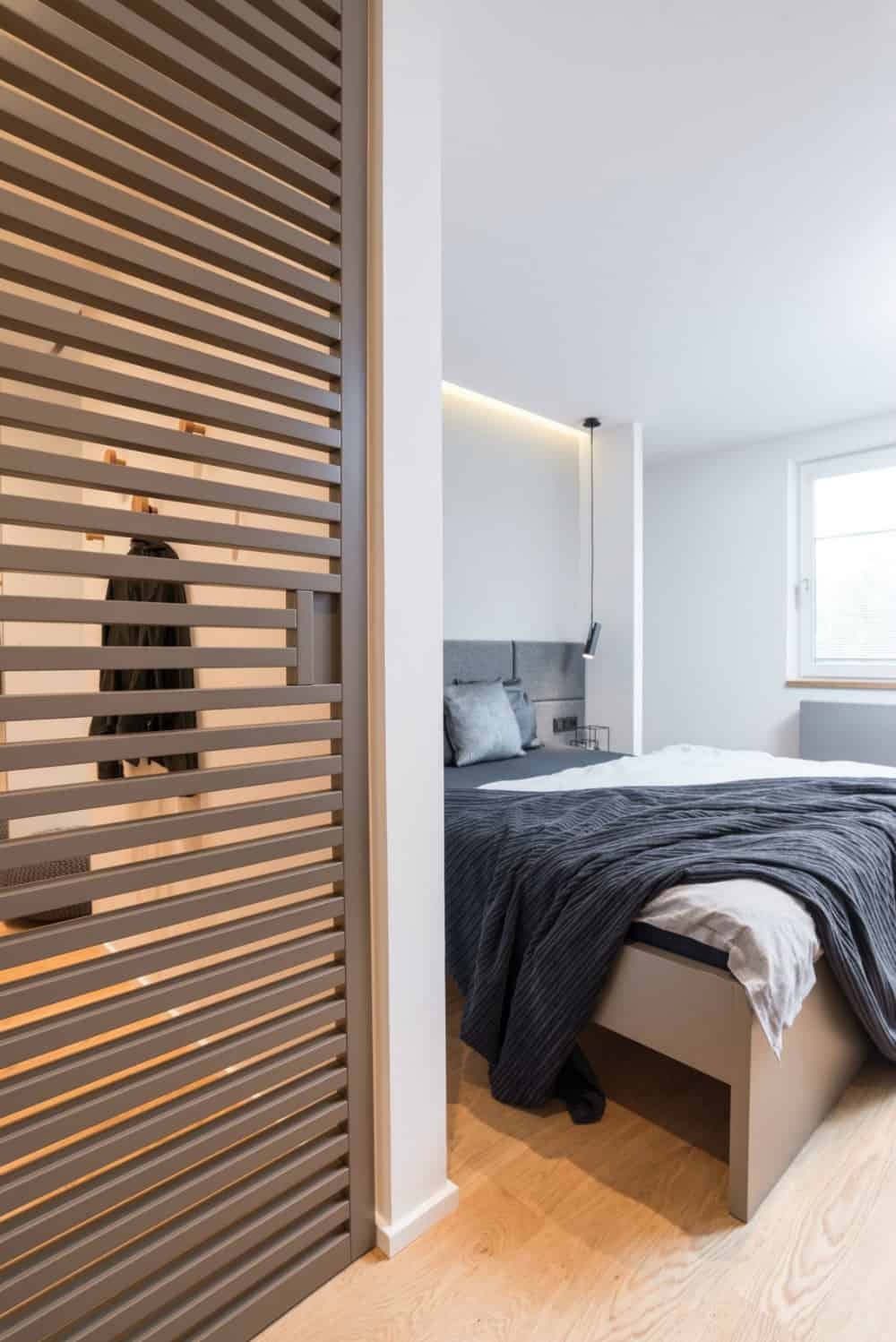
Rest benefits from fewer visual decisions. In a compact bedroom, a calm palette and strong storage plan can make the space feel larger while supporting a better wind-down routine. Start with the bed as the anchor, then limit bedside items to what you actually use: a lamp, a book, water, and perhaps a small dish. A continuous upholstered surface or a simple painted wall can give the bed presence without requiring a collection of art and accessories.
Clothing is the main source of bedroom disorder, so make the closet easy to maintain. Group garments by purpose, keep a small hamper close to the dressing area, and use matching slim hangers where possible. Store seasonal items higher or farther back, and leave a little empty capacity for laundry day. The aim is not a magazine-perfect closet; it is a system that can be restored in a few minutes.
End the evening by preparing the next morning’s clothes and clearing the floor. If you enjoy a snack before bed, choose something modest and keep it consistent, such as fruit with yogurt or warm milk with cinnamon. A repeatable option reduces decision fatigue and lets the bedroom remain associated with rest rather than unfinished tasks.
Kitchen Pause: Cinnamon Pear Yogurt
- 1 ripe pear, diced
- 3/4 cup plain yogurt
- 1 tablespoon pumpkin seeds
- 1/4 teaspoon cinnamon
- 1 teaspoon honey
- 1 tablespoon rolled oats
- Spoon yogurt into a bowl and top with diced pear.
- Add pumpkin seeds, oats, and cinnamon.
- Drizzle with honey and serve chilled.
Final Thoughts
A thoughtfully arranged apartment does not ask you to choose between beauty and practicality. It uses proportion, texture, and flexible furniture to make ordinary actions—cooking, working, resting, and leaving for the day—feel more natural. The most valuable improvements are often small: a clearer counter, a better basket, a warmer surface, or a five-minute reset.
Begin with one friction point and change only what supports the routine around it. Over time, those modest decisions can turn a compact home into a place that feels spacious in the ways that matter most: easy to move through, pleasant to care for, and ready for the next good meal.
