Warm Modern Living: Six Ways to Make Character Work Harder at Home
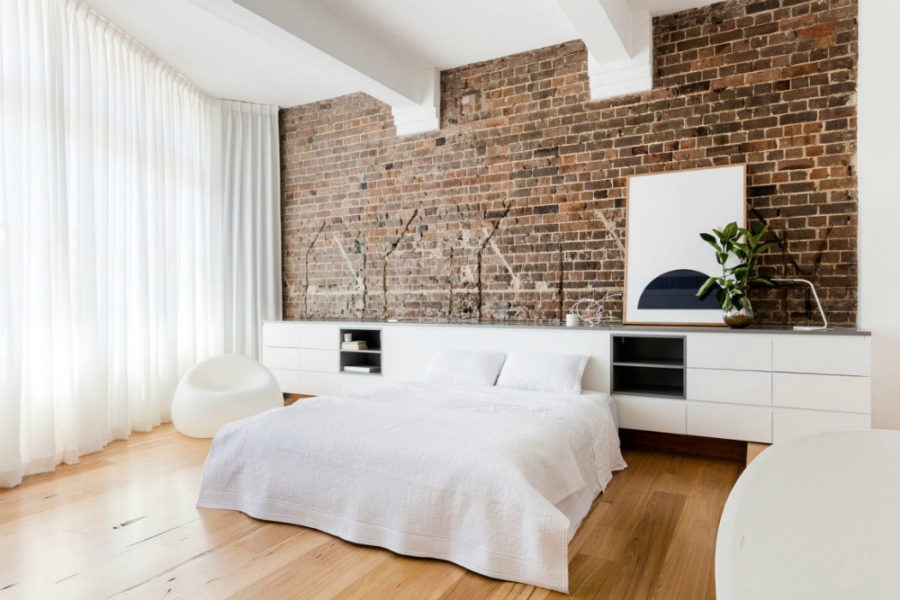
A home with history does not have to feel frozen in the past. The most inviting rooms let timeworn materials, generous daylight, and contemporary routines share the same conversation. A little visual tension—rough beside smooth, pale beside richly toned, open beside tucked away—can make an ordinary floor plan feel personal without filling it with clutter.
The ideas below turn that balance into practical habits for everyday living. They focus on adaptable zones, useful storage, calm transitions, and small sensory comforts that make a home easier to cook in, gather in, rest in, and reset at the end of the day. Each section closes with a simple Kitchen Pause recipe designed for an unhurried moment at home.
1. Let One Honest Surface Lead the Room
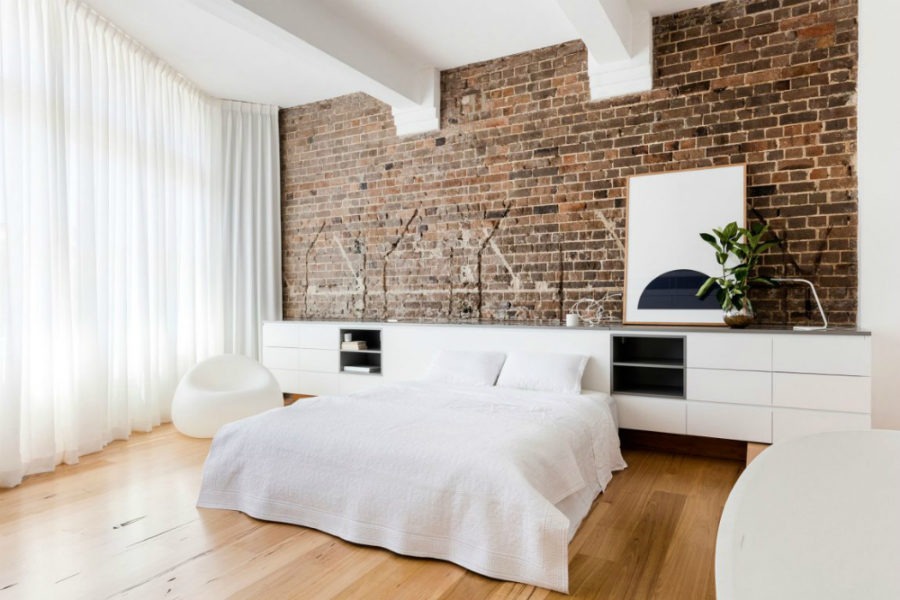
Begin with the material that already has the most personality. It might be aged masonry, a timber beam, a terrazzo floor, or simply a wall with an appealing irregularity. Instead of competing with it, give that surface breathing room: use a restrained paint color nearby, keep the furniture outline simple, and repeat one related tone in textiles or ceramics. The result feels collected rather than themed.
A strong backdrop also helps daily decisions. Place the sofa, dining table, or reading chair where the texture can be enjoyed without becoming a visual obstacle. If the surface is dusty or fragile, use a soft brush and a low-sheen finish on adjacent walls; avoid hanging every available object on it. Warmth can come from a wool throw, woven basket, or wooden tray, while greenery supplies a softer counterpoint.
Kitchen Pause: Apple-Cinnamon Oat Mug
- 1/2 cup rolled oats
- 1/2 cup milk or oat milk
- 1/2 small apple, diced
- 1/2 teaspoon cinnamon
- 1 teaspoon maple syrup
- Pinch of salt
- Stir oats, milk, apple, cinnamon, and salt in a microwave-safe mug.
- Microwave for 90 seconds, stir, then heat 30–45 seconds more.
- Finish with maple syrup and let stand for two minutes before eating.
2. Use Daylight as a Decorating Tool
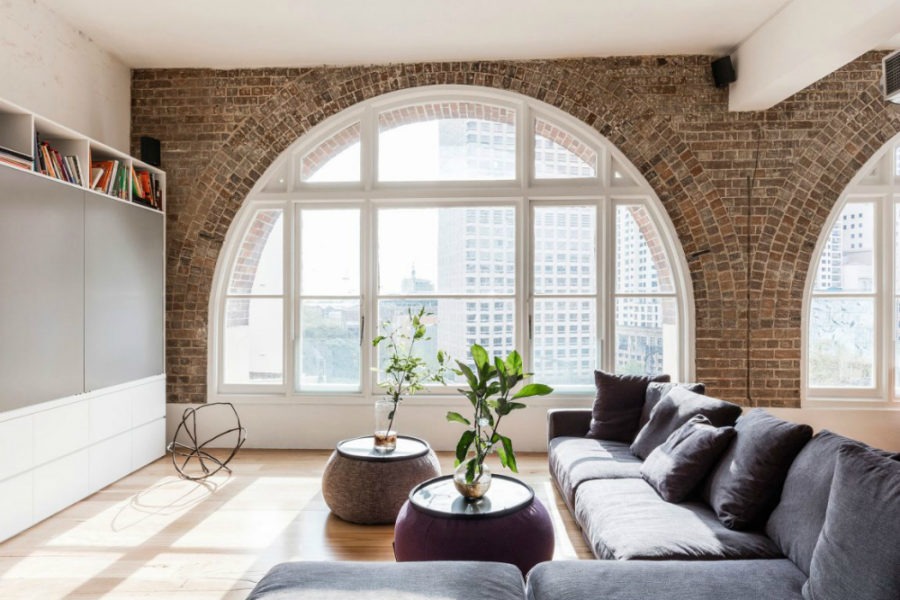
Natural light is free atmosphere, so arrange the room to protect and multiply it. Keep the area beside a large window visually light: choose a low bench, a slim-legged table, or a plant stand rather than a tall cabinet. Pale walls can reflect brightness, while a single deeper accent—an ink-colored cushion or aged-metal lamp—keeps the room from feeling washed out.
Notice how the room changes during the day before buying new curtains or furniture. Morning light may favor a breakfast perch; afternoon glare might call for woven shades; evening needs layered lamps rather than one harsh ceiling fixture. Mirrors work best when they reflect a pleasant view or a bright wall, not a pile of shoes. For a small apartment, place frequently used items in open baskets below the window and reserve the sill for one or two meaningful objects. This preserves the view and makes tidying quick.
Kitchen Pause: Lemon-Herb White Bean Toast
- 1 cup canned cannellini beans, rinsed
- 1 tablespoon olive oil
- 1 teaspoon lemon zest
- 1 tablespoon lemon juice
- 1 tablespoon chopped parsley
- 2 slices whole-grain bread
- Salt and pepper
- Mash beans with oil, zest, juice, parsley, salt, and pepper.
- Toast the bread until crisp at the edges.
- Spoon the bean mixture over toast and add another drizzle of oil.
3. Make Storage Part of the Architecture
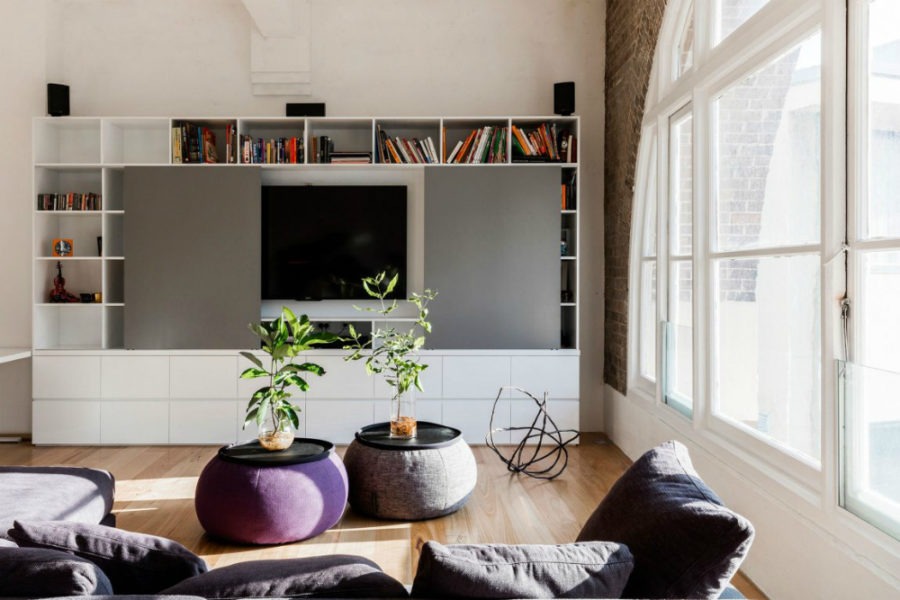
The calmest rooms are not necessarily minimalist; they are rooms where possessions have an obvious landing place. Treat storage as part of the layout instead of an afterthought. A shallow run of cubbies can organize books, baskets, and charging devices, while a built-in headboard can give a bedroom reading lights and bedside space without adding another piece of furniture.
Measure the objects first. A shelf sized for baskets is more useful than a generic ledge, and a narrow drawer near the entry can catch keys without becoming a dumping ground. Label only what helps other household members put things away. In visible compartments, alternate practical containers with a small number of decorative pieces so the wall reads as intentional. Closed doors are valuable for irregular or brightly colored items, especially near a kitchen or work zone.
A weekly five-minute reset keeps the system honest: return stray objects, recycle paper, and move anything that belongs elsewhere. Good storage should shorten that ritual, not create a new maintenance project.
Kitchen Pause: Three-Ingredient Date Bites
- 1 cup pitted soft dates
- 1/2 cup rolled oats
- 1/3 cup smooth peanut or sunflower butter
- Pinch of salt
- Unsweetened coconut, optional
- Pulse dates and oats in a food processor until crumbly.
- Add butter and salt; pulse until the mixture clumps.
- Roll into small balls and coat with coconut if desired.
- Chill for 20 minutes before serving.
4. Design Rooms That Can Change Their Mood
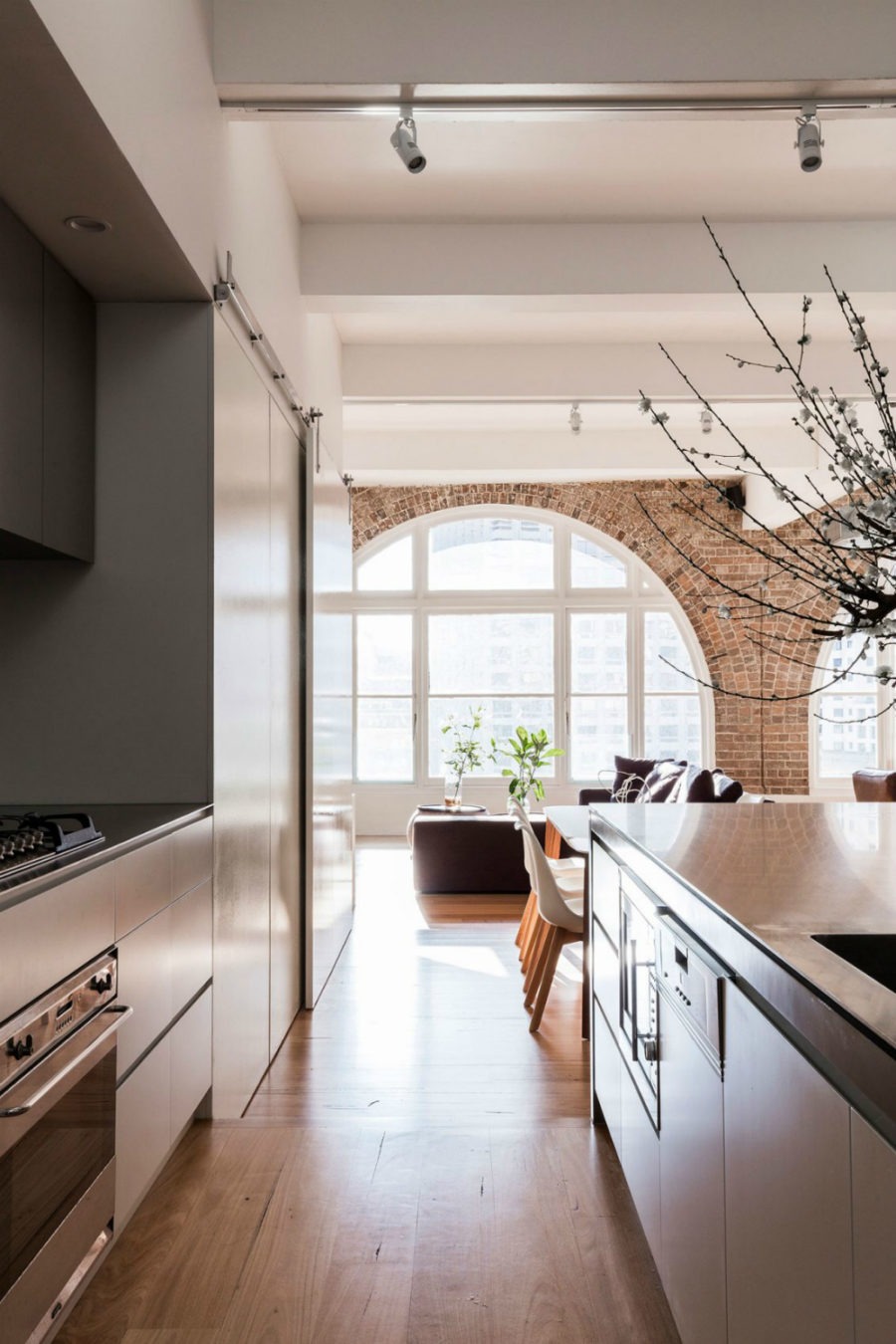
Flexible boundaries are especially useful when one home must host cooking, working, dining, and relaxing. Sliding panels, a curtain, or a freestanding screen can hide visual noise when guests arrive without permanently shrinking the room. Even a bookcase placed perpendicular to a wall can create a gentle threshold between activities while allowing light to pass around it.
Think in layers rather than labels. A dining table can become a place for homework; a compact armchair can move from a bedroom to a sunny corner; a kitchen worktop can serve as a buffet during a gathering. Keep the pieces that support these changes lightweight, and store folding stools or extra linens close to the area where they are used. If a divider is opaque, add a lamp on each side so neither zone feels like a back room.
The best multipurpose rooms still need moments of visual rest. Leave one surface clear, hide small appliances after use, and use a tray to group objects that need to move together. That simple discipline makes transformation feel easy rather than theatrical.
Kitchen Pause: Five-Minute Chickpea Salad Cups
- 1 cup chickpeas, rinsed
- 1/4 cucumber, diced
- 1 tablespoon plain yogurt
- 1 teaspoon lemon juice
- 1 tablespoon chopped dill
- 4 lettuce leaves
- Salt and pepper
- Toss chickpeas, cucumber, yogurt, lemon, dill, salt, and pepper.
- Taste and add more lemon if the mixture needs lift.
- Spoon into lettuce leaves and serve immediately.
5. Give Everyday Arrivals a Proper Welcome
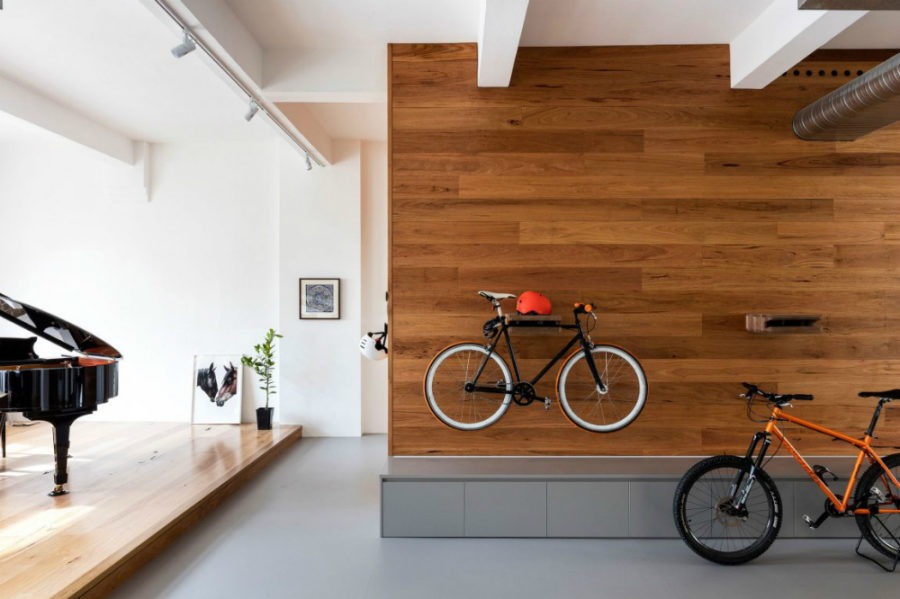
A thoughtful entrance can change the emotional temperature of the whole home. Start by deciding what actually arrives there: coats, bags, mail, shoes, sports gear, or a bicycle. Assign each category a dedicated home within one short reach. Hooks at shoulder height, a bench with room beneath it, and a narrow dish for keys are often more effective than a large cabinet that becomes a catchall.
Use the entrance to introduce the palette and mood of the rooms beyond it. A wood-toned panel, a framed print, or a warm pendant can make the transition feel deliberate, while a durable runner protects the floor and softens footsteps. Keep the path clear enough to carry groceries comfortably. If bikes or scooters must live indoors, use secure wall mounts and place a washable mat below them; the storage then reads as planned equipment rather than visual clutter.
At night, do a two-minute closing routine: hang outerwear, empty the key dish, and move delivery packaging to recycling. This small reset makes the next morning kinder and prevents the threshold from becoming a backlog.
Kitchen Pause: Ginger Pear Sparkler
- 1 ripe pear, thinly sliced
- 1 teaspoon grated fresh ginger
- 1 tablespoon lemon juice
- 1 teaspoon honey
- Ice
- 1 cup sparkling water
- Muddle half the pear with ginger, lemon, and honey in a glass.
- Fill the glass with ice and add sparkling water.
- Stir gently and garnish with the remaining pear slices.
6. Carry the Same Ease Outdoors
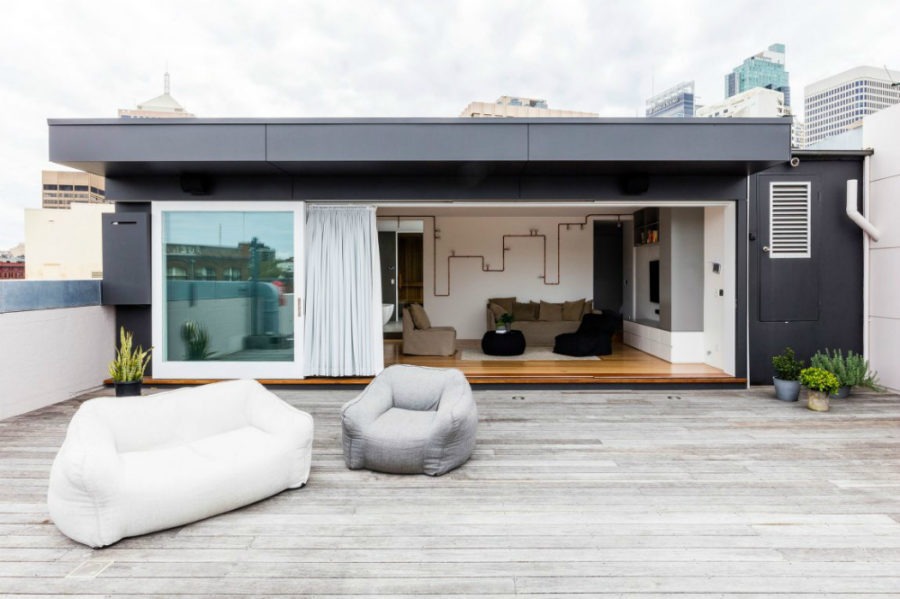
A terrace, balcony, or small outdoor landing can function as an extra room when it is furnished with the same care as the interior. Define a purpose first: morning coffee, herbs, evening conversation, or quiet reading. A compact table and two comfortable seats may be more useful than a crowded collection of planters. Choose weather-friendly pieces, then add softness with a washable cushion or outdoor rug.
Connect inside and out through repetition. Echo an interior wood tone in a planter, carry a favorite green through both spaces, or select an exterior light with a shape that relates to an indoor fixture. Keep plant care realistic by grouping sun lovers separately from shade plants and placing a watering can nearby. A lidded box can hold candles, napkins, and cushions so the area is ready in minutes.
Seasonal editing matters. Remove tired textiles, check drainage, and sweep corners before adding anything new. The goal is not a styled photograph but a dependable retreat that invites you to step away from screens, breathe, and share a small meal.
Kitchen Pause: Rosemary Peach Skewers
- 2 ripe peaches, cut into wedges
- 1/2 cup mozzarella pearls
- 1 tablespoon olive oil
- 1 teaspoon chopped rosemary
- 1 teaspoon balsamic glaze
- Pinch of salt
- Thread peach wedges and mozzarella onto short skewers.
- Brush lightly with oil and sprinkle with rosemary and salt.
- Grill or pan-sear for two minutes per side.
- Drizzle with balsamic glaze and serve warm.
Final Thoughts
A character-filled home becomes more livable when its beauty is tied to real routines. Let the strongest old surface set the tone, use daylight deliberately, and build storage around the things your household actually carries. Flexible boundaries, welcoming arrivals, and a well-used outdoor corner then make the plan feel generous without demanding more square footage.
The final ingredient is restraint: leave room for the materials, people, and everyday rituals that give a home its identity. When design reduces friction, even a quick Kitchen Pause can feel like part of the architecture of a good day.