A Spacious Home Feels Better When Every Room Works Hard
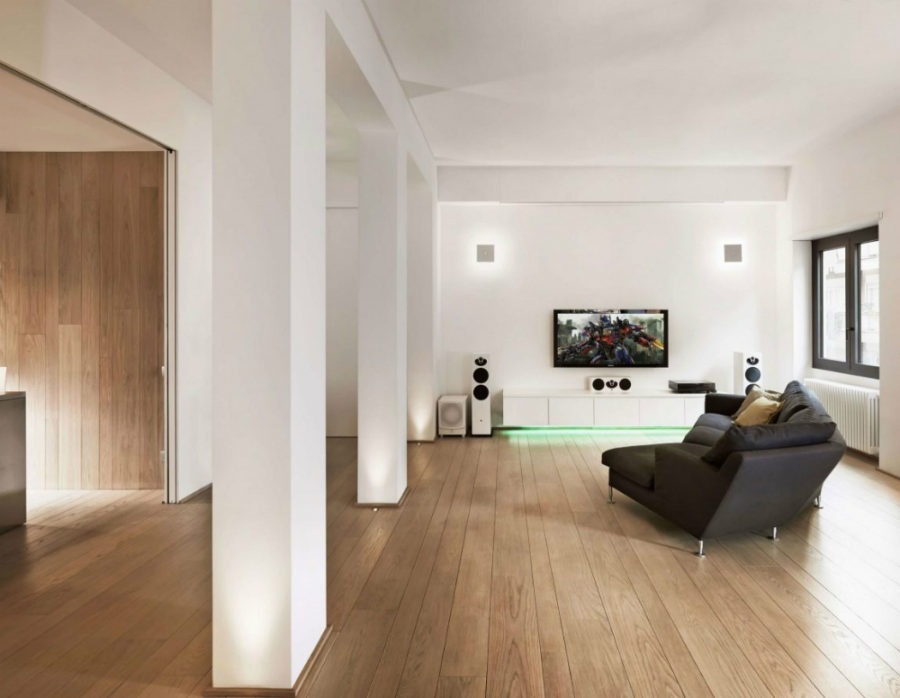
A beautiful home does not have to be oversized to feel generous. The most useful luxury is often a layout that changes with the day: a kitchen that can disappear during dinner, a work corner that welcomes overnight guests, and storage that keeps visual noise out of sight. These ideas turn an apartment into a flexible backdrop for real life rather than a showroom that demands constant tidying.
The design inspiration behind this article pairs restrained furnishings with strong architectural gestures, warm wood, intentional lighting, and carefully separated zones. The practical lesson is simple: preserve openness where connection matters, then add gentle boundaries wherever focus, rest, or mess needs a little privacy. Each section ends with a quick Kitchen Pause recipe designed for the same rhythm—simple ingredients, clear steps, and food that suits an unhurried home.
1. Let the Main Room Breathe
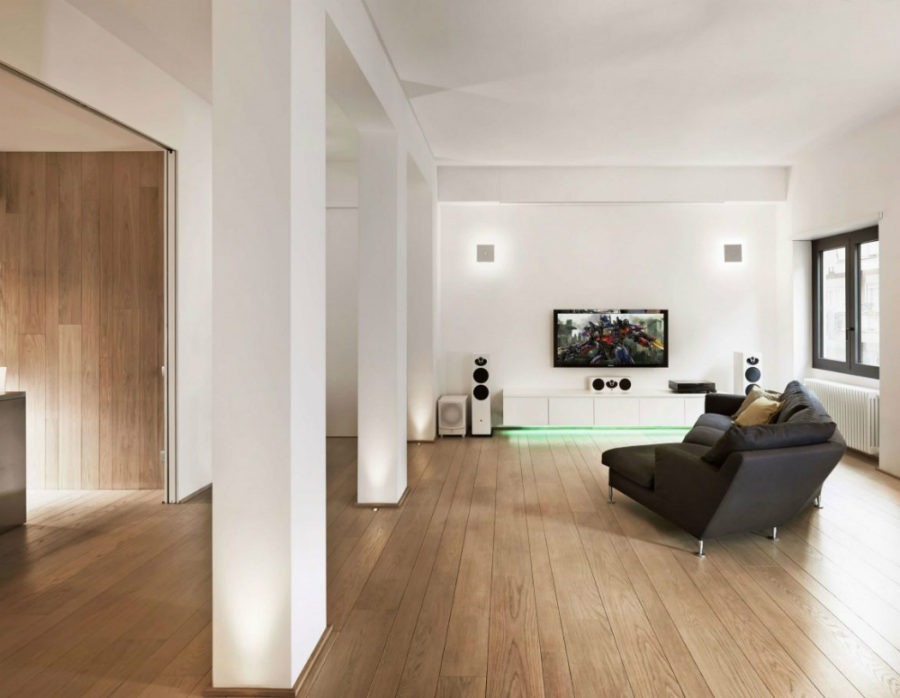
A generous-feeling living room begins with editing, not expensive furniture. Choose one substantial sofa, one comfortable chair, and a table that leaves a clear route between the entry, seating, and kitchen. When every piece has breathing room around it, the eye reads the entire room as connected. A pale floor or softly reflective surface can reinforce that effect, while a restrained palette keeps the architecture in charge.
This does not mean a room should feel empty. Add personality through one oversized artwork, a textured rug, or a plant with a sculptural silhouette rather than a collection of small objects scattered everywhere. Keep frequently used items in a basket or closed cabinet so resetting the room takes minutes. For family life, define the seating area with a rug and use lightweight side tables that can move when guests arrive. The result is a space that feels calm on a weekday and sociable on a weekend. Leave generous floor space for movement. Spaciousness is less about square footage than about preserving visual pathways and giving each object a reason to be there.
Kitchen Pause: Lemon-Garlic White Bean Toasts
- 1 can cannellini beans, drained
- 1 tablespoon olive oil
- 1 small garlic clove, grated
- 1 teaspoon lemon zest
- 1 tablespoon lemon juice
- 4 slices whole-grain bread
- Parsley, salt, and pepper
- Mash beans with oil, garlic, zest, juice, salt, and pepper.
- Toast the bread until crisp at the edges.
- Spoon the beans over toast and finish with parsley.
2. Create Privacy Without Closing In
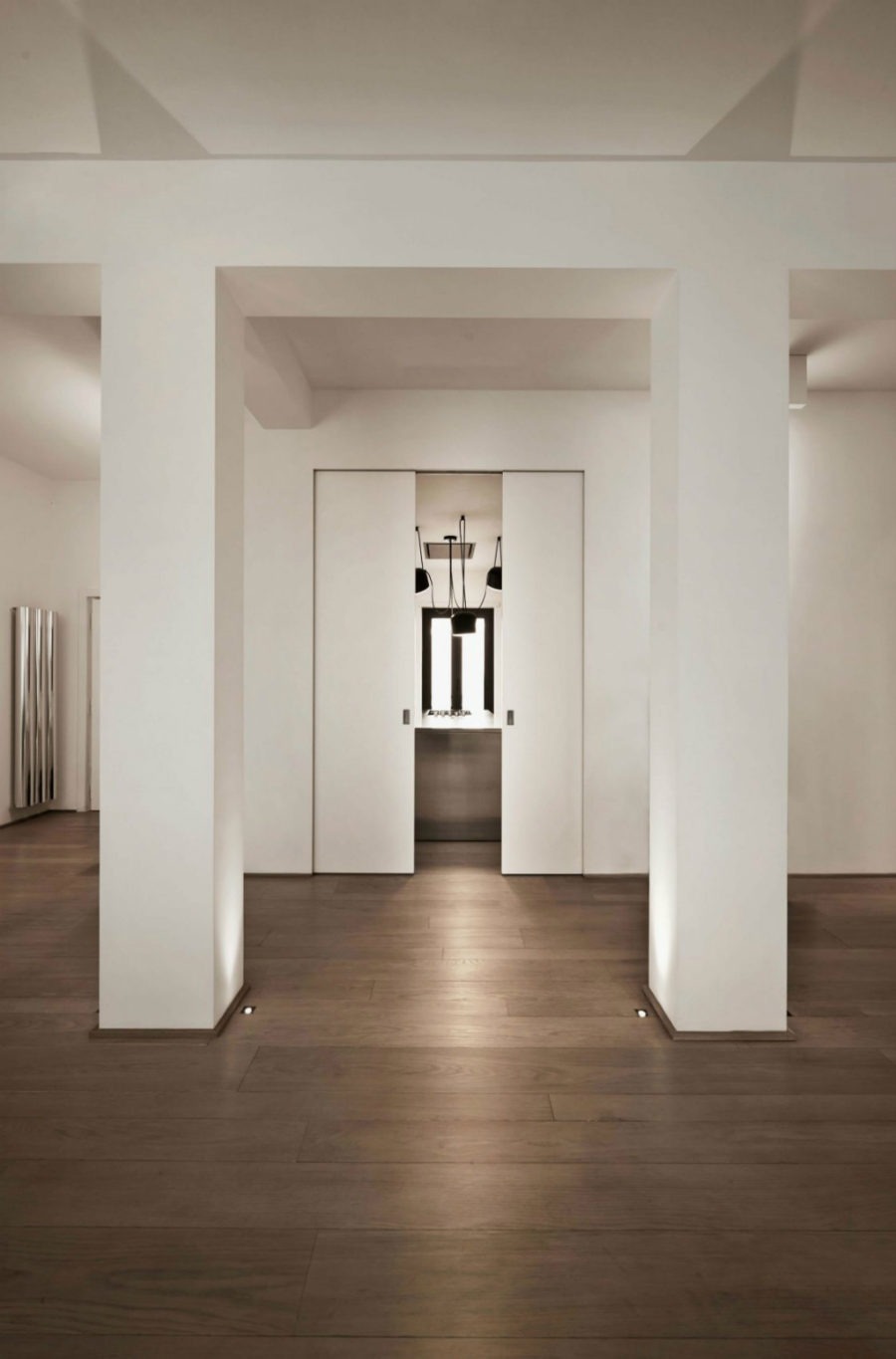
Open-plan living works best when it includes options. Instead of permanently dividing a kitchen from the living area, consider a sliding panel, curtain, folding screen, or tall bookcase that can shift with the occasion. The goal is not to hide daily life but to make it easy to contain cooking clutter when conversation moves to the table. A half-height divider can achieve something similar: it marks a boundary while allowing daylight and voices to travel.
Think about the direction of movement before choosing a partition. It should tuck away without blocking a doorway, interrupting cabinet access, or creating a sharp corner in a busy path. If you rent, a ceiling-mounted textile panel or freestanding screen may offer the most flexibility. Use the private side for a reading chair, homework station, or small lamp so the divider feels intentional rather than improvised. This layered approach gives one room several moods: connected during breakfast, focused during work, and visually composed when friends come over. A home feels more comfortable when its boundaries can respond to people instead of forcing people to adapt to fixed walls.
Kitchen Pause: Cucumber-Mint Yogurt Cups
- 1 cup plain Greek yogurt
- 1 small cucumber, finely diced
- 1 tablespoon chopped mint
- 1 tablespoon lemon juice
- 1 teaspoon olive oil
- Pinch of cumin, salt, and pepper
- Stir yogurt, cucumber, mint, lemon, oil, and seasonings together.
- Chill for 10 minutes so the flavors settle.
- Serve in small cups with toasted pita wedges.
3. Make the Kitchen a Social Workhorse
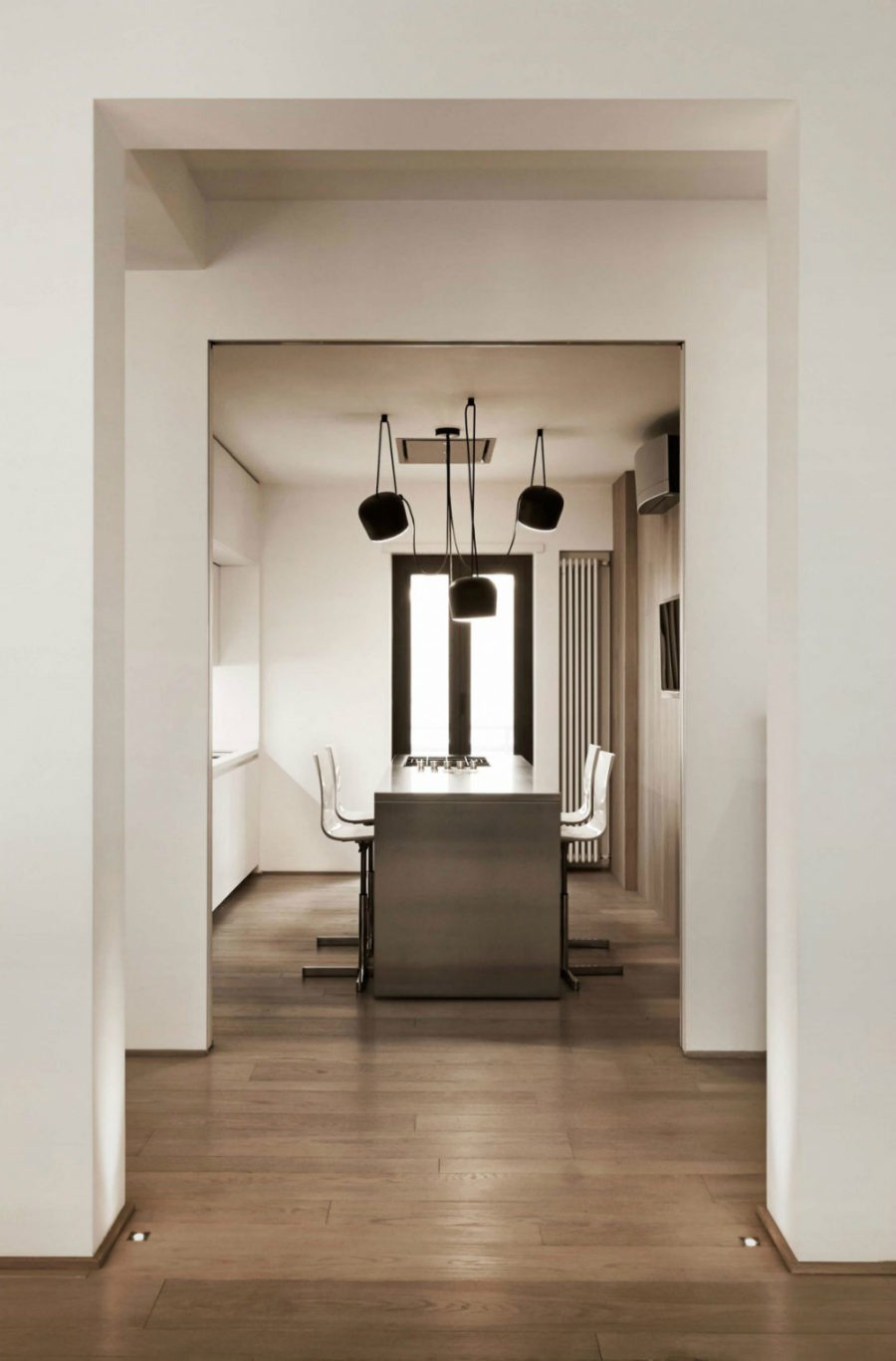
A kitchen island earns its keep when it supports more than food preparation. It can be a breakfast counter, a place to sort groceries, a homework perch, or the landing spot for a tray of drinks. Keep the surface useful by limiting permanent decorations to one board, bowl, or vase. Store serving pieces near the dining area and place everyday tools where the person cooking can reach them without crossing the room.
Lighting makes the island feel purposeful after sunset. Combine a focused fixture above the work surface with softer illumination near the dining table, and use warm bulbs so the kitchen transitions naturally into evening. If a full island is impossible, a narrow peninsula or movable cart can provide the same rhythm. Choose stools with backs if people linger, and leave enough clearance for drawers and passing traffic. The most welcoming kitchens are not necessarily the most elaborate; they are the ones that let several people participate without bumping into one another. Design the zone around real routines—morning coffee, shared chopping, quick lunches—and the room will become a dependable center of the household.
Kitchen Pause: Sheet-Pan Chickpeas and Peppers
- 1 can chickpeas, drained and dried
- 1 red bell pepper, sliced
- 1 zucchini, sliced
- 2 tablespoons olive oil
- 1 teaspoon smoked paprika
- 1 tablespoon lemon juice
- Feta and cilantro, optional
- Heat oven to 425°F and toss chickpeas and vegetables with oil and paprika.
- Roast on a sheet pan for 20–25 minutes, stirring once.
- Finish with lemon juice and feta or cilantro.
4. Use Wood and Light to Warm Minimalism
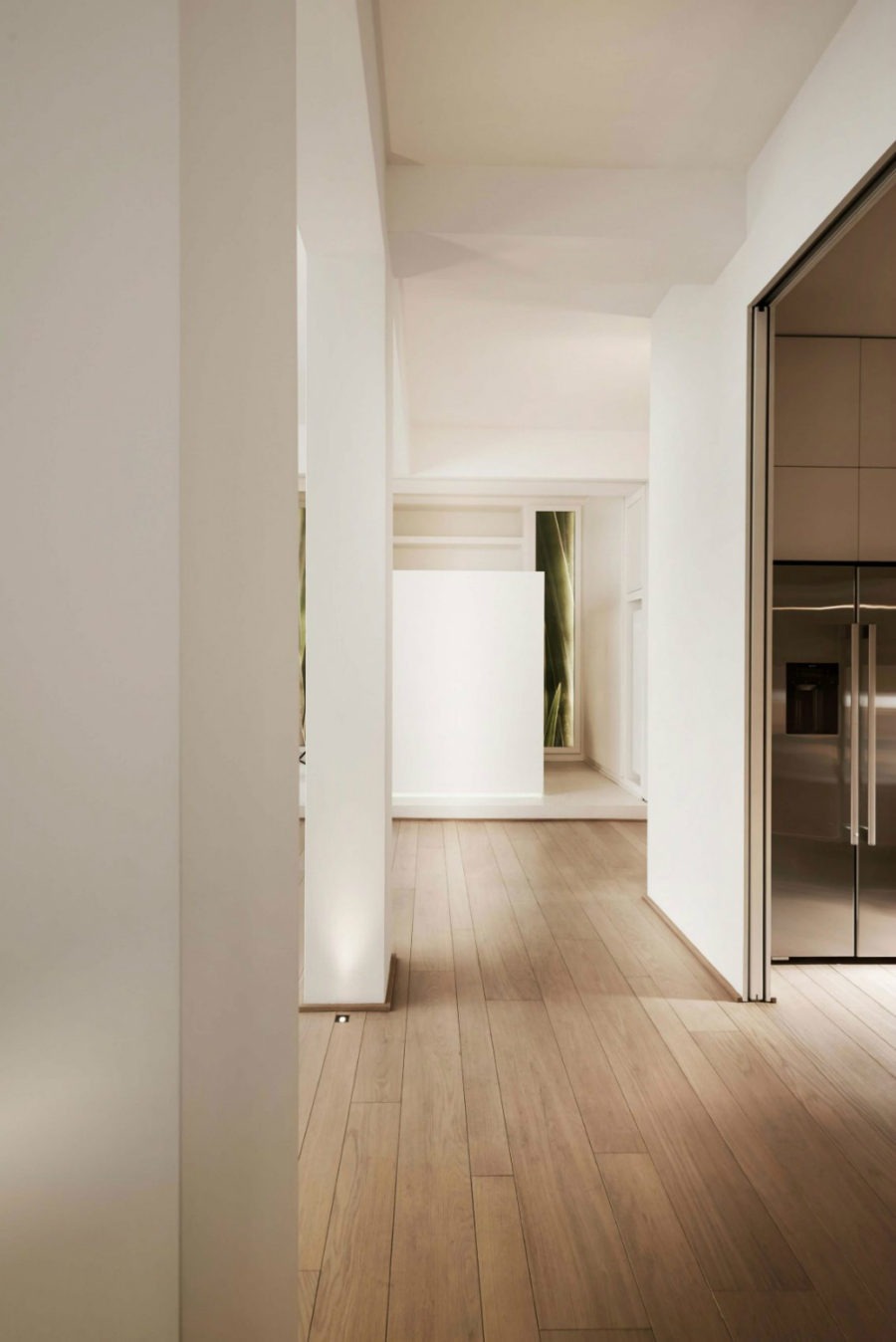
Minimal rooms can become chilly when every surface is hard, pale, or glossy. Wood introduces a visual pause that makes clean lines feel livable. A timber floor, a woven stool, or a simple oak shelf can soften a room without adding clutter. Varying plank widths or natural grain gives the eye quiet detail, so the space feels finished even when furnishings are sparse.
Natural light should guide the placement of the most-used pieces. Put a breakfast table near a window, position a chair where afternoon light reaches it, and avoid filling the brightest wall with tall storage. In darker corners, use layered lamps rather than one intensely bright ceiling fixture. A dimmer, shaded floor lamp, or small picture light can make a room feel adaptable from morning to night. Keep window treatments simple and breathable when privacy allows; they preserve daylight while adding softness. These choices also make housekeeping easier: fewer decorative layers mean fewer things to dust, and durable materials age with character. The broader takeaway is that restraint works when texture, proportion, and light carry the emotional warmth that accessories might otherwise provide.
Kitchen Pause: Warm Apple-Oat Skillet
- 2 apples, thinly sliced
- 1 cup rolled oats
- 1 cup milk or oat milk
- 1 tablespoon maple syrup
- 1 teaspoon cinnamon
- 1 tablespoon chopped walnuts
- Pinch of salt
- Simmer apples with two tablespoons of water, cinnamon, and salt for 5 minutes.
- Add oats, milk, and maple syrup; cook until creamy.
- Divide into bowls and top with walnuts.
5. Turn Forgotten Edges Into Storage
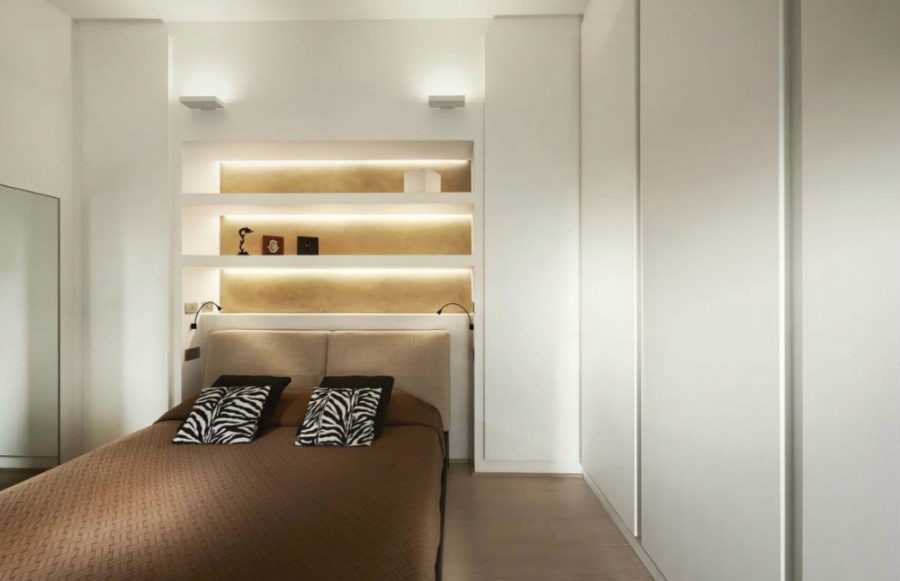
The most peaceful homes usually have a plan for ordinary clutter. Look first at overlooked edges: the wall beside a bed, the space under a desk, the back of a door, or the awkward strip beside a hallway. Built-in shelves, a shallow cabinet, or a bench with a lift-up seat can convert these areas into useful capacity without shrinking the room’s circulation. Closed fronts are especially helpful for chargers, school supplies, linens, and the objects that make a space look busy.
Storage should follow the speed of the routine. Keep daily items between waist and shoulder height, seasonal belongings higher or farther back, and rarely used pieces in labeled containers. In a child’s room, combine accessible bins with a wall-mounted desk or fold-down sleep surface so the room can shift from play to rest. In an adult bedroom, shelving around the headboard can replace bulky nightstands while keeping a book and glass of water close. Before commissioning cabinetry, measure the largest items that need a home and leave a little flexibility for change. The best storage is not merely hidden; it reduces friction. When putting something away is easier than leaving it out, the entire household can maintain order without turning tidying into a second job.
Kitchen Pause: No-Cook Olive and Tomato Salad
- 2 cups cherry tomatoes, halved
- 1 cup cucumber, chopped
- 1/3 cup olives
- 2 tablespoons olive oil
- 1 tablespoon red-wine vinegar
- 1 teaspoon dried oregano
- Crumbled feta, salt, and pepper
- Combine tomatoes, cucumber, olives, and feta in a bowl.
- Whisk oil, vinegar, oregano, salt, and pepper.
- Toss just before serving to keep the vegetables crisp.
6. Design One Room for More Than One Life
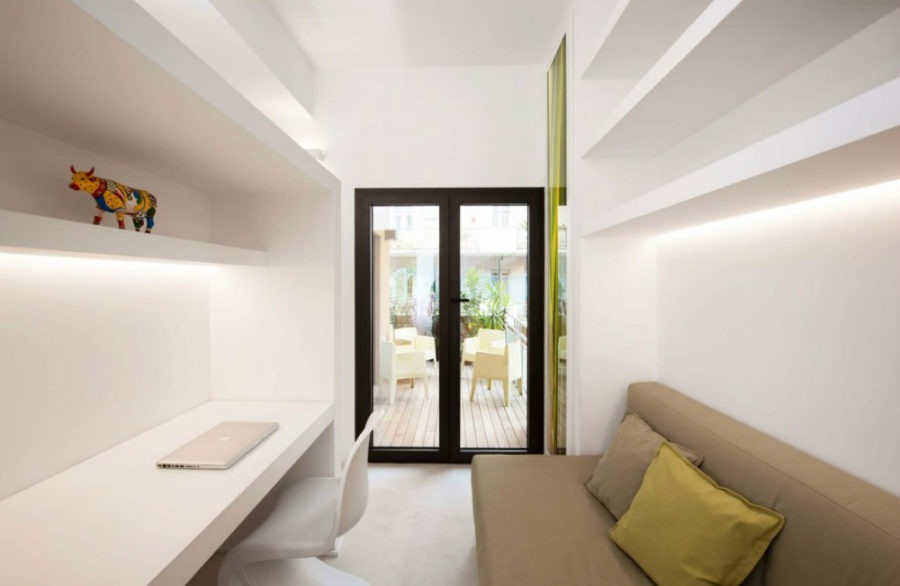
A compact home becomes more generous when a room can change roles without looking temporary. A desk near an outdoor door can serve as a work station by day and a writing or planning nook at night. Add a comfortable sleeper sofa, a wall bed, or a daybed with drawers, and the same room can welcome guests without sacrificing everyday function. The trick is to make every version of the room feel deliberate.
Choose furniture that closes neatly, cords that can be routed out of sight, and a small tray that gathers work materials at the end of the day. Keep guest bedding in the room’s storage so hosting does not require a frantic search through the rest of the apartment. A portable lamp can move from desk to bedside, while a washable cover protects upholstery from daily use. Outdoor access adds another layer: even a narrow terrace or balcony can become a reset button when furnished with one chair and a pot of herbs. Flexible rooms support changing schedules, new hobbies, visiting relatives, and occasional solitude. Rather than assigning every square foot one permanent identity, give each zone a primary purpose and a graceful second act.
Kitchen Pause: Herbed Lentil Picnic Jars
- 1 cup cooked green lentils
- 1 cup chopped cucumber
- 1/2 cup diced roasted pepper
- 2 tablespoons chopped parsley
- 2 tablespoons olive oil
- 1 tablespoon lemon juice
- Salt, pepper, and crumbled goat cheese
- Whisk oil, lemon juice, salt, and pepper in a small bowl.
- Layer dressing, lentils, pepper, cucumber, and parsley in jars.
- Chill, then shake and top with goat cheese before eating.
Final Thoughts
The most lasting design decisions are the ones that make ordinary moments easier. Clear pathways, movable boundaries, generous light, tactile materials, and hidden storage can give a modest apartment the ease of a much larger home. They also create room for hospitality without requiring perfection.
Begin with one daily frustration and solve it physically: add a landing shelf, free a walkway, soften a hard corner, or give a multipurpose room better lighting. Small changes accumulate into a home that feels composed but remains ready for breakfast, work, rest, and company.