A Light-Filled Home That Makes Everyday Living Feel Intentional
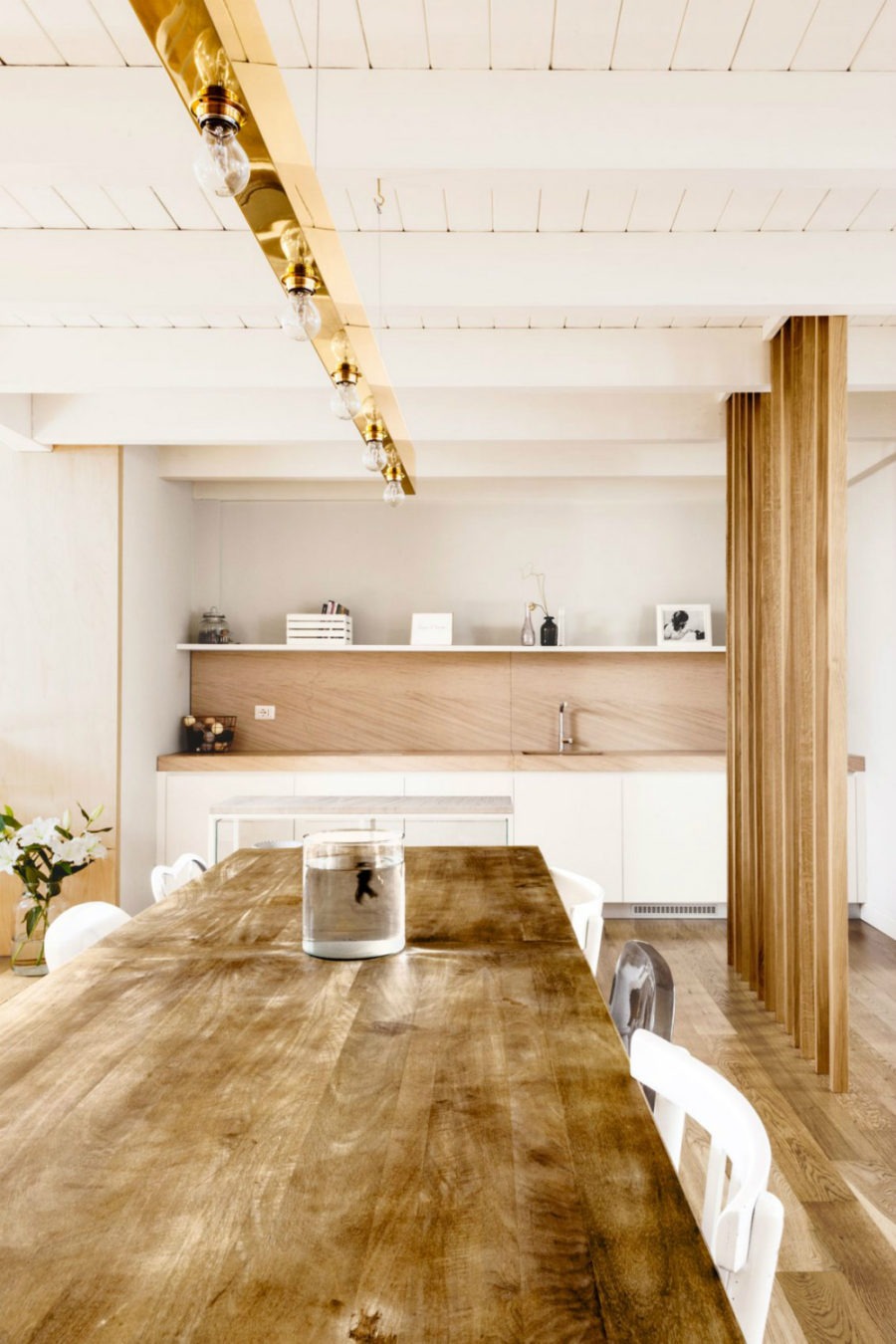
A welcoming home does not need a sprawling footprint or an elaborate decorating scheme. It needs a clear rhythm: places to gather, pause, work, and reset, all connected by choices that make daily routines easier. This design approach draws energy from warm timber, pale surfaces, daylight, and a handful of memorable furnishings rather than from visual excess.
The result is a practical lifestyle lesson as much as an interiors story. Open sightlines can make a compact home feel generous, while partial dividers provide privacy without closing everything off. A small display cabinet can turn ordinary tableware into decoration, and a thoughtfully planned counter can support both cooking and hosting. The ideas below translate those principles into approachable ways to make a home calmer, brighter, and more useful—while adding a simple Kitchen Pause recipe to each room-inspired moment.
1. Build a Warm Foundation with Layered Wood
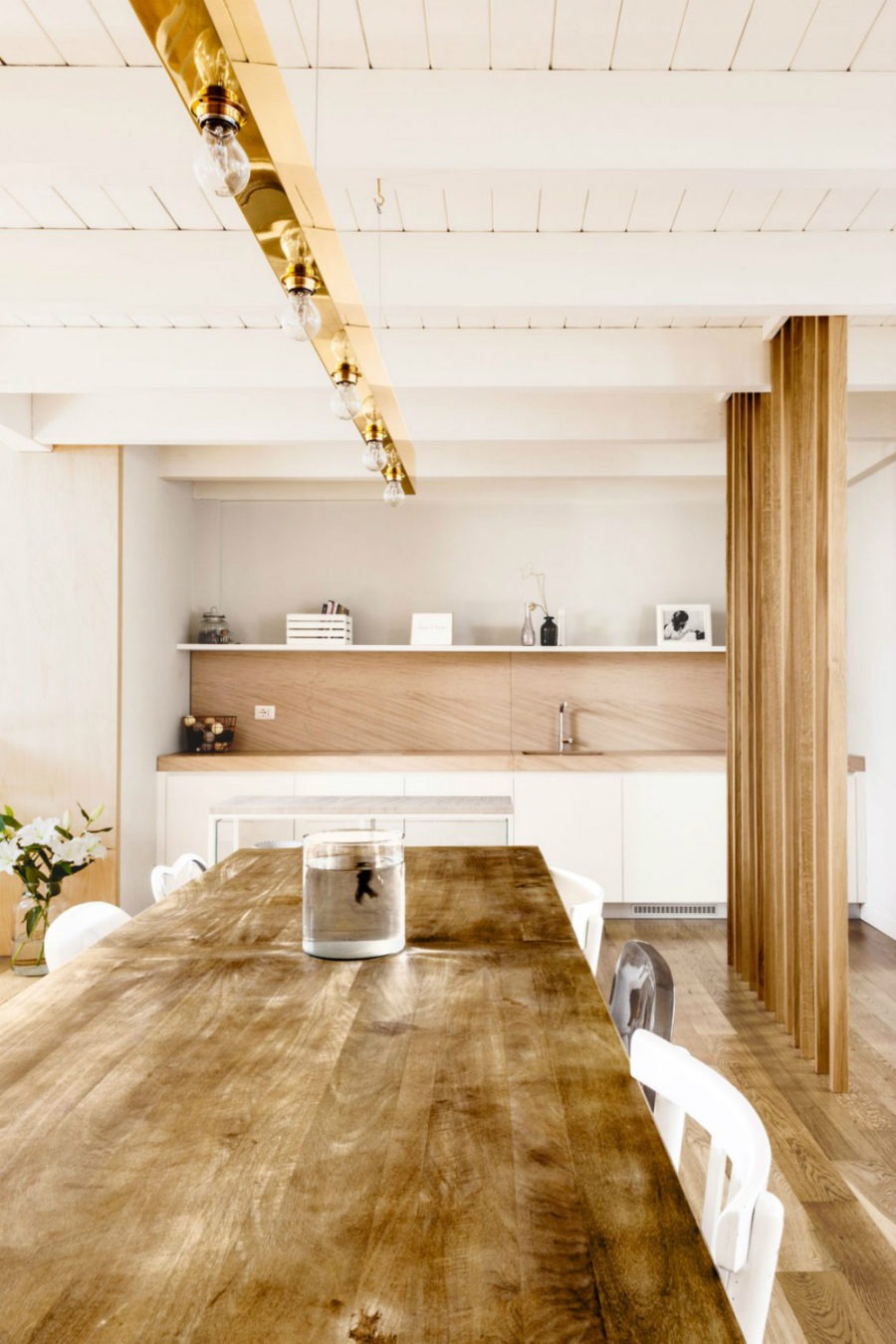
Wood feels most contemporary when it is treated as a varied palette rather than a single matching finish. Combine a medium-toned floor or cabinet with lighter dining furniture, a woven accent, and one darker detail such as a stool or frame. The shifts in grain and color create depth without requiring a crowded room. Balance the warmth with soft white walls, linen upholstery, or a matte ceramic lamp so the space stays airy instead of rustic. In everyday life, this mix is forgiving: small scratches blend into natural variation, and wood surfaces are easy to refresh with a quick wipe.
Use the same principle at the table. Keep the plates simple, then introduce contrast through herbs, toasted seeds, or a colorful vegetable. The visual variety makes an ordinary meal feel considered without adding work.
Kitchen Pause: Lemon-Herb White Bean Toasts
- 1 can cannellini beans, rinsed
- 1 tablespoon olive oil
- 1 teaspoon lemon zest
- 1 tablespoon lemon juice
- 1 small garlic clove, grated
- 2 tablespoons chopped parsley
- 4 slices whole-grain bread
- Mash beans with oil, zest, juice, garlic, and parsley.
- Toast the bread until crisp.
- Spoon the bean mixture over toast and finish with black pepper.
2. Let One Room Carry Several Daily Roles
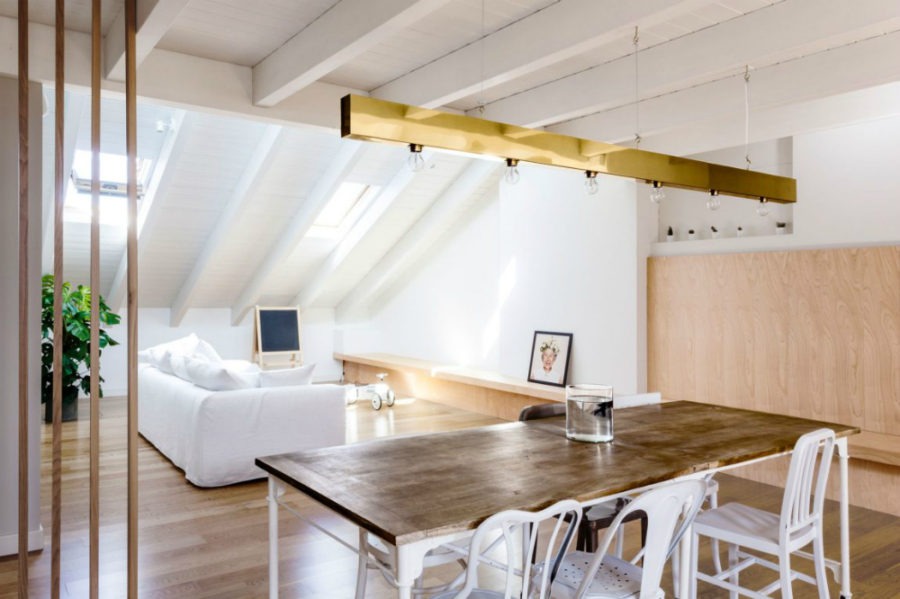
An open plan works best when each activity has an identifiable home. A sofa can define the reading side of a room, a pendant can mark the dining zone, and a slim desk can establish a work corner without interrupting the larger flow. Arrange furniture so walking paths remain obvious; the room will feel more spacious because movement is not forced around obstacles. A low bench, rug, or change in lighting can provide a quiet boundary while preserving conversation and daylight.
This flexibility is especially useful in smaller homes. Breakfast can happen at the table, schoolwork can shift to the desk, and the seating area can become a place to host friends by evening. Keep the surfaces intentionally edited: one tray for daily items, one basket for cables, and closed storage for everything that does not need to be seen.
For a meal that suits a busy transition between tasks, choose a bowl that can be assembled ahead and finished at the table.
Kitchen Pause: Warm Farro and Greens Bowl
- 1 cup cooked farro
- 2 cups chopped kale
- 1 tablespoon olive oil
- 1 tablespoon balsamic vinegar
- 1/2 cup roasted chickpeas
- 1/4 cup crumbled feta
- 2 tablespoons pumpkin seeds
- Warm farro and kale in a skillet with olive oil until the greens soften.
- Stir in balsamic vinegar.
- Divide among bowls and top with chickpeas, feta, and seeds.
3. Use Slatted Screens for Gentle Privacy
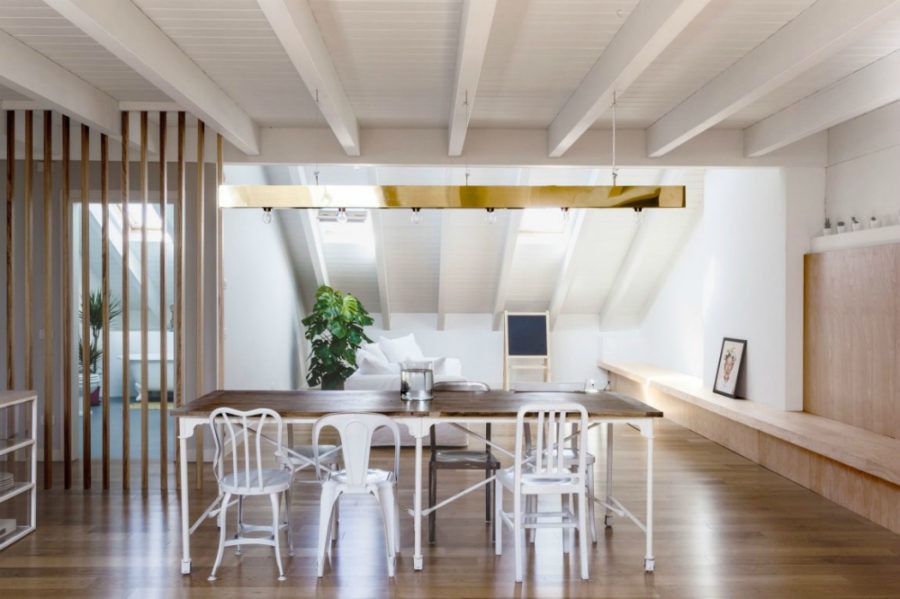
When a home needs separation but not isolation, a slatted screen offers a useful middle ground. The vertical rhythm suggests a boundary while allowing light and glimpses to pass through. You can borrow the effect with a narrow timber divider, open bookcase, ceiling-hung curtain, or even a row of tall plants in matching planters. Place the screen where it solves a real problem: beside a work area, near an entry, or between a bathroom approach and a social zone.
Keep the surrounding palette quiet so the divider reads as architecture rather than clutter. A few evenly spaced objects on nearby shelving are enough; leaving negative space makes the whole arrangement feel deliberate. In practical terms, this kind of filter can also conceal laundry, paperwork, or kitchen activity during a gathering.
A quick, fragrant snack can make a short pause behind the screen feel restorative.
Kitchen Pause: Cucumber, Mint, and Yogurt Cups
- 1 cup plain Greek yogurt
- 1/2 cucumber, finely diced
- 1 tablespoon chopped mint
- 1 teaspoon lemon juice
- 1/4 teaspoon ground cumin
- 1 tablespoon toasted walnuts
- Stir yogurt, cucumber, mint, lemon juice, and cumin together.
- Spoon into small glasses or bowls.
- Sprinkle with walnuts and serve chilled.
4. Make Storage Display-Ready and Useful
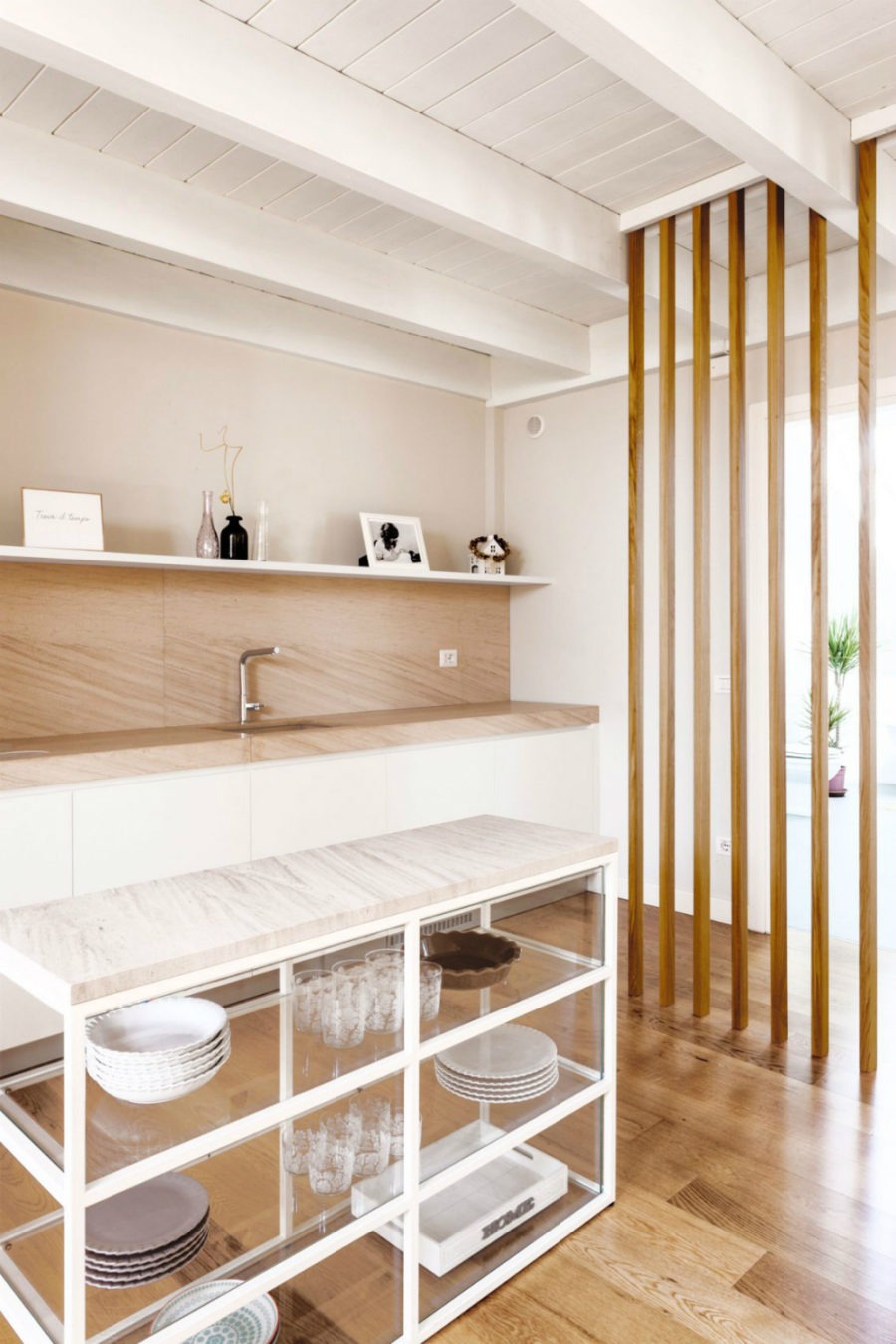
Storage becomes part of the atmosphere when it is planned around the objects you actually use. Open shelves are ideal for a small rotation of books, bowls, or baskets, while closed cupboards handle visual noise. A glass-front cabinet can bridge the two approaches: it protects serving pieces but keeps them available and visible. Group items by function, then vary height with a board, carafe, or stack of plates so the arrangement feels collected rather than staged.
The most effective storage also reduces friction. Put mugs near the kettle, everyday plates near the dining area, and office supplies within reach of the desk. Edit seasonally so shelves do not become a permanent holding zone. If a cabinet is near a social space, leave a little room for guests to help themselves; hospitality is easier when the home explains how it works.
Use the same make-ahead spirit for this simple refrigerator-friendly snack.
Kitchen Pause: Marinated Artichoke and White Bean Cups
- 1 can white beans, rinsed
- 1/2 cup chopped artichoke hearts
- 1 tablespoon olive oil
- 1 tablespoon red-wine vinegar
- 1/2 teaspoon dried oregano
- 2 tablespoons chopped roasted red pepper
- 2 cups baby greens
- Toss beans, artichokes, oil, vinegar, oregano, and pepper.
- Chill for 20 minutes to let the flavors develop.
- Spoon over baby greens and serve in small cups.
5. Treat Daylight as a Decorating Material
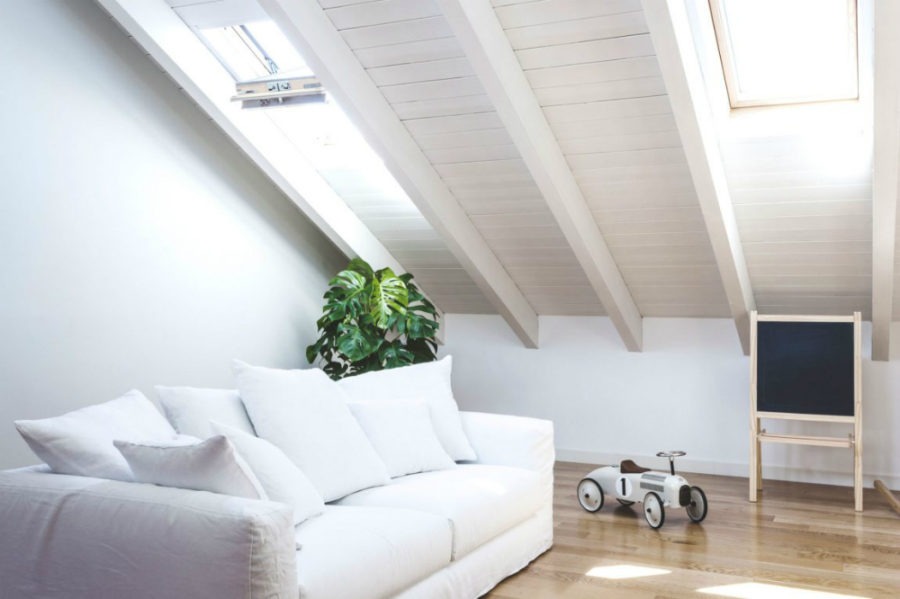
Natural light changes the character of a room throughout the day, so it deserves the same attention as paint or furniture. Keep window paths clear, choose low-profile pieces below skylights, and use pale finishes to reflect brightness deeper into the home. A mirror placed across from a light source can amplify the effect, while translucent shades soften glare without making the room feel dim. In a room with a pitched ceiling, emphasize the geometry with a simple beam finish or a pendant that follows the roofline.
Daylight can shape routines, too. Place a breakfast seat where morning sun is pleasant, reserve a brighter corner for plants or reading, and use the naturally quieter end of the room for focused work. In the evening, replace the overhead light with two or three warm pools of illumination so the home transitions gently rather than switching abruptly from bright to dark.
A sunny pause pairs well with a colorful, no-fuss fruit preparation.
Kitchen Pause: Citrus, Fennel, and Pistachio Salad
- 2 oranges, peeled and sliced
- 1 small fennel bulb, thinly sliced
- 1 tablespoon lemon juice
- 1 tablespoon olive oil
- 2 tablespoons pistachios
- 1 tablespoon chopped mint
- Arrange citrus and fennel on a plate.
- Whisk lemon juice and olive oil, then drizzle over the salad.
- Finish with pistachios and mint.
6. Add a Singular Moment of Everyday Luxury
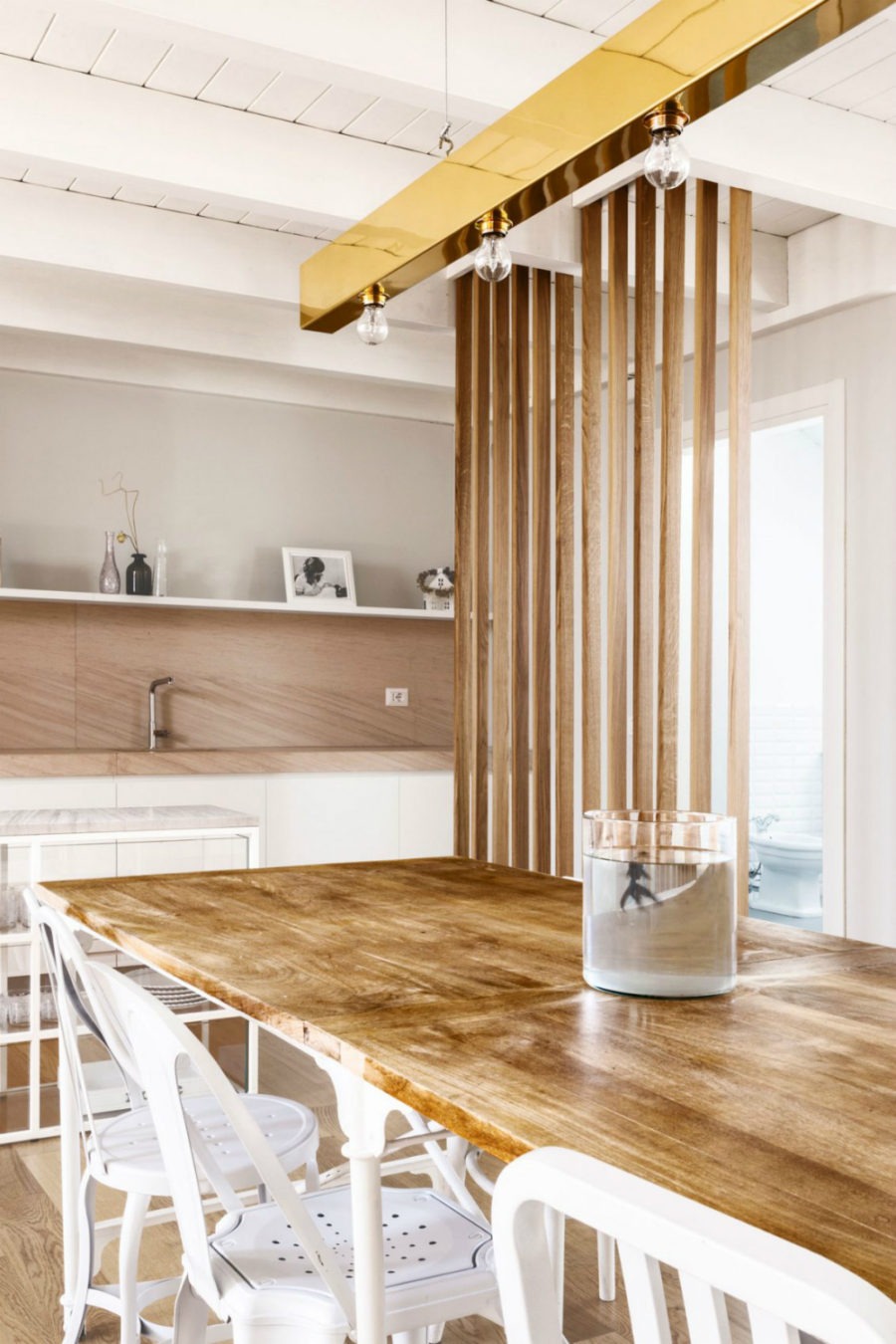
A room feels memorable when it contains one detail that is a little more expressive than the rest. It might be a sculptural light, an unusually shaped chair, a freestanding tub, or a tailored built-in bench. The key is restraint: let the standout element have breathing room, then support it with uncomplicated forms and durable materials. Mixing dining chairs around one table is another approachable way to create personality while keeping the function familiar.
Choose statement pieces for the moments you want to enjoy repeatedly, not merely photograph. A beautiful lamp should improve evening conversation; a bench should make putting on shoes easier; a distinctive chair should be comfortable enough for a long meal. This turns decoration into a daily ritual rather than a precious zone that cannot be touched.
End the day with a small dessert that feels special but uses pantry-friendly ingredients.
Kitchen Pause: Olive Oil Cocoa Cups
- 1 ripe banana
- 2 tablespoons unsweetened cocoa powder
- 1 tablespoon almond butter
- 1 teaspoon extra-virgin olive oil
- 1/2 teaspoon vanilla extract
- Pinch of sea salt
- Blend banana, cocoa, almond butter, olive oil, vanilla, and salt until smooth.
- Spoon into two small cups.
- Chill for 30 minutes before serving.
Final Thoughts
The most livable version of modern style is not a checklist of finishes. It is a framework for making space work harder and feel softer at the same time: warm materials temper clean lines, partial boundaries protect concentration, and useful storage keeps daily life from taking over every surface. Daylight, thoughtful lighting, and one or two expressive pieces complete the picture.
Taken together, these choices create a home that supports meals, work, rest, and company without demanding constant upkeep. The broader lesson is simple: when design follows real routines, beauty becomes easier to live with—and much easier to enjoy.