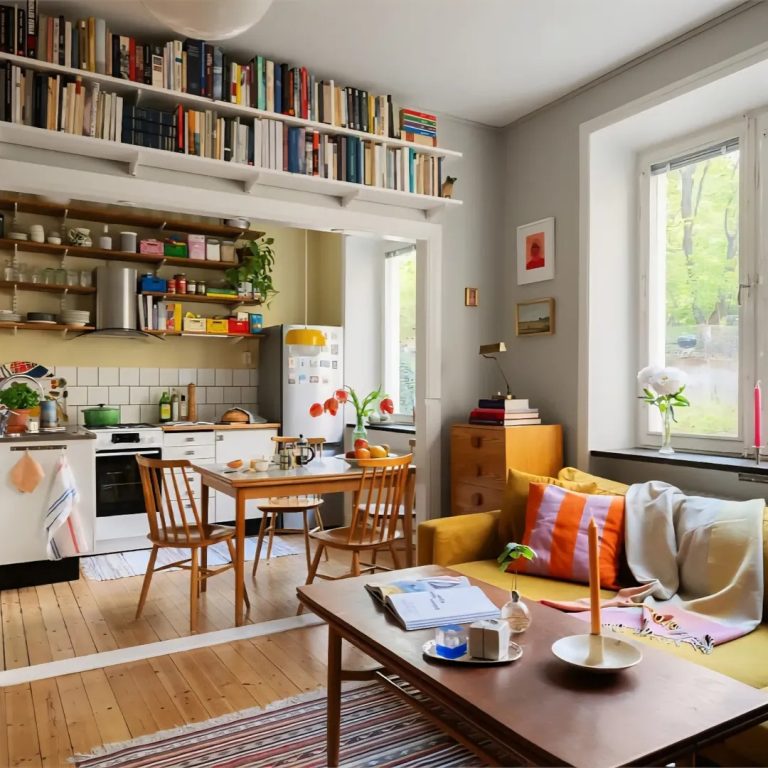
Bring Coastal Mexican Flair Home: Practical Ideas for Colorful, Livable Rooms
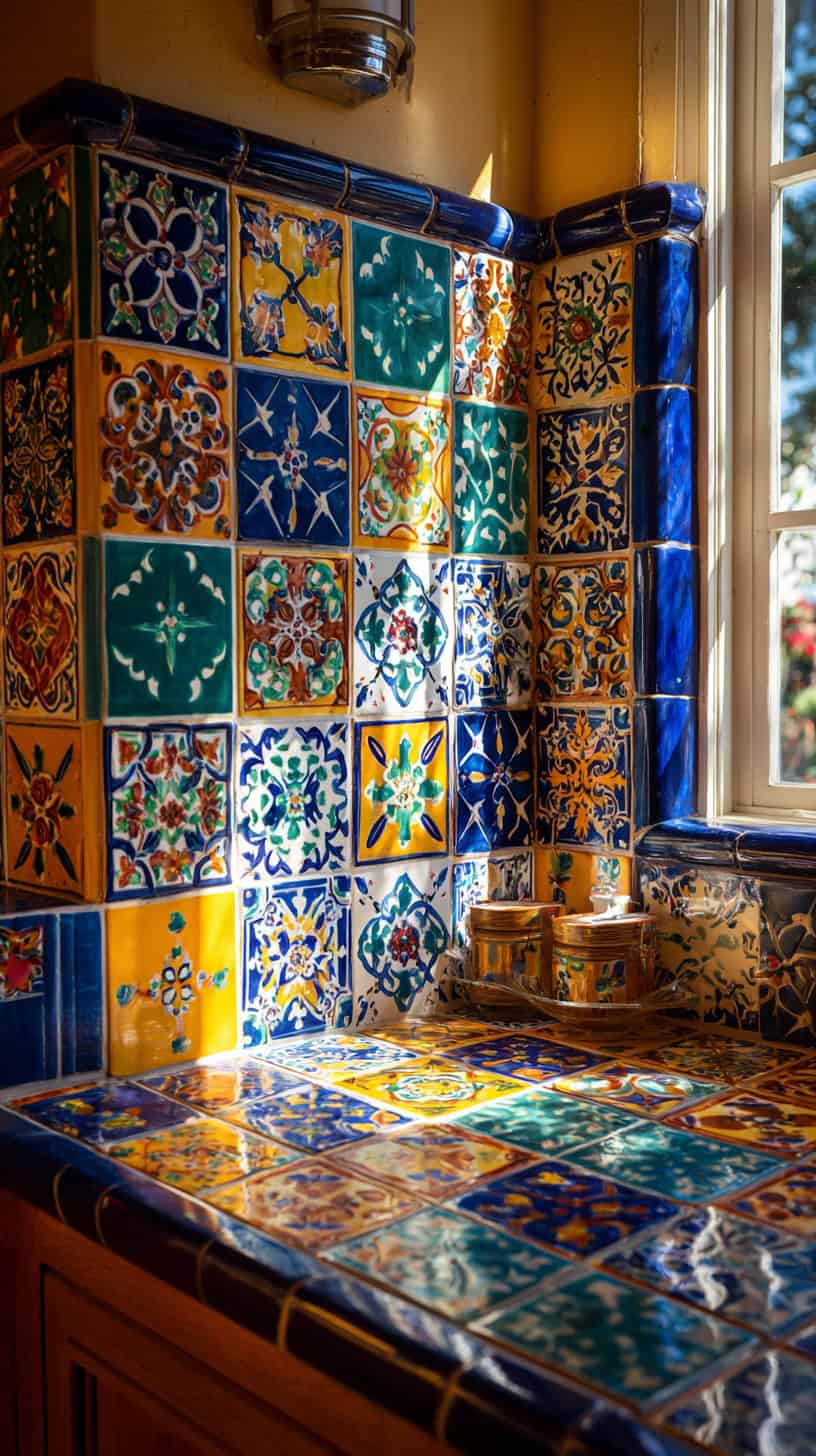
A coastal Mexican-inspired interior blends sun-warmed color, handcrafted details, and natural materials to create a home that feels both lively and relaxed. The goal is a space that celebrates texture and pattern without becoming fussy—bright accents anchored by breathable neutrals and hard-working surfaces that stand up to everyday life.
This guide offers practical ways to bring that spirited aesthetic into each room: where to use tile for impact, how to choose textiles and rugs for durability, ways to layer woven lighting and furniture, and how to create welcoming outdoor rooms. Tips focus on balance, maintenance, and easy swaps so the style is achievable whether renovating or refreshing one corner at a time.
1. Create a Bold Tile Focal Point Without Overdoing It
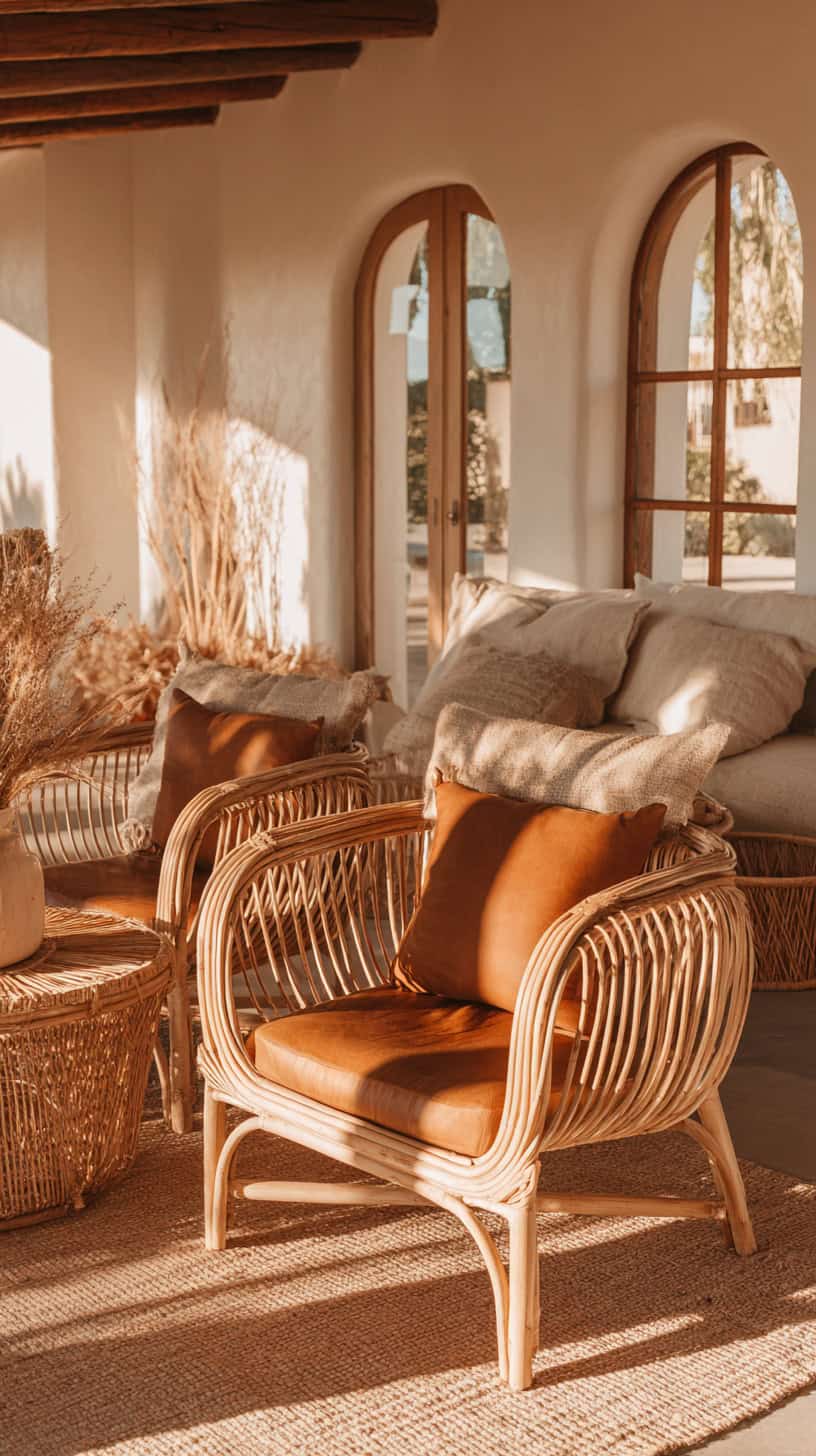
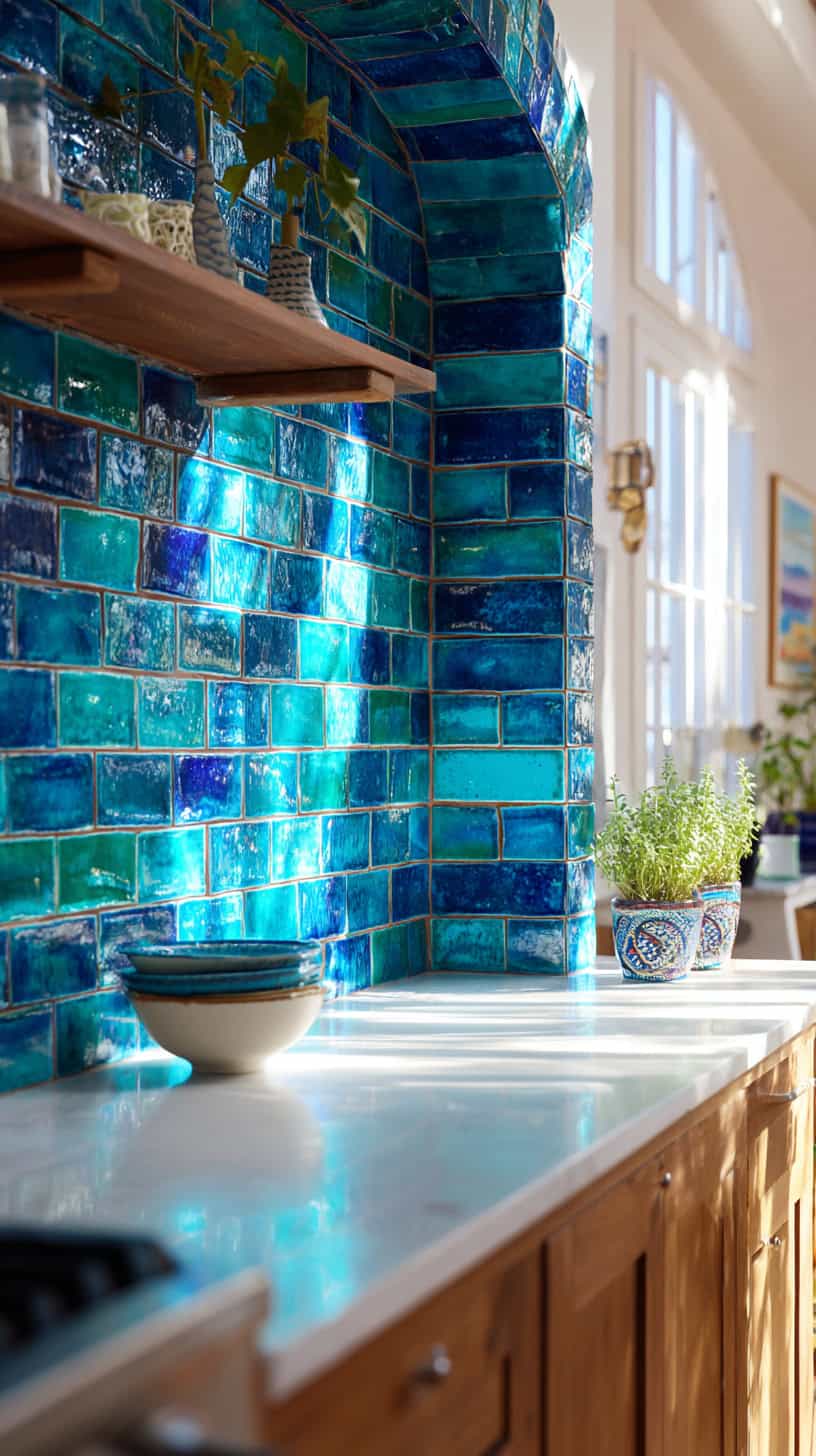
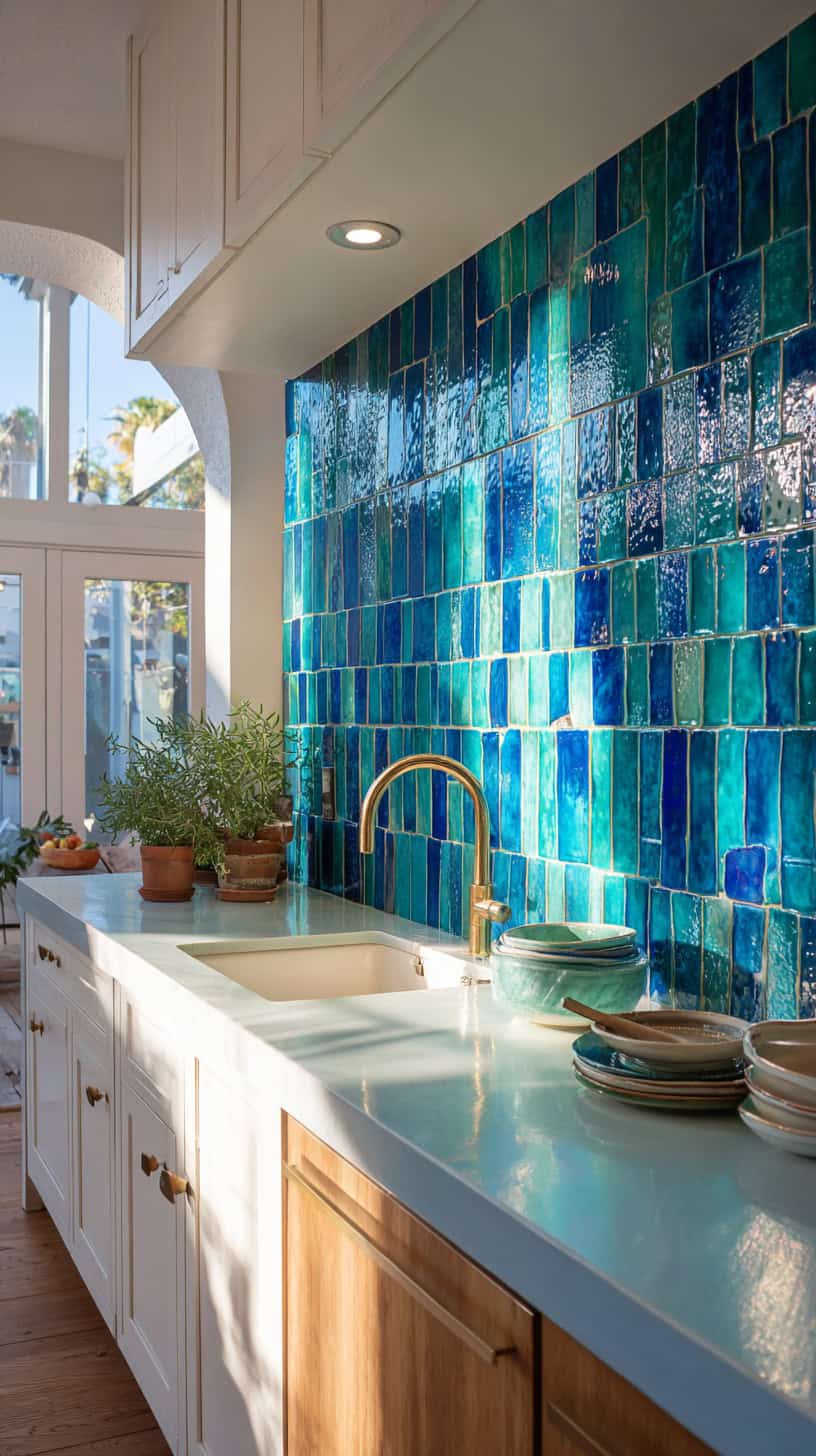
Tiles make an immediate statement and are especially useful in coastal homes because they combine color with durability. For kitchens and bathrooms, choose glazed ceramic or porcelain tiles that resist stains and wipe clean easily. To avoid visual overwhelm, limit pattern to one wall, a narrow backsplash band, or a framed niche rather than cladding every surface. Consider a cohesive color family—shades of blue or turquoise for a maritime nod, or a palette that repeats a single accent hue found elsewhere in the room. Smaller projects like a tiled border, a tiled hearth surround, or a framed tile panel above a console offer similar impact with less cost and labor. When installing, stagger grout color and tile layout to reduce the appearance of uneven edges; a darker grout can be forgiving in high-traffic areas, while pale grout brightens. For renters or short-term projects, removable peel-and-stick tile options provide the look without permanent alteration.
2. Pair Woven Seating and Pendant Lighting for Casual Sophistication
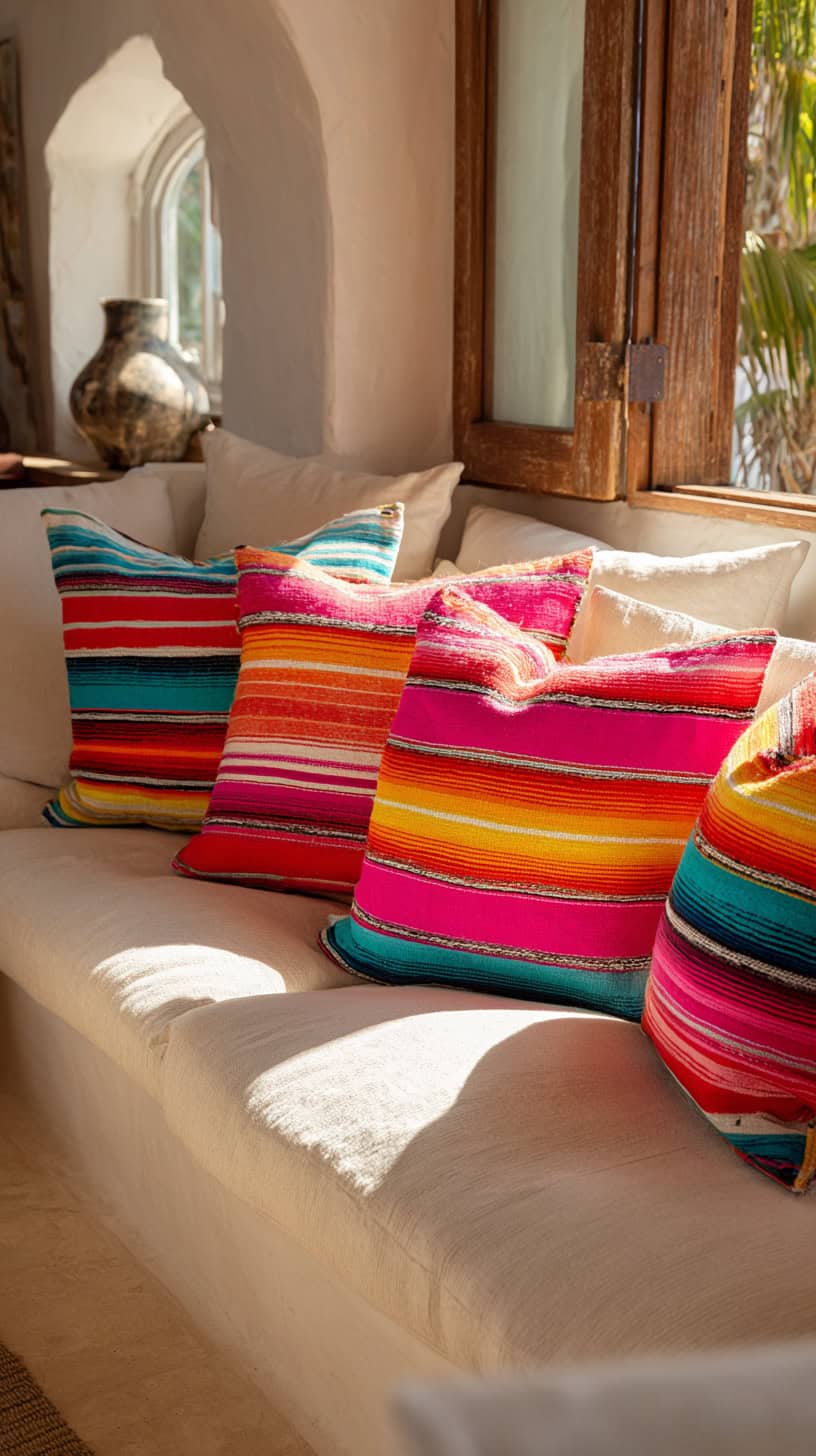
Natural-fiber furniture and overhead pendants create a textural throughline that feels organic and coastal. Choose rattan, wicker, or seagrass for chairs and benches because these materials are light to move and age with character. Match them with woven pendant lighting—bamboo or rattan shades add soft shadows and a relaxed vibe. Scale matters: in a dining area, aim for pendants that span roughly one-third to one-half the width of the table, and hang them so the bottom of the shade is about 28–34 inches above the tabletop for comfortable sightlines. For living rooms, lower, layered pendants can add drama; in kitchens, single large pendants over islands work well. Protect natural fibers from prolonged moisture exposure; indoor-outdoor rated finishes or treated fabrics will extend longevity in humid climates. When mixing materials, balance the warm texture of woven pieces with clean-lined wood or metal to prevent the space from feeling too rustic.
3. Use Colorful Textiles Strategically: Pillows, Throws, and Rugs
Textiles are the easiest and most flexible way to introduce lively color and pattern. Bright striped cushions, woven throws, and flat-weave rugs bring personality without permanent commitment. In family homes, choose fabrics rated for heavy use or treated for stain resistance; consider removable cushion covers that can be machine washed. For area rugs, low-pile or flat-weave constructions are preferable near entryways and beach-facing doors because they tolerate sand and clean up more readily than high-pile options. Layering a colorful patterned rug over a neutral jute or sisal base adds warmth while protecting the primary floor. To maintain visual balance, repeat one or two accent colors in different elements—pillows, art, and a small rug—while keeping larger surfaces like walls and sofas in calming neutrals. Mixing stripes, geometrics, and florals can work when a unifying color ties them together, and smaller-scale patterns generally recede, leaving bolder motifs to act as focal points.
4. Display Handcrafted Ceramics as Artful, Everyday Objects
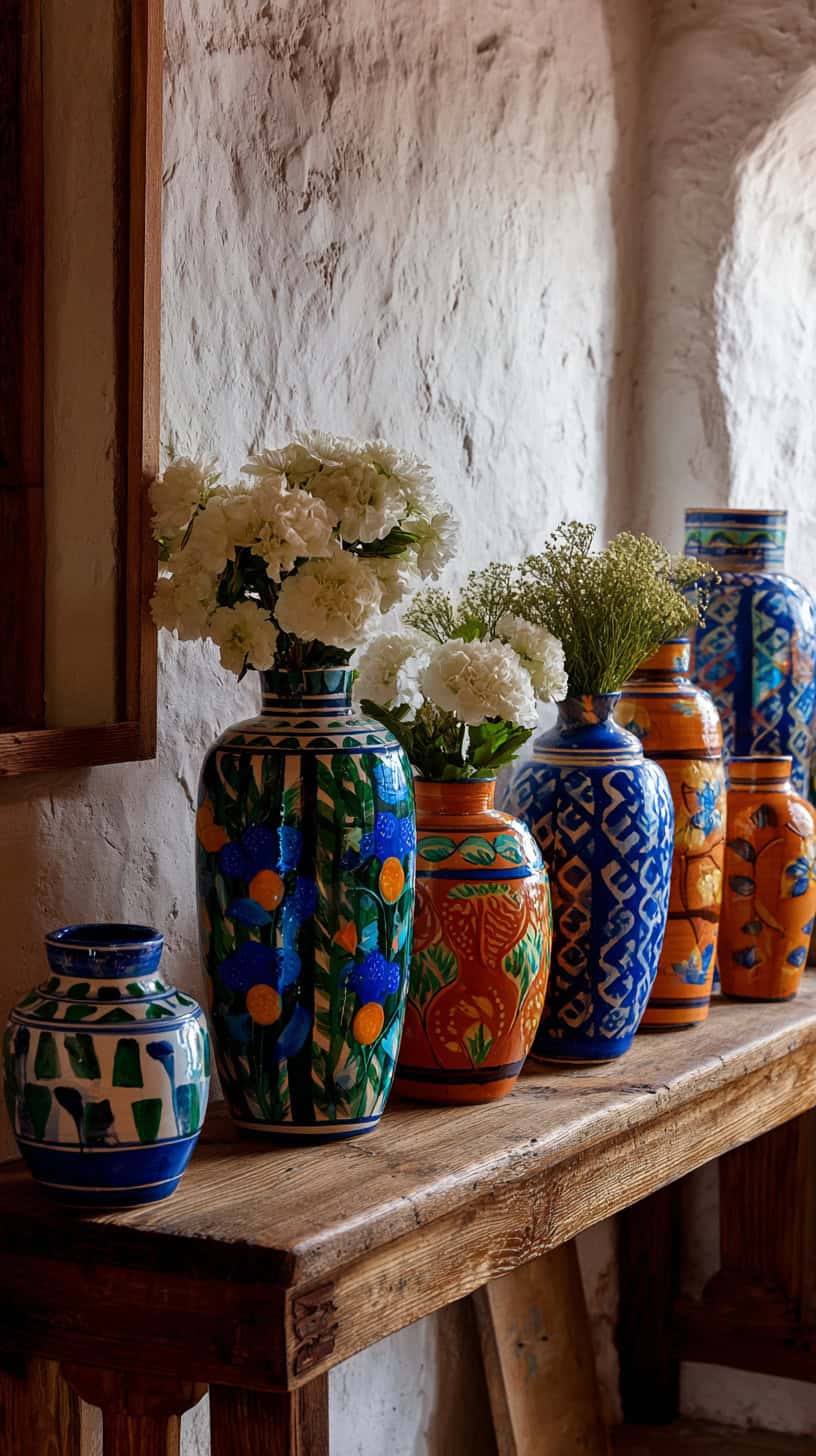
Glazed, hand-decorated ceramics add artisanal charm and become memorable accents in a coastal-Mexican palette. Group vases and pitchers of varying heights on open shelving, console tables, or window sills to create a small vignette that reads like collected pieces. Because each piece is unique, aim for visual cohesion through color repeats or a shared motif rather than exact matches. Use ceramics for fresh flowers, dried grasses, or as stand-alone sculptural objects. In kitchens, a single large glazed vessel can corral utensils on the counter; on dining tables, a low cluster keeps sightlines open for conversation. To protect delicate finishes, place felt pads or a small cloth underneath ceramic bases and avoid sudden temperature changes, especially with glazed earthenware used with cold arrangements. Sourcing from local artisans or reputable makers supports craftsmanship and often yields one-of-a-kind items that anchor the room’s character.
5. Anchor Gatherings Around a Robust Wooden Table
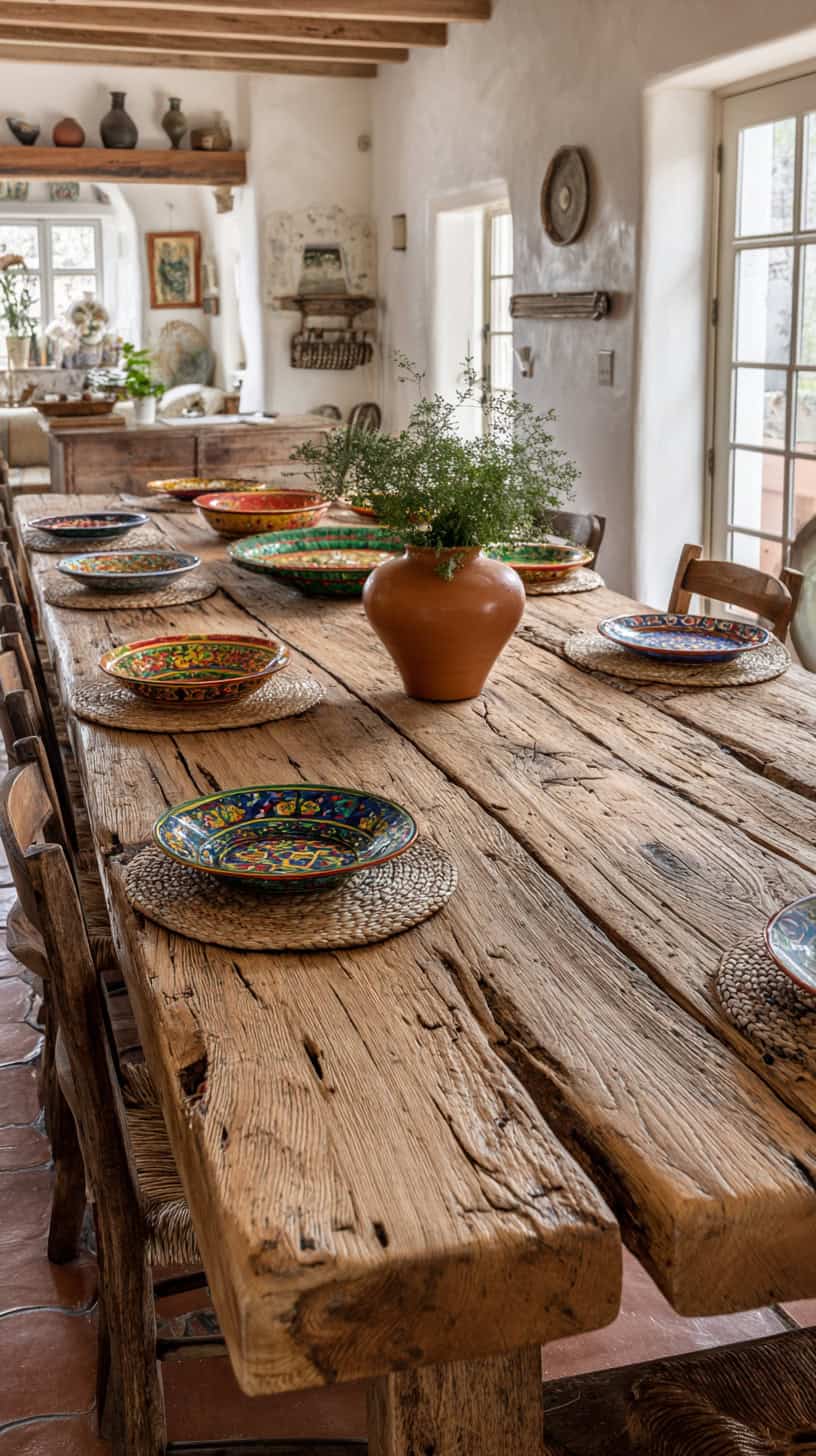
A substantial wood table serves as both functional surface and design anchor for family life. Select a table in solid, sustainably sourced wood with a finish that tolerates spills and daily activity; reclaimed wood or distressed finishes conceal wear and add warmth. Size the table to allow at least 24–30 inches of width per person and leave comfortable clearance around the perimeter for chairs and movement. Pairing mixed or painted chairs creates an informal, collected look while allowing practical flexibility—mix a bench on one side for casual seating with individual chairs on the others. Protect the surface with heat-resistant mats and consider an easily washable table runner or placemats for family meals. For smaller homes, a drop-leaf or extendable table offers the same communal feel with space-saving advantages when not fully in use.
6. Create a Restful Bedroom with a Simple Canopy and Soft Layers
A light, rustic canopy provides a sense of shelter and a hint of romance without heavy ornamentation. Choose a frame in unfinished or lightly stained wood and drape breathable linens in pale tones to maintain an airy, coastal ambiance. Layer textured throws, embroidered cushions, and a low-pile rug to add warmth underfoot and visual interest. For practicality, opt for washable bedding and removable pillow covers; linens and cotton blends stand up to frequent laundering better than delicate weaves. Keep bedside surfaces uncluttered to preserve the serene quality the canopy introduces—use wall-mounted lighting to free up nightstand space. If a full canopy feels too dramatic, consider a simple overhead fabric panel or a headboard-mounted frame that mimics the effect while being easier to install in apartments or rental properties.
7. Design an Outdoor Living Room That’s Ready for Celebration
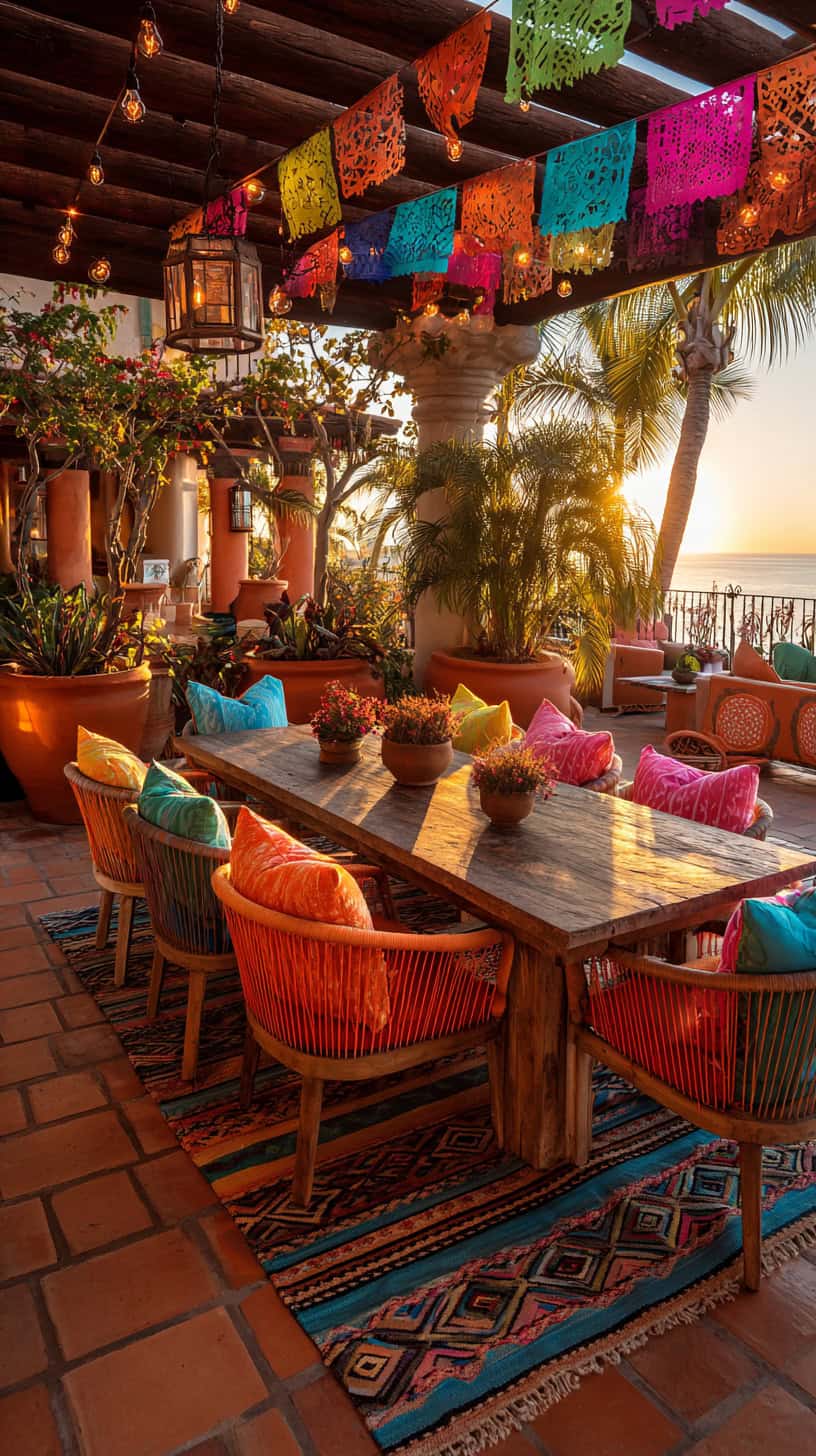
An outdoor patio should feel like an extension of interior living: comfortable seating, layered textiles, and a mix of shade and open sky. Begin with durable furniture rated for outdoor use—choose cushions in sun- and water-resistant fabrics and select rugs designed for outdoor environments to prevent mildew. Add potted succulents, cacti, and flowering plants for low-maintenance greenery that suits warm coastal climates. Overhead elements such as string lights, a simple pergola, or colorful fabric banners create a festive atmosphere and help define the space. For evening gatherings, include safe, well-ventilated fire features like a tabletop fire bowl or chiminea and provide side tables so guests have places to set drinks. To protect finishes from sun damage, apply UV-protective coatings where appropriate and store or cover textiles during extended wet seasons.
Final Thoughts
A coastal-Mexican approach to decorating is about joyful color, honest materials, and livable choices. Introduce bold tiles or textiles in targeted areas, balance them with natural wood and woven elements, and focus on pieces that are both beautiful and functional. With a few intentional swaps—washable covers, durable rugs, and layered lighting—the look is achievable and easy to live with, creating a home that feels warm, bright, and welcoming.