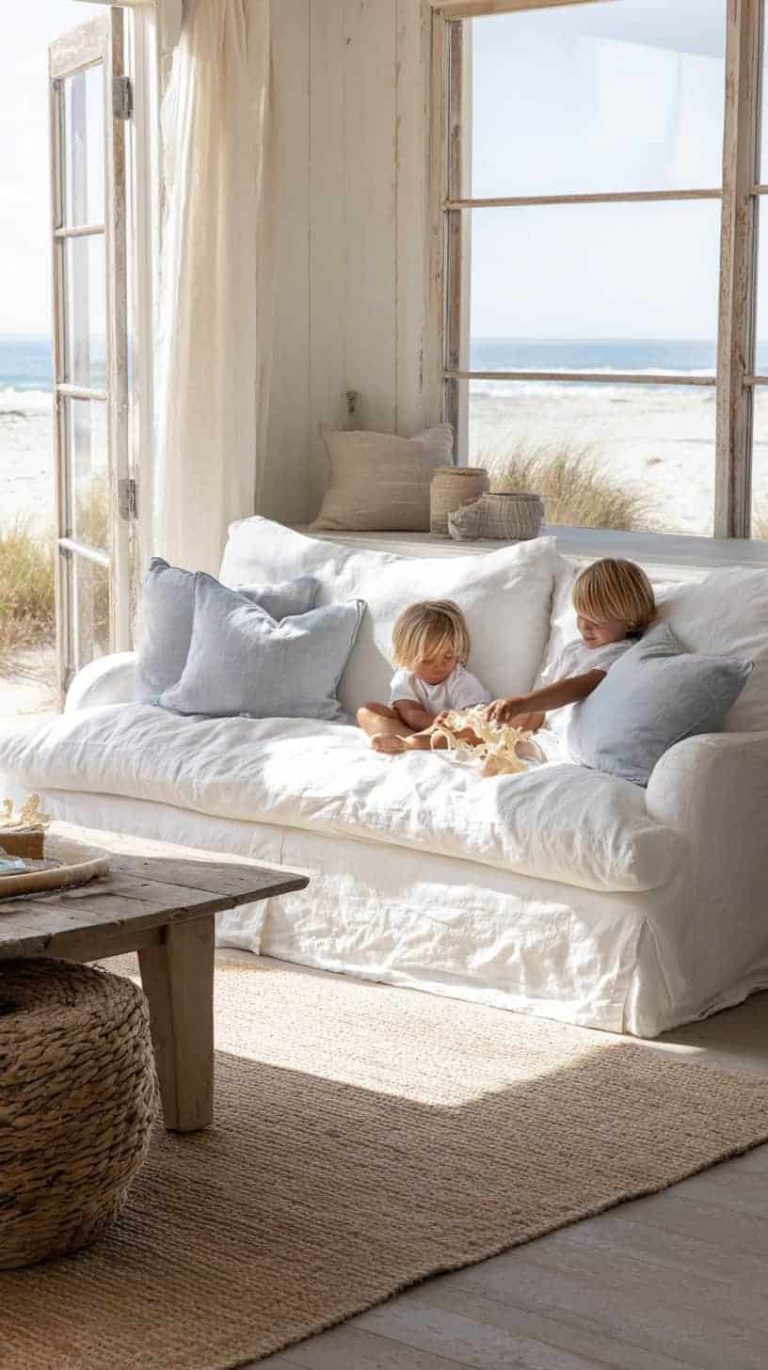
How to Create a Calm, Classic Coastal Living Room: Practical Design Ideas
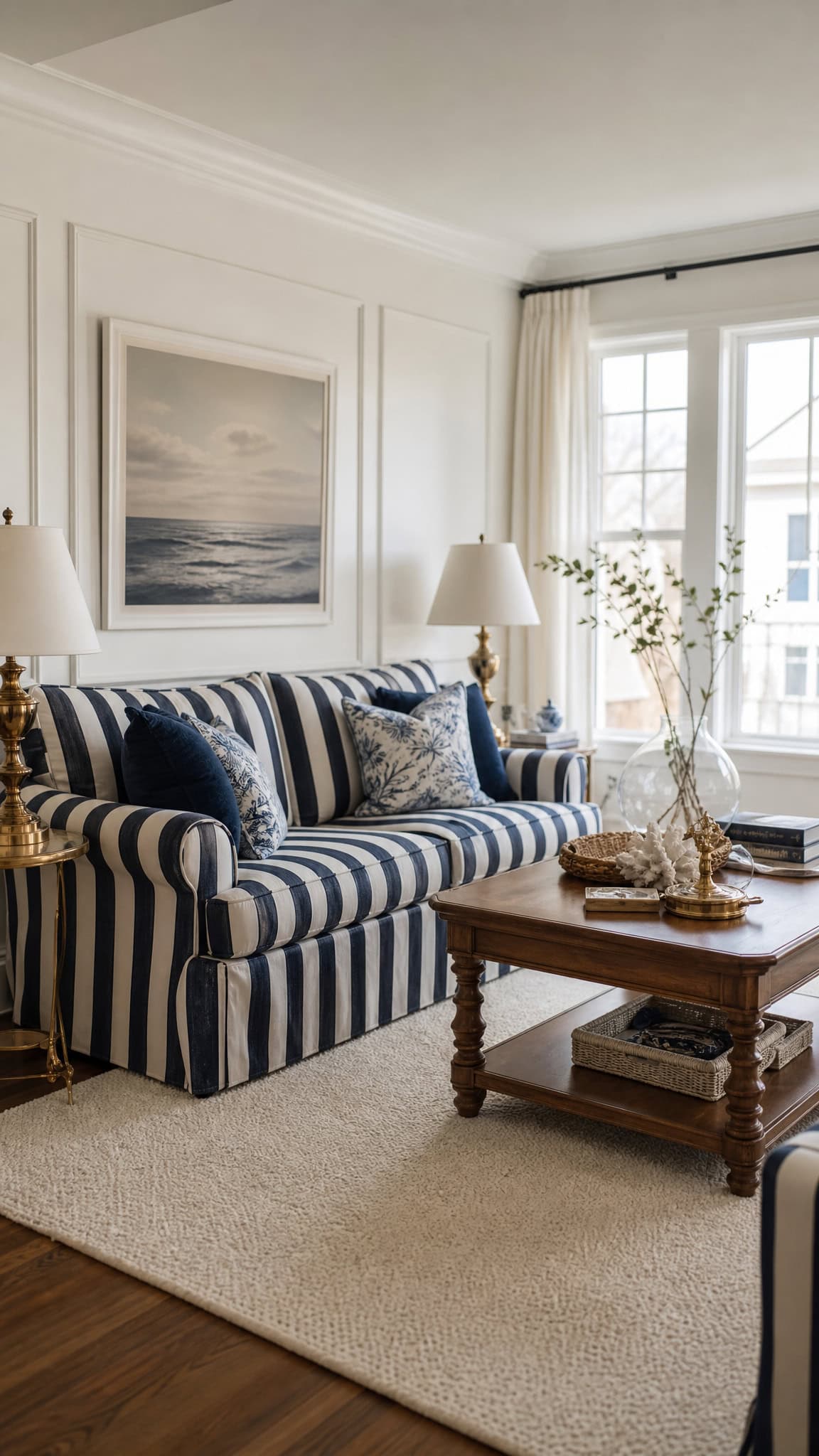
A living room that feels both timeless and relaxed is achievable without reinventing the wheel. By combining classic furniture shapes, a soft seaside palette, and practical materials, a space can be elegant yet comfortable enough for everyday family life. Thoughtful choices in finishes and layout will keep the room feeling curated rather than themed.
This guide walks through adaptable strategies—from architectural touches to textiles and accessories—so rooms look considered and livable. Each suggestion emphasizes durability, simple swaps for seasonal refreshes, and ways to layer coastal influence into a traditional framework without sacrificing function.
1. Start with a Soft, Layered Color Scheme
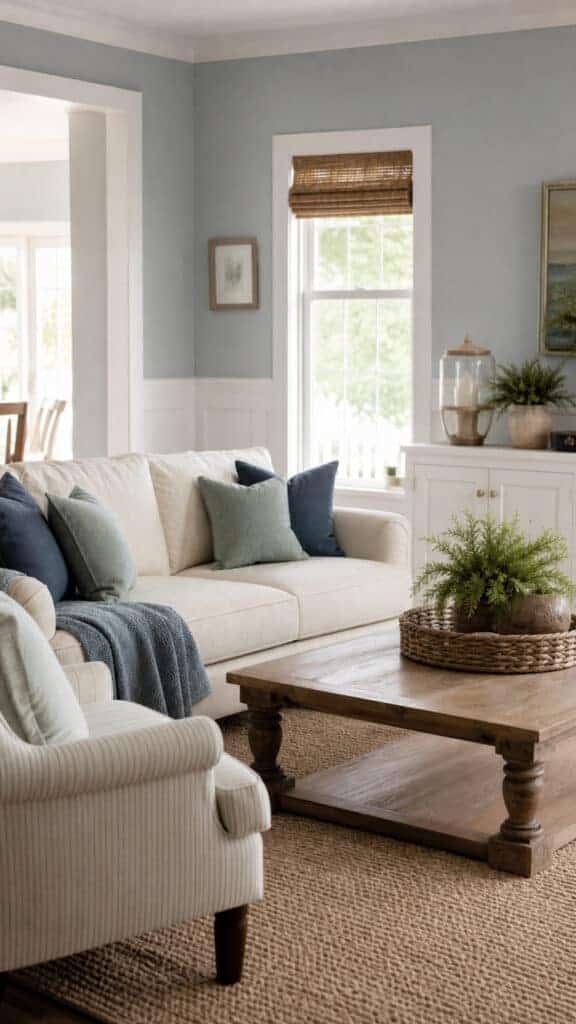
Begin by choosing a gentle palette that provides a serene backdrop: neutral bases like warm creams or soft grays paired with muted blues or seafoam greens create a calming, airy atmosphere. Keep the largest surfaces neutral—walls, upholstery, and large rugs—then introduce deeper tones through accent pieces such as throw pillows, a statement armchair, or framed artwork. Layering tones of the same family (for example, several blues from pale to navy) adds depth without feeling busy. This approach also makes seasonal updates easy: swapping pillow covers or an accent throw can freshen the room’s mood without a major overhaul.
2. Invest in Architectural Details That Add Value
Simple built-in features and trim work elevate a space and provide functional benefits. Wainscoting on lower walls protects paint from scuffs while adding visual interest; crown molding draws the eye upward and makes ceilings appear taller. Built-in bookcases or shelving framed with traditional moldings offer storage and a place to display treasured objects. These elements create a composed, permanent framework that supports both antique and casual furnishings and will keep the overall look feeling intentional and cohesive over time.
3. Choose Furniture with Classic Lines and Practical Fabrics

Select pieces that have traditional silhouettes—rolled arms, wingback chairs, and turned legs—but pair them with family-friendly textiles. Slipcovers in natural linen or cotton blends are easy to remove and wash, while tightly woven upholstery stands up well to high-traffic use. Tufted ottomans or sofas provide structured elegance and often hide wear better than smooth finishes. Prioritize proportion and comfort: furniture should suit the room’s size and allow for circulation, conversation, and everyday activities without looking crowded.
4. Layer Textures with Rugs, Curtains, and Cushions

Textiles are where coastal warmth and traditional polish meet. Start with a durable, neutral foundation rug in jute or sisal for texture and resilience, then add a smaller, patterned rug atop it in seating areas to introduce softness and color. Floor-to-ceiling white or light-linen curtains increase perceived window size and soften light; pair them with woven shades or shutters for privacy and insulation. Mix pillow shapes, patterns, and fabrics—stripes, subdued florals, or solids in complementary tones—so the seating feels inviting and well edited rather than overly themed.
5. Balance Natural Materials with Polished Accents

Combine organic elements—weathered wood tables, seagrass baskets, and wicker seating—with refined metallics and porcelain for contrast. A distressed coffee table brings warmth and camouflages everyday marks, while brass or gold picture frames, lamps, and hardware add a subtle layer of glamour. Blue-and-white ceramic vessels or ginger jars introduce traditional charm and a maritime nod without being literal. The mix of tactile natural textures and polished details keeps the room approachable yet put-together.
6. Create Thoughtful Focal Points and Lighting Layers

Designate clear focal points such as a fireplace mantel, a large piece of art, or a grouped gallery wall to anchor the space. On the mantel, combine symmetry and varied heights—mirror or central artwork flanked by lamps or candlesticks—for a classic feel. Lighting should be layered: overhead fixtures provide ambient light, table lamps offer task illumination for reading, and floor lamps fill in darker corners. Choose lamps and fixtures in coastal-friendly materials and traditional shapes to connect function and style.
7. Plan for Everyday Life: Storage, Flow, and Durability

A beautiful living room should also be functional. Incorporate hidden storage—baskets on lower shelves, storage ottomans, and built-ins with cabinet doors—to keep clutter at bay. Arrange seating to encourage conversation and clear paths for movement, placing main sofas facing each other or a focal point like a fireplace. Select finishes and materials known for longevity: hardwood floors are easy to maintain and can be softened with area rugs, while slipcovers and washable cushion covers make upkeep straightforward for households with children or pets.
Final Thoughts
A calm, classic coastal living room comes from combining enduring architectural details with durable, textured materials and a restrained color palette. Prioritize practical choices—washable fabrics, sensible storage, and layered lighting—so the space remains welcoming and functional. Small seasonal swaps in cushions, artwork, or accessories allow the room to evolve while maintaining a timeless foundation.