How to Create a Calm, Family-Friendly Coastal Home
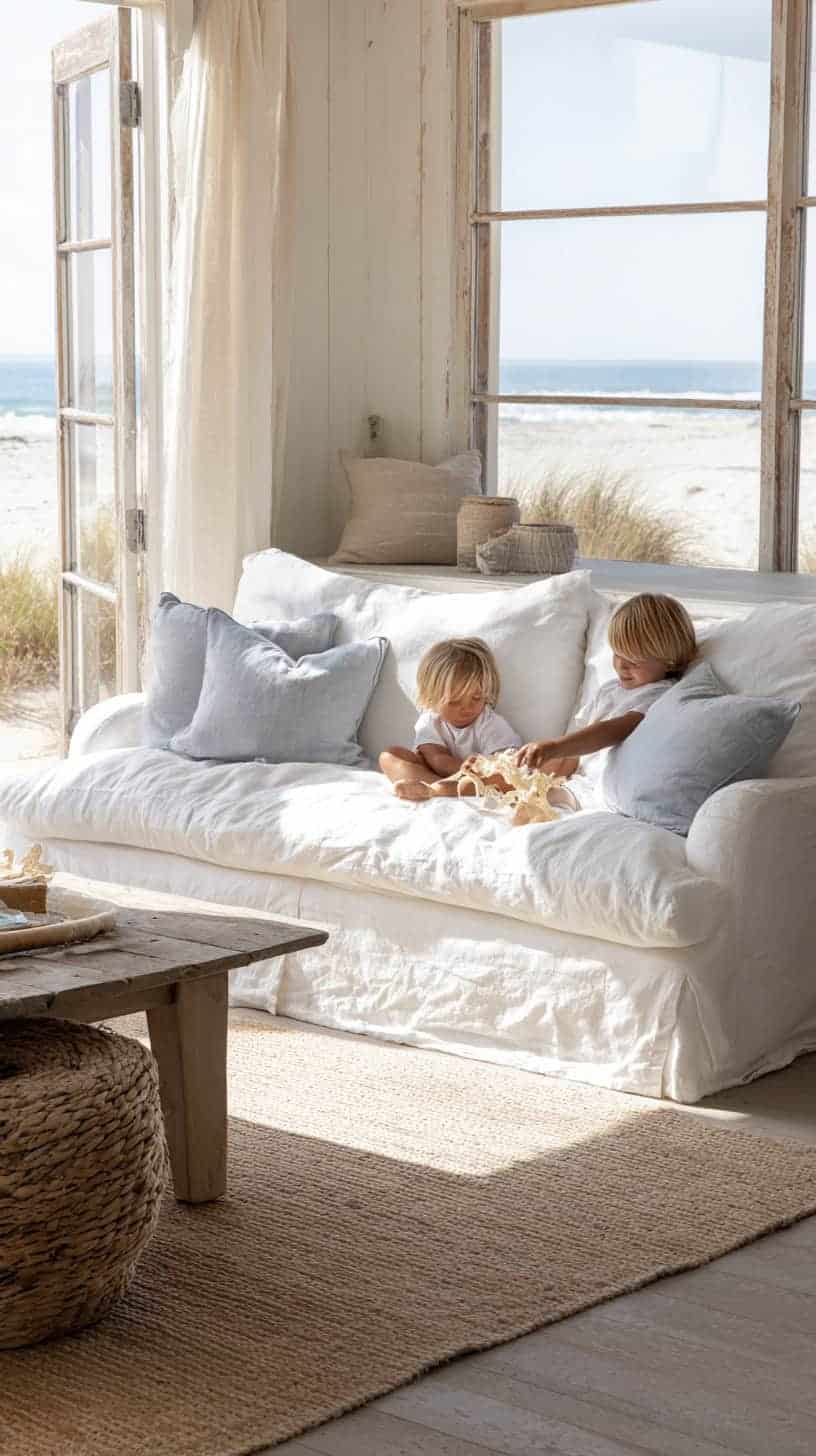
A coastal-inspired home doesn't require a shoreline address — it’s about shaping rooms that feel open, fresh, and easygoing. By choosing a restrained, light-focused palette and prioritizing items that stand up to real family life, a house can offer the relaxed atmosphere of a seaside retreat.
This guide outlines practical steps to design a comfortable coastal interior that balances beauty with function: palettes and materials that reflect the seaside, durable furniture and smart storage, simple decorative choices that carry meaning, and small seasonal updates that keep the look current without a full overhaul.
1. Build a Flexible, Airy Color Story
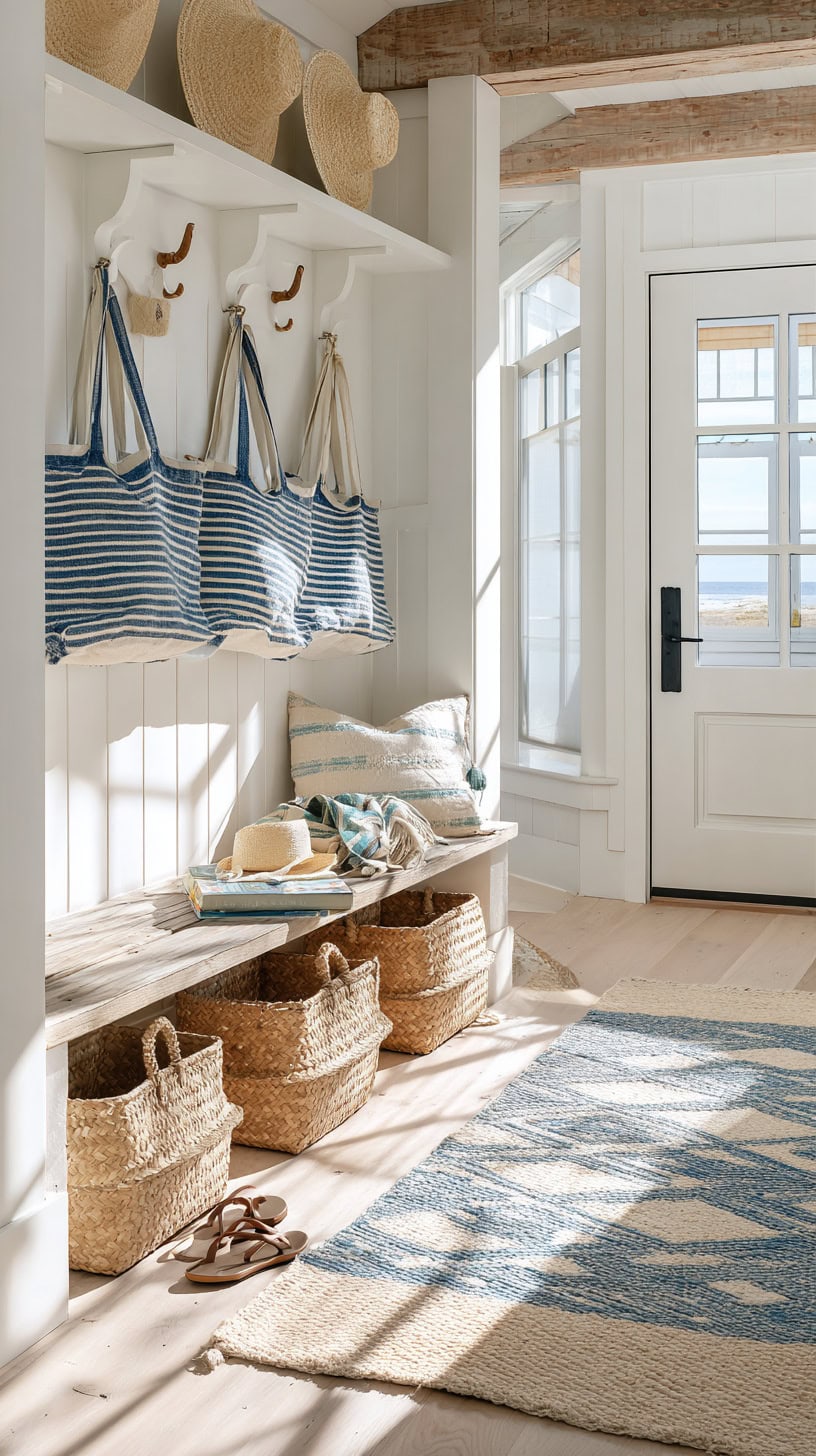
Start with a restrained base of pale neutrals to capture that breezy, spacious feeling. Aim for off-white or soft cream walls with accents drawn from muted ocean tones — think desaturated blues, subtle aquas, and gentle greens that read calm rather than saturated. Introduce warmer sandlike hues through rugs or larger upholstery to add depth without weighing the room down. Keep contrast low and repeat two or three colors across textiles, artwork, and accessories to create cohesion and allow seasonal swaps to feel seamless.
2. Prioritize Practical, Comfortable Furniture
Choose seating and surfaces that welcome everyday living: slipcovered sofas and chairs offer easy maintenance and a relaxed look, while performance fabrics replicate natural textures yet resist stains and spills. Opt for pieces with straightforward silhouettes and resilient frames, such as solid wood with a light finish or weathered veneers that hide wear. Consider multifunctional items — benches with storage or lift-top coffee tables — so surfaces can stay tidy. Avoid overly delicate details that demand constant care; comfort and longevity should lead design decisions.
3. Layer Natural Textures for Warmth and Interest
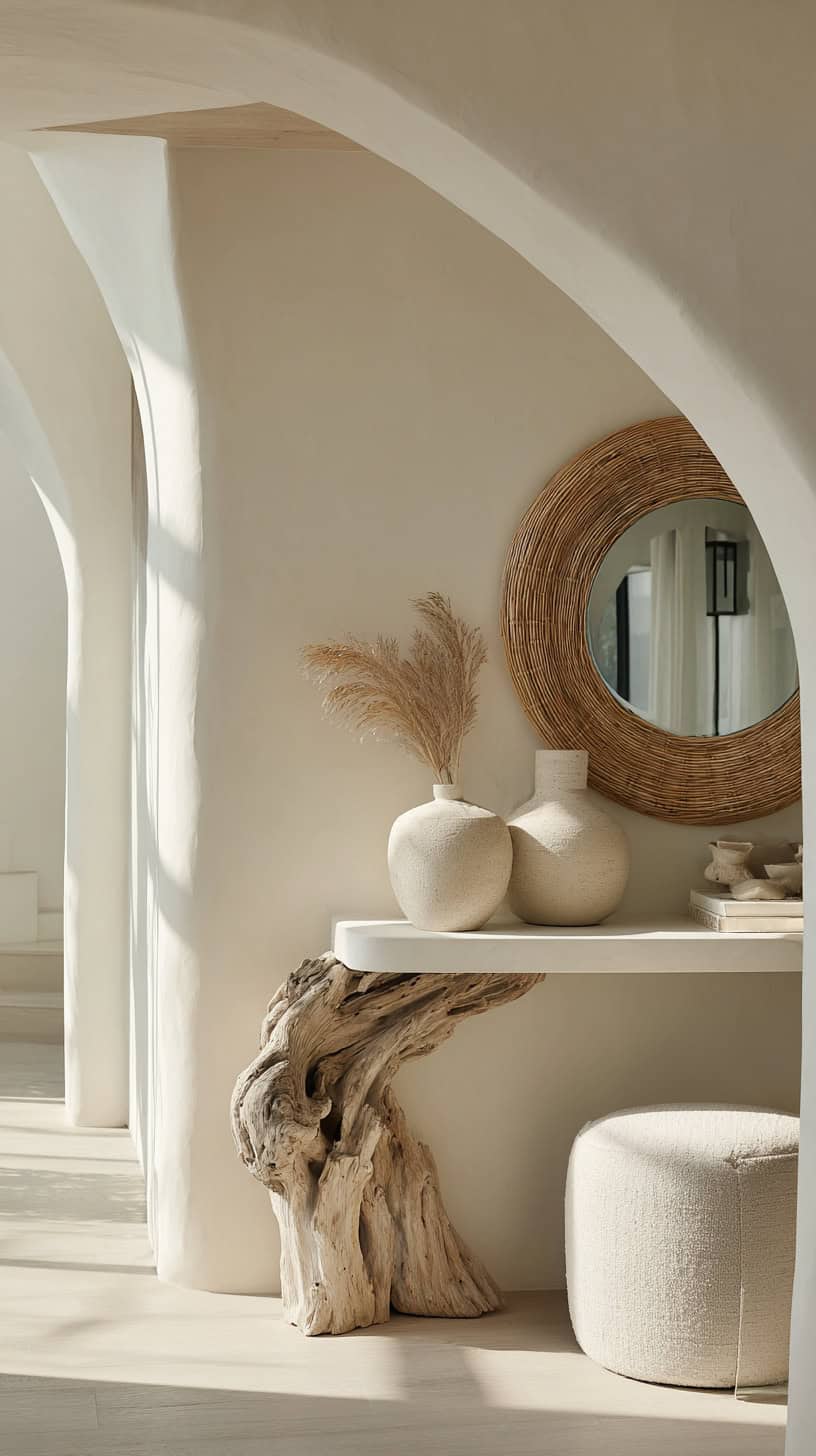
Bring the outdoors inside by layering materials like jute, rattan, linen, and light-stained wood. Natural-fiber rugs add grounding texture and perform well in high-traffic areas, while woven baskets provide attractive, accessible storage. Linen curtains and cushion covers lend an easy, slightly rumpled elegance that complements a coastal mood. Use modestly weathered wood pieces and touches of rope or driftwood as accents to introduce tactile contrast and a sense of place without overwhelming the scheme.
4. Design for Flow: Storage, Layout, and Light
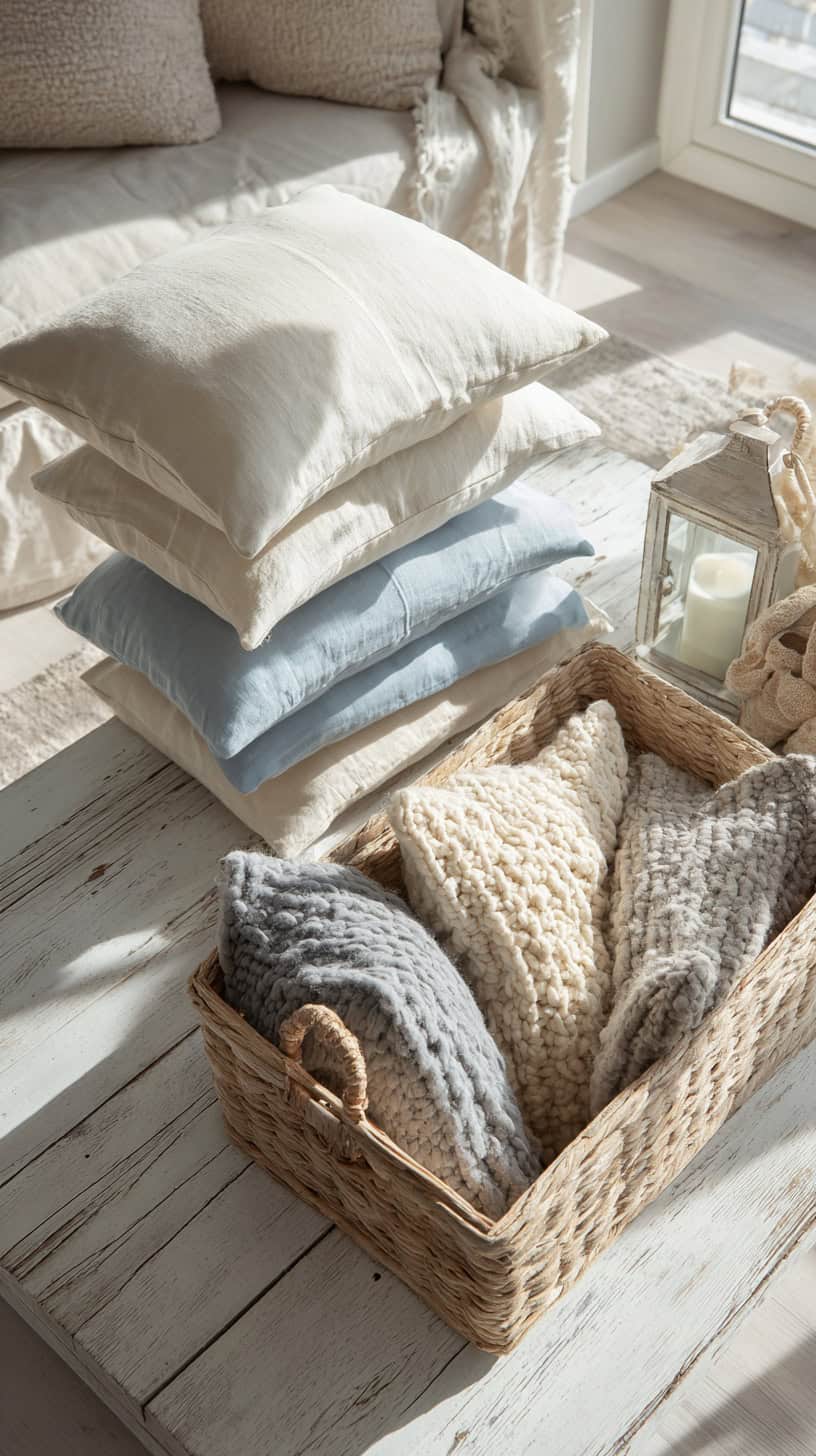
Keep sightlines open and circulation simple to maintain that airy coastal feeling. Where possible, float furniture to create conversational groupings and better movement paths. Integrate hidden storage solutions — built-in cabinets, under-seat compartments, and attractive baskets — so everyday items have a home and surfaces remain uncluttered. Maximize natural light with sheer window treatments or unobstructed windows and place mirrors to reflect light further, making small rooms feel larger and more connected.
5. Curate Personal, Subtle Wall and Shelf Decor
Choose a few meaningful pieces rather than filling every surface: large-scale artworks or photography with soft coastal hues create serene focal points. Vintage maps, framed charts, or simple landscape prints add narrative without becoming costume-y. Display collected shells or travel keepsakes sparingly in glass jars or shallow bowls to preserve sentiment without clutter. Arrange objects in odd-numbered groups and vary heights to create composed, airy vignettes that feel intentional and personal.
6. Make Bedrooms and Baths Serene, Functional Retreats
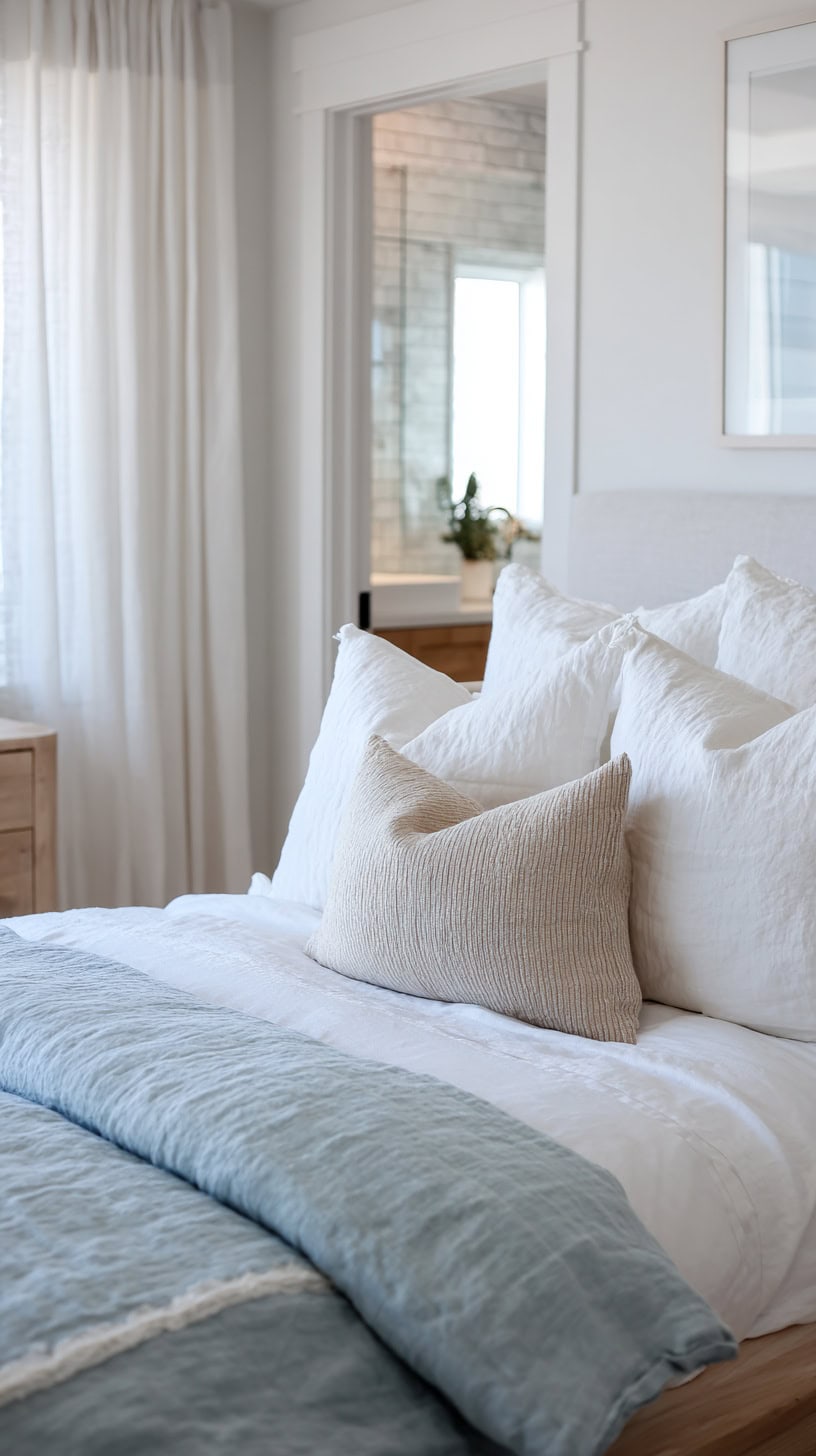
Aim for calm, uncluttered sleeping spaces by layering breathable bedding in neutral or muted coastal tones and minimizing furniture to essentials. Soft lighting and blackout options support restful sleep, while a few well-placed pillows and throws create a cozy nest. In bathrooms, select washable linens, easy-care shower textiles, and simple storage to keep counters tidy. Small details — a wooden stool, a basket of rolled towels, or a single potted plant — add spa-like comfort without excess.
7. Refresh with Simple Seasonal and Trend-Minded Touches
Establish a core look that works year-round, then update small elements seasonally to keep the home feeling fresh. Swap pillow covers and throws for lighter or richer textures according to the season, update centerpieces or plantings, and rotate a standout artwork or mirror for a subtle change. Incorporate a few current touches — organic-shaped mirrors, warmer metal accents, or refined driftwood pieces — to modernize the scheme while retaining the overall relaxed coastal character.
Final Thoughts
A comfortable coastal home balances light, texture, and utility: a soft color foundation, resilient furnishings, layered natural materials, and curated accents create a lived-in, peaceful space. Small, intentional updates and tidy storage keep the look relaxed and family-ready, so daily life feels calm and welcoming.