Seaside Tile Inspirations: Fresh Ways to Create an Ocean-Like Bathroom
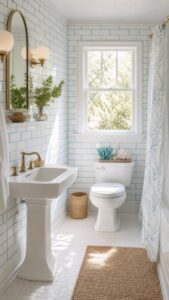
Transforming a bathroom into a calm, seaside retreat can be achieved largely through thoughtful tile choices. Tiles set the tone, add texture, and determine how light and color behave in a room. With a few strategic decisions, an ordinary bathroom can feel airy, restorative, and cohesive without committing to a full remodel.
This guide presents practical ideas for creating an ocean-inspired bathroom using tiles—covering durable material options, subtle accents, patterns, and maintenance-friendly finishes. Each suggestion focuses on realistic installation and upkeep so the look stays beautiful and functional over time.
1. Begin with a Neutral, Spacious Foundation
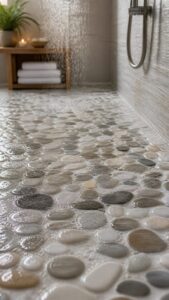
Starting with a neutral tile across floors or walls creates a serene backdrop that easily accepts coastal colors and changing accessories. Large-format tiles in sandy beige, soft greys, or warm taupes reduce grout lines and make small bathrooms read as larger and less busy. These tiles work well as a continuous ground for wood-look vanities or white fixtures, and they simplify cleaning. Choose a matte or low-sheen finish for slip resistance on floors, and consider porcelain for its stain resistance and longevity. Using the same tile on both wall and floor or carrying it up into the shower creates a cohesive, spa-like volume that feels calm and collected.
2. Use Glass and Translucent Tiles to Capture Light
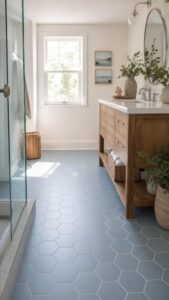
Glass subway tiles, sea-glass mosaics, or frosted blocks bring luminous depth to a bathroom, reflecting and diffusing light in a way that recalls water. Glass tiles are non-porous and easy to wipe clean, making them suitable for shower walls and backsplashes where moisture and splashes are frequent. Place them where natural or well-directed artificial light can interact with their surfaces to produce subtle shifts in color. For cost control, reserve glass tiles for an accent band, niche, or backsplash rather than entire walls. When choosing grout for glass, pick a color that complements both the tile and the overall palette to avoid harsh contrasts.
3. Underfoot Options: Pebbles, Penny, and Wood-Look Planks
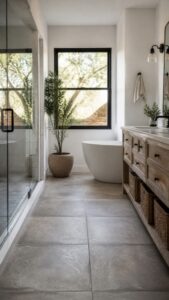
Floor tiles set the tactile tone of a bathroom, so choose materials that balance comfort with safety. Small-scale penny or pebble tiles provide texture and natural grip, especially on shower floors; pebbles offer a sandal-friendly surface and a relaxed, organic look. Keep in mind that these require careful grouting and periodic sealing to protect joints. Wood-look porcelain planks deliver the warmth and grain of driftwood without the moisture issues of real wood; they pair well with coastal palettes and are low-maintenance. For a luminous, vintage touch, iridescent penny tiles add shimmer and reflectivity when used thoughtfully on floors or in small accent areas.
4. Introduce Pattern and Movement with Geometric or Chevron Layouts
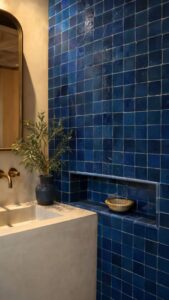
Patterns such as chevron, hexagon, and scallop shapes create visual energy reminiscent of waves and currents. A chevron floor in aqua and white or a navy hexagon field tile can become a room’s focal point, while scaled patterns in muted tones keep the effect sophisticated. Fish-scale or scallop tiles with glossy finishes mimic the shimmer of scales and are well suited for shower feature walls or vanity surrounds. When using pattern, balance is key: pair busy floors with simple wall tiles and neutral fixtures to prevent the space from feeling cluttered.
5. Choose Resilient Alternatives to Natural Wood and Stone
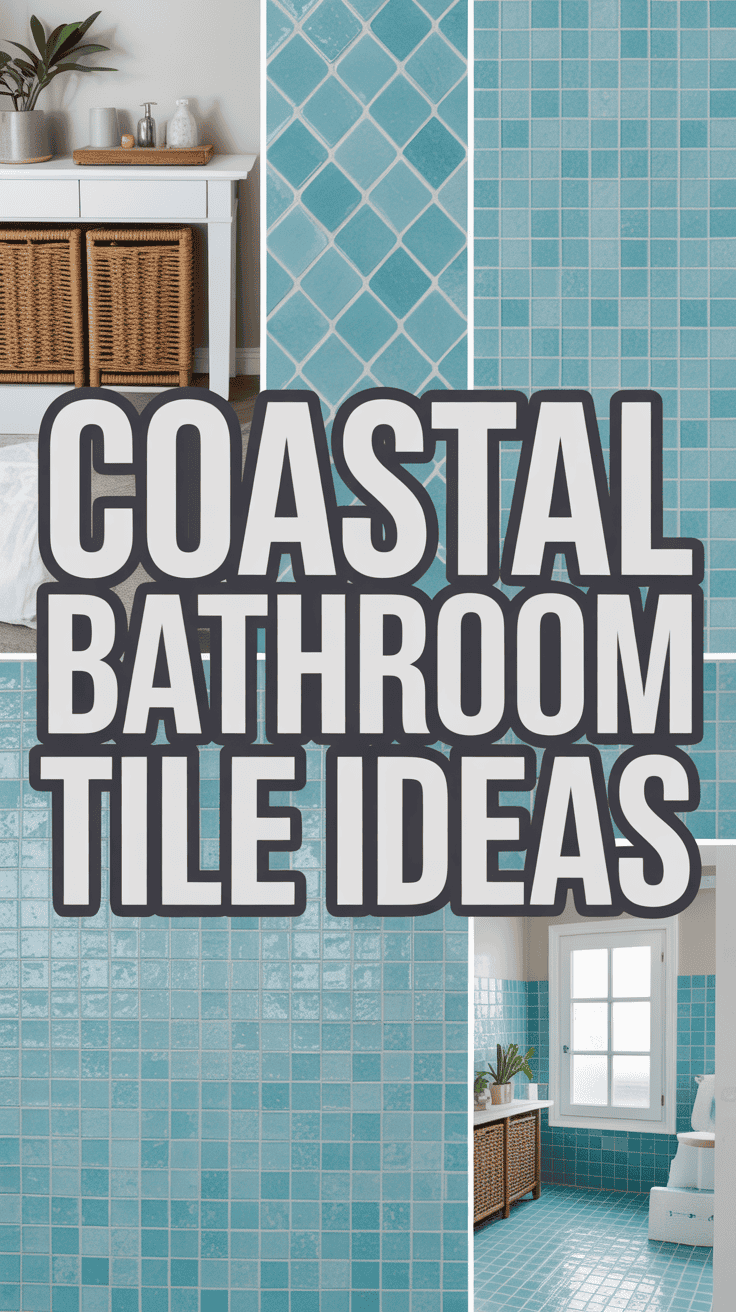
If a beachy aesthetic is desired without the long-term care natural materials demand, porcelain and ceramic offer convincing stone and wood looks with added durability. Marble-look porcelain provides the streaked elegance of natural stone with resistance to etching and staining, while slate-look porcelain gives textured depth without the need for intensive sealing. Wood-look porcelain creates a warm, beachy vibe and can be installed in herringbone or straight-plank patterns for variety. These manufactured tiles are practical for family bathrooms and high-traffic areas because they stand up to cleaners and heavy use.
6. Subtle Nautical Details: Borders, Embossed Motifs, and Artisan Tiles
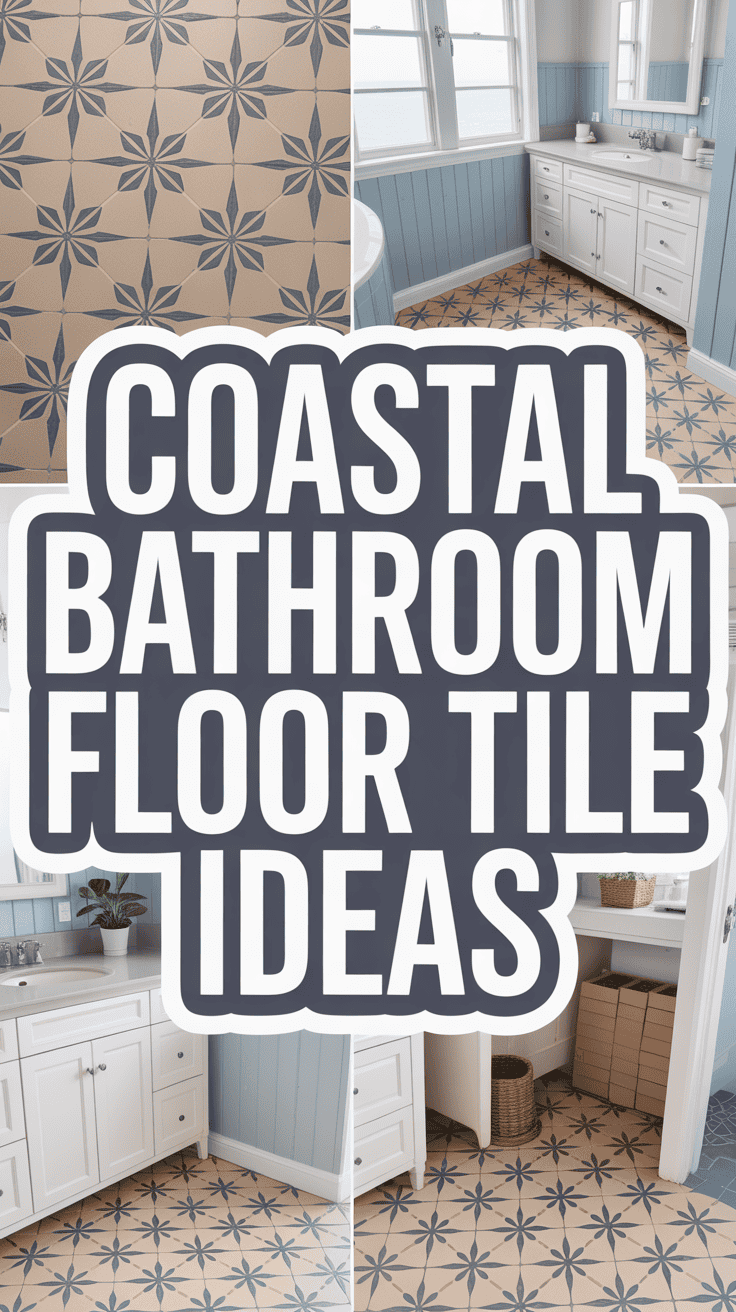
Small decorative touches—like rope-pattern borders, embossed sea creatures, or handcrafted tiles with irregular gloss—add personality without overwhelming a design. A narrow rope border can frame a mirror or run horizontally as a visual break, while embossed sand dollar or starfish tiles scattered among neutral field tiles introduce whimsy appropriate for powder rooms or children's bathrooms. Artisanal options such as zellige have slight variations and shine that create movement and depth; use these where they will be seen up close, such as a feature strip or niche, to maximize impact while controlling costs.
7. Practical Considerations: Grout, Sealers, and Finishes
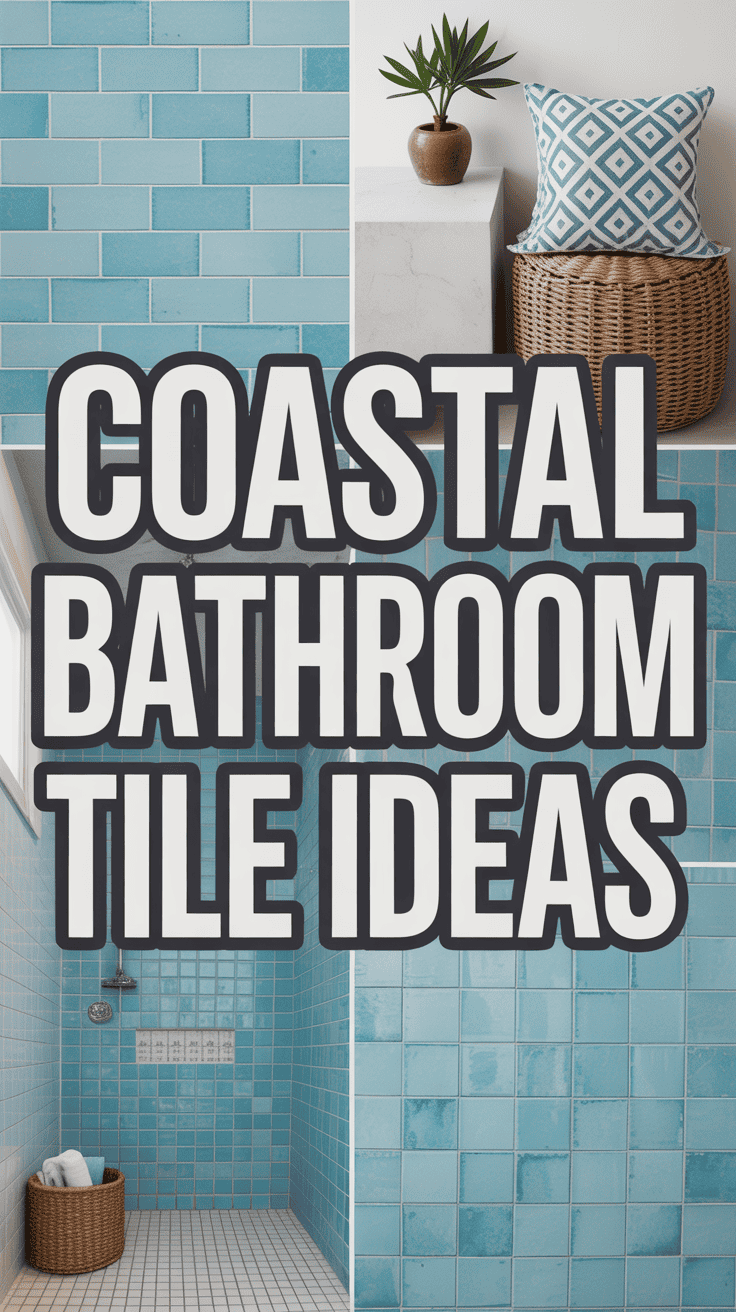
Decisions about grout color, sealing, and tile finish influence both maintenance and appearance. Darker grout can hide soiling but will alter the perceived color of tile edges; a complementary grout hue can emphasize a pattern or create a more subtle, continuous surface. Natural stone and cement-look tiles benefit from quality sealing to protect pores and grout joints, while ceramics and porcelain generally require less. Match tile finish to use: choose textured or matte finishes for wet-floor safety, and glossy tiles sparingly where reflections and light play are desired. Planning these details at the outset prevents surprises during installation and ensures long-term satisfaction.
Final Thoughts
Creating an ocean-inspired bathroom is about balance: combining durable, low-maintenance tile choices with a few well-placed accents that capture light, texture, and pattern. By selecting tiles that suit the room’s function and scale and by attending to grout, sealers, and finishes, it’s possible to craft a relaxed, seaside atmosphere that stays practical and beautiful for years.