Cozy Living Room Makeover: Simple Design Moves for Everyday Comfort
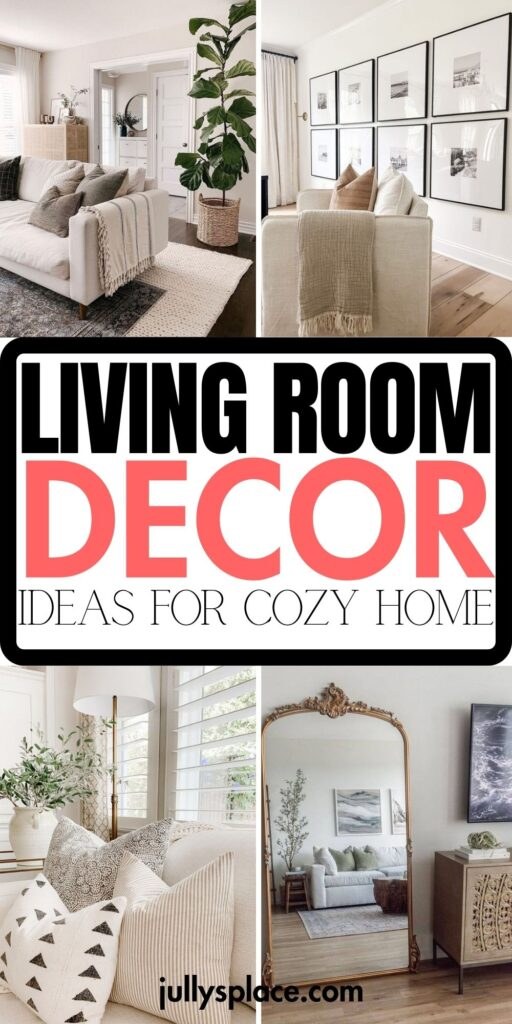
A living room should feel like a warm invitation — a space where you can relax, entertain, and store the small things that make daily life easier. Small design adjustments that focus on scale, lighting, texture, and clever storage will change how the room feels without requiring a full renovation. This article walks through practical, low-stress ways to create a cozier living room that reflects your routine and style.
Each section here is structured as a hands-on mini-project: a short, friendly explanation followed by a clear list of what you’ll need and step-by-step instructions you can follow in an afternoon or over a weekend. Use these ideas singly or combine several to build the layered, comfortable space you want.
1. Start with a Functional Layout
Good flow and correct scale are the backbone of comfort. Before buying or moving anything, measure the room and map traffic paths so seating feels intentional and won’t interrupt daily movement. Identify the room’s focal point — a window, fireplace, or media wall — and arrange seating to support conversation and sightlines rather than simply lining everything against the walls.
What You’ll Need
- Tape measure and pencil
- Paper or a simple room-planning app
- Painter’s tape or paper templates for furniture footprint
- Level or long straight edge
How to Put It Together
- Measure the room, windows, and door swings; note any radiators or vents to avoid blocking.
- Use painter’s tape or cardboard templates to outline large furniture pieces on the floor and visualize walkways.
- Place the largest seating first (sofa or sectional) facing the focal point; leave at least 30–36 inches for primary walkways.
- Create a seating conversation triangle by positioning chairs and a coffee table so everyone can talk comfortably without turning their bodies uncomfortably.
- Anchor the grouping with a rug sized so the front legs of major pieces sit on it; secure rugs with a pad to avoid slips.
2. Layer Lighting for Warmth and Flexibility
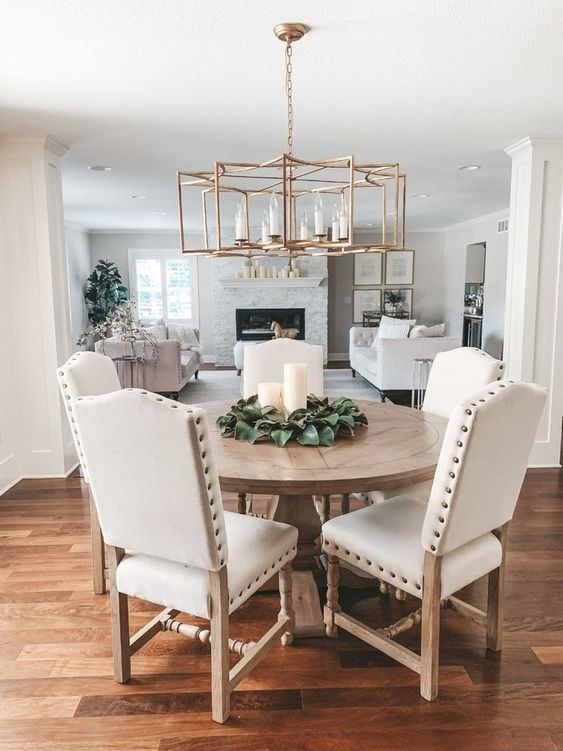
Good lighting is both practical and atmospheric. Combine ambient, task, and accent lighting to create options for reading, watching TV, and evening relaxation. Aim for a mix of overhead fixtures, table or floor lamps, and small accent lights to sculpt the room and control glare.
What You’ll Need
- Overhead fixture or dimmer-ready bulbs
- Floor lamp and one or two table lamps
- Accent lights (picture lights, plug-in sconces, or LED strips)
- Surge protector and cord covers
How to Put It Together
- Test the room at different times of day to assess natural light; note where shadows fall during evening hours.
- Install a warm-color bulb (2700–3000K) in the central fixture and put it on a dimmer if possible for flexible ambiance.
- Position a floor lamp by seating used for reading or knitting; add a table lamp on the console or side table for task lighting.
- Use low-voltage accent lights to highlight shelves or art; keep wattage within fixture limits and follow electrical safety guidelines.
- Conceal cords along baseboards or use cord covers and avoid overloading outlets; unplug decorative lights before sleeping or when away for long periods.
3. Add Comfort with Rugs, Throws, and Pillows
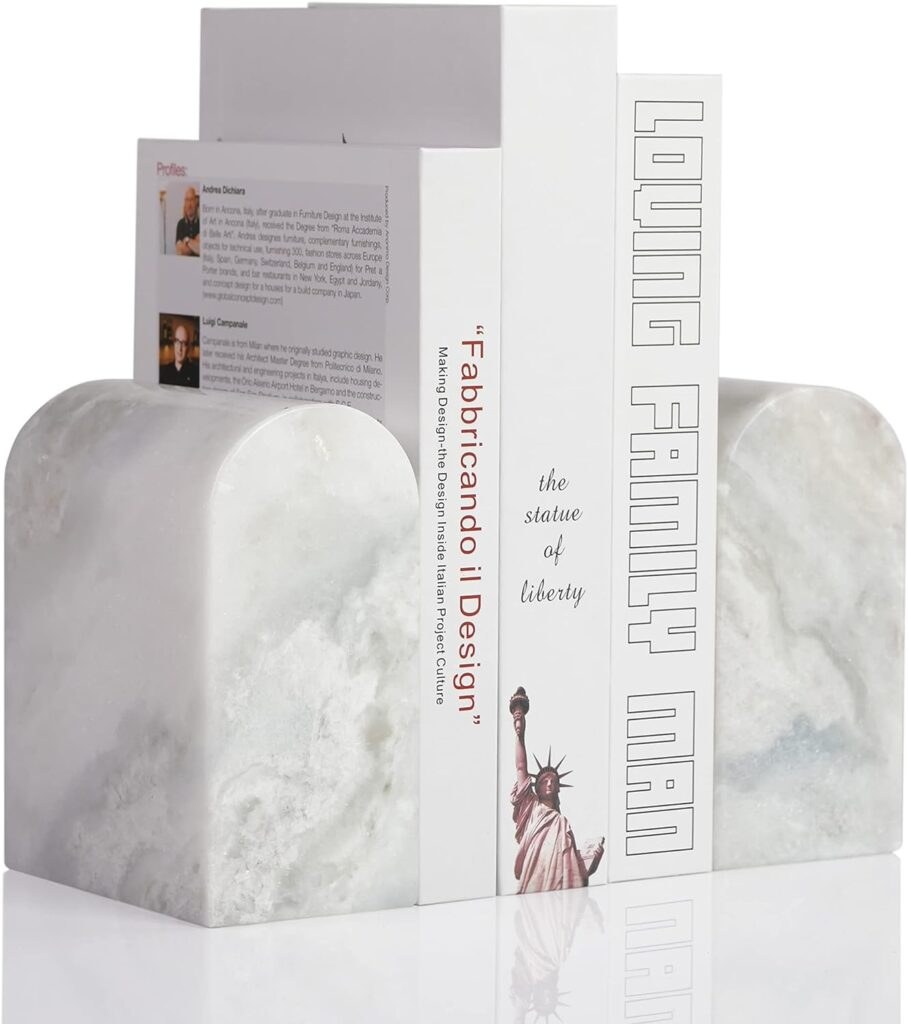
Textiles instantly soften a room and invite people to linger. Choose a rug that’s proportionate to your seating arrangement, then layer texture with throws and pillows in varying sizes and fills to create depth. Think in terms of touch and temperature: natural fibers and plush weaves feel cozy, while washable covers make maintenance easier.
What You’ll Need
- Rug large enough for seating arrangement and a non-slip rug pad
- Variety of throw pillows in different sizes and fills
- A couple of throw blankets in complementary textures
- Upholstery-safe fabric spray or gentle cleaner
How to Put It Together
- Select a rug that allows the front legs of seating pieces to sit on it (or pick one large enough for all legs to rest on it in larger rooms).
- Add a rug pad underneath to prevent slipping and protect floors, trimming the pad slightly smaller than the rug if needed.
- Layer pillows: start with two larger, neutral pillows and add one or two smaller patterned or textured pillows for contrast.
- Fold throws at the arm of a sofa or drape casually over a chair; choose one throw in a contrasting texture to the rug for visual interest.
- Rotate and wash cushion covers and vacuum rugs regularly to keep fabrics fresh and allergen-free.
4. Smart Storage That Hides Clutter and Shows Style
A cozy room feels relaxed, not cluttered. Use storage that doubles as furniture — ottomans with interiors, credenzas, and low shelving — to keep everyday items out of sight. Vertical storage and closed-door units reduce visual clutter, while baskets and boxes let you organize by activity: media, knitting, children’s toys, or pet supplies.
What You’ll Need
- Storage ottoman or bench with lid
- Media console or low cabinet with doors/drawers
- Woven baskets, labeled boxes, or magazine holders
- Cord organizers and cable ties
How to Put It Together
- Sort items into categories (keep, donate, relocate) to reduce what needs daily storage.
- Place frequently used items in easy-to-reach storage (ottoman, side table drawer); less-used items go on higher shelves or in closets.
- Use baskets or boxes to corral loose items on open shelves; label them for quick access.
- Install a media console that hides cords and devices; use cable ties and a power strip with surge protection behind the unit.
- Secure tall shelving to wall studs with anchors to prevent tipping, especially in homes with children or pets.
5. Curate Walls with Art and Mirrors for Scale and Light

Walls set the mood of a room. Large art can simplify a look and anchor furniture, while a thoughtfully placed mirror reflects light and makes the room feel bigger. When arranging pieces, work with scale: a small print over a long sofa will look lost, while one large piece often reads as calm and intentional.
What You’ll Need
- Artwork or framed prints sized to wall space
- Mirror (optional) sized to visually expand a wall
- Picture hanging kit with anchors and a level
- Painter’s tape and kraft paper for layout planning
How to Put It Together
- Plan layouts by cutting kraft paper the size of frames and taping them to the wall to visualize spacing before making holes.
- Hang art so the center sits near eye level (about 57–60 inches from the floor) or slightly lower when above seating.
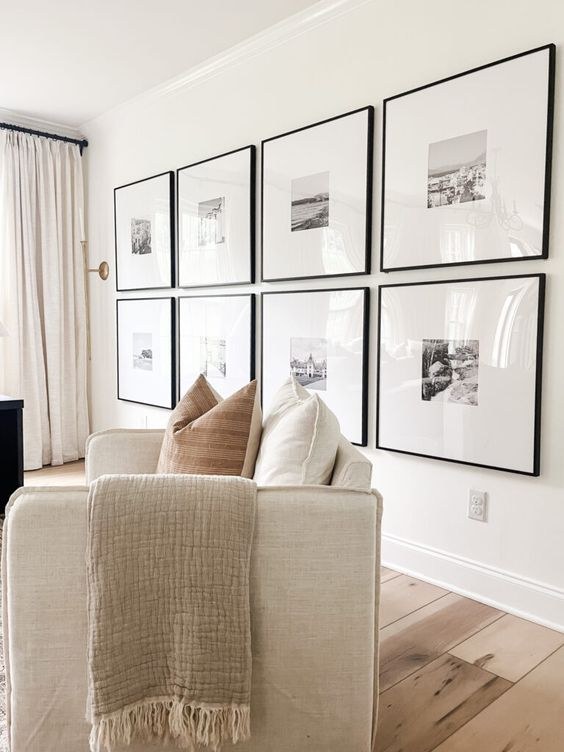
- For gallery arrangements, cluster pieces with consistent spacing (2–4 inches) and include a mix of heights and frames for texture.
- Place a mirror opposite a light source or window to amplify daylight, but avoid placing mirrors where they will glare into seating areas.
- Use appropriate anchors for the wall type and heavier pieces; test that hooks are secure and periodically check screws for tightness.
6. Bring Life and Final Details with Plants and Styling
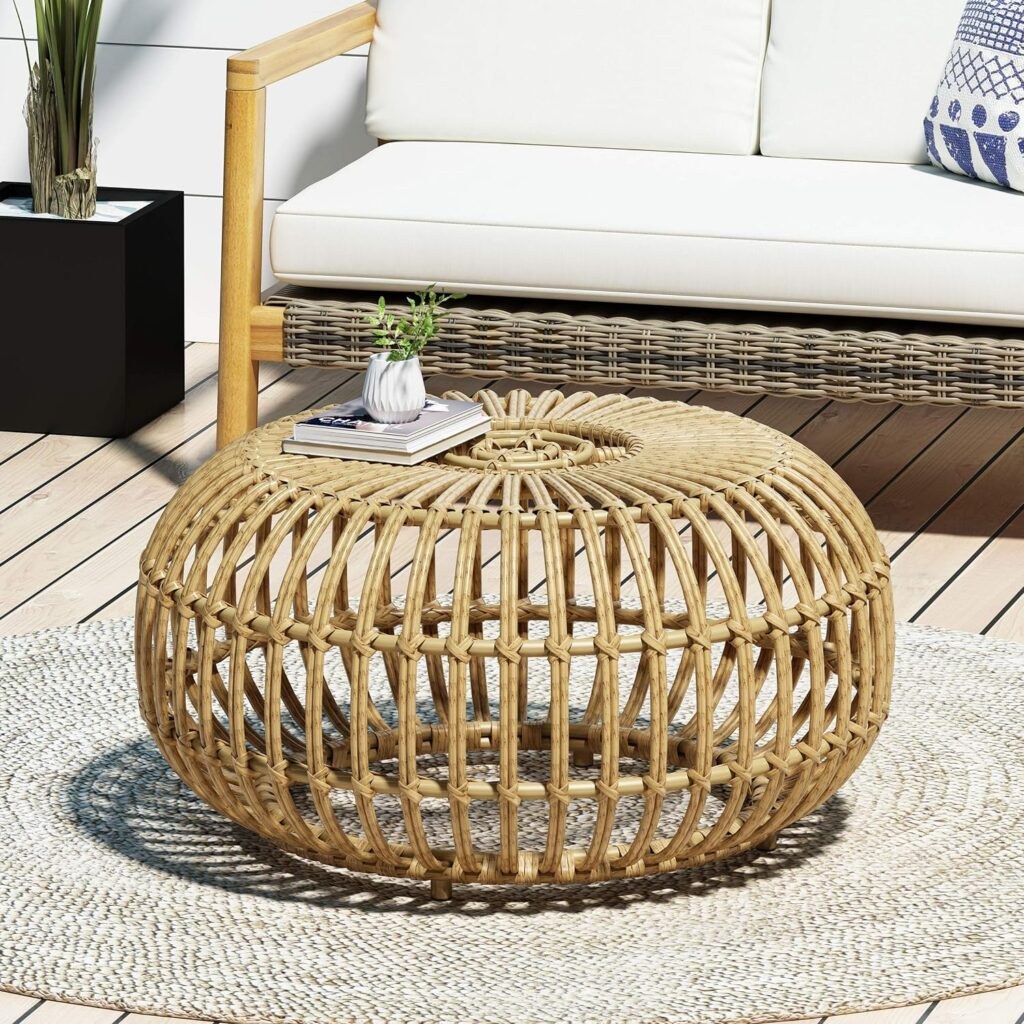
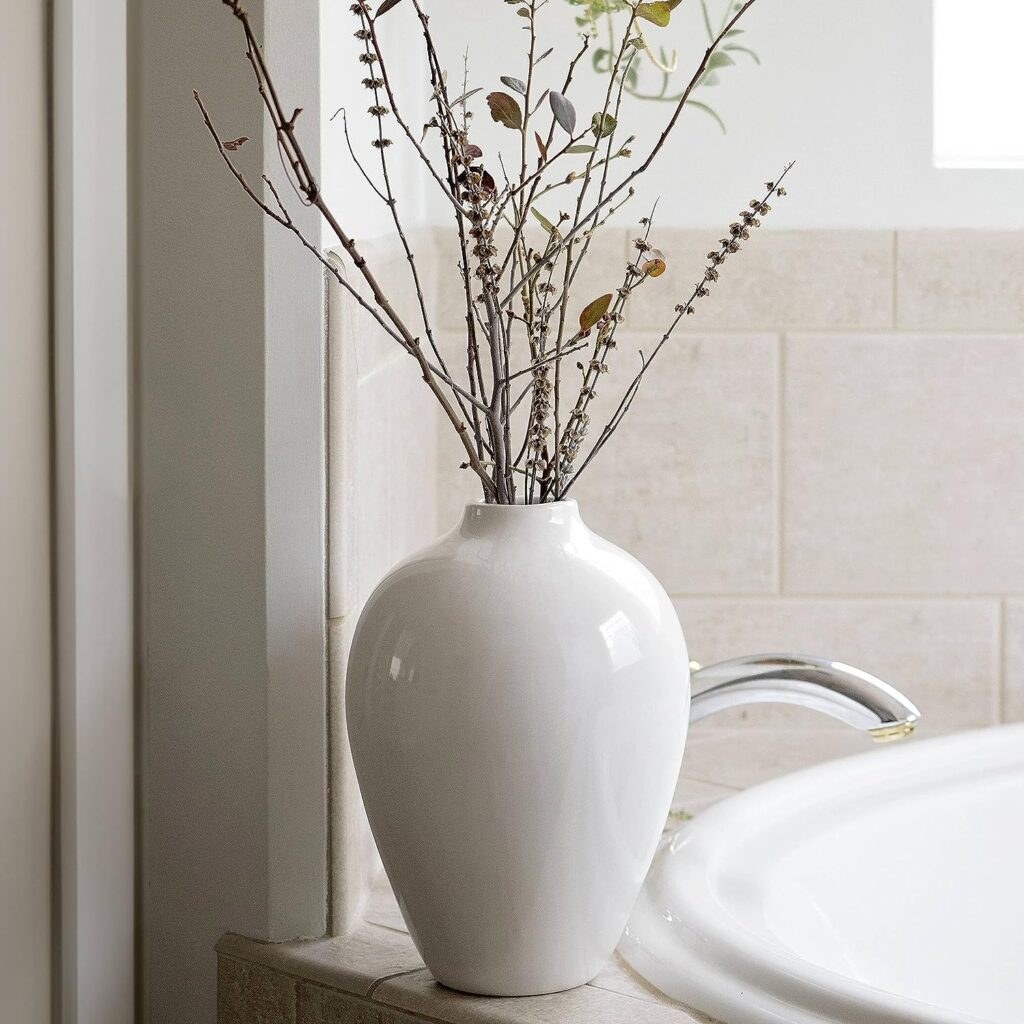
Greenery and the right small objects make a room feel lived-in instead of staged. Choose plants suited to your light levels — low-light tolerant varieties for shaded rooms and a few statement plants for bright corners. Finish surfaces with a mix of books, a decorative tray for remote controls, a candle, and a personal object to create curated, functional vignettes.
What You’ll Need
- A few potted plants (or realistic faux plants if maintenance is a concern)
- Planters with saucers or drip trays
- Trays or small bowls for corraling items
- Coasters, a small stack of books, and one or two decorative objects
How to Put It Together
- Identify spots with enough light and select plants appropriate to those conditions; consider low-maintenance kinds like snake plant or ZZ plant for beginners.
- Use pots with saucers to protect floors and rotate plants occasionally for even growth; avoid placing plants where they block walkways.
- Group objects in odd numbers on trays (3–5) for a natural look; mix heights and textures such as a candle, a small stack of books, and a single decorative item.
- Keep a small watering schedule and clean leaves occasionally to help plants thrive; for homes with pets, verify plant safety or keep plants out of reach.
- Step back and edit: remove anything that feels redundant to maintain a serene, uncluttered finish.
Final Thoughts
A cozy living room is the sum of practical choices made with intention: right-sized furniture, layered lighting, tactile textiles, and thoughtful storage. These interventions needn’t be expensive — most are about placement, proportion, and small swaps that make daily life smoother.
Pick one section to tackle this weekend and build from there. With a few measures for safety and scale, you’ll create a living space that’s both welcoming for guests and perfectly tuned to your everyday comfort.