A Practical, No-Nonsense Plan to Earn Extra Money for the Holidays

The holidays are easier when you stop hoping for one big break and instead pull together a short, honest stack of moves: something that pays this week, a steady hustles for the month, and one or two small setups that keep paying after the decorations come down. Below are 17 focused ideas arranged into a clear sequence, with examples you can act on tonight.
1. Work Backward: Build the Christmas Number from Categories
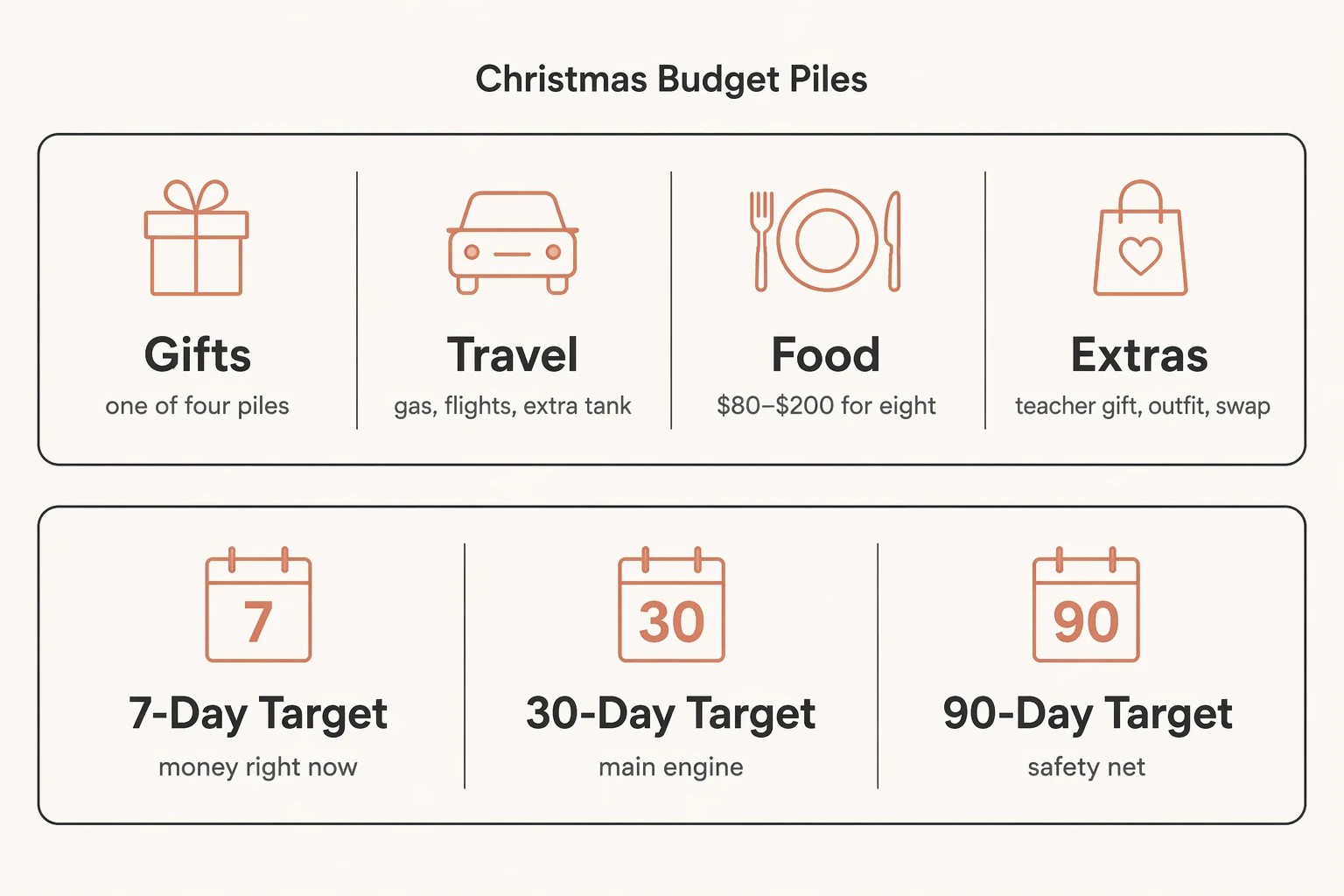
Start by naming the buckets: gifts, travel, food, and extras. Estimate a dollar amount for each rather than throwing out a vague total. For example, list three travel costs (gas, parking, one round-trip flight), set menu line items for a dinner party (appetizers, main, sides, drinks), and add a modest buffer for unexpected small purchases. Once those buckets exist, you will see the real total and be able to split it into immediate and later tasks. That clarity stops wishful thinking and produces a plan: sell two items this week, pick up four short shifts this month, and set aside a small recurring deposit for next year.
2. Stacking Speed: Match Income Streams to When Money Is Needed
Think of your holiday income as three coordinated lanes. Lane one is lightning-fast: items you can sell tonight or a cash job this weekend. Lane two is steady: gigs that pay within weeks, like short-term shifts or invoiced freelance work with prompt payout. Lane three is the slow trickle that creates next-year buffer, such as a digital file or a savings habit. As an example, list five unwanted items for immediate sale, book two tutoring sessions for the next three weeks, and create a simple downloadable checklist that can be listed now to earn passive sales after December. Choosing one action in each lane prevents last-minute scrambling.
3. Turn Things You Own Into Cash This Week
If you need money in seven days, price to move. Pick ten items this evening—clothes, small appliances, baby gear—take decent photos and post them with clear, local pickup language. For speed, round prices down to attract buyers who can pay cash faster; a $40 quick sale beats a $75 listing that never moves. Also check payout settings on any platform you use: some services let you cash out instantly for a small fee, others hold funds for days. Practical example: photograph a barely used blender, list it with ‘local pickup, cash only, available this Saturday,’ and follow up the same night with one relist if it stalls.
4. Clear Out Clutter That Pays: Clothing, Decor, and Small Goods
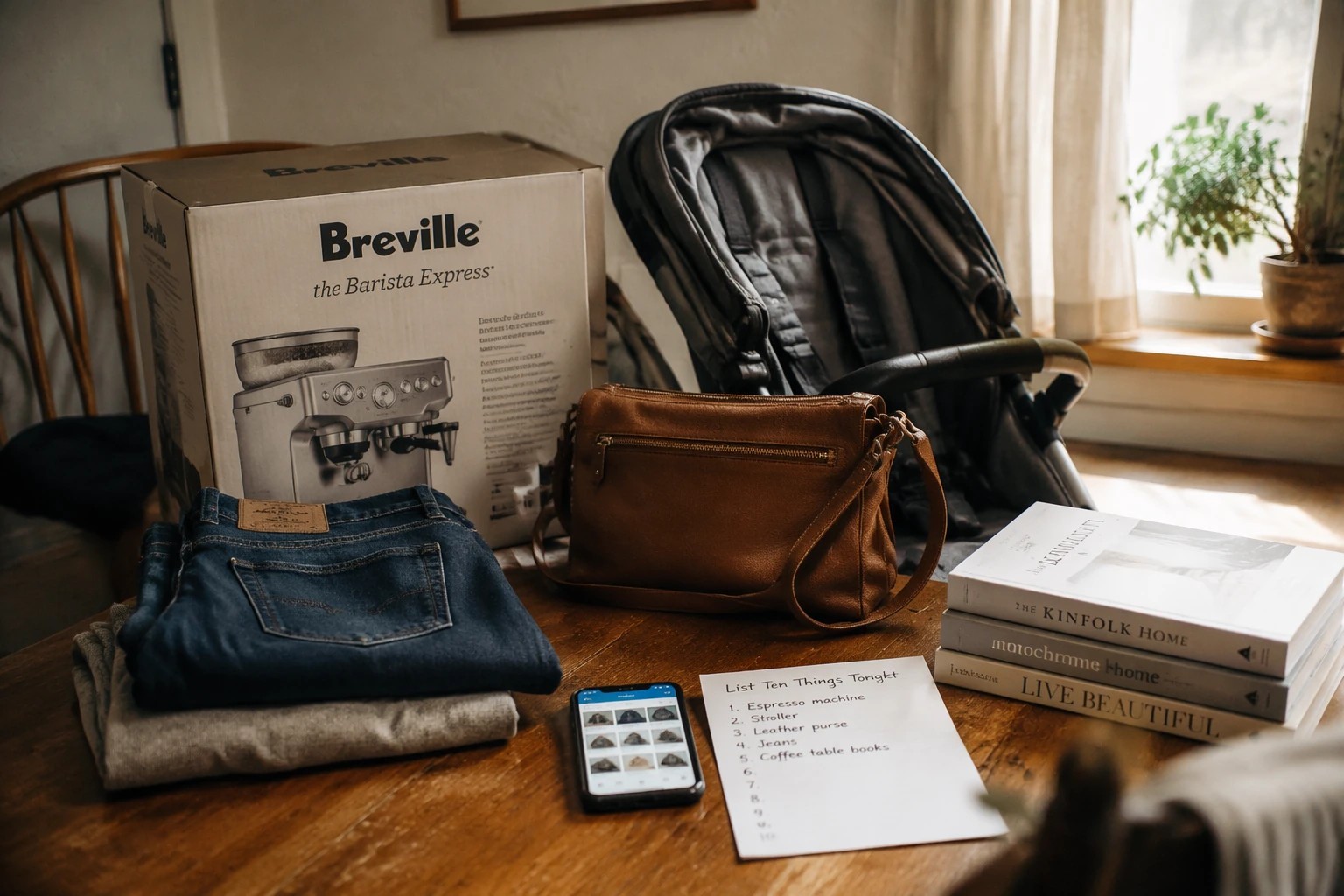
A storage box you aren’t opening is inventory you already paid for. Photograph items in natural light against a plain background—one clear image will do—then price at about half of retail and round down. Ship lightweight items or list bulky pieces for local pickup only. For example, a tag-on jacket can go live on an apparel marketplace with an exact size and two good photos; a decorative lamp belongs on a local listing with dimensions and a note about pickup. If something doesn’t sell in a week, delete and repost it with a lower price; freshness on the platform often drives views.
5. Flip Electronics and Small Furniture—Only the Quick Wins
Flipping can be profitable if you buy items you can fully inspect and resell quickly. Avoid purchases where you can’t test functionality on the spot. Practical moves include buying a lamp, testing it, wiping it down, photographing well, and relisting for at least double the purchase price if transport and time remain minimal. For furniture, prefer small pieces you can move in one trip without renting a vehicle. Factor cleaning, answering messages, and a realistic transport cost into your margin before you buy. A tidy bedside table that needs only a wipe and a good photo is a better bet than a sofa that requires cleaning and a truck.
6. Offer One Local Service and Be the Fast Option
In winter, proximity is a currency. Pick a single service—gift wrapping, ladder work, grocery runs—and advertise it in one neighborhood group with a clear price and limited time slots. For example: ‘I’ll hang outdoor lights Saturday, bring my ladder, $45/hour, three spots.’ Specificity sells: neighbors want someone who can show up in 30 minutes, not a vague generalist. Cap the availability and update the post when slots fill to create urgency. Pricing should favor speed; urgent help is worth a small premium because it removes the buyer’s stress and the unknowns from the day.
7. Use Evening and Weekend Gaps for Tutoring, Childcare, or Pet Care
Match services to the pockets of time you already have: tutoring fits post-dinner homework slots, pet walking covers 30-minute morning windows, and childcare often needs evenings. Offer a short trial session at a discount to build a local review you can quote. For example, run a one-hour math help session twice a week, advertise it in a community board with a parent testimonial, and then ask for a text reference from that first client. Price reliability—parents and pet owners pay more for confirmed availability and quick replies—rather than competing on lowest hourly rates.
8. Drive or Deliver Smart: Protect Profit per Mile
If you plan to earn by running errands or delivering, protect your per-mile earnings. Map your town and cluster runs around dense strips where multiple pickups or drop-offs are nearby. Avoid accepting long single trips that look good at first glance but burn fuel and time. Use peak windows—late-night or early-morning grocery rushes and dinner surges—when bonuses and tips can improve hourly pay. Check the platform’s payout options before you accept work; instant cash-outs (for a small fee) may be worth it if you need money before Christmas. Practical example: focus Saturday mornings within a three-mile radius of a supermarket to minimize deadhead driving.
9. Target Holiday Roles That Put Cash in Hand Quickly
Apply to employers who need bodies in days, not weeks—retail stores with front-door hiring signs, event caterers, and temporary positions tied to seasonal demand. Walk into stores and ask for the shift manager; a weekend availability pitch often lands a same-week start. Favor roles that pay weekly or hand out checks directly after events. For example, a catering pre-shift that pays a cash stipend at the end of a dinner is more useful for an immediate need than a role that pays biweekly with a long onboarding process. Batch a single application packet and send it to multiple local roles to increase callbacks.
10. Choose Seasonal Retail or Warehouse Work with Clear End Dates
Seasonal roles range from chaotic gift-wrap stations to steady warehouse shifts. If you need predictable hours, prefer fulfillment centers or warehouses that post fixed schedules; if you want immediate flexible cash, gift-wrapping kiosks and retail registers often hire on the spot. Ask during the interview when the season ends so you aren’t left waiting for a phantom extra shift. For example, a wrapping booth that shuts December 24 gives a hard finish, while a warehouse contract that covers returns usually ends in early January—confirm overtime expectations before accepting the job if family holidays matter to your schedule.
11. Microtasks and Quick Tests: Fast Payouts for Small Efforts
Microtasks—short transcription jobs, website usability tests, or quick data checks—pay small amounts but release funds quickly. These are ideal when you have fifteen to sixty spare minutes and want immediate reward. Sign up for platforms with fast approval processes; focus on tasks you can complete without a portfolio or long onboarding. Treat it as a volume game: work until you hit your target for the night, then stop. Example: spend an evening doing several ten-minute website tests and a pair of short transcriptions, cash out the same day, and use that small stack to cover a specific gift or grocery expense.
12. Offer One Simple Freelance Service from Your Laptop
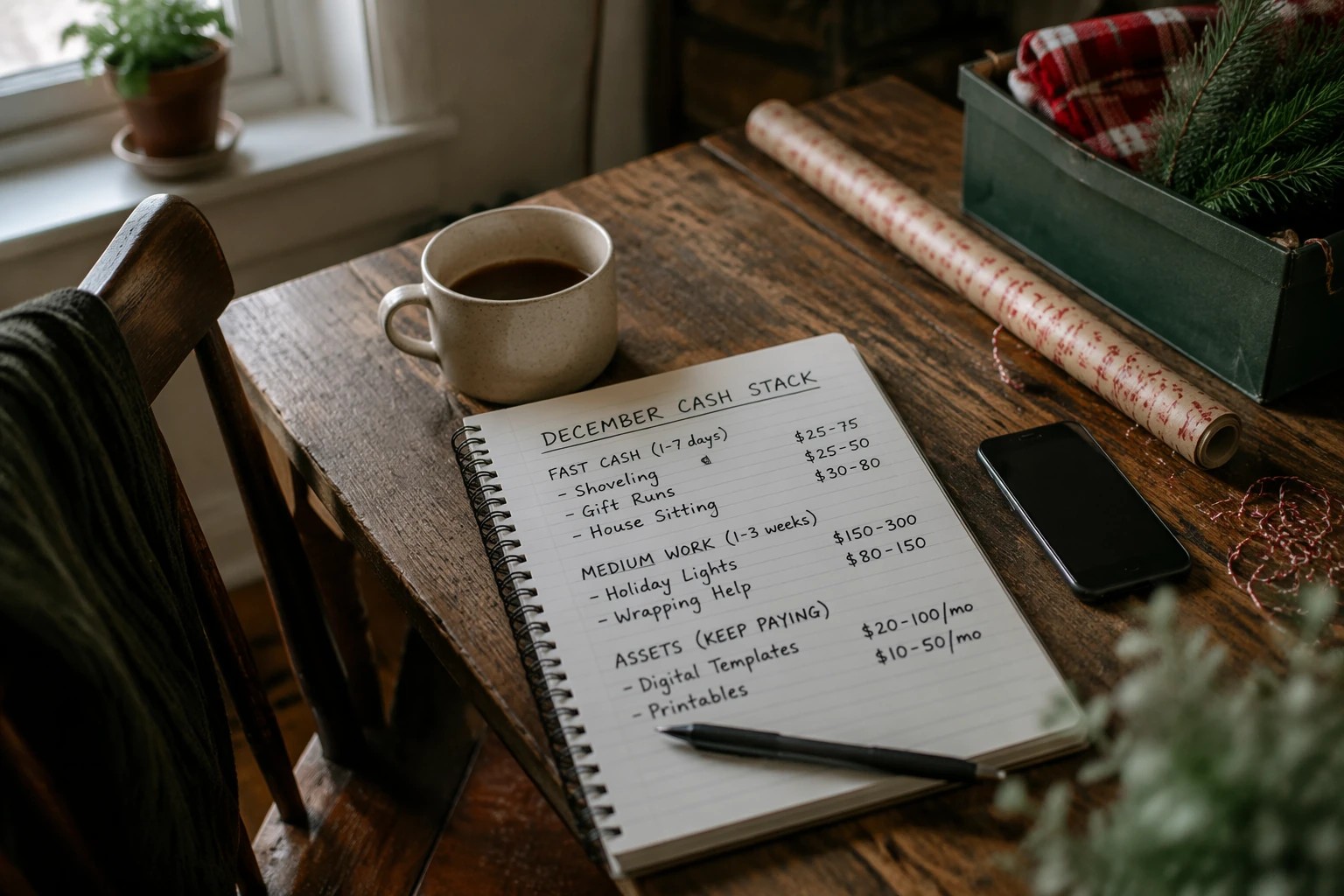
Narrow your offer to a single, clearly scoped service: a one-page resume formatting, five product photo edits, or a 300-word bio. Fixed-price packages sell faster than open-ended quotes. For instance, advertise ‘Resume refresh—$50—24-hour turnaround’ and include before-and-after examples. Use community boards and quick freelance platforms to find buyers who want immediate results. The speed of your delivery and clarity of scope are the selling points; a buyer who needs a short document fixed tonight will pay a fair price rather than start a long search for the ‘perfect’ provider.
13. Make Simple Holiday Crafts That Sell Locally
Handmade projects can pay if you focus on small, repeatable items that sell quickly: kid-friendly bead bracelets, minimal greenery wreaths, or cookie-decor kits where you prepare dough and include instructions. Look at what’s already selling in local marketplaces before you start. Produce a few and test them at a weekend community group or a pop-up table; if three move in two days, double production. Keep materials inexpensive and assembly time short, and price items to reflect your labor. Treat your first batch as market research—cheap to produce and easy to tweak—rather than a long-term craft brand launch.
14. Squeeze Spare Minutes with Cashback, Surveys, and Focus Groups
Cashback portals, paid surveys, and occasional focus groups won’t replace a paycheck, but they’re useful for spare-time earnings. Route routine online purchases through cashback services, complete surveys in evening pockets, and sign up for higher-paying focus groups or mystery shopper gigs when they match your schedule. For example, a single qualified focus group can pay more than several hours of surveys, so treat qualification screens like job interviews—answer honestly and consistently. Use these methods to top off a specific small expense, like a teacher gift or stocking-stuffer fund, rather than aiming to cover large bills.
15. Rent Out Low-Friction Assets Rather Than High-Maintenance Items
Rent items that don’t wear with use—parking spots, storage space, or a rarely used driveway—because they create income without heavy upkeep. When listing, include dimensions, access hours, and any lock or security details so serious renters can decide quickly. Call your insurance first to confirm short-term rental coverage; if that’s unclear, add a deposit or decline the listing. Practical example: rent the driveway near an event venue for weekend parking at a set hourly rate, collect payment upfront, and avoid tools and appliances that return damaged or require time-consuming dispute resolution.
16. Create a Simple Digital Product for Next Season’s Income
If physical goods are already late for this year, make a low-maintenance digital item that can sell next season: a printable planning sheet, a holiday budget template, or downloadable gift tags. Build one product tonight—clean layout, clear description, and a small price—and list it on a marketplace for digital goods. Example: design a holiday spending tracker in a spreadsheet and upload it with sample screenshots and usage notes. Sales will be slow now but compound into future Novembers without additional shipping, packing, or inventory headaches. Consider this a small investment in next year’s calm.
17. Make Next Year Easier: Automate a Dedicated Holiday Fund
Open a separate savings account you don’t check daily and automate a monthly transfer just after payday. Decide on an amount—last year’s total divided across eleven months is a common approach—and treat it as non-negotiable. Complement this with periodic decluttering: each spring or summer, sell one or two items and deposit the proceeds into that account. For instance, set a $50 monthly transfer and aim to sell a gently used gadget in July; its proceeds go straight to the holiday pot. Over time, automation plus small seasonal sales turns December from a scramble into a planned expense.
You don’t need every idea here—choose one quick move, one reliable month-long option, and one setup that pays later. Stick to the hours you actually have, price for speed, and treat the process like a short project. A handful of well-chosen actions will change December from a stress test into a manageable season.