Beat Afternoon Snacking: The “No Cravings After 3PM” Trick That Actually Works
Afternoon energy dips and the siren call of vending machines are as predictable as rush hour. Yet a surprisingly simple framework, the “No Cravings After 3PM” trick, can quiet that mid-afternoon pull and keep our day on track. This approach isn’t a fad: it’s a practical blend of meal timing, food choices, and behavioral nudges designed for modern schedules. In the next 2,000 words we’ll explain what the trick is, why 3PM is such a battleground biologically, and give a step-by-step plan plus sample menus, troubleshooting, and realistic expectations so we can all make it stick.
What Is The “No Cravings After 3PM” Trick?
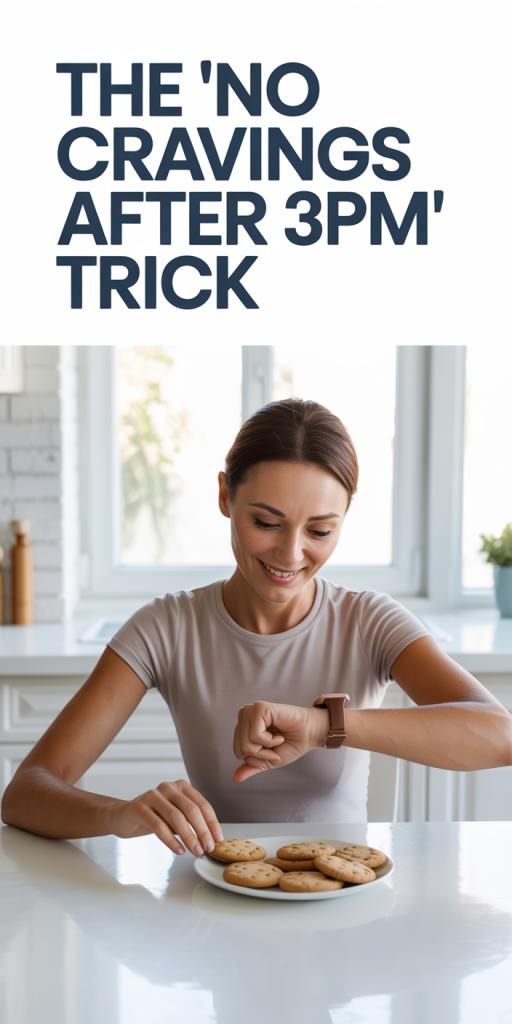
The “No Cravings After 3PM” trick is a simple, disciplined structure we use to reduce or eliminate the intense desire to snack in the afternoon. It’s not about willpower alone, it’s a reproducible system combining four elements: a satiating mid-morning meal, a protein-forward lunch timed to stabilize blood sugar, a strategic pause or “buffer” between lunch and 3PM, and small behavioral cues to prevent automatic snacking. The goal is straightforward: make our physiology and environment work together so we don’t reach for impulsive foods when the clock hits mid-afternoon.
Why 3PM? Historically, workplace culture turned that hour into a ritual, coffee breaks, snack carts, and meetings that drag past lunch. The trick reframes that ritual so our energy and mood stay steady without relying on sugar or ultra-processed snacks. Importantly, this isn’t an extreme restriction. We accept snacks earlier in the day if needed, and we allow flexibility for social situations. The point is to create a reliable daily pattern where cravings after 3PM become rare rather than routine.
Practically, the method uses predictable nutrition (balanced macros), small behavioral changes (pre-planned alternatives, environmental controls), and micro-routines (water, brief movement) that interrupt the cascade of physiological and psychological triggers that create cravings. Later sections unpack the science and give exact steps for implementation.
The Science Behind Afternoon Cravings: Why 3PM Feels Impossible
To change a pattern, we need to understand the forces that create it. Afternoon cravings arise from several interacting systems: blood sugar dynamics, hormones (especially cortisol and ghrelin), and the circadian rhythm that affects appetite and alertness.
When we eat a meal high in refined carbohydrates, blood glucose spikes and then falls rapidly. That drop, reactive hypoglycemia for some people, triggers hunger signals and an urge for quick energy (usually sugar or caffeine). Cortisol, our stress hormone, tends to peak in the morning then dips later, but stress or a heavy cognitive load can cause atypical cortisol surges in the afternoon that increase appetite. Ghrelin, the “hunger hormone,” rises before meals and after prolonged fasting: if our lunch is insufficiently satiating, ghrelin will push us to snack.
Circadian biology also plays a role. Our bodies are wired to experience a post-lunch dip in alertness as part of a natural ultradian rhythm. When alertness falls, we seek stimulation, food, sugar, or caffeine, to lift us back up. Social and environmental cues (co-workers bringing donuts, break-room candy, targeted snack ads) layer on top of these biological drivers and make cravings feel inevitable.
Understanding this combination clarifies why the trick focuses on stabilizing blood sugar, managing hormone swings with consistent routines, and changing environmental cues. When we reduce rapid glucose swings and add predictable protein, fiber, fats, and small behavioral nudges, those physiological triggers become far less potent, and 3PM stops feeling impossible.
How To Implement The Trick: A Practical Step-By-Step Plan
We carry out the “No Cravings After 3PM” trick through a four-step daily routine that’s easy to adapt:
- Start with a satiating breakfast (7–9AM). Aim for 20–30 grams of protein, healthy fats, and fiber. Examples: Greek yogurt with nuts and berries, eggs with avocado and whole-grain toast, or a protein smoothie with spinach and oats. A solid breakfast reduces the chance of a big mid-morning spike later.
- Build a protein-forward lunch (no later than 12:30–1PM). Lunch should include 25–40 grams of protein, non-starchy vegetables, and a controlled portion of whole grains or starchy veg. Think grilled chicken salad with quinoa, tofu stir-fry with vegetables, or a hearty lentil bowl. This stabilizes post-lunch blood sugar and delays hunger.
- Create a 60–90 minute buffer before 3PM. After lunch, plan a short, low-effort ritual to bridge the time: a 10-minute walk, a 5–10 minute hydration/tea break, or light stretching. Movement increases insulin sensitivity and combats the post-lunch dip in alertness. Hydration also helps: we often confuse thirst with hunger.
- Use pre-approved rescue options earlier in the day, not after 3PM. If we must eat between lunch and 3PM, choose purposeful, nutrient-dense mini-snacks, a small handful of nuts, half a boiled egg, or a few carrot sticks with hummus. Crucially, we avoid initiating a ‘snack chain’ that leads to grazing into the late afternoon.
Behavioral tweaks to support these steps: keep tempting foods out of sight, schedule a deliberate afternoon task that requires focus (making it less likely we’ll meander to the snack drawer), and set a phone reminder at 2:45PM to practice a micro-routine (deep breaths, water, brief movement). Over time these small anchors reduce automatic snacking and rewire the habit loop.
Sample Meal And Snack Plan To Prevent 3PM Cravings
Below is a realistic, flexible day plan we can use as a template. Portions and macro targets can be tailored to individual calorie needs.
Breakfast (7–9AM)
- Veggie omelet (2 whole eggs + 2 egg whites) with spinach and mushrooms
- 1 slice whole-grain toast
- ½ cup mixed berries
- Coffee or tea, water
Mid-Morning (optional, 10–11AM)
- Small Greek yogurt (plain) or 1 small apple with 1 tbsp almond butter
Lunch (12–1PM)
- Grilled salmon or tempeh bowl with mixed greens, roasted sweet potato (½ cup), avocado, and 1/4 cup quinoa
- Lemon-olive oil dressing
Buffer Window (1–3PM)
- 10–15 minute walk after lunch
- Hydration: aim for 8–12 oz water, or unsweetened herbal tea
- If hungry before 3PM: 10–15 almonds or a 1-oz portion of cheese
Afternoon (post-3PM if still needed)
- If we made it past 3PM without cravings, we can plan a planned snack around 4:30–5PM if dinner is late: a protein smoothie, a small turkey roll-up, or cottage cheese with sliced cucumber.
Dinner (6–8PM)
- Balanced plate: 4–6 oz protein, generous vegetables, and a modest portion of complex carbs
Practical notes: We prioritize protein at both breakfast and lunch, include fiber-rich vegetables and whole grains, and use healthy fats (avocado, olive oil, nuts) to increase satiety. The mid-day buffer of movement and hydration is as important as the food choices.
Common Mistakes That Trigger Afternoon Cravings (And How To Fix Them)
Even with the best intentions, several common mistakes can sabotage the plan. Here are the usual culprits and practical fixes:
Mistake 1, Skipping or under-fueling breakfast. Fix: Prioritize at least 15–20 grams of protein in the morning. If mornings are rushed, make a grab-and-go shake or overnight oats with Greek yogurt.
Mistake 2, Lunch is too light or carb-heavy. Fix: Add a solid protein source and fiber-rich veggies. Replace refined carbs with whole grains and include a serving of healthy fat.
Mistake 3, Relying on caffeine to mask hunger. Fix: Use caffeine strategically (early in the day) and pair it with water. If we’re reaching for coffee at 2:30PM to ‘wake up,’ try a 10-minute walk first: movement often reduces the need for a stimulant.
Mistake 4, Environment enables grazing. Fix: Remove visual cues, store snacks out of sight or off-site. Replace the snack bowl with a jar of mint tea bags or a fruit bowl that requires active selection.
Mistake 5, Emotional or boredom eating. Fix: Identify triggers and substitute low-effort alternatives: a two-minute breathing exercise, a quick chat with a colleague, or a glass of water with lemon.
Mistake 6, Not planning for busy days. Fix: Keep a small stash of balanced portable foods (nuts, protein bars with <8 g sugar, jerky, or hard-boiled eggs) so we don’t default to vending machines.
Addressing these mistakes is mostly about foresight. When we pre-commit to specific foods, routines, and environments, the path of least resistance favors the healthier choice.
Who Should Avoid Or Modify This Approach (Medical And Lifestyle Considerations)
The trick is broadly useful, but it isn’t one-size-fits-all. We should modify or avoid it in certain medical and lifestyle contexts:
- People with diabetes or significant glycemic issues: Anyone on insulin or blood-glucose-lowering medications must coordinate meal timing with their clinician. Rapid changes to meal timing can affect medication dosing and hypoglycemia risk.
- Individuals with a history of disordered eating: Rules that sound like “don’t eat after X” can become triggering. In these cases, a focus on flexible, non-restrictive strategies with a registered dietitian is safer.
- Pregnant or breastfeeding people: Energy needs are higher, and strict rules can be inappropriate. We prioritize frequent, nutrient-dense meals and individualized guidance.
- People with certain gastrointestinal conditions: Conditions that require small, frequent meals (e.g., gastroparesis) may not fit a buffer plan. Work with a specialist.
- Extremely physically active people with late-day training: Athletes who train in the late afternoon may need pre-training fuel to maintain performance: the “no cravings after 3PM” principle should be adjusted to ensure adequate pre-workout nutrition.
If we fall into any of these categories, we should consult our healthcare provider or a registered dietitian before adopting the approach. For most of us, though, the adjustments are practical and safe: emphasizing protein, fiber, and predictable habits without extreme restriction.
Troubleshooting: What To Do If Cravings Persist
Even with solid execution, cravings sometimes persist. When that happens, we troubleshoot systematically:
- Reassess meal composition. Are we truly getting enough protein and fiber at lunch? Increasing protein by 10–15 grams and adding non-starchy veggies can make a big difference.
- Check portion timing. Did we eat lunch late or skip breakfast? Adjust meal timing so the gap between meals isn’t more than 4–5 hours for most of us.
- Monitor sleep and stress. Poor sleep and chronic stress increase cortisol and ghrelin, both of which create cravings. Prioritize a sleep routine and incorporate stress-reduction practices (5–10 minutes of mindfulness, short walks, or breathwork).
- Track triggers for a week. We recommend keeping a brief log: time, mood, what we ate, and where we were. Patterns often reveal non-physiological drivers (e.g., meetings at 2:45PM always lead to snacking).
- Re-evaluate caffeine timing. If we use caffeine late morning or early afternoon, it may contribute to later appetite swings. Try moving it earlier or replacing a second cup with water.
- Consider appetite-supporting supplements with caution. Some people benefit from fiber supplements (psyllium) or small, clinician-approved amino acid blends that blunt hunger: always check with a provider first.
- Use behavioral “if-then” plans. For example: if we feel a craving at 2:45PM, then we will stand, drink 12 oz water, and walk for 8 minutes. These predetermined responses break automatic habits.
If cravings remain intense even though these steps, it’s worth consulting a clinician to rule out medical causes (blood sugar dysregulation, thyroid issues, or medication side effects).
Long-Term Benefits, Realistic Expectations, And How To Make This Habit Stick
When we stick to the “No Cravings After 3PM” framework over weeks and months, the benefits go beyond avoiding snacks. We often notice steadier energy, improved focus, better portion control at dinner, and modest improvements in weight management or body composition. There’s also a psychological benefit: fewer reactive decisions and more confidence in our daily rhythms.
Realistic expectations matter. We won’t be perfect every day, and that’s okay. Aim for consistency, not perfection. Expect occasional lapses around social events, holidays, or high-stress periods. The trick is to return to the routine quickly rather than letting one slip become a habit.
To make this stick, use the following durability strategies:
- Habit stacking: attach the buffer routine to an existing habit (e.g., right after lunch we always walk 10 minutes).
- Environmental design: remove cues for unhealthy snacks and make the healthy options visible and easy to access.
- Social accountability: tell a colleague or friend about the experiment and check in weekly. Shared goals improve adherence.
- Small rewards: celebrate streaks (five days in a row) with non-food rewards, a new playlist, a 30-minute hobby block, or a small purchase.
- Periodic reevaluation: every 4–6 weeks, reassess what’s working and what isn’t. Tweak portion sizes, snack choices, or timing to fit life changes.
Over time, physiological adaptations, improved insulin sensitivity, reduced reactive hunger, and behavioral rewiring make the afternoons easier. The habit becomes the default, not the exception.