From Hobby to Paycheck: Practical Steps and Traffic Tactics to Grow a Side Blog

Turning a personal project into a reliable side income is more common than many realize. Below are honest takeaways from one blogger’s rapid progress—what encouraged them, how their revenue and traffic shifted, which channels helped most, and clear steps to get started yourself.
1. Why a Small, Steady Start Can Lead to Big Momentum
Beginning with modest expectations and a willingness to experiment often sets the stage for surprisingly rapid progress. One creator started multiple small sites over time, learned from early missteps, and treated the current blog like a test bed—putting in a few focused hours each week rather than trying to do everything at once. Practical example: choose one topic you enjoy, publish two strong cornerstone posts, and then add one short update weekly. Over months, those steady inputs compound into more traffic, clearer audience signals, and the confidence to expand into new content areas or monetization experiments without risking burnout.
2. Where Revenue Often Comes From — and What Changed
Income from a blog typically arrives through several channels: display ads, affiliate links, and occasional sponsored content. A key turning point for this blogger was a temporary pause and then reinstatement of their ad account, after which ad income improved because posts began to rank for topics that attract higher-paying ads. Lesson: don’t assume any single path is fixed. Practical steps include auditing your top posts to see which ones draw value-driven searches, tweaking headlines and on-page keywords to align with higher-intent queries, and testing a mix of affiliates and ad placements to see what resonates with your audience.
3. Growing Traffic: Organic Search Plus a Pinning Habit

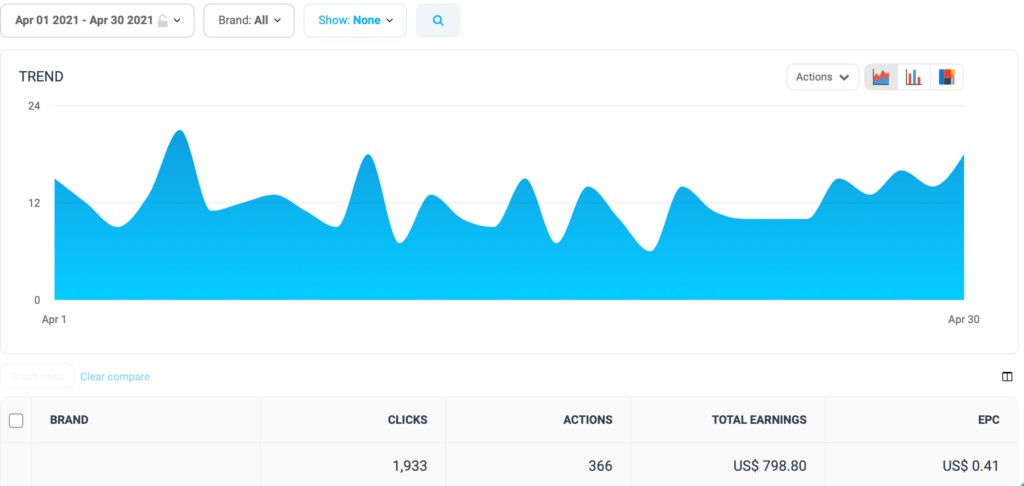
Sustained traffic growth usually depends heavily on search engines, but social platforms like Pinterest can add steady daily visitors when approached consistently. In this case, organic search formed the backbone of visits while regular pin creation and resharing began to supply an incremental stream of readers. Practical tactics: optimize older posts for long-tail search terms, craft new vertical pins with clear text overlays, and establish a simple schedule—create a handful of fresh pins and reshare high-performing ones every week. Monitor which pins drive clicks and double down on formats, colors, or descriptions that consistently bring visitors.
4. A Simple, Risk-Light Roadmap to Launch Your Own Blog
Starting a blog doesn’t require a huge investment, but it does need a plan and a few early habits. Begin by picking a niche you care about, set up a basic site, and publish three strong, helpful posts that serve as foundations for future content. Commit to a small, sustainable weekly schedule—whether that’s an hour to write, an hour to promote, or alternating weeks—and track which topics attract readers. Practical moves include creating a content calendar, experimenting with one monetization method at a time, and asking peers for feedback. Over time, iterate based on what brings readers and engagement rather than chasing every trend.
Progress rarely happens overnight, but a combination of steady content, smart optimization, and experimentation with traffic sources can turn a hobby blog into a meaningful side income. Start small, learn as you go, and treat each tweak as data that guides your next step.