Proofreading as a Flexible Side Hustle: How to Start, Find Work, and Grow Your Rates
If you enjoy spotting tiny errors and want to earn from home on a flexible schedule, proofreading can be a practical side hustle while you build other projects. This article lays out why proofreading works for many people, what the work actually entails, the tools and credentials that help, how to find legitimate gigs, and steps to land your first paying client. Each section includes hands-on examples so you can take concrete next steps.
1. Why Proofreading Suits Busy People and New Earners
Proofreading’s main appeal is flexibility: you can accept short assignments between classes or work a few focused hours after the kids go to bed. It requires little upfront cost beyond a laptop and an internet connection, so you can start without financial risk. Practical examples: take a 1,000-word article and proofread it in an evening for extra cash; accept a batch of short product descriptions that you can finish during weekend hours. Early on you’ll likely charge less to build reviews, but the tradeoff is gaining experience quickly and opening the door to higher-paying clients as you accumulate positive feedback.
2. What Proofreading Really Involves (Not the Same as Editing)
Proofreading focuses on accuracy: catching typos, punctuation errors, incorrect capitalization, formatting inconsistencies and basic grammar slips. It doesn’t usually change sentences for flow or restructure arguments—that’s editing’s domain. Example tasks: scanning a newsletter for inconsistent hyphenation, correcting a bibliography’s punctuation, or ensuring a manuscript’s headings follow the same style. Knowing the difference helps you pitch the right services: offer quick, precision-focused passes for clients who already like their content’s voice, and tell others when they actually need deeper developmental or line editing so expectations remain clear.
3. Credentials: Helpful But Not a Barrier to Getting Started
Formal proofreading certificates and degrees can boost credibility for some clients, especially academic or technical publishers, but they aren’t strictly necessary for beginners. What matters more is demonstrable accuracy: a clean portfolio, test results on platforms, or a few strong samples. Practical approach: take a short online course or follow a self-study checklist, then create three concise samples—a blog post, a product description and a formatted academic abstract—to show on your profile. Over time, good client reviews often matter more than credentials, so initial effort to build a reliable track record will pay off.
4. How Earnings Grow: From Low-Entry Rates to Sustainable Pay
Income in proofreading is variable and closely tied to experience, niche, and how you price your services. Beginners often accept lower rates to gather reviews; as reliability improves you can increase fees or specialize in areas that pay more, like technical or academic proofreading. Example progression: start with short, low-cost gigs to build a five-star profile; after a few months raise your per-project price and introduce package rates (e.g., per-word, per-page, or hourly). Also consider direct client work to keep the full fee rather than paying platform commissions, which increases take-home pay once you have steady clients.
5. Smart Tools That Make Proofreading Faster and More Accurate

Combining a careful eye with digital tools reduces missed errors and speeds up work. Start with a reliable spelling and grammar checker, then add tools that flag passive voice, inconsistent punctuation, and style problems. Practical setup: enable a browser extension for quick checks, use a document plugin when working in Google Docs or Word, and keep a style-sheet template to track client preferences (e.g., Oxford comma, en dash usage). Try a layered approach: run an automated checker first, then do a manual read for context-specific issues, and finish with a read-aloud pass to catch awkward phrasing or missing words.
6. Concrete Steps to Become an Online Proofreader
Becoming a proofreader is mostly practice and positioning. Start by learning core conventions and practicing on varied text types—a short blog post, a research abstract, and a product description. Create a simple online profile or webpage with three error-free samples and a short statement of services offered. Next, take a few unpaid or low-fee practice jobs to collect testimonials, and consider a brief skills-focused course or workshop to sharpen techniques. Example timeline: spend two weeks building samples and profiles, two weeks applying to entry-level gigs, then refine your pitch and rates after you receive first reviews.
7. Where to Look for Legitimate Proofreading Work
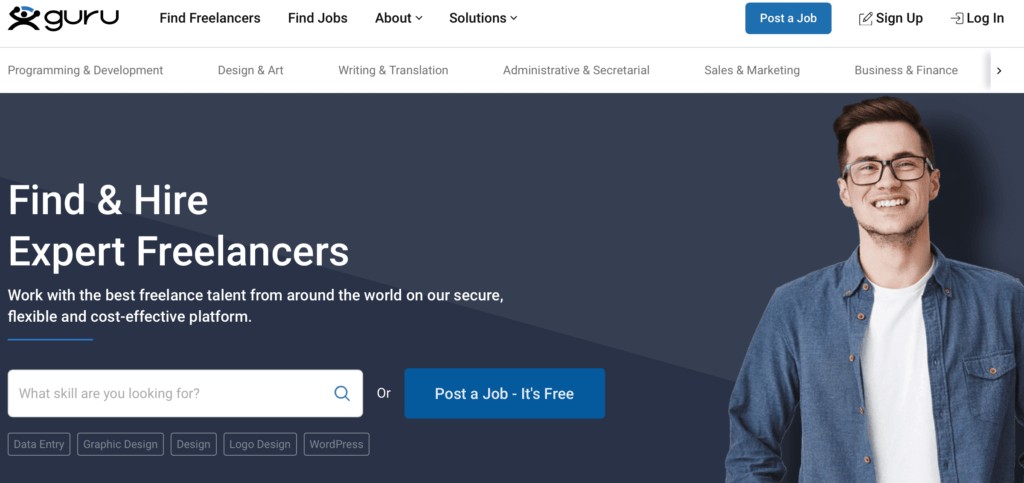
There are several channels to find work: broad freelance marketplaces, specialist editorial platforms, academic and publishing houses, local classifieds, and direct outreach on professional networks. Practical strategy: create profiles on at least one general marketplace and one niche platform to diversify opportunities, browse publisher and university job boards for specialized roles, and use social platforms or community groups to network. For example, bid on short gigs on a marketplace to build reviews while simultaneously applying to specialized services that match your background. Using multiple channels reduces reliance on any single source and increases your chance of steady work.
8. How to Land Your First Paid Proofreading Clients

Getting the first client often comes down to a polished profile, strong samples, and proactive outreach. Make your profile shine: use a friendly photo, write a concise bio focused on problem-solving, and upload three clean samples. Offer a limited-time introductory rate or a short free sample edit to build trust. Practical examples: pitch to small business owners offering a discounted first invoice, join a writers’ group and volunteer to proofread one newsletter issue in exchange for a testimonial, or respond to job posts with a tailored short sample showing you’ve read their brief carefully. Collect reviews and gradually increase your rates.
9. Keeping Skills Fresh and Balancing Proofreading with Bigger Projects
Proofreading can be a steady complement to longer-term projects like blogging, freelancing or a part-time job; it also sharpens the attention needed for your own writing. Stay competitive by learning new style guides, experimenting with advanced tools, and following trends such as AI-assisted checks—using them to speed work while preserving your final human pass. Example practices: set aside one day per month to study a new style guide, test a new proofreading app, and schedule blocks of uninterrupted time so proofreading doesn’t crowd out creative work. Treat it as a skill that evolves rather than a fixed set of rules.
Proofreading is an accessible, low-cost way to earn while you build other goals. Start small, focus on accuracy, use tools wisely, and combine marketplace work with direct outreach to grow your client base. With consistent practice and clear samples, you can turn occasional gigs into a reliable income stream that fits your life.