Practical Passive Income: A Beginner’s Roadmap to Simple, Sustainable Earnings

Want money that keeps coming in without clocking extra hours every day? Passive income is not magic — it’s a strategy you build over time. This article breaks the journey into approachable steps, practical examples, and realistic habits so you can pick, launch, and care for income streams that fit your life.
1. What ‘passive’ really means (and what it doesn’t)
At its core, passive income is revenue that requires much less ongoing effort after an initial setup. Writing a short guide once and selling it for years, or owning shares that pay periodic dividends, are classic examples. By contrast, repeating hourly tasks that pay each time — like completing paid surveys — are active work, not passive income. A helpful test: if you stopped working tomorrow, would the money keep flowing with minimal maintenance? If yes, you’re on the right track. Start by grouping potential ideas into ones that need heavy upfront work versus those that demand continual time, and pick a balance that suits your schedule.
2. A simple roadmap: from idea to ongoing earnings
Begin by taking inventory: list your skills, interests, assets, and available cash. Next, match those strengths to scalable formats — for example, turn expertise into a recorded course, transform a series of posts into an ebook, or convert spare capital into diversified investments. Build the product or make the initial investment, then automate or systematize the delivery: set up payment processing, schedule content, or enable auto-investing. Be realistic about timelines — most passive streams take weeks or months to gain traction. Finally, choose one project to pilot so you learn the process without spreading yourself too thin.
3. Make everyday savings an earnings engine

Some of the easiest passive gains come from optimizing where your money sits and how you shop. Moving idle cash into an account with a better interest option or setting up automatic transfers into a savings vehicle can quietly build a cushion. Use cashback and rewards programs for purchases you already plan to make, and consolidate recurring subscriptions to eliminate overlap. You can also reduce monthly bills by regularly reviewing service plans or negotiating rates. Practical moves include switching to a higher-yield savings product, using a cashback app for grocery runs, and auditing streaming and phone plans twice a year to cut waste.
4. Let your money work: accessible investment routes
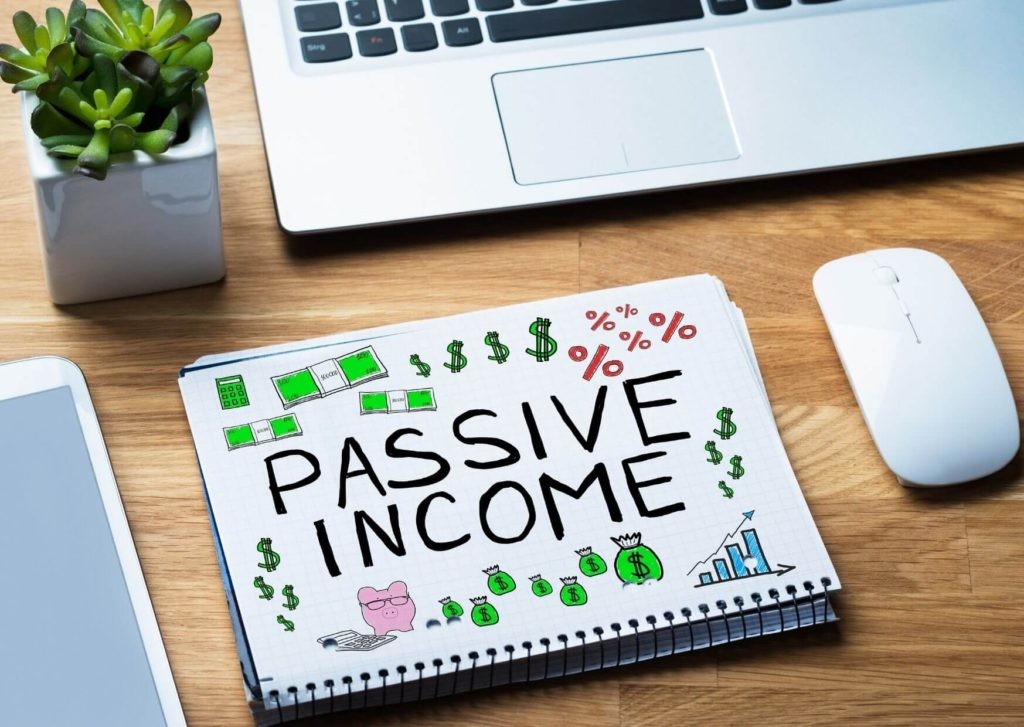
Investments can convert savings into ongoing income, but they don’t require being an expert. Consider pooled real estate investments (such as real estate trusts) to earn from property markets without managing tenants. Dividend-focused stocks reward shareholders from company profits, while automated investment services can build diversified portfolios based on your risk tolerance. Peer lending and loan-backed investments offer another route, though they carry distinct risks. Practical steps: start with a small allocation that won’t disrupt your emergency fund, diversify across asset types, and set calendar reminders for portfolio reviews. If taxes or complexity feel daunting, consult a financial advisor to set up an appropriate strategy.
5. Create digital products that earn long after launch

Digital assets scale well because one-time work reaches many buyers. Options include blogs, online courses, ebooks that can be repackaged into audiobooks, templated printables, stock photography, and video channels. A practical route: outline a short course in six modules, batch-record lessons over a weekend, and schedule drip-release content to students. Reuse content by turning course lectures into an ebook or audio files, and promote across social platforms. Maintainability is key: keep a few evergreen pieces updated each quarter rather than constant new creation. With basic editing tools and free hosting options, creators with modest resources can establish a steady revenue stream.
6. Monetize the things you already own and do
Many assets around your home or routine can generate income with little ongoing work. Renting a spare room, listing seldom-used gear, or leasing a parking space turns idle property into cash. Small physical businesses such as strategically placed vending machines require periodic restocking rather than daily attention. Other models include carrying ads on a frequently driven vehicle or running a dropshipping store where a supplier fulfills orders. Think practically: map what you own, estimate the time or logistics to make it rentable, and pilot one listing. Properly priced and managed, these approaches can add dependable, low-effort revenue to your finances.
7. How to choose the best ideas for your life
Not every passive idea fits every life. Sort opportunities into categories: those that rely on capital, those that require creative or technical labor upfront, savings-driven tactics, and ad-hoc use-of-asset approaches. If you have savings but limited time, investment-based routes may be best. If you’re creative and enjoy teaching, digital products could be a better fit. Time-poor people often benefit most from optimization and savings strategies that require minimal maintenance. Create a simple decision grid: list potential streams, note required startup time and cash, and score each for enjoyment. Prioritize options that align with your resources and stick to one or two to start.
8. Daily and monthly habits to keep streams healthy
Once a stream is running, small routines protect and grow it. Schedule a monthly check-in to review numbers, update content, and rebalance investments where needed. Use automation for bill payments, subscription renewals, and content scheduling so your involvement stays light. Keep records for taxes and monitor performance with simple tools or spreadsheets. Be mindful of risks: diversify rather than concentrating all income in one place, and have an emergency fund so you don’t sell assets in a downturn. When a stream underperforms, diagnose causes — traffic, pricing, or market shifts — and apply small experiments to improve outcomes.
9. Picking one project and scaling it sensibly
Launching multiple ideas at once is tempting, but commitment matters. Pick the project that scores best on feasibility, interest, and potential impact. Set modest milestones — for example, publish ten posts, launch a minimum viable course, or secure a single steady rental — then measure results over a three- to six-month window. Use that period to refine systems: automate payments, outsource repetitive tasks, and reinvest early profits into growth. If an effort reaches a plateau, decide whether to optimize, scale, or sunset it. Many successful passive streams began as focused experiments sustained long enough to compound.
10. Straight answers to common beginner questions
Beginners often ask whether they need to quit their job, how much they’ll earn, or whether maintenance is required. The practical answers: you don’t have to quit a steady job to start building passive income; beginning alongside existing work reduces pressure. Earnings vary widely and depend on the idea, effort, and time horizon, so focus on measurable progress rather than a single number. Most passive streams need occasional attention — updates, customer support, or portfolio reviews — even when largely automated. Treat early months as learning phases: document what works, be patient, and iterate based on actual results rather than promises of overnight wealth.
Passive income is a portfolio of choices: some require money, some demand creative effort, and some are simply about better habits. Pick a manageable starting point, commit to consistent maintenance, and let compounding do the rest. Small, steady actions will build reliable streams that fit your life.