From Side Hustle to Sustainable Blog Income: Practical Lessons from One Year of Growth

Turning a small blog into a reliable side income takes curiosity, steady effort, and a few strategic choices. Below are five focused lessons pulled from a year of building traffic, testing revenue streams, tracking results, and planning next steps—each with concrete examples you can try this month.
1. Where visitors came from and what to optimize first
Study your analytics to know which channels actually send engaged visitors. In one site’s case, organic search formed the backbone while social referrals were smaller but useful; early traffic came from only a couple of posts and later broadened as more pages ranked. Practical steps: run a pages report to find top performers, create a cluster of related posts around each winner, and repurpose a strong post into a social-friendly image or pin. If one post drives most visits, turn its related ideas into supportive posts and internal links so traffic isn’t vulnerable to a single-page drop. Batch-writing and scheduling can keep momentum when life gets busy.
2. Which revenue approaches tend to move the needle
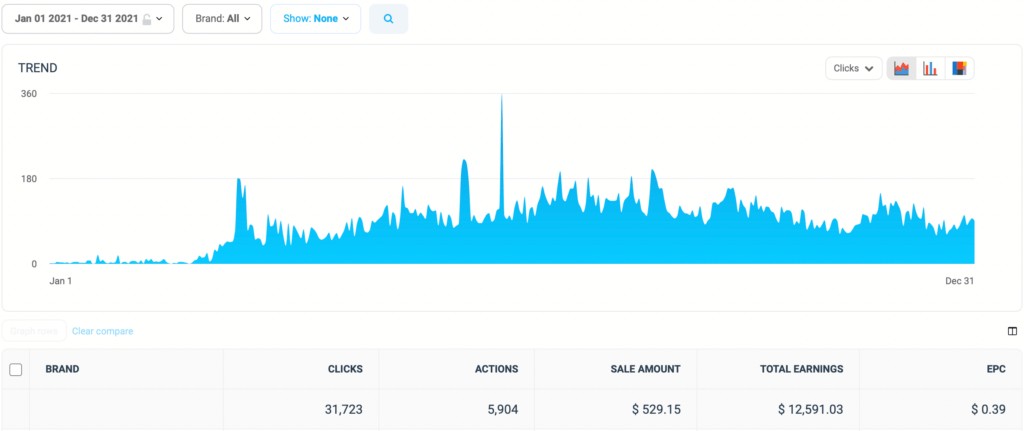
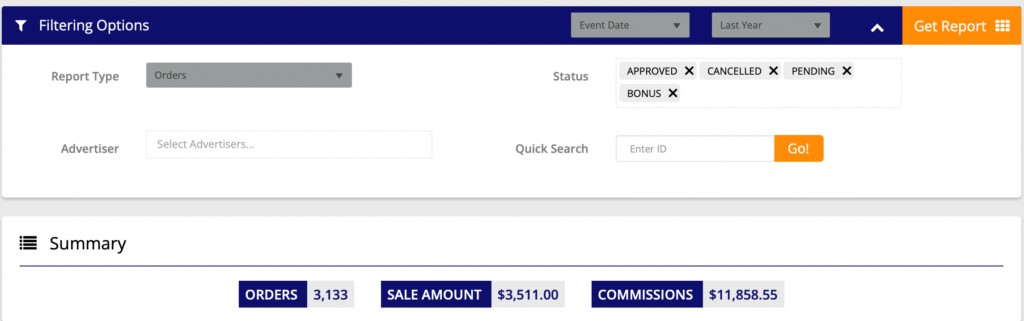
Different monetization methods suit different audiences, so experiment to find what resonates. Display ads can work well when your audience is search-driven and the topic attracts advertiser interest; affiliate offers perform best when they match a reader’s intent (product reviews, how-to posts, or resource pages). Practical examples: create a dedicated resources page that links to tools and services you genuinely use, add contextual affiliate mentions in tutorial posts where readers are ready to take action, and test a couple of ad networks side-by-side to compare results. Be intentional—delay adding complex monetization for a sub-niche until you’ve built authority and traffic for it.
3. Documenting results: sharing proof without oversharing
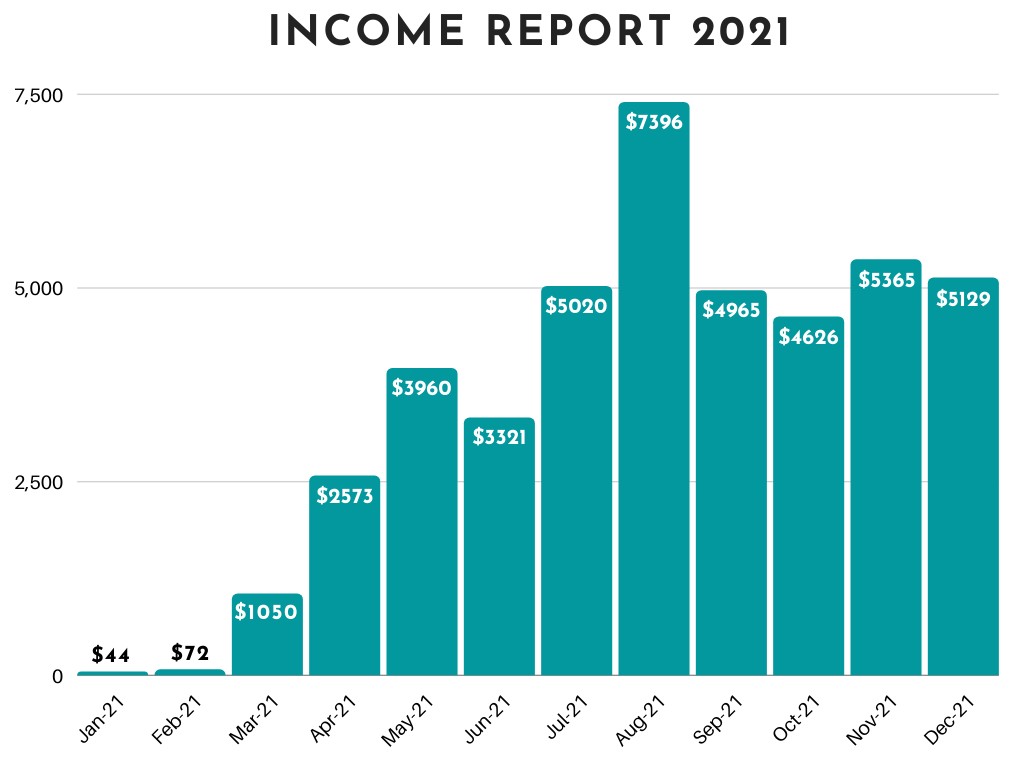
Showing income or performance publicly can be motivating for readers, but it’s equally useful to keep private, accurate records for decisions. Maintain a simple monthly spreadsheet with columns for source, gross, fees, and a short note about unusual items. If you plan to share results, consider redacting sensitive details and focusing on trends—growth rate, diversification of sources, and key learnings—rather than publishing raw account screens. Practical habit: reconcile your spreadsheet with platform reports each month and export a clean graph to show progress. That way you’ll build credibility and have data to guide your next experiments.
4. Where investing in the site pays off (and where to save)
A small blog can have a few recurring costs: hosting, email provider, content promotion tools, occasional freelance help, and the occasional course or training. Track each expense and link it to outcomes—did a scheduling tool increase social traffic, or did a freelance writer free you time to publish more pillar posts? Practical choices include trying starter hosting plans, using free templates and upgrading only if they block growth, and hiring a freelance writer for a single trial article with a clear brief (keyword, outline, word count, and call-to-action). Prioritize expenses that reduce time-to-publish or that multiply traffic and revenue potential.
5. Practical next steps to start or scale your own blog
Make a simple, repeatable plan: pick a niche, commit to a content cadence, track three core metrics (traffic, top pages, and revenue sources), and iterate. Examples: run a 30-day content sprint producing one long-form pillar post plus two supporting posts each week; convert your top five performing posts into updated guides; or draft a short outreach brief to hire a writer or editor for one month. Keep experiments small and time-bound—test one monetization method or promotional tactic at a time—so you can learn quickly and scale what actually works.
Small, consistent choices—about content, tracking, and where you spend money or time—build into meaningful progress. Use these practical steps as a playbook, tweak them for your niche, and measure results so each decision gets smarter over time.