Good Debt vs. Bad Debt: A Practical Guide to Borrowing Wisely
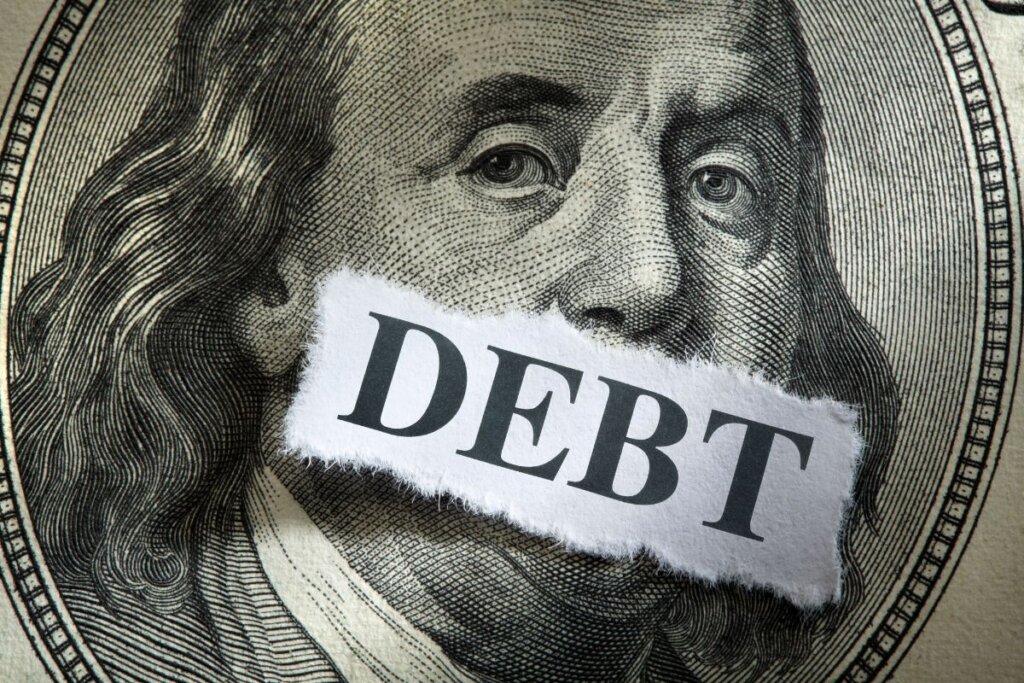
Debt can help you reach long-term goals or it can drain your monthly budget. The label “good” or “bad” debt is shorthand — a useful starting point — but whether a loan is helpful depends on the terms, your situation, and the alternative options available.
This explainer gives a practical framework for deciding when to borrow, examples of trade-offs to watch for, and step-by-step actions to reduce costly debt. Where outcomes depend on lender rules or current programs, double-check the account-specific terms, disclosures, or official guidance before you act.
1. A clearer way to think about “good” and “bad” debt
Instead of a strict binary, treat debt on a spectrum defined by three questions:
- Does the borrowing buy something that can increase your net worth or income over time (an investment) or something that loses value quickly (a consumption item)?
- What is the effective cost (interest rate plus fees) and how does that compare with expected returns from using the money elsewhere?
- How reliable is the repayment plan given your current cash flow and worst‑case scenarios?
If a loan funds an asset that builds equity (house), funds education that plausibly raises earnings for you, or helps start a business with a realistic plan to generate profit, many people call it “good” debt — but that depends on interest, taxes, and how much value you actually receive. Conversely, high-cost, short-term credit used for items that don’t retain value is often labeled “bad” debt because it creates net loss and limits future flexibility.
Always verify lender-specific terms and program rules; outcomes vary by product, state laws, and your personal finances.
Want a practical next step?
2. Common examples and the trade-offs to weigh
Typical examples and what to consider for each:
- Mortgages: Can build equity and offer tax and household-stability benefits for some borrowers. But large balances, long terms, and variable rates can be risky if income is unstable. Consider loan-to-value, interest rate, and total monthly housing costs.
- Student loans: May increase lifetime earning potential in some fields. Weigh program type (federal vs. private), interest rate, borrower protections, and realistic career outcomes. Use the official repayment tools to model scenarios and confirm eligibility for income-driven plans or loan forgiveness programs (see the Federal Student Aid repayment calculator).
- Business loans: Useful if you have a clear plan and realistic revenue projections. Startup risk is real; consider how long the loan must be repaid and whether personal guarantees or collateral are required.
- Credit cards and payday loans: Often carry much higher costs and short repayment windows; they are commonly classified as “bad” debt when used for everyday spending. For information about payday loans, their structure, and typical fees, see the Consumer Financial Protection Bureau’s overview.
Each case requires comparing the cost of borrowing to the expected benefit and checking whether you have a backup plan if income changes.
3. How interest, term, and fees change the math
Three loan attributes matter most:
- Interest rate (annual percentage rate, APR): Higher APRs amplify the long-term cost. Small principal amounts with very high APRs (like some short-term loans) can be disproportionately expensive.
- Loan term: Longer terms lower monthly payments but increase total interest paid; shorter terms cost more per month but reduce total interest.
- Fees and structure: Origination fees, prepayment penalties, late fees, and compounding rules change effective cost.
A common mistake is treating all student loans or all mortgages as automatically “good” because class labels ignore APR and fees. Always run a simple comparison: expected benefit (extra earnings, projected resale value, business profit) versus total borrowing cost under realistic timelines.
If a claim depends on lender policies or state law — for example, allowable fees for payday lenders or special repayment protections for student loans — verify current official guidance and your specific loan agreement before relying on it.
4. A practical checklist to decide whether to borrow
Use this short checklist before taking on new debt:
- Purpose: Is the loan for an investment with a realistic return, or for a short-lived purchase? If it’s the latter, consider saving instead.
- Terms: What is the APR, fees, term, and monthly payment? Can you afford the payment in tight months?
- Alternatives: Can you delay the purchase, use savings, negotiate the price, or find lower-cost credit?
- Risk: What happens if you lose your income? Are there deferment, forbearance, or hardship options?
- Exit plan: How will you pay it off? Do you have a timetable and buffer?
If the answers are uncertain or risky, slow down. For student loans, run repayment scenarios with an official calculator to see how payments may change under different plans. For short-term high-fee products, check the CFPB materials to understand common costs and protections.
5. Practical steps to reduce expensive debt and lower risk
If you have high-cost debt or want to avoid it in future, consider these steps:
- Prioritize highest-cost balances first: Target loans and cards with the highest APRs and fees to reduce total interest paid. If a claim about payoff priority depends on your psychology, choose an approach you’ll stick with (strategy consistency matters).
- Build a small emergency buffer: Even a modest cash cushion can reduce the need for costly short-term borrowing.
- Negotiate or shop for better terms: Ask card issuers for lower rates, compare refinance options for mortgages or private student loans, and verify fees before switching.
- Consolidation and counseling: In some cases, consolidating higher-rate balances into a lower-rate loan can help — but read the full terms and watch for new fees or longer terms that increase total cost. If you’re overwhelmed, nonprofit credit counseling can offer neutral guidance.
- Avoid rolling a short-term loan into another short-term loan: Repeatedly renewing or rolling high-fee loans often increases total cost dramatically. For information on how payday loans typically work and their costs, refer to the consumer bureau guidance.
Always verify account-specific disclosures and current program rules before making changes. When possible, run numbers for multiple scenarios so you can choose the course that fits your goals and worst-case plan.
Labels like “good” and “bad” debt are useful shorthand but not universal rules. Focus on purpose, total cost, and downside risk: borrow when the expected financial benefit plausibly exceeds the full cost and you have a repayment plan that survives setbacks. When details depend on a lender, product, or current law, double-check the loan agreement and official sources before deciding.
For current, general information related to this topic, review Consumer Financial Protection Bureau — What is a payday loan?. Individual terms and circumstances can differ, so use that guidance alongside the disclosures or rules that apply to your own situation.