How DoorDash Acceptance Rate Affects Your Strategy — A Practical Guide for Dashers
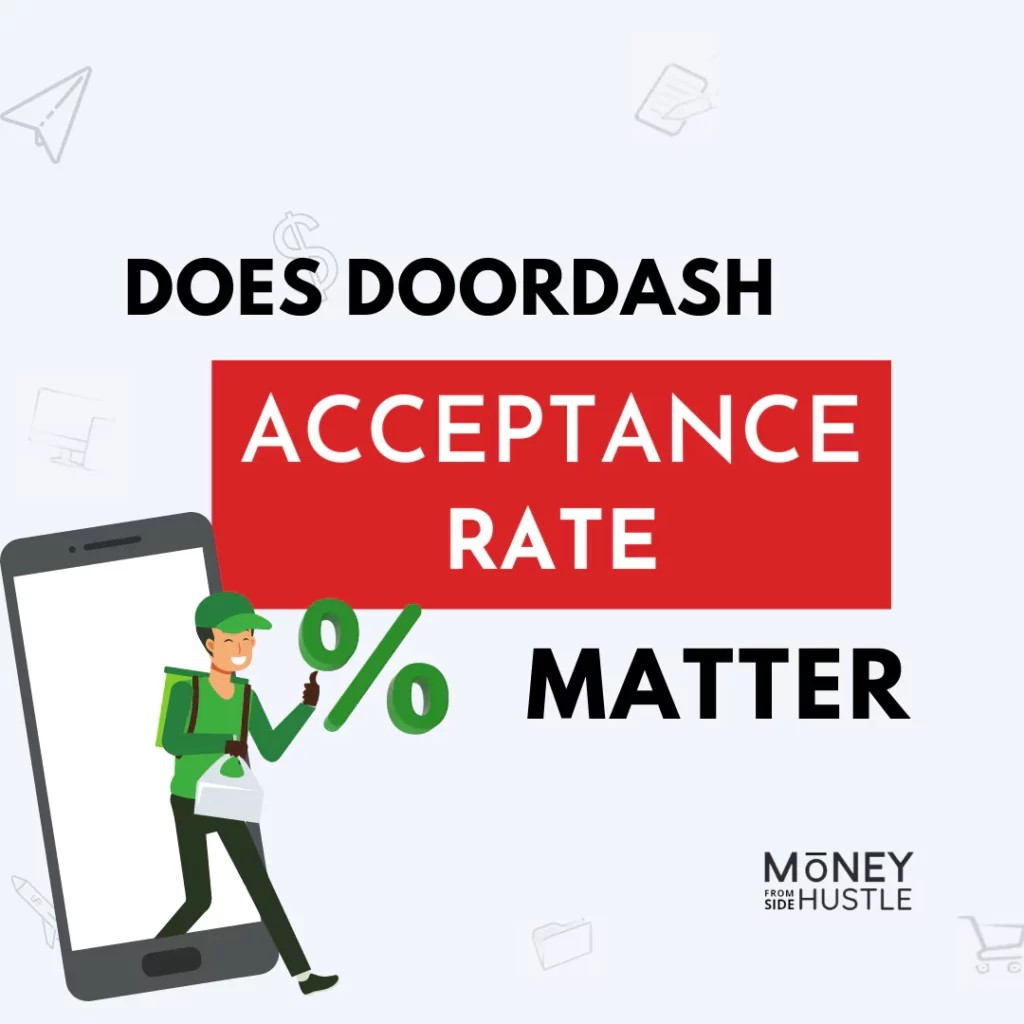
If you deliver for a food platform, you’ve likely noticed a stat that tracks how often you accept offers. That figure can influence what kinds of orders you see, how you work, and how you balance time, fuel, and stress. This article breaks down what that number means, where it matters, and how to shape a sensible plan that suits your market and goals.
1. What the acceptance rate actually measures
Acceptance rate is a simple ratio: how many order offers you agree to take versus how many the app sends you. Think of it as a snapshot of how often you tap “accept” when a job appears. It’s tracked over a recent window of offers rather than your entire history, so today’s choices matter. Example: if you accept most of the offers during a shift and decline only a few, your acceptance behavior will reflect that pattern. Understanding this metric helps you decide whether to be selective or take more volume, depending on how you value time, distance and income predictability.
2. When the rate matters — and when it doesn’t
The importance of acceptance rate depends on your objectives and local demand. In busy urban zones with lots of orders, many drivers pick and choose without seeing long-term consequences; selective dashing can increase per-trip profitability. In quieter areas or when trying to qualify for platform programs that reward reliability, accepting more offers can increase opportunities and flexibility. In practice, focus on completion and customer ratings as primary signals the platform pays attention to. Example: if you’re trying to maximize hourly pay in a dense market, cherry-picking short, well-paid runs may outperform accepting every ping in a slow suburb.
3. Upsides to accepting more offers — and ways to nudge the metric higher
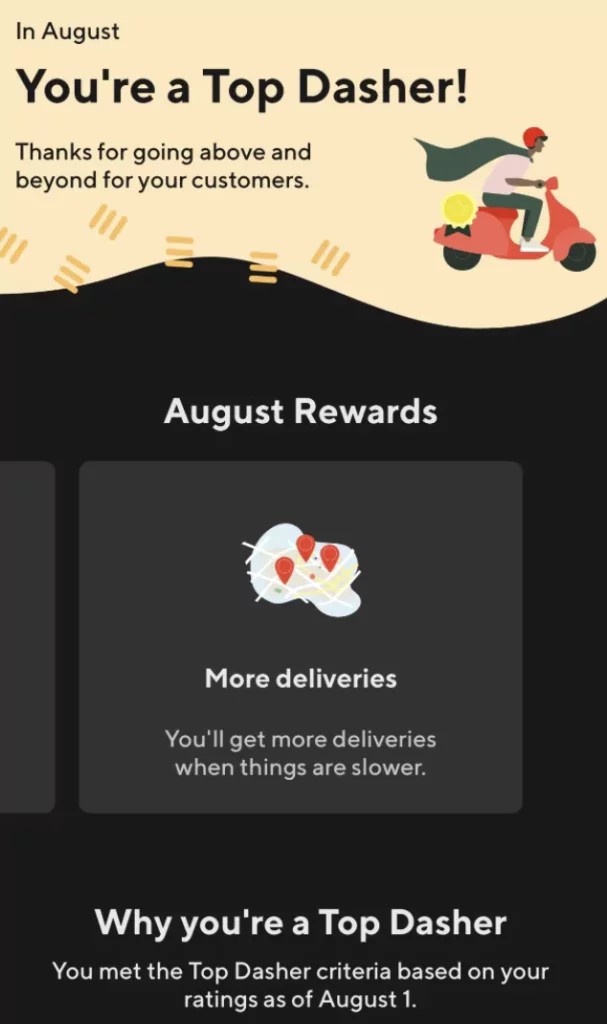
Accepting a higher share of offers can open doors: more consistent order flow, better access during off-peak times in some areas, and eligibility for reliability-based perks. If that aligns with your goals, practical steps include positioning yourself in busy neighborhoods during peak meal times, using “dash now” or equivalent features to stay in active zones, and accepting short, predictable runs to build momentum. Example: choosing a popular restaurant corridor during dinner and taking most nearby orders can create a steady stream of short deliveries that balance speed and earnings, rather than chasing distant, low-paying drops.
4. The real costs of trying to keep your acceptance rate high
There’s a trade-off to accepting more offers: time, fuel, vehicle wear, and stress can erode any extra earnings. Frequent low-pay or long-distance assignments can quickly reduce net income once expenses are considered. You may also face rushed handoffs or tricky restaurants when you take every offer, which affects your well-being and ratings. Example: if you routinely accept runs that require long highway trips for small pay, your hourly return drops after fuel and maintenance. Track mileage and expenses carefully and set simple rules—decline runs that cross your personal distance or pay thresholds—so you don’t sacrifice profit for a higher percentage.
5. Unclear rules and common misconceptions
Several aspects of acceptance rate are ambiguous: platforms rarely spell out exactly how much it changes your order mix, and drivers often rely on anecdote. Acceptance is typically part of a larger performance picture that includes completion and customer ratings. The metric itself is based on recent activity and will naturally shift as you take or decline offers, so there’s no special reset button—your next shifts gradually alter the balance. Example: some drivers believe simply raising their rate guarantees better orders; in practice, you may see little immediate change unless your overall performance and location also align with demand.
6. A practical approach: test, track, and choose what fits you
Rather than treat acceptance rate as a goal in itself, use it as one variable in a simple experiment: try two strategies for a week each—one selective, one accepting more offers—and record net hourly pay, miles driven, and stress. Compare results to see which fits your priorities. If you value predictable income and steadier order flow, lean toward accepting more; if you prefer higher per-delivery returns and less wear, be selective. Example: set a rule for each test (such as only accepting runs under a certain distance, or accepting most offers in a designated busy zone) and use the data to build a sustainable routine.
Acceptance rate is a useful signal but not the only factor that shapes your experience on delivery platforms. Balance the benefits of more consistent work against clear costs like fuel, time, and stress. Test approaches in your market, keep simple tracking, and adopt the strategy that matches your earnings goals and lifestyle.