How Instacart Pay Works — What Shoppers Need to Know About Fuel and Earnings
If you’re weighing Instacart as a side hustle, understanding how pay is built and who covers vehicle costs is essential. This article breaks down how batches are paid, what to expect from temporary fuel help, and practical ways to protect your take-home pay while you shop and deliver.
1. How your pay is put together (and what you see before accepting a batch)
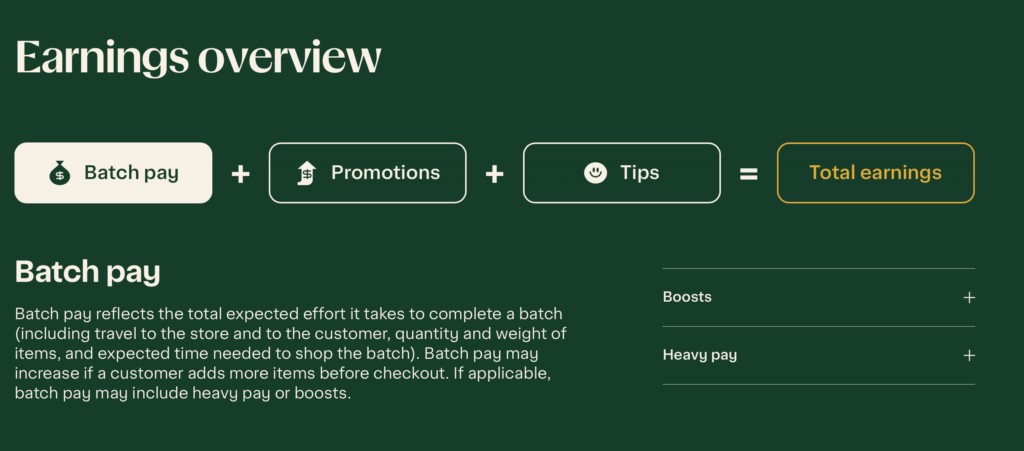
Instacart calculates earnings per batch using several components that are visible before you accept a job. The platform factors in base pay related to the items and distance, occasional boosts during busy windows, and customer tips — which go entirely to the shopper. Ratings can also trigger small per-order bonuses. Because these parts combine differently for each batch, the app gives an estimate so you can decide whether to accept. For example, a shop heavy on bulky items or requiring multiple stops may show a larger base amount; a weekday evening order in a busy zone might include a peak boost. Treat the estimate as a planning tool rather than a guarantee.
2. Who pays for fuel and vehicle upkeep? The contractor reality
Instacart shoppers operate as independent contractors, which means you supply your own vehicle and handle fuel, maintenance, and insurance. The platform does not routinely reimburse for gas or log your mileage for payment purposes, so those operating costs come out of your pocket. If driving isn’t appealing, Instacart also offers in-store shopper roles that don’t require deliveries; that can stabilize earnings for people who prefer to avoid fuel expenditures. Before committing, weigh your expected driving distances and vehicle condition—short, dense delivery zones look very different, financially, than long rural runs—and factor those costs into whether a batch or shift is worth taking.
3. The temporary fuel surcharge: small help, limited scope
At times Instacart adds a temporary fuel surcharge to customer receipts intended to flow to the shopper handling the delivery. It appears as a separate line item on the delivery summary and increases the delivery fee the customer pays by a modest amount. While the addition provides extra cash for shoppers, it’s not designed to replace the full cost of fuel or vehicle wear. Reactions have varied: some customers accept the small charge as helpful, while others resent any extra fees. Because the enhancement is temporary, shoppers should view it as an occasional supplement rather than a consistent or reliable source of fuel reimbursement.
4. Everyday strategies to shrink fuel costs and protect earnings
You can reduce fuel impact and raise net profits with a few practical habits. Prioritize nearby batches by using the app’s store and location cues, and set personal filters to accept work in compact zones. Use navigation tools to avoid rush-hour congestion and toll routes; a quick route check can save minutes and miles. Maintain your vehicle with regular tire pressure checks and timely servicing to improve efficiency. Consider a fuel rewards card or cashback gas app and track business miles with a dedicated mileage app or a simple log for tax deductions. Finally, aim to work peak demand windows when bonuses and tips tend to be stronger.
5. Deciding whether Instacart fits your situation
Instacart offers flexibility and the ability to choose shifts and batches, but earnings are highly dependent on your local market, driving distances, and how you manage costs. In dense urban neighborhoods with short trips you may find the math favors you; in sprawling areas with long distances between stops, fuel expenses and time can erode profit. Think about your vehicle’s fuel efficiency, whether you prefer in-store shifts, and whether you can take advantage of peak windows. Treat a few trial shifts like a test drive: track miles, record earnings per batch, and compare net hourly results before making a long-term commitment.
Use the app’s pay estimates and these practical strategies to evaluate whether Instacart’s flexibility outweighs out-of-pocket fuel and vehicle costs for your situation.