How to Build a Calm, Layered Seaside Bedroom Using Bedding and Texture

A bedroom inspired by the shore doesn’t require shells or nautical kitsch — it begins with how the bed is dressed. Thoughtful choices in color, fabric, and layering will transform an ordinary sleeping area into a tranquil retreat that feels airy and comfortable without being fussy.
Prioritizing breathable materials, balanced hues, and tactile contrasts makes the space feel curated yet lived-in. The goal is to create a restful setting that invites relaxation through simple, repeatable steps: choose a soft palette, add textured layers, vary pillow sizes, and maintain easy-care pieces so the room stays welcoming day after day.
1. Start with a calm color foundation

Begin by selecting a muted palette that evokes the coast—soft blues, pale greens, warm sand tones, and clean whites. Use one dominant neutral for bedding sets (such as off-white or a sandy beige) and introduce color through secondary layers like quilts or throws. Keeping the primary layer understated allows accent pieces to be swapped seasonally without reinventing the whole bed. Aim for two or three complementary hues rather than many competing shades to maintain a restful atmosphere.
2. Use natural textures to add depth

Introduce materials that reference the outdoors: linen, cotton, woven jute, and hand-knit pieces bring organic interest without overwhelming the palette. Place a slubby or washed linen duvet over crisp cotton sheets for contrast, then add a woven throw or a knitted blanket at the foot of the bed to create tactile variety. Natural textures absorb light differently than smooth fabrics, creating a layered, dimensional look that reads sophisticated yet relaxed.
3. Layering strategies that feel effortless

Layer with intention rather than excess. Start with a fitted sheet and a breathable top sheet, then add a lightweight duvet or quilt. Fold an extra blanket or throw across the foot of the bed so it can be pulled up on cool evenings. For visual interest, drape one layer at an angle or let a throw hang casually over a corner. The key is to allow each layer to be functional while contributing to an easy, lived-in appearance.
4. Pillows and shams: balance size and placement

Mix pillow sizes to create depth and comfort. A typical sequence places two large square shams (Euro) at the back, followed by standard sleeping pillows and one or two accent cushions in the front. Choose shams with subtle texture—matelassé, waffle weave, or embroidered trims—to add detail without introducing bold patterns. Keep decorative pillows limited to avoid clutter; one statement piece or a pair of coordinating cushions is often enough to complete the look.
5. Choose grounding elements: bed frames and skirts
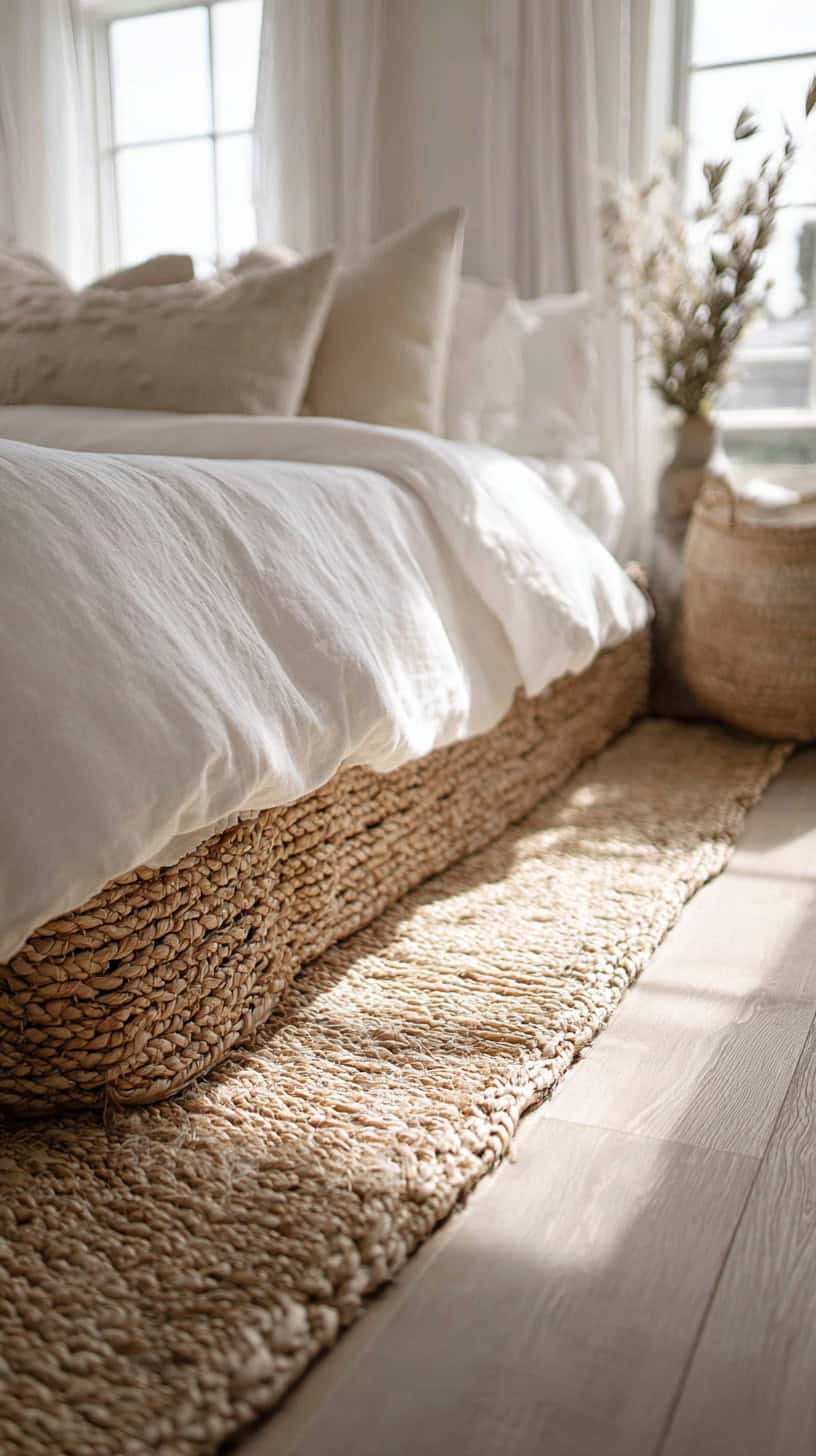
The bed’s base sets the room’s tone. Natural materials like rattan, weathered wood, or linen-upholstered headboards reinforce a coastal mood. A neutral bed skirt in a textured fiber hides under-bed storage while adding another layer to the ensemble. When selecting a headboard or frame, consider scale: curved lines and softer silhouettes bring a relaxed feel, while clean, simple frames maintain a modern, airy aesthetic. Match the base to the bedding’s weight for a cohesive result.
6. Seasonal swaps and simple updates

Refresh the bed for different times of year without a full overhaul. Swap heavier quilts and thicker throws for lighter cotton or linen layers in warmer months. Change accent colors and small accessories—throws, cushions, or a bed scarf—to subtly shift the mood. Choose pieces that are easy to launder and store; folding and tucking away off-season items keeps closet clutter low while making seasonal transitions quick and practical.
7. Care and sustainable choices that keep bedding beautiful

Select durable, breathable fabrics and follow care instructions to extend their life. Natural fibers often respond well to gentle washing, air drying when possible, and occasional steam to refresh linens between washes. Consider organic or responsibly produced textiles for lower environmental impact; longevity and easy maintenance are as important as initial style. Repair small snags or loose threads promptly to preserve the bedding’s appearance and avoid premature replacement.
Final Thoughts
A seaside-inspired bedroom is built from a calm palette, layered textures, and a few well-chosen accents. Thoughtful selection and proper care of linens create a tranquil, practical space that can be refreshed easily across seasons. With an emphasis on comfort and simplicity, the bed becomes a soothing focal point rather than a busy collection of decor.