At this time of year, nothing warms our hearts quite like the smell of gingerbread baking in the oven. It evokes memories of cozy holiday gatherings and festive cheer. If you’re on a gluten-free diet, you might think that indulging in these seasonal delights is out of reach. But fear not. We’re here to guide you through the process of creating delicious gluten-free gingerbread muffins that boast a wonderfully soft center. So, grab your mixing bowl and let’s jump into the world of gluten-free baking.
Understanding Gluten-Free Baking
Baking gluten-free is quite different from traditional baking. Gluten, a protein found in wheat, barley, and rye, provides structure and elasticity to baked goods. When we eliminate gluten, we must compensate for its absence in our recipes. This often means using a blend of gluten-free flours and additional ingredients to help achieve that desirable texture and rise.
One of the most crucial aspects of gluten-free baking is understanding how various flours behave. For instance, almond flour adds richness and moisture, while coconut flour absorbs a lot of liquid and can dry out your muffins if not balanced properly. So, getting familiar with these ingredients will give us a solid foundation for our gingerbread muffins.
Choosing The Right Ingredients
To make our gingerbread muffins truly special, we need to select the right gluten-free flour blend. We recommend using a combination of almond flour and a quality gluten-free all-purpose flour. This mix gives the muffins a lovely crumb while maintaining moisture.
Essential Ingredients:
- Gluten-Free Flour Blend: A mix that contains starches like tapioca or potato flour is ideal.
- Ginger and Spices: Freshly grated ginger, cinnamon, and nutmeg will enhance the flavors.
- Sweeteners: Dark brown sugar provides depth and warmth. We can also use molasses for that rich gingerbread flavor.
- Liquid Ingredients: Eggs (for binding), milk (or a dairy-free alternative), and oil contribute to the softness of our muffins.
- Baking Powder and Baking Soda: Essential leavening agents that help our muffins rise.
Step-By-Step Recipe Instructions
Now that we’ve gathered our ingredients, let’s get to the fun part: baking. Here’s how we can whip up our gluten-free gingerbread muffins:
Ingredients:
- 1 cup gluten-free all-purpose flour
- 1 cup almond flour
- 1 teaspoon baking soda
- 1 teaspoon baking powder
- 2 teaspoons ground cinnamon
- 1 teaspoon ground ginger
- 1/2 teaspoon nutmeg
- 1/4 teaspoon salt
- 1/2 cup dark brown sugar (packed)
- 1/4 cup molasses
- 2 large eggs
- 1/2 cup unsweetened almond milk (or any milk of choice)
- 1/4 cup vegetable oil
Instructions:
- Preheat the Oven: Start by preheating our oven to 350°F (175°C). Line a muffin tin with paper liners or grease it with oil.
- Mix Dry Ingredients: In a large mixing bowl, whisk together the gluten-free flour, almond flour, baking soda, baking powder, cinnamon, ginger, nutmeg, and salt.
- Combine Wet Ingredients: In another bowl, mix the brown sugar, molasses, eggs, almond milk, and oil until smooth.
- Combine Mixtures: Gradually fold the wet ingredients into the dry ingredients. Be careful not to over-mix, this is where we can lose that soft center we’re after.
- Fill Muffin Tin: Spoon the batter into the prepared muffin tin, filling each cup about 2/3 full.
- Bake: Bake for 18-20 minutes, or until a toothpick inserted comes out clean but moist.
- Cool: Let the muffins cool in the tin for about 5 minutes, then transfer them to a wire rack.
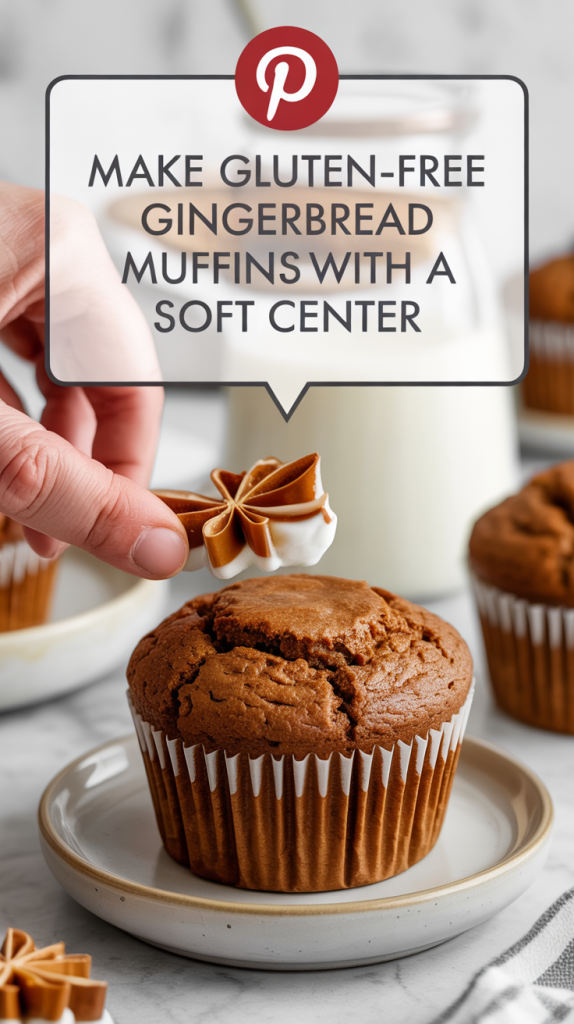
Tips For Achieving A Soft Center
- Do Not Overmix: Ensure just to combine ingredients: overmixing can lead to denser muffins.
- Add a Little Extra Liquid: If the batter seems too thick, a tablespoon more of milk can help keep things moist.
Common Mistakes To Avoid
Even experienced bakers can run into issues when switching to gluten-free ingredients. Here are some common pitfalls:
- Skipping the Weighing of Ingredients: Gluten-free flours can behave differently depending on the brand, so weighing rather than measuring by volume can yield better results.
- Using Too Much Flour: Gluten-free batters often require less flour than traditional recipes. Stick to our recommended ratios.
- Ignoring Resting Time: Letting the batter sit for about 10 minutes can help it hydrate, leading to softer muffins.
- Not Testing for Doneness: Remember, toothpicks should come out clean but may have a few moist crumbs, this means your muffins will stay soft.
Storing And Freezing Your Muffins
To keep our gingerbread muffins fresh:
- Storing: Place the muffins in an airtight container at room temperature for up to 3 days. If they begin to dry out, try wrapping them in plastic wrap.
- Freezing: For longer storage, freeze muffins by placing them in an airtight container after they have cooled completely. They can last up to 3 months. To enjoy, simply thaw at room temperature or heat in the microwave for a few seconds.
Conclusion
We hope this guide has demystified gluten-free baking for you. Making gingerbread muffins with a soft center is not only achievable but also incredibly rewarding. With the right ingredients and techniques, we can create a delightful treat that everyone will love, regardless of their dietary restrictions. So the next time you’re in the mood for seasonal flavors, give these gluten-free gingerbread muffins a try, and enjoy every delicious bite.