Launch Your Online Shop: A Practical, Beginner-Friendly Roadmap
Starting an online store can be simple and rewarding when you follow a clear sequence. This guide walks you through building the storefront, why the platform suits independent sellers, and the practical tweaks that help you make your first sales.
1. Hands-On Setup: Domain, Theme and Payments
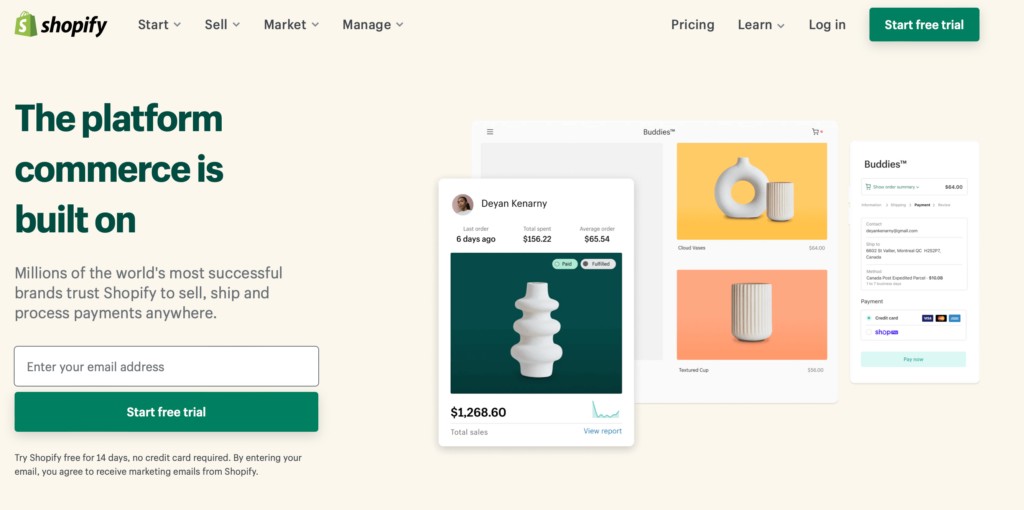
Begin by claiming a memorable domain and completing your store’s basic details so customers can find and trust you. Choose a template that fits your aesthetic—clean layouts work well for food, lifestyle, and home goods—and then personalize it: upload a simple logo, set a color palette, and build a clear navigation menu. Connect a payment provider so you can accept cards and other common methods, and enter a business address for billing and shipping. Practical example: if you sell homemade granola, set up an “About” page that explains ingredients, upload multiple photos showing texture, and add a payment method before listing your first jar.
2. Why This Platform Fits Side Hustles and Small Brands
This kind of hosted platform appeals to makers and small teams because it reduces technical overhead: templates, hosting, and transaction tools are bundled so you can focus on products. That makes it easier to test ideas part time and expand as demand grows. For example, a candle maker can start with a few listings, add seasonal scents without rebuilding the site, and scale inventory management as orders increase. The reliability and built-in commerce features let you run promotions, manage orders, and adjust storefront design quickly—useful whether you’re selling on weekends or growing into a full-time business.
3. Get Visible and Convert Browsers into Buyers
Set up each product page to earn attention and conversions: write clear titles and benefit-focused descriptions, use natural keywords shoppers would type, and showcase multiple high-quality photos from different angles. Decide pricing by tallying production, shipping and overhead, then check similar listings to position your product competitively. Organize items into intuitive categories and create shipping rules—local pickup, flat-rate, or free shipping over a threshold—to reduce cart abandonment. Add incentives like time-limited discounts or bundled pricing and collect reviews to build trust. Practical example: group breakfast items under “Granolas & Mixes,” offer free local pickup, and include a short bulleted benefits list on each product page.
With the basic setup complete and product pages optimized, you’re ready to publish and begin learning from real customer feedback. Start small, iterate on presentation and pricing, and let early sales guide gradual improvements.