How to Launch a Virtual Assistant Career When You’re Starting From Scratch

Remote work has expanded opportunities for people who want flexibility, variety, and the ability to build a client-driven business from anywhere. If you like organizing, supporting others, or turning small repetitive tasks into reliable systems, offering virtual assistance can be a practical path — even without prior VA experience. This guide breaks the path into ten actionable areas so you can pick up skills, find the right niche, land clients, and build a sustainable workflow.
1. What a Virtual Assistant Really Does
A virtual assistant provides remote support to businesses or individuals, handling administrative, creative, technical, or customer-facing tasks from a home office. Think of the role as a flexible support package: you might answer emails for a coach one week, schedule social posts for a boutique the next, and manage bookkeeping chores for a freelancer the month after. Practical examples: triaging a client’s inbox to flag urgent messages, updating a calendar and sending calendar invites, or formatting a blog post and uploading it to a website. The key is to package services clearly so clients know what tasks you’ll own and deliver reliably.
2. Why Starting Without Experience Is Doable
Many clients prioritize reliability, willingness to learn, and clear communication over years of formal VA experience. Someone who can organize schedules, proofread text carefully, and respond promptly can begin taking paid tasks while improving skills on the job. Examples of entry routes include offering a reduced-rate pilot project to a local entrepreneur, volunteering to help a friend launch a newsletter in exchange for a testimonial, or completing a short online course then advertising that focused service. These small wins build a portfolio and references, which quickly outweigh the fact that you began without prior VA-specific roles.
3. Soft Skills That Make Clients Keep Calling
Certain behaviors matter more than a particular software credential: clear written messages, punctuality, active listening, and the ability to follow instructions without constant oversight. For example, confirm project scopes in writing after a client briefing, deliver work by agreed deadlines, and summarize meeting takeaways so clients don’t need to repeat themselves. These habits reduce friction and build trust. Practical tip: use short templates for intake emails and status updates so you respond fast and consistently. Over time, a reputation for dependability lets you replace lower rates with ongoing retainers and referrals.
4. Common Tasks and Specialties You Can Offer
Virtual assistants cover a wide range of tasks, which makes it possible to select services that play to your strengths. Core offerings include inbox management, appointment scheduling, travel booking, social media posting, basic editing, and spreadsheet upkeep. You can specialize: bookkeeping-focused VAs reconcile accounts and prepare reports; social media VAs design posts and engage followers; project management VAs organize timelines and assign tasks; e-commerce VAs upload product listings and process orders; or email marketing VAs build and schedule campaigns. Example: start with weekly social scheduling and add basic image edits with free tools to create a fuller package.
5. Choosing a Niche and Mapping Services
Begin by listing the professional tasks you enjoy and do well, then research which small businesses or professionals need those tasks regularly. For instance, if you enjoy writing and know WordPress, target bloggers or coaches who publish weekly posts; if you’re comfortable with numbers, aim for small retailers that need order tracking and basic bookkeeping. Practical steps: make a short services list (three core offerings), research a handful of potential client types, and create sample deliverables like a mock social calendar or a one-page services PDF. This clarity helps you market effectively and price with confidence.
6. Build a Clean Online Home for Your Services

A simple professional presence makes it easy for clients to find and trust you. You don’t need an elaborate website to begin — a tidy one-page site, a LinkedIn profile that lists your services, and a downloadable service sheet work well. Practical examples: publish a sample weekly content plan, display a short list of tools you use (project managers, email platforms), and include a short testimonial or two from volunteer work. Add a clear contact method and a calendar link for discovery calls. Over time, collect testimonials and before/after samples to replace hypothetical examples with real proof.
7. Where to Find Your First Clients

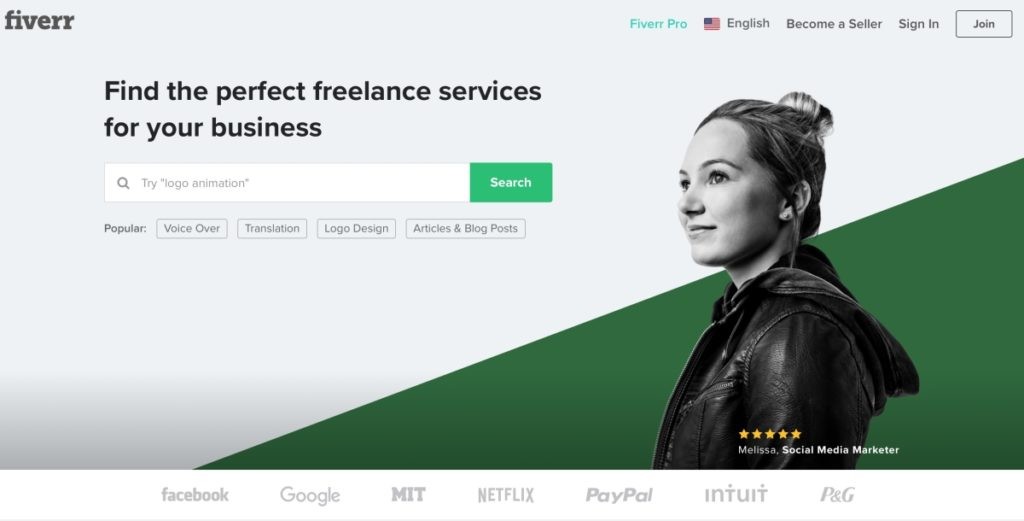
There are many paths to clients, each suited to different comfort levels. Freelance marketplaces let you bid on listings and build a profile; specialized VA networks match vetted assistants with businesses; and direct outreach—cold emails or LinkedIn messages—targets prospects who match your niche. Practical approach: set up a profile on one marketplace, join at least one VA network if you prefer pre-vetted leads, and send a short personalized message to five potential clients per week explaining how you would solve a specific pain point. Local small business groups and industry forums often lead to lower-competition projects as well.
8. Charge What Covers Costs and Reflects Value
Setting rates means accounting for business expenses, time spent, and the results you deliver. Think beyond an hourly number: consider offering packages (for example, a monthly bundle of social posts and inbox triage) so clients know what to expect and you get steady work. Practical steps: list your recurring costs (software, subscriptions, marketing), estimate time per task, and test a low introductory offer to build testimonials before raising prices. Also try value-based pricing for projects that save a client time or revenue—quote based on the outcome rather than only on hours.
9. Realistic Upsides and Trade-offs to Consider
A VA career offers flexible hours, remote work, and the ability to mix clients and niches, but it also brings competition, occasional feast-or-famine income, and the need to be self-directed. For example, early clients may pay less while you prove your reliability; conversely, a strong testimonial can quickly turn into recurring monthly work. Plan for quieter months with a small savings buffer, set boundaries to avoid overwork, and use standard contracts to protect both parties. Weighing these trade-offs ahead of time helps you set policies for turnaround times, revisions, and scope creep.
10. Answers to the Questions New VAs Ask Most
New virtual assistants commonly wonder about requirements, workload, and growth paths. In practice, there’s rarely a single formal prerequisite: practical skill demonstrations, a clear service list, and a reliable way to communicate are often enough to win clients. Workload can be tailored: some VAs take a single steady client for part-time hours, others juggle several small projects. To grow, collect testimonials, refine a niche, and add complementary services — for instance, a VA who starts with scheduling might add light marketing tasks after training. Simple contracts and a bookkeeping routine will help you scale with confidence.
Starting as a virtual assistant is a step-by-step process: clarify what you’ll offer, build a clean online presence, pursue clients where they gather, and deliver consistently so your early wins become repeat business. With small experiments—trial projects, a tidy service page, and steady outreach—you can build a dependable freelance rhythm that suits your life and goals.